Table of Contents >> Show >> Hide
- What Is the Dante El Santo Cheshire?
- The Design Language Behind the Chair
- Why “Cheshire” Feels Different
- Where the Dante El Santo Cheshire Works Best
- Is It Actually Comfortable?
- Materials, Craft, and Buying Considerations
- Why It Still Feels Relevant
- The Experience of Living With a Dante El Santo Cheshire
- Final Thoughts
Some chairs are content to sit quietly in the corner and behave. The Dante El Santo Cheshire is not one of them. This is the kind of piece that walks into a room before you do, steals a little attention from the coffee table, and then somehow makes the entire space feel smarter. Part sculpture, part lounge chair, part “Wait, where did you find that?” moment, it belongs to the world of statement seating where comfort and personality are expected to get along.
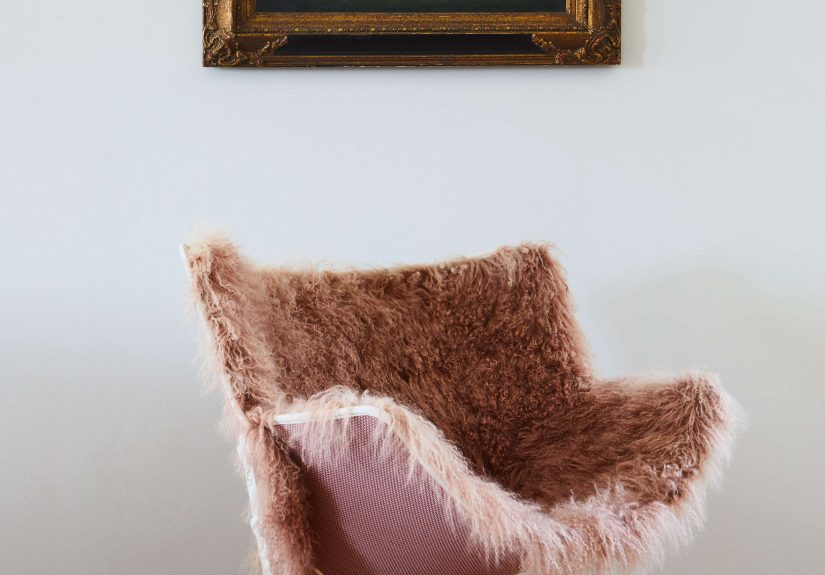
At its core, the Dante El Santo Cheshire is a design-forward armchair from DANTE – Goods and Bads, the furniture brand founded by Aylin Langreuter and Christophe de la Fontaine. The broader El Santo family is known for a folded seat shell, a lean metal base, and a silhouette that creates a hovering, almost gravity-defying impression. The Cheshire variation turns that elegant structure into something warmer, wilder, and more tactile by embracing plush upholstery with serious texture. In plain English: it looks refined, but it also looks like it might give you a stylish hug.
For anyone interested in collectible modern furniture, interior styling, or simply finding a chair with more charisma than the average sofa cushion, the Dante El Santo Cheshire deserves a closer look. It sits at the intersection of European craftsmanship, sculptural minimalism, and the modern appetite for furniture that doubles as visual storytelling. It is not just somewhere to sit. It is a conversation starter with a seat height.
What Is the Dante El Santo Cheshire?
The Dante El Santo Cheshire is best understood as a standout version of the El Santo armchair, a design by Christophe de la Fontaine for DANTE – Goods and Bads. The general El Santo concept centers on a single folded seat element paired with a powder-coated metal frame, creating a floating shell effect that nods to classic cantilever ideas without feeling trapped in design history. The result is a chair that looks light, open, and architectural rather than bulky or overstuffed.
Where the Cheshire variation gets interesting is in its personality. Instead of reading as strict, smooth, or purely minimalist, it adds a shaggy, plush, almost playful layer to the design language. In interiors, that makes a huge difference. A chair with a sleek leather shell says, “I appreciate proportion.” A chair with a furry or sheepskin-like finish says, “I appreciate proportion, but I also know how to have fun.” The Cheshire version softens the chair’s geometry while preserving its sculptural bones.
That contrast is exactly why it stands out. Many statement chairs lean in one direction only. They are either practical but forgettable, or dramatic but exhausting. The Dante El Santo Cheshire lands in the sweet spot between the two. It has a strong enough silhouette to function as an accent piece, but it also has the warmth, texture, and visual softness that make a room feel lived in rather than staged for a catalog shoot no one is allowed to touch.
The Design Language Behind the Chair
A modern take on the cantilever tradition
One of the most compelling things about the El Santo design is how it taps into the long history of cantilever seating. The cantilever chair has fascinated designers for nearly a century because it creates a small visual miracle: support without obvious heaviness. Good cantilever designs seem to float, bend, and suspend weight in a way that feels both engineered and elegant. The Dante El Santo Cheshire borrows that spirit, but instead of copying a museum classic, it reinterprets the idea with softer lines and more emotional texture.
This is what gives the chair its odd and wonderful tension. It looks composed, but not stiff. It feels contemporary, but not trend-chasing. The base does the technical work while the seat gets all the glamour. That balance matters because good furniture design is usually a duet between structure and atmosphere. If one gets too loud, the whole performance turns into noise.
The beauty of a folded shell
The seat itself is where the chair earns its reputation. The El Santo concept is built around a broad seat shell formed from a single piece that appears folded into shape. That construction gives the chair a clean, decisive geometry. No unnecessary fuss. No ornamental gymnastics. Just a confident form that says, “Yes, I know exactly what I’m doing.”
Then the Cheshire finish changes the mood entirely. Suddenly that disciplined shape is dressed in texture. The chair stops being merely sleek and becomes inviting. It feels less like a design object you admire from three feet away and more like a seat you actually want to claim before somebody else does. That transformation is the secret sauce.
Why “Cheshire” Feels Different
The word “Cheshire” gives the chair a bit of mystery, and honestly, that fits. This is not a shy piece. In design terms, the Cheshire variation reads as the more expressive sibling in the El Santo family. It keeps the frame, the profile, and the floating stance, but adds materiality that changes the emotional temperature of the room.
Texture is doing the heavy lifting here. Contemporary interiors often rely on contrast to keep spaces from feeling flat: metal against wood, velvet against linen, leather against boucle, glossy surfaces against matte finishes. The Dante El Santo Cheshire slots beautifully into that logic because it brings high-impact texture without requiring a room to become chaotic. It can energize a minimalist room, soften a modern one, and add a little mischief to a very serious interior that could frankly use a snack and a nap.
There is also a practical design reason textured chairs remain appealing. A heavily textured accent chair naturally creates depth. Even if the room uses a restrained color palette, the eye catches the surface variation and reads the chair as special. That means you do not always need loud color, dramatic print, or oversized shape to make a statement. Sometimes fluff wins.
Where the Dante El Santo Cheshire Works Best
Living rooms that need a focal point
This chair makes the most sense in spaces where it can breathe a little. In a living room, it works beautifully as a solo accent chair beside a streamlined sofa, near a sculptural floor lamp, or angled toward a fireplace or low table. Because the base appears visually light, it does not drag the room down the way some chunky lounge chairs do. That makes it especially effective in interiors that want a strong piece without losing openness.
If the room is full of straight lines, the chair adds movement. If the room already has plenty of soft upholstery, the chair adds contrast through silhouette. And if the room feels a little too behaved, the Cheshire texture adds personality without making the space look as though it lost a bet with a maximalist.
Bedrooms, studios, and creative offices
The Dante El Santo Cheshire also makes sense in bedrooms and personal studios where mood matters as much as function. In a bedroom corner, it can become a reading chair that feels intentionally indulgent. In a creative office, it works as the one piece that breaks up desk-and-shelving seriousness. In a dressing room or boutique-inspired space, it fits naturally because it already looks editorial.
This is not the chair you hide. It performs best where it can be seen from multiple angles and where its texture can catch changing light throughout the day. Morning sun, afternoon shadow, lamplight at nightthis kind of chair enjoys a little theater.
Is It Actually Comfortable?
That is the fair question, because beautiful chairs have a long history of being better at posing than supporting humans with coffee. The good news is that the El Santo design was conceived as a spacious, comfortable seat, and the broader product information around the chair suggests it was designed with real lounging in mind, not just visual drama. Its proportions are generous enough to feel substantial without becoming oversized.
Still, comfort here is likely a specific kind of comfort. This is not a marshmallow recliner. It is more of a poised lounge experience: open seat, supportive shell, visually airy base. Think “sit with a book, a drink, or a very important opinion about flooring,” not “disappear into a cushion vortex for six hours.” For many modern homes, that is exactly the right kind of comfort.
And let’s be honest: when a chair manages to be stylish, supportive, and memorable at the same time, that is already overachieving.
Materials, Craft, and Buying Considerations
One reason the El Santo family has remained interesting is its flexibility in finishes. The line has been shown in leather, velvet, and fur-like upholstery options, paired with textured powder-coated steel. That range allows the same underlying design to shift from refined to expressive depending on finish. The Cheshire version sits on the more expressive end of the spectrum, which is exactly why collectors and design lovers remember it.
Historically, U.S. retail coverage listed the Dante El Santo Cheshire at a luxury price point, which places it firmly in statement furniture territory rather than casual shopping-cart territory. That means buyers should think about it the way they would think about art, lighting, or a standout vintage find. This is not a “fill the corner” purchase. It is a “define the room” purchase.
Size matters, too. The chair’s proportions are substantial enough to make an impact, but not so enormous that it dominates every setting. It can work in smaller rooms if the rest of the furnishings stay visually light. It also benefits from intentional placement. Give it breathing room, pair it with a side table that does not compete, and let texture rather than clutter do the talking.
Availability may require patience. Some older U.S. listings marked the chair as discontinued, while the El Santo line itself still exists as part of the brand’s broader catalog. In practical terms, that means the Cheshire variation may be easier to find through design showrooms, archival listings, special order channels, or the resale market than through quick-click mainstream retail. This is not instant-gratification furniture. It is a piece for people who do not mind a little hunting.
Why It Still Feels Relevant
Design trends come and go with great enthusiasm and sometimes very little self-awareness. But the Dante El Santo Cheshire keeps feeling relevant because it sits on several lasting themes at once. It has sculptural form, which modern interiors still love. It has texture, which designers keep returning to as rooms become less stark and more layered. It has a collectible aura, which appeals to buyers who want fewer but better pieces. And it has enough humor in its appearance to avoid becoming cold.
That last point matters. A lot of “high design” furniture can feel like it is trying too hard to prove it has read difficult books. The Dante El Santo Cheshire is sophisticated, yes, but it is also approachable. The plush finish makes it feel tactile and human. It says luxury without sounding snobbish. That is harder to achieve than it looks.
The Experience of Living With a Dante El Santo Cheshire
The experience of the Dante El Santo Cheshire begins before anyone sits down. First, you see it from across the room and do a small double take. It has that effect. The base looks lean and controlled, while the seat looks soft enough to tempt curiosity. Guests notice it almost immediately, and even people who claim not to care about furniture tend to ask about it. That is the hidden social life of a statement chair: it quietly becomes part seating, part conversation prompt, part proof that the room has a point of view.
Up close, the textural appeal becomes the main event. In a room full of flatter surfacespainted walls, wood floors, glass tables, plain upholsterythe chair creates a moment of relief for the eye. It breaks up the visual rhythm in the best way. Instead of another predictable modern piece, you get something layered and tactile. It can make a neutral room feel warmer, a minimal room feel less severe, and an eclectic room feel more intentional. That is not magic. It is just very smart material contrast doing its job.
In daily use, the chair would likely become the seat people gravitate toward when they want a short escape rather than a full cocoon. It is the place for coffee in the morning, a magazine in the afternoon, a laptop perch for twenty minutes that accidentally becomes an hour, or the classic “I’m only sitting down for a second” lie that every good chair inspires. Because the design feels airy, it does not visually clog the room, which means it keeps working even when the rest of life gets messy. Toys, blankets, books, and everyday chaos happen; the chair still reads like a deliberate choice.
There is also a seasonality to a chair like this. In cooler months, it feels especially inviting because textured upholstery naturally signals warmth and comfort. In spring and summer, it becomes more sculptural because the fluffy or plush surface contrasts beautifully with lighter fabrics, natural light, and cleaner styling. In other words, it does not have one mood only. It shifts with the room around it, which is one reason strong accent furniture lasts longer than trendier one-note pieces.
Of course, living with a chair like this also means accepting its personality. It is not invisible, and it is not trying to be. If you prefer furniture that politely disappears, the Dante El Santo Cheshire may feel like a dramatic houseguest. But if you enjoy interiors that have texture, wit, and a little bit of theatrical charm, that same quality is exactly the appeal. It gives a room emotional tone. It says somebody made decisions here.
There is a practical experience, too. A design-forward chair makes you style the rest of the room more thoughtfully. You start noticing whether the side table is too fussy, whether the rug has enough presence, whether the lighting helps or hurts, whether the palette feels balanced. In that sense, the chair can improve the whole room by forcing everything around it to grow up a little. The best furniture does that. It raises the standard without making the space feel precious.
Ultimately, the lived experience of the Dante El Santo Cheshire is not just about comfort in the narrow physical sense. It is about atmosphere. It is about how a single object can make a room feel curated, warmer, more memorable, and more personal. You sit in it, yes. But you also live around it. And for a lot of design lovers, that is exactly the point. Great seating should support the body, but truly great seating also supports the mood of the home. This chair understands both jobs remarkably well.
Final Thoughts
The Dante El Santo Cheshire is a strong example of what happens when a well-resolved furniture silhouette meets rich material character. It is sculptural without being stiff, plush without being sloppy, and distinctive without crossing into novelty. That is a narrow lane, and this chair drives through it with surprising confidence.
For collectors, stylists, and homeowners who want one memorable piece instead of five forgettable ones, it makes a compelling case for intentional seating. It offers visual drama, tactile charm, and enough design intelligence to stay relevant long after trendier accent chairs have faded into the online discount bin. In a world full of furniture that tries very hard to be neutral, the Dante El Santo Cheshire is much more interesting. It has presence. It has texture. It has a point of view. And frankly, more rooms could use that.