Table of Contents >> Show >> Hide
- Why These Boiled Potatoes Became Such a Big Deal
- The Version I Tried
- What Happened When I Actually Made Them
- Why This Recipe Works So Well
- How They Compare to Modern Potato Favorites
- Tips for the Best Pride and Prejudice Boiled Potatoes
- Would I Make Them Again?
- My Longer Experience Making the Pride and Prejudice Boiled Potatoes Recipe
- Final Verdict
It takes a special kind of side dish to steal a scene in a story full of longing glances, social tension, and enough emotional repression to power a small city. And yet, here we are: talking about boiled potatoes.
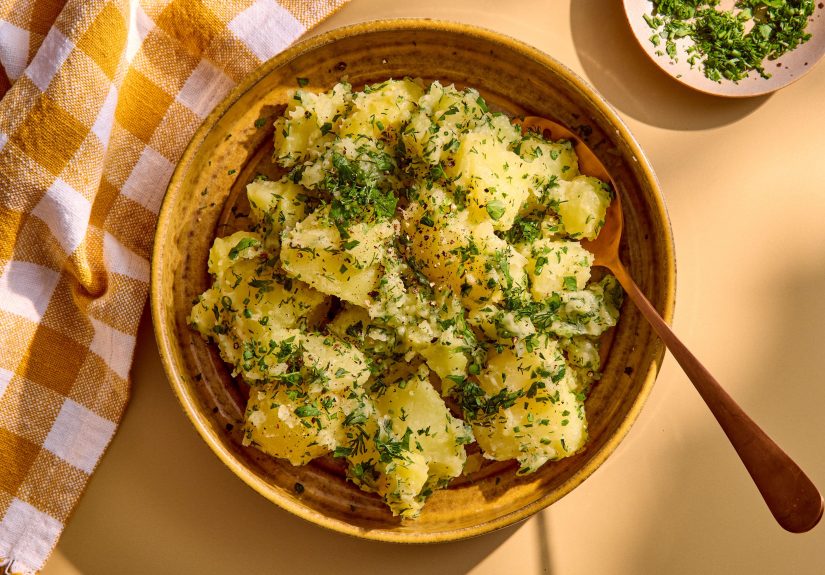
If you have ever watched Pride and Prejudice and found yourself oddly fixated on that famously awkward dinner-table compliment, you are not alone. The internet has spent years lovingly obsessing over those potatoes, and honestly, I get it now. After trying a version inspired by the now-iconic moment, I can report that these are not flashy potatoes. They are not crispy, cheesy, smashed, whipped, scalloped, gratinéed, or aggressively truffled. They are simply boiled potatoes dressed with butter, herbs, salt, and pepper. And somehow, that simplicity is exactly the point.
This recipe feels like the culinary equivalent of a well-written sentence: restrained, elegant, and much more satisfying than it first appears. So I made them, ate them, thought far too much about them, and came away with an entirely new respect for the humble spud.
Why These Boiled Potatoes Became Such a Big Deal
Part of the appeal is the movie connection, of course. But the real reason this recipe has endured is that it taps into something modern cooks keep rediscovering: when a potato is cooked properly, it does not need a parade of toppings to be delicious. Good boiled potatoes have a delicate sweetness, a creamy interior, and a comforting softness that butter and herbs only improve.
That is also why the recipe keeps resurfacing in food media. In a world of towering potato casseroles and dramatic holiday side dishes, a bowl of buttered boiled potatoes feels almost rebellious. It is thrifty. It is unfussy. It is cozy in the most confident possible way. These potatoes do not scream for attention. They sit quietly on the table, perfectly seasoned, and let everyone else realize they have been underestimating them.
There is also no single official “Pride and Prejudice boiled potatoes recipe,” which somehow makes the whole thing more charming. Some versions lean minimalist with just butter and chives. Others add parsley, dill, or a little reserved potato water for a silkier finish. That gave me room to try a version that felt true to both the spirit of the scene and the best modern cooking advice: waxy potatoes, cold salted water, gentle simmering, butter while hot, and fresh herbs at the very end.
The Version I Tried
I went with a recipe style that lands somewhere between classic buttered new potatoes and the more herb-forward interpretations inspired by the movie. The result was simple enough to feel period-adjacent, but flavorful enough that nobody at the table would accuse it of tasting like boiled despair.
Ingredients
- 2 pounds small red or yellow potatoes, scrubbed well
- 2 tablespoons kosher salt, plus more to taste
- 3 tablespoons unsalted butter
- 2 tablespoons finely chopped fresh chives
- 1 tablespoon chopped flat-leaf parsley
- 1 teaspoon chopped fresh dill (optional, but lovely)
- Freshly ground black pepper
- 1 to 2 tablespoons reserved potato water, as needed
Method
- Place the potatoes in a large pot and cover with cold water by about 1 inch.
- Add the salt and bring the pot to a boil over medium-high heat.
- Reduce to a gentle simmer and cook until the potatoes are fork-tender, about 12 to 18 minutes depending on size.
- Drain, reserving a little of the cooking water.
- Let the potatoes sit for a minute so excess moisture evaporates, then halve larger ones if desired.
- Return them to the warm pot or transfer to a bowl. Add butter, herbs, black pepper, and a spoonful of reserved potato water.
- Toss gently until glossy and well coated. Taste, add more salt if needed, and serve immediately.
What Happened When I Actually Made Them
The first surprise was how good the kitchen smelled. Not in the dramatic, butter-browning-with-garlic-and-thyme way that makes you feel like you should light a candle and invite over the neighbors. It was gentler than that. Warm potato, fresh herbs, melting butter. It smelled like a dinner that expects no applause and earns it anyway.
The second surprise was texture. These potatoes were not mushy, which is the reputation boiled potatoes can never seem to shake. Because I started them in cold water and simmered them gently instead of boiling them like they had insulted my family, they cooked evenly from edge to center. The skins stayed intact, the interiors turned creamy, and the butter clung to the warm surfaces instead of sliding off in a sad puddle.
The third surprise was flavor. Potatoes need salt. This is not a suggestion; it is a life principle. Salting the water gave the potatoes flavor all the way through, while the butter and herbs added richness and brightness without masking the potato itself. Chives brought that mild onion note everyone loves. Parsley made the whole thing taste fresher. Dill added a whisper of old-fashioned charm, like the side dish equivalent of writing with a fountain pen.
Most important, they tasted like something you could keep eating. Not because they were loud, but because they were balanced. I took one bite expecting pleasant blandness and got actual depth instead: earthy, sweet, buttery, peppery, herbaceous. The kind of side dish that makes you stop mid-conversation and go, “Wait, why is this so good?”
Why This Recipe Works So Well
1. Starting in cold water matters
This is one of those techniques that sounds fussy until you taste the difference. Starting potatoes in cold water helps them cook more evenly. If you dump them straight into boiling water, the outsides can turn soft before the insides are fully tender. With a cold start, the heat rises gradually and the potatoes stay intact.
2. A gentle simmer beats an aggressive boil
Boiling is technically what we call it, but a rolling, rowdy boil is not your friend here. A gentle simmer prevents the potatoes from banging around, splitting their skins, and turning fluffy in all the wrong ways. Think elegant bubbling, not jacuzzi chaos.
3. Salted water is the difference between “fine” and “excellent”
When potatoes cook in well-salted water, they season from within. That means the final dish tastes like potato, not like you are trying to rescue potato with butter. There is a huge difference.
4. Butter and herbs belong on hot potatoes
Warm potatoes absorb flavor beautifully. Adding butter and herbs while they are still hot creates a glossy coating and lets the seasoning settle into all the little surface crevices. A spoonful of potato water helps everything emulsify into a light sauce instead of a greasy slick.
How They Compare to Modern Potato Favorites
If you are expecting these to replace roasted potatoes at Thanksgiving, probably not. Roasted potatoes win on crunch. Mashed potatoes win on drama. Au gratin potatoes win on decadence and their complete refusal to apologize for using a lot of cream.
But these boiled potatoes succeed in a different category altogether. They are the best kind of supporting actor: reliable, charming, versatile, and unexpectedly memorable. They pair well with roast chicken, pork chops, salmon, sausages, lamb, and even fried eggs. They also make an excellent addition to a holiday spread when every other dish is heavy enough to require a nap and a personal essay.
In fact, that may be their secret advantage. These potatoes bring relief. They cut through a table crowded with rich casseroles and sugary glazes. They taste clean. They taste grounded. They taste like someone in the kitchen knew when to stop adding ingredients.
Tips for the Best Pride and Prejudice Boiled Potatoes
- Choose waxy or all-purpose potatoes. Small red potatoes, baby Yukon Golds, or new potatoes hold their shape better than very starchy varieties.
- Keep them similarly sized. Even size means even cooking, which means no half-raw center hiding inside your otherwise civilized dinner.
- Do not overcook. The goal is fork-tender, not surrender-to-gravity tender.
- Dry them briefly after draining. Letting excess moisture evaporate helps the butter coat instead of dilute.
- Use fresh herbs. Dried herbs can work in a pinch, but fresh chives and parsley give the dish its brightness.
- Finish with black pepper. It adds a little edge and keeps the flavor from feeling too soft.
- Serve them hot or warm. That is when they are at their most aromatic and buttery.
Would I Make Them Again?
Absolutely. And not just as a joke for Austen fans, though they do make an excellent movie-night side dish if you want to fully commit to the bit. I would make them again because they are affordable, easy, and deeply comforting. They ask very little of the cook and deliver far more than expected.
They also reminded me of something modern cooking sometimes forgets: not every great recipe needs a twist. Sometimes the twist is that there is no twist. You just take a solid ingredient, treat it properly, season it well, and let it taste like itself.
That is what these boiled potatoes do. They are not trying to become fries, hash browns, or a three-cheese casserole. They are perfectly content being potatoes. Frankly, there is something admirable about that level of self-possession.
My Longer Experience Making the Pride and Prejudice Boiled Potatoes Recipe
I made these on an ordinary weeknight, which turned out to be exactly the right setting. If I had saved them for a big holiday table, I might have missed what makes them special. There is something deeply satisfying about taking a recipe with a slightly silly internet reputation and discovering that it actually deserves the attention. I expected novelty. I got comfort.
The whole process was calming in a way that a lot of modern cooking is not. No multitasking with six burners going. No last-minute broiler panic. No standing over a skillet wondering whether the garlic had gone from golden to bitter while I blinked. I washed the potatoes, salted the water, chopped the herbs, and let the pot do its quiet work. It felt almost suspiciously manageable.
While the potatoes simmered, I kept thinking about how much food culture loves spectacle. We are all used to recipes promising the crispiest, gooiest, most over-the-top version of everything. There is nothing wrong with that; I will never turn down a ridiculous potato gratin. But these potatoes operate on an entirely different wavelength. They are not trying to dominate the plate. They are trying to belong on it. And that made me pay closer attention.
When I drained them and tossed them with butter, chives, parsley, and pepper, they turned glossy almost instantly. That was the moment I realized this recipe lives or dies by temperature. Hot potatoes welcome butter the way toast does: eagerly, without argument. The herbs softened just enough to perfume the whole bowl, and a spoonful of potato water turned everything silky. It looked simple, but not plain. Homey, but not dull.
Then I tasted one straight from the serving bowl, which is always a risky move because it can ruin your ability to wait for dinner. The texture hit first: tender skin, creamy center, no graininess, no waterlogging. Then came the flavor, which was somehow both modest and complete. Salt gave it structure, butter gave it roundness, and the herbs kept the whole thing from feeling too rich. I added a little more pepper and ate another one for quality control, which was obviously extremely necessary.
At dinner, they quietly outperformed the main dish. Not in a dramatic, table-flipping way. Just in that sneaky side-dish manner where everyone keeps reaching back for more and then asking, “What did you put on these?” The answer felt almost comically short. Butter. Chives. Parsley. Salt. Pepper. Potatoes doing what potatoes have always been capable of doing when given even a shred of respect.
What stayed with me most was how adaptable they are. You can lean more English-country-garden with dill and parsley, or keep things extra simple with just butter and chives. You can serve them with roast chicken one night and leftover salmon the next. You can make them for guests or for yourself while wearing pajamas and rewatching a favorite movie. They fit almost anywhere because they are built on technique rather than gimmick.
And that, I think, is why the recipe lingers. It starts as a fun cultural reference, but it ends as a genuinely useful dish. After making them once, I stopped thinking of them as a novelty recipe tied to a movie scene and started thinking of them as one of those back-pocket sides every cook should know. Cheap ingredients, low stress, reliable results, and enough grace to feel special. Honestly, Mr. Collins may have been awkward, but on this one point, he was not wrong.
Final Verdict
I tried the Pride and Prejudice boiled potatoes recipe expecting a charming food experiment and ended up with a side dish I would happily make on repeat. These potatoes are proof that good technique can turn the simplest ingredients into something memorable. They are buttery, tender, herb-flecked, and far more elegant than the phrase “boiled potatoes” usually suggests.
If you are an Austen fan, make them for the literary thrill. If you are a potato person, make them because they are genuinely delicious. And if you are skeptical, that is all the more reason to try them. Few recipes are so humble on paper and so satisfying on the plate.