Table of Contents >> Show >> Hide
- Why These Easy Gluten-Free Peanut Butter Cookies Work So Well
- What You Need for the Best Gluten-Free Peanut Butter Cookies
- How to Make Easy Gluten-Free Peanut Butter Cookies
- Tips for Better Texture Every Time
- Classic Variations to Try
- How to Keep Them Truly Gluten-Free
- Storage and Make-Ahead Tips
- Why This Recipe Belongs in Your Regular Rotation
- Experiences With Easy Gluten-Free Peanut Butter Cookies
- Conclusion
If your idea of baking therapy involves a short ingredient list, one bowl, and the smell of peanut butter drifting through the kitchen like a warm little victory parade, you are in exactly the right place. Easy gluten-free peanut butter cookies are one of those rare desserts that feel almost suspiciously simple. No fancy flour blend? Still possible. No stand mixer? Excellent. No patience for a recipe with twelve steps and three resting periods? Congratulations, you may finally have found your cookie soulmate.
These cookies have a lot going for them. They are naturally flourless in their simplest form, deeply peanut-buttery, fast to make, and surprisingly flexible. They also happen to be one of the easiest gluten-free desserts to pull off successfully, even if you are not the sort of person who casually says things like “I keep almond flour in bulk.” With the right peanut butter, the right texture expectations, and a few smart baking tricks, you can turn out cookies that are chewy in the middle, lightly crisp around the edges, and dangerously easy to “sample” five times before they ever reach the cooling rack.
Why These Easy Gluten-Free Peanut Butter Cookies Work So Well
The beauty of easy gluten-free peanut butter cookies is that peanut butter does a lot of the heavy lifting. In classic flourless versions, peanut butter provides structure, fat, flavor, and richness, while egg helps bind everything together and sugar gives the cookies sweetness plus that lightly crackled finish. The result is a dough that comes together quickly and bakes into cookies with a soft, dense, chewy texture.
That is why this recipe is such a favorite for beginner bakers and busy home cooks. You do not need to fuss with multiple flours, starches, or long chilling times to get something genuinely delicious. In fact, the stripped-down ingredient list is part of the charm. These cookies are proof that a recipe does not need to be complicated to taste like it belongs on a holiday platter or next to a good cup of coffee on a random Tuesday afternoon.
Another reason this recipe wins? It is naturally adaptable. Want a classic three-ingredient gluten-free peanut butter cookie? Easy. Prefer a version with vanilla, baking soda, or a pinch of salt for more depth? Also easy. Want to dress them up with chocolate chips, chopped peanuts, a sprinkle of flaky salt, or a jam thumbprint center? Now you are just showing off, and we support that.
What You Need for the Best Gluten-Free Peanut Butter Cookies
1. Peanut Butter
Peanut butter is the star, the engine, and the entire personality of this recipe. Choose one you genuinely like, because the flavor comes through loud and clear. Traditional creamy peanut butter tends to give the most reliable texture in flourless cookies. It blends smoothly, holds together well, and creates that familiar soft-chewy bite.
Natural peanut butter can work, but it is a little moodier. If the oil has separated, stir it thoroughly before measuring. If it is very runny or very dry, the dough may behave differently, which can affect spread and texture. If you are baking for someone with celiac disease or strong gluten sensitivity, always check the label and look for clear gluten-free information when possible.
2. Sugar
Most easy gluten-free peanut butter cookie recipes use granulated sugar, brown sugar, or a mix of both. White sugar gives a clean sweetness and helps create lightly crisp edges. Brown sugar adds a deeper, slightly caramel-like flavor and can make the cookies feel a bit softer and chewier. Neither choice is wrong. This is cookie baking, not international diplomacy.
3. Egg
Egg helps bind the dough and gives it structure. One egg is usually enough for a standard batch. If the dough looks a little crumbly after mixing, let it sit for a minute before you panic. Peanut butter dough often firms up and smooths out as it rests.
4. Optional Boosters
Vanilla extract, baking soda, and a pinch of salt are not always required in the easiest flourless versions, but they can improve flavor and texture. Vanilla rounds out the sweetness, baking soda encourages a little lift and spread, and salt helps balance the richness. If you want your cookies to taste a bit more polished without making the recipe significantly more complicated, these are smart additions.
How to Make Easy Gluten-Free Peanut Butter Cookies
Step 1: Preheat and Prep
Start by heating your oven to 350°F. Line a baking sheet with parchment paper if you have it. This makes cleanup easier and helps prevent sticking. If you do not have parchment, a lightly greased baking sheet usually works just fine.
Step 2: Mix the Dough
In a medium bowl, mix together peanut butter, sugar, and egg until smooth. If you are adding vanilla, baking soda, or salt, stir them in now. The dough should be thick, scoopable, and easy to roll. If it seems too dry, a tiny spoonful of extra peanut butter can help. If it seems too loose, let it sit for a few minutes to firm up.
Step 3: Shape the Cookies
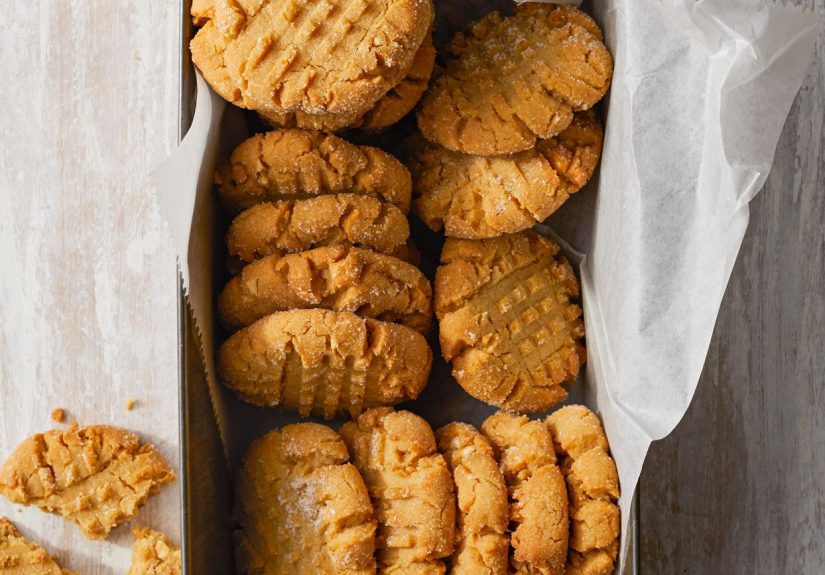
Roll the dough into small balls, about 1 inch each, and place them a couple of inches apart on the baking sheet. Then use a fork to flatten each one in a crisscross pattern. That signature peanut butter cookie look is not just decorative. It also helps the dense dough bake more evenly.
Step 4: Bake
Bake for about 8 to 12 minutes, depending on the size of the cookies and how soft or crisp you like them. The edges should look set, but the centers may still seem slightly soft. That is normal. Resist the temptation to keep baking until they look completely firm in the middle unless you are aiming for a drier, crunchier cookie.
Step 5: Cool
Let the cookies cool on the baking sheet for a few minutes before moving them to a wire rack. This step matters more than people think. Fresh from the oven, gluten-free peanut butter cookies can be delicate. Given a little cooling time, they settle, firm up, and become much easier to handle.
Tips for Better Texture Every Time
Use the peanut butter you mean to use. If you switch from traditional creamy peanut butter to an all-natural version, expect a texture change. Natural styles can make the dough softer or more oily, and low-fat peanut butter is generally not the best choice for this kind of cookie.
Do not overbake. This is the big one. Peanut butter cookies continue to set as they cool. Pulling them out when the edges are done but the centers still look a little tender is often the difference between chewy cookies and peanut-flavored hockey pucks.
Use a fork, not wishful thinking. These cookies need help flattening because the dough is thick. The fork marks are traditional for a reason.
Add flaky salt for a grown-up finish. A light sprinkle on top before baking can make the flavor pop and balance the sweetness beautifully.
Classic Variations to Try
Chocolate Chip Gluten-Free Peanut Butter Cookies
Fold in a handful of chocolate chips for an easy upgrade. Just make sure the chips are labeled gluten-free if needed. Chocolate and peanut butter are a classic pairing for a reason: they make even ordinary afternoons feel a bit more cinematic.
Crunchy Peanut Butter Cookies
Use crunchy peanut butter or stir chopped roasted peanuts into the dough. This adds texture and makes the cookies feel a little heartier.
Peanut Butter Thumbprint Cookies
Instead of the fork pattern, press a small indentation into each dough ball and add a tiny spoonful of jam after baking or just before the cookies finish. Raspberry and strawberry are especially good here.
Bakery-Style Gluten-Free Peanut Butter Cookies
If you want a more traditional cookie texture, you can move beyond the ultra-simple version and use a gluten-free flour blend with baking soda, salt, and vanilla. This approach gives you a cookie that feels a little closer to classic flour-based peanut butter cookies while still staying gluten-free.
How to Keep Them Truly Gluten-Free
This part matters. A cookie recipe can be naturally gluten-free on paper, but ingredients and kitchen habits still count. Always read labels on peanut butter, vanilla, chocolate chips, and any add-ins. In the United States, a packaged food labeled “gluten-free” must meet FDA standards. If you are baking for someone with celiac disease, that label can be helpful peace of mind.
Also watch for cross-contact in the kitchen. Shared jars of peanut butter, butter, or jam can pick up crumbs from regular bread when knives are double-dipped. If you are baking for someone who needs to avoid gluten strictly, use clean utensils, clean surfaces, and uncontaminated ingredients. A great cookie should not come with a side of stress.
Storage and Make-Ahead Tips
Once the cookies are completely cool, store them in an airtight container at room temperature for several days. They also freeze well. You can freeze the baked cookies or freeze the dough balls and bake them later. That is especially handy when you want warm cookies without turning the whole kitchen into a full production.
If you are freezing dough, shape it first, then freeze the dough balls on a tray before transferring them to a freezer-safe container. When the craving hits, bake from cold or let them sit briefly at room temperature first. Either way, future you will feel wildly organized.
Why This Recipe Belongs in Your Regular Rotation
Some recipes are weekend projects. These easy gluten-free peanut butter cookies are not. They are practical, quick, dependable, and satisfying. They work for lunchboxes, potlucks, casual desserts, holiday trays, last-minute guests, and random “I need a cookie, but I also need my life to stay simple” moments.
They are also a reminder that gluten-free baking does not always need a long shopping list or a chemistry degree. Sometimes the best recipe is the one that lets peanut butter be peanut butter, keeps the process easy, and rewards you with a warm cookie before your attention span wanders toward something else.
Experiences With Easy Gluten-Free Peanut Butter Cookies
One of the most relatable things about easy gluten-free peanut butter cookies is how often they become a “backup recipe” that quietly turns into a household favorite. People usually try them for practical reasons first. Maybe there is no flour in the pantry. Maybe someone in the family avoids gluten. Maybe a dessert is needed in a hurry and the idea of hauling out a mixer feels emotionally inappropriate. Then the cookies come out of the oven, and suddenly the emergency recipe becomes the recipe.
A common experience is surprise at how much flavor such a short ingredient list can deliver. Bakers expect “simple” to mean “fine.” Instead, they get something rich, nutty, chewy, and genuinely satisfying. There is also a very specific moment that tends to happen when someone takes the first bite and says, “Wait, these are gluten-free?” That moment is one of the great tiny joys of baking. It is half compliment, half disbelief, and entirely understandable.
Another real-world experience is learning that peanut butter choice changes everything. The first batch with a standard creamy peanut butter often turns out beautifully, and confidence skyrockets. Then someone tries a different jar, maybe a natural one that has more oil separation, and the dough behaves like it has entered its experimental phase. The cookies may spread more, crack differently, or bake up softer. That trial-and-error process is actually part of what makes this recipe useful. It teaches you quickly. After one or two batches, most bakers figure out exactly which peanut butter gives them their ideal result.
These cookies also tend to show up in meaningful everyday moments. They are the kind of thing parents make with kids because the dough is simple and the fork-press pattern makes children feel like official bakery employees. They are the kind of thing college students make in tiny kitchens because the recipe is affordable and forgiving. They are the kind of thing people bring to gatherings when they want to offer a gluten-free dessert that does not feel like an afterthought. Nobody wants the sad “special diet” cookie. These are not that.
There is also the convenience factor, which should not be underestimated. Experienced home bakers often talk about the comfort of knowing they can mix a batch in minutes without special planning. That reliability matters. Not every recipe needs to be a project. Sometimes you just want a warm, homemade cookie on a weeknight, and these deliver without drama.
And perhaps the most universal experience of all: people rarely stop at one. They tell themselves they are checking texture. Then they are checking whether the cookies are better warm or cooled. Then they are checking whether one tastes even better with coffee. This is called “quality control,” and absolutely no one needs to investigate it further.
Conclusion
Easy gluten-free peanut butter cookies are proof that simple baking can still be excellent baking. With a few pantry basics, a hot oven, and a little restraint at the cooling rack, you can make cookies that are chewy, flavorful, and easy enough to memorize after one batch. Whether you stick with the classic three-ingredient version or dress them up with chocolate, flaky salt, or a bakery-style twist, this is one gluten-free cookie recipe worth keeping close.