Table of Contents >> Show >> Hide
- Quick snapshot: what’s in a handful?
- 1) Heart health support: unsaturated fats that play nice with cholesterol
- 2) Better lipid numbers: macadamias may improve LDL and total cholesterol in small studies
- 3) Blood sugar and metabolic support: low-carb, high-fat can be helpful in balanced portions
- 4) Satiety and weight management: nuts can help you feel fulleven though they’re calorie-dense
- 5) Micronutrients and antioxidants: small nuts, meaningful nutrients
- How to choose macadamias so they stay a health food
- Who should be careful?
- Bonus: 500-ish words of real-world macadamia experiences (the good, the funny, the “oops”)
- Conclusion
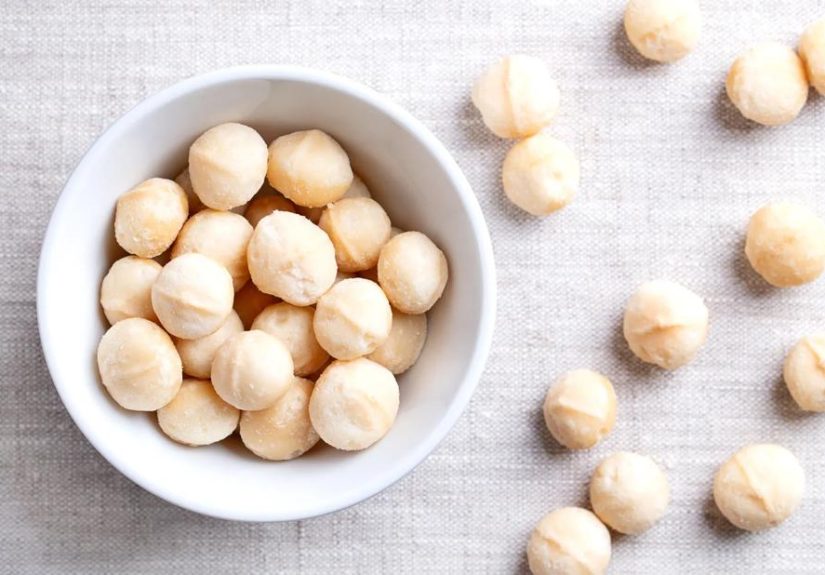
Macadamia nuts are the buttery overachievers of the snack world: small, pricey, and somehow capable of making a salad feel like it has a trust fund. But beyond their “fancy airline lounge” vibe, macadamias earn a spot in a healthy eating pattern for some very practical reasons.
This guide breaks down five macadamia nut health benefits backed by what we know about nuts, unsaturated fats, and nutrient-dense foodsplus the real-world “how do I actually eat these without accidentally inhaling 700 calories?” part.
Quick snapshot: what’s in a handful?
Macadamias are energy-dense (translation: a little goes a long way). A typical 1-ounce servingabout 10–12 kernelshas roughly:
- ~204 calories
- ~21.6 g fat (mostly unsaturated)
- ~2.3 g fiber
- ~2.2 g protein
- Small-but-mighty amounts of manganese, thiamin (B1), copper, magnesium, and more
That’s why macadamias work best as a swap (replace a less-nutritious snack) rather than a stack (add them on top of everything you already eat).
1) Heart health support: unsaturated fats that play nice with cholesterol
When people talk about nuts and heart health, they’re usually talking about two things: (1) the fat profile and (2) what nuts tend to replace in a person’s diet.
Why macadamias stand out
Macadamia nuts are particularly rich in monounsaturated fats (the same “heart-friendly” category you hear about with olive oil). Monounsaturated and polyunsaturated fats can help reduce LDL (“bad”) cholesterol when they take the place of saturated fats, which can lower cardiovascular risk over time.
In fact, the FDA has allowed a qualified health claim for macadamia nuts that notes supportive but not conclusive research suggesting that eating 1.5 ounces per day, as part of a diet low in saturated fat and cholesterol and without increasing calories, may reduce the risk of coronary heart disease.
How to get the “swap” effect
- Replace chips or cookies with a small handful of macadamias.
- Use chopped macadamias instead of croutons or fried toppings on salads.
- Blend a spoonful of macadamia butter into oatmeal instead of adding butter + sugar.
Pro tip: For heart goals, choose unsalted or lightly salted nuts most of the time, since excess sodium isn’t doing your blood pressure any favors.
2) Better lipid numbers: macadamias may improve LDL and total cholesterol in small studies
“Heart health” can sound vague, so let’s talk about something measurable: cholesterol and lipoproteins.
What the research suggests
Clinical studies comparing diets that include macadamia nuts to more typical diets have found potentially beneficial changes in total cholesterol and LDL cholesterol. The basic idea is simple: swapping some saturated fat calories for unsaturated fat calories often improves lipid profiles.
Macadamias are not magic; they’re food. But they’re a convenient way to add more unsaturated fat to your dayespecially if your usual snacks are more “vending machine” than “Mediterranean.”
Make it practical
If you’re trying to support healthy cholesterol, the easiest move is to replace something:
- Swap your afternoon pastry for coffee + macadamias (and maybe a piece of fruit, if you’re feeling responsible).
- Swap a creamy, cheese-heavy salad topping for chopped macadamias + a vinaigrette.
- Swap “snack grazing” with a pre-portioned serving in a small container.
3) Blood sugar and metabolic support: low-carb, high-fat can be helpful in balanced portions
Macadamia nuts are relatively low in carbohydrates and provide some fiber and proteintwo nutrients that can slow digestion and help keep blood sugar from doing a rollercoaster impression after you eat.
Why this matters
Type 2 diabetes and cardiovascular disease often travel as a pair. Diet patterns that emphasize fiber-rich plants and healthier fats tend to support more stable blood sugar and better cardiometabolic markers.
Some evidence links higher nut intake with better cardiometabolic outcomes, including among people with diabetes. That doesn’t mean macadamias “treat diabetes,” but it does make them a smarter snack choice than most refined-carb options.
Try these blood-sugar-friendly pairings
- Macadamias + berries: fiber + fat + a little sweetness.
- Macadamias + Greek yogurt: more protein for satiety (watch added sugars in flavored yogurt).
- Macadamias + veggies: yes, reallymacadamias add crunch to cucumber and carrot plates.
4) Satiety and weight management: nuts can help you feel fulleven though they’re calorie-dense
Let’s address the nut-shaped elephant in the room: macadamias are high in calories. And yet, research on nuts overall suggests that regular nut intake doesn’t necessarily lead to weight gain when nuts replace other calories in the diet.
How that can be true
Several factors may explain it:
- Satiety: Fat, fiber, and protein help you feel full longer than many refined snacks.
- “Displacement”: People often eat fewer ultra-processed snacks when nuts are in the rotation.
- Incomplete absorption: Not all nut calories are absorbed the same way as processed foods (and chewing matters).
The bottom line: macadamias can support weight goals when you use them as a portion-controlled replacement, not an all-day side quest.
Portion tricks that actually work
- Buy them shelled and store them in the freezer so grabbing them feels slightly less impulsive (future you will thank you).
- Use a small bowl instead of eating from the bag. This is boring advice. It is also undefeated.
- Measure once: learn what 10–12 nuts looks like in your hand, then “eyeball” responsibly after that.
5) Micronutrients and antioxidants: small nuts, meaningful nutrients
If macadamias were only fat, they’d still be interesting. But they also bring vitamins, minerals, and plant compounds to the tablethings your body uses for bones, nerves, energy metabolism, and antioxidant defenses.
Notable nutrients in macadamias
- Manganese and copper: involved in enzymes that help with energy production and antioxidant systems.
- Thiamin (vitamin B1): supports converting food into usable energy (your cells love this).
- Magnesium: essential for hundreds of reactions, including nerve function, muscle contraction, and normal heart rhythm.
- Vitamin E family compounds: macadamias contain forms of vitamin E (including tocotrienols), which have antioxidant roles.
Think of this benefit as “quiet support.” You may not feel your manganese kicking in like a pre-workout drinkbut these nutrients help keep the system running smoothly.
How to choose macadamias so they stay a health food
Macadamias can go from “smart snack” to “dessert confetti” fast, depending on what’s added. Here’s how to keep them in the helpful category:
- Prioritize raw or dry-roasted over oil-fried versions.
- Watch sodium: choose unsalted or lightly salted most days.
- Skip sugar coatings (honey-roasted, caramelized, chocolate-covered) when your goal is health benefits.
- Check portion sizes on the labelmacadamias are so calorie-dense that “just a few more” adds up quickly.
Who should be careful?
Tree nut allergies
Macadamias are a tree nut, and tree nut allergies can be serious and unpredictable. If you have a known allergy (or symptoms like hives, swelling, or breathing trouble after eating nuts), avoid them and talk with a clinician or allergist.
Young kids and choking risk
Whole nuts can be a choking hazard for babies and young children. If you’re serving nuts to little ones, use age-appropriate preparations (like thinly spread nut butter or finely ground nuts) and follow pediatric feeding safety guidance.
Pets (especially dogs)
Macadamia nuts are toxic to dogs. Even small amounts can cause symptoms like weakness, vomiting, or tremors. Translation: if your dog gives you the “I deserve a treat” stare, choose something dog-safe instead.
Bonus: 500-ish words of real-world macadamia experiences (the good, the funny, the “oops”)
Most people don’t add macadamia nuts to their lives because they read a clinical trial and felt emotionally moved by monounsaturated fat. They do it because macadamias taste like dessert’s responsible cousin. And once you start using them, a few common “macadamia moments” tend to show up.
The Portion Surprise. The first time someone learns a serving is about 10–12 nuts, there’s usually a pauselike the brain is buffering. Macadamias are calorie-dense, so that small handful can feel unfair. The experience lesson is to treat them like a garnish with benefits: measure once or twice, then build a habit around pre-portioning. People who succeed with macadamias long-term often keep a jar of portioned servings in the pantry (or freezer) the same way they’d keep single-serve yogurt. Less decision fatigue, fewer “how did the bag get empty?” mysteries.
The Snack Upgrade. A surprisingly common experience is swapping a mid-afternoon “sugar crash starter pack” (cookie, candy bar, pastry) for macadamias and noticing fewer energy dips. It’s not a magical metabolism flipmore like basic nutrition physics: fat + fiber + a little protein tends to keep you satisfied longer than refined carbs alone. People also love combining macadamias with fruit, especially berries or apple slices. The fruit satisfies the sweet tooth; the nuts make the snack stick.
The Salad Glow-Up. Macadamias are a cheat code for anyone who wants to eat more vegetables without feeling like they’re “being good.” Chopped macadamias add crunch and richness, so even a basic bagged salad feels intentional. One experience tip: toast them lightly in a dry pan for a minute or two. The aroma alone can convince your brain you’re eating restaurant food, not “I should probably eat a salad” food. (Just don’t walk awaynuts go from toasted to “campfire” fast.)
The “Healthy Dessert” Trap. Sometimes people discover macadamia nuts via cookies, brittle, or chocolate-covered versions and assume any macadamia product is automatically virtuous. The experience reality check: a nut in candy is still candy. If you want macadamia nut health benefits, keep most servings close to their natural formraw, dry-roasted, or in a nut butter with minimal added sugar and salt. Save the white-chocolate-macadamia-cookie experience for a deliberate treat, not a daily wellness strategy.
The Social Snack Effect. Macadamias are one of those foods that make adults feel slightly sophisticated. Put a small bowl out at a gathering and people treat it like the “fancy snack.” A practical experience hack is to pair them with other high-volume foodsair-popped popcorn, veggies and hummus, fruitso you get the flavor and satisfaction without relying on nuts alone for the whole snack situation.
The “Wait, My Dog Loves These” Panic. If you have pets, many owners eventually learn (sometimes mid-chew) that macadamias aren’t a “shareable” food. The best experience-based habit is a simple rule: nuts stay on counters and in sealed containers, and dropped nuts are picked up immediatelyno “five-second rule” when there’s a dog in the room.
When people use macadamias as a small, intentional upgradea crunchy topping, a measured snack, a swap for ultra-processed treatsthey tend to enjoy both the flavor and the nutrition. When they treat macadamias like a bottomless chip bag, the only guaranteed benefit is a faster grocery bill. Balance wins again.
Conclusion
Macadamia nuts can absolutely earn a place in a healthy diet: they’re rich in monounsaturated fats, offer helpful nutrients and antioxidants, andwhen portionedcan support heart health, metabolic health, satiety, and overall diet quality. The key is using them as a smart substitution (for less nutritious snacks) and keeping servings realistic. Enjoy the buttery crunch, and let the benefits be the bonus.