Table of Contents >> Show >> Hide
- Why Bathtub Drains Clog in the First Place
- What to Do Before You Start
- Step-by-Step: How to Clear a Clogged Bathtub Drain
- Common Mistakes That Make the Clog Worse
- When to Call a Plumber
- How to Prevent Future Bathtub Drain Clogs
- Real-Life Experiences and Lessons From Clearing a Clogged Bathtub Drain
- Conclusion
A clogged bathtub drain has a special talent for ruining the mood. One minute you are planning a relaxing soak. The next, you are standing ankle-deep in a gray little swamp that looks like it has strong opinions about your life choices. The good news is that most bathtub clogs are not dramatic plumbing tragedies. They are usually just a gross but manageable combo of hair, soap scum, bath products, and the occasional mystery sludge nobody wants to claim.
If you want to know how to clear a clogged bathtub drain without turning your bathroom into a science experiment, start with the safest and simplest methods first. In many cases, you can fix a slow or blocked tub drain with basic tools, a little patience, and a willingness to meet the villain of the story: wet hair. This guide walks you through the best DIY methods, when to skip harsh chemicals, and how to keep your tub from clogging again next week.
Why Bathtub Drains Clog in the First Place
Most bathtub drain clogs build slowly. That is why the first warning sign is usually a slow drain, not a full-on backup. Hair is the usual headliner, but it rarely performs solo. It teams up with soap scum, conditioner, shaving cream, bath oils, dirt, and mineral buildup. Over time, that sticky mess narrows the inside of the pipe until water starts draining like it is trying to finish a marathon in flip-flops.
In homes with long hair, pets, hard water, or frequent use of rich bath products, tub clogs can happen faster. If your bathtub and toilet are both acting weird, or you hear gurgling and smell unpleasant odors, the problem may be deeper in the line. That is your clue that this might be more than a simple hair clog.
What to Do Before You Start
Gather a few basic tools
You do not need a truck full of plumbing gear. For most bathtub drain clogs, these items are enough:
- Rubber gloves
- Screwdriver
- Needle-nose pliers
- Flashlight
- A plastic hair-removal tool or small drain snake
- A cup plunger
- Baking soda and white vinegar
- A bucket or trash bag
- Old towel or wet rag
Remove standing water if needed
If the tub is full of water, bail out enough so you can access the drain. No need to make it perfect. You just want enough room to work without creating splashy chaos.
Skip the blind chemical attack
It can be tempting to pour a harsh drain cleaner down there and walk away like an action movie hero. Resist. Strong drain cleaners can be corrosive, create dangerous fumes, irritate skin and eyes, and make later plumbing work more hazardous. They can also be a bad idea for septic systems. Translation: do not go nuclear before trying the methods that are actually designed for the usual cause of bathtub clogs, which is hair and gunk, not concrete.
Step-by-Step: How to Clear a Clogged Bathtub Drain
Step 1: Remove the stopper and pull out visible debris
This is the least glamorous step and often the most effective. Many tub clogs sit right under the stopper or just below the drain opening. Remove the stopper or overflow assembly, depending on your tub style. Shine a flashlight into the drain and look for hair wrapped around the crossbars or packed near the top.
Use gloved fingers, needle-nose pliers, or a hooked wire to pull out what you can. A cheap plastic hair-removal tool works wonderfully here. Be careful not to push the clog farther down. The goal is fishing, not stuffing.
Best for: Hair clogs near the top of the drain
Time: 5 to 10 minutes
Grossness level: Impressive
Step 2: Flush with hot water
Once the visible debris is gone, flush the drain with hot water. If you know you have metal pipes, very hot or boiling water can help loosen soap scum and wash away residue. If you have older plastic piping or you are not sure, use very hot tap water instead of a rolling boil. Pour slowly in stages rather than dumping everything at once.
This method is especially helpful when the clog is more sludge than hair. Think soap film, body oils, and leftover bath-product goo.
Step 3: Try baking soda and vinegar
If the drain is still sluggish, move to the classic pantry duo. Pour about 1 cup of baking soda into the drain, followed by 1 cup of white vinegar. Cover the drain with the stopper or a wet cloth and let the fizzing mixture sit for about 15 to 20 minutes. Then flush with hot water.
Will this dissolve a heroic knot of human hair the size of a small woodland creature? No. But it can help loosen grime, deodorize the drain, and break up minor buildup. It is a good middle step before plunging or snaking.
Step 4: Use a plunger the right way
Yes, a bathtub can be plunged. Use a standard cup plunger, not the flange-style one made for toilets. Add a few inches of water to the tub so the plunger cup is submerged. Then cover the overflow opening with a wet rag or towel. This part matters because the overflow can break the suction you need.
Place the plunger directly over the drain and pump firmly for 15 to 30 seconds. Lift and check the drain. Repeat if necessary. A plunger works by combining pressure and suction to shift clogs, so strong, steady strokes beat random furious splashing every time.
Pro tip: If the tub has standing water, plunging is often one of the best next moves because it can help dislodge a blockage without taking anything apart beyond the stopper and overflow cover.
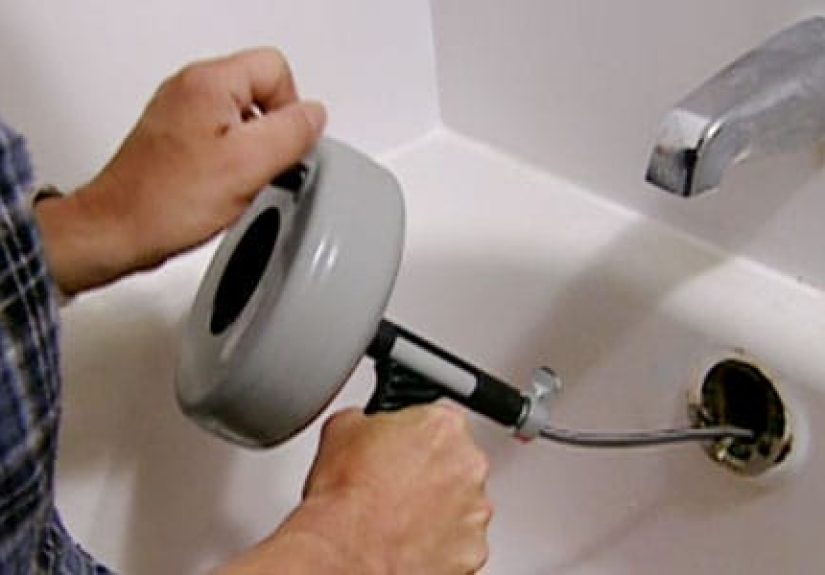
Step 5: Snake the drain
If the plunger did not solve it, it is time for the drain snake. For bathtubs, many pros prefer snaking through the overflow opening instead of directly through the bottom drain because the path is often straighter and gives better access to the clog.
Remove the overflow plate, then feed the snake into the overflow opening. Crank and push gently until you feel resistance. Work the cable back and forth to catch or break up the clog, then pull it out slowly. Be prepared for a revolting trophy. Run water to test the flow, and repeat if needed.
A small manual auger or plastic hair snake is usually enough for a standard bathtub drain. You do not need industrial equipment unless the blockage is much deeper or more stubborn than average.
Step 6: Consider a wet/dry vacuum for stubborn standing water
If the tub is badly backed up and you happen to own a wet/dry shop vacuum, it may help suck out the clog. Create as tight a seal as possible around the hose and drain opening with a wet rag, then vacuum briefly. This is not always necessary, but it can be surprisingly effective for soft blockages.
If you do not own a shop vac, do not run out and buy one just for this. A plunger and a basic snake solve most tub clogs just fine.
Common Mistakes That Make the Clog Worse
Using harsh chemical drain cleaners too early
Chemical drain openers are often treated like a shortcut, but they can create more problems than they solve. Some products are highly corrosive. They can splash, burn skin, irritate eyes, and leave dangerous liquid sitting in the pipe if the clog does not clear. They can also complicate the job for a plumber later.
Forgetting the overflow opening
If you plunge without sealing the overflow, you lose suction. If you snake only through the drain when the stopper assembly is in the way, you make life harder than it needs to be. Bathtub drains are sneaky that way.
Pushing the clog deeper
A straightened coat hanger can help, but only if you use it to pull debris out. Jamming random tools downward can compact the blockage farther into the pipe and turn a simple fix into a Saturday-long emotional journey.
Ignoring repeat clogs
If the same drain clogs again and again, something bigger may be going on. Recurring backups can point to a deeper line problem, a blockage beyond the trap, or buildup elsewhere in the plumbing system.
When to Call a Plumber
DIY is great. So is knowing when to stop. Call a plumber if:
- The tub still will not drain after hand removal, plunging, and snaking
- You hear gurgling from other fixtures
- The toilet bubbles when the tub drains
- You smell sewer odors
- Multiple drains in the home are slow at the same time
- Water backs up into another fixture
- You already poured a chemical cleaner into the drain and the clog remains
Those signs can suggest a deeper blockage in the branch line or even the main drain line. At that point, calling a pro is not giving up. It is just choosing not to duel your plumbing with a coat hanger and blind optimism.
How to Prevent Future Bathtub Drain Clogs
Use a drain cover
This tiny, inexpensive device may be the MVP of bathtub maintenance. A good drain cover catches hair before it enters the pipe, which is much nicer than meeting it later in blob form.
Clean the stopper regularly
Check the stopper and drain opening every week or two. Pull out visible hair before it builds a full apartment complex underneath.
Flush with hot water
Every so often, run hot water down the drain to help move soap residue along before it sticks around and becomes a problem.
Go easy on heavy bath products
Bath oils, rich scrubs, heavy conditioners, and thick shaving products can all contribute to buildup. You do not have to ban them from your bathroom, but using them with a little moderation can help.
Do light maintenance before the drain gets dramatic
Once a month, remove the stopper, clear away any visible hair, and give the drain a simple rinse. That small routine is much easier than panic-plunging five minutes before guests arrive.
Real-Life Experiences and Lessons From Clearing a Clogged Bathtub Drain
One of the most common bathtub-drain stories starts the same way: someone notices the tub draining a little slower, shrugs, and says, “That seems like a Future Me problem.” Future Me, unfortunately, is usually standing in cold bathwater three days later, wondering why the drain suddenly retired from active service.
Homeowners and renters alike tend to learn the same lesson: the easiest clog to remove is the one you catch early. A slow drain is not subtle. It is the pipe version of clearing its throat and asking for help. In many real-life cases, the problem is solved in under 15 minutes once the stopper comes out and the built-up hair is removed. The surprise is not that the clog was there. The surprise is how much of it was there. Nobody feels emotionally prepared for that amount of hair.
Another common experience is assuming a drain cleaner will solve everything instantly. It often does not. Many people pour in a chemical product, wait, run the water, and discover they still have a clog plus a drain full of harsh liquid they now do not want to touch. That is one reason the low-tech methods remain so useful. A simple plastic hair tool, a plunger, or a small snake often works better because it actually removes the blockage instead of trying to melt it into submission.
There is also the classic mistake of plunging without sealing the overflow. People work up a sweat, splash water everywhere, and then conclude that plungers are useless. Usually the tool is fine. The missing step is the seal. Once the overflow is covered, the plunger suddenly goes from decorative bathroom prop to actual problem solver.
Households with kids, pets, or long hair often discover that prevention matters more than any miracle fix. The people who have the fewest drain emergencies are usually not doing anything fancy. They use a drain cover, clean it regularly, and remove hair before it turns into a pipe monster. It is not glamorous advice, but neither is explaining to visitors why your bathtub sounds like it is swallowing marbles.
Another real-world lesson is knowing when the clog is not really a bathtub problem at all. If the toilet starts bubbling when the tub drains, or if multiple fixtures are slow, that can point to a larger blockage deeper in the plumbing. Plenty of people waste hours fighting the tub before realizing the issue is farther down the line. In those cases, calling a plumber sooner saves time, mess, and frustration.
The biggest takeaway from everyday drain battles is simple: start gentle, start smart, and escalate only when needed. Pull out what you can see. Flush with hot water. Use baking soda and vinegar for minor buildup. Plunge correctly. Snake through the overflow for tougher clogs. And if your bathroom starts sending signs that the problem is bigger than hair and soap scum, let a professional step in. Your weekend has suffered enough.
Conclusion
If you are wondering how to clear a clogged bathtub drain, the winning strategy is usually simple: remove the stopper, pull out visible hair, flush with hot water, try baking soda and vinegar, plunge with the overflow sealed, and snake the drain if needed. In other words, start with the easy stuff before declaring war on your plumbing.
Most bathtub drain clogs are fixable without harsh chemicals or expensive service calls. The trick is using the right method in the right order. And once the tub is draining properly again, a drain cover and a tiny bit of maintenance can keep the whole disgusting saga from becoming a sequel.