Table of Contents >> Show >> Hide
- What Makes a Recipe Truly Healthy?
- Healthy Recipe Building Blocks for Everyday Cooking
- Six Healthy Recipes Worth Repeating
- How to Make Healthy Recipes Taste Better
- Healthy Recipes for Busy People
- Common Mistakes That Make “Healthy” Recipes Less Healthy
- Healthy Recipes on a Budget
- Experiences With Healthy Recipes in Real Life
- Conclusion
- SEO Tags
Healthy recipes have come a long way from the old stereotype of sad lettuce, plain chicken, and the emotional support cucumber sitting alone on a plate. Today, healthy cooking is bigger, brighter, and much more delicious. It is not about punishment. It is about building meals that taste good, satisfy hunger, support energy, and make your body feel like it has been upgraded instead of grounded.
The best healthy recipes do not rely on magic powders or extreme food rules. They use real ingredients, smart balance, and cooking methods that let flavor show off a little. Think roasted vegetables that actually caramelize, grain bowls that are hearty instead of boring, soups that fill you up without weighing you down, and breakfasts that do more than wave hello before disappearing by 10 a.m.
In practical terms, healthy recipes usually include a mix of vegetables or fruit, quality protein, fiber-rich carbohydrates, and heart-friendly fats. They also tend to keep an eye on sodium, added sugar, and overly processed ingredients without acting like every potato is a personal enemy. When done right, healthy cooking is flexible, affordable, and realistic enough for weeknights, lunch boxes, meal prep, and those evenings when motivation is hanging on by a thread.
What Makes a Recipe Truly Healthy?
A healthy recipe is more than a low-calorie label wearing a halo. It should nourish, satisfy, and be realistic enough that someone might actually make it twice. The strongest recipes usually check a few important boxes.
1. It balances the plate
A good rule of thumb is to build meals with vegetables and fruits, whole grains or other high-fiber carbs, protein, and healthy fats. That balance can help with fullness, stable energy, and better overall nutrition. A bowl of plain pasta may be comforting, but add roasted broccoli, white beans, olive oil, garlic, and Parmesan, and now dinner has range.
2. It favors nutrient-dense ingredients
Healthy recipes make room for ingredients that bring more to the table than just calories. Beans, lentils, oats, leafy greens, berries, salmon, yogurt, eggs, nuts, seeds, brown rice, sweet potatoes, and whole grain breads all pull their weight. They deliver protein, fiber, vitamins, minerals, and healthy fats without needing a dramatic entrance.
3. It uses smarter cooking methods
Baking, roasting, steaming, grilling, air frying, sautéing with moderate oil, and simmering are all reliable options. These methods build flavor without turning every meal into a deep-fried plot twist. Seasonings matter too. Citrus, garlic, herbs, spices, vinegars, ginger, yogurt sauces, and tomato-based blends can create big flavor without leaning too hard on salt or sugar.
4. It is satisfying
The healthiest recipe on earth will not help much if it leaves you prowling the kitchen 30 minutes later looking for crackers, cookies, and emotional closure. Protein, fiber, and healthy fat help meals feel complete. That is why a salad with grilled chicken, chickpeas, avocado, and crunchy vegetables often works better than a bowl of greens with three lonely cucumber slices.
Healthy Recipe Building Blocks for Everyday Cooking
If you want better meals without reinventing your kitchen personality, focus on a handful of dependable building blocks.
Vegetables and fruits
Fresh is great, but frozen and canned can be just as useful. Frozen broccoli, spinach, berries, and stir-fry blends save time and reduce waste. Canned tomatoes, pumpkin, beans, and corn can turn a random pantry situation into dinner.
Protein that earns its spot
Chicken breast or thighs, salmon, tuna, eggs, tofu, edamame, Greek yogurt, cottage cheese, black beans, lentils, chickpeas, and turkey are excellent staples. Rotating animal and plant proteins adds variety and helps keep meals interesting.
Whole grains and fiber-rich carbs
Brown rice, quinoa, oats, farro, barley, whole wheat pasta, whole grain tortillas, and sweet potatoes all give recipes more staying power. Fiber is the quiet hero of healthy cooking. It supports fullness, digestion, and blood sugar balance while asking for very little attention.
Healthy fats
Olive oil, avocado, nuts, seeds, nut butters, and fatty fish help meals taste better and feel richer. They also make vegetables more appealing, which is helpful because nobody has ever said, “I wish this roasted cauliflower had less personality.”
Six Healthy Recipes Worth Repeating
Below are six healthy recipe ideas that are easy, practical, and good enough to keep in regular rotation.
1. Berry Greek Yogurt Breakfast Parfait
Why it works: This breakfast brings protein, fiber, and natural sweetness to the same party.
- 1 cup plain Greek yogurt
- 1/2 cup mixed berries
- 1/3 cup rolled oats or low-sugar granola
- 1 tablespoon chia seeds
- 1 tablespoon chopped walnuts
- Optional drizzle of honey
Layer everything in a bowl or jar. The yogurt provides protein, the berries add freshness, the oats bring texture, and the seeds and walnuts make it more filling. It feels a little fancy while requiring roughly the effort level of finding a spoon.
2. Veggie Egg Scramble Wrap
Why it works: Fast, high in protein, and flexible enough for busy mornings.
- 2 eggs
- 1 cup spinach
- 1/4 cup diced bell pepper
- 2 tablespoons salsa
- 1 small whole wheat tortilla
- 1 tablespoon shredded cheese or avocado
Sauté the vegetables, scramble in the eggs, then wrap everything in the tortilla. Add salsa and avocado for flavor. This is the kind of breakfast that helps you remember lunch is not supposed to arrive at 9:45 a.m.
3. Sheet-Pan Lemon Chicken and Vegetables
Why it works: Minimal cleanup, plenty of color, and a built-in portion of vegetables.
- 2 chicken breasts or thighs
- 2 cups broccoli florets
- 1 cup sliced carrots
- 1 red onion, chopped
- 2 tablespoons olive oil
- Lemon juice, garlic, black pepper, paprika, and herbs
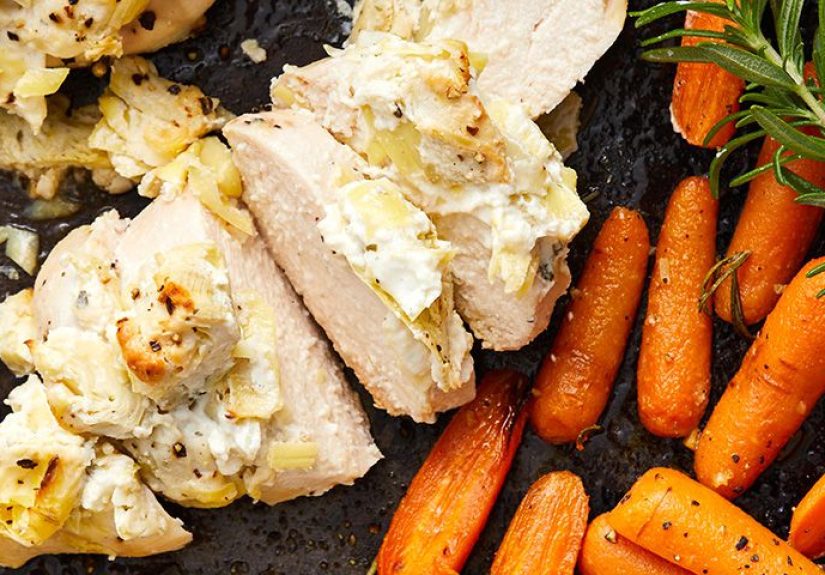
Toss vegetables with olive oil and seasonings, place chicken on the pan, and roast until cooked through. Serve with brown rice or quinoa. This recipe proves that healthy dinner can be both practical and deeply uninterested in dirtying five pans.
4. Salmon Quinoa Power Bowl
Why it works: It combines omega-3-rich fish, whole grains, and vegetables in one satisfying bowl.
- 1 salmon fillet
- 3/4 cup cooked quinoa
- 1 cup roasted Brussels sprouts or green beans
- 1/4 avocado
- Lemon-tahini or yogurt-herb sauce
Bake or pan-sear the salmon, then assemble over quinoa with vegetables and avocado. The result feels restaurant-level but can still happen on a Tuesday. That is the sweet spot.
5. Hearty Lentil Vegetable Soup
Why it works: Budget-friendly, high in fiber, and perfect for meal prep.
- 1 cup lentils
- 1 onion, chopped
- 2 carrots, diced
- 2 celery stalks, diced
- 1 can diced tomatoes
- Garlic, cumin, thyme, and low-sodium broth
Simmer until the lentils are tender. Add spinach at the end if you want extra vegetables. This soup is hearty enough to count as a real meal and humble enough not to brag about it.
6. Black Bean Taco Bowl
Why it works: Plant-based protein, fiber, and tons of flavor with very little fuss.
- 1 cup black beans
- 3/4 cup brown rice
- Shredded lettuce
- Diced tomatoes
- Corn
- Avocado
- Salsa and lime
Layer everything in a bowl and top with cilantro or plain Greek yogurt if you want a creamy finish. This is a reliable lunch or dinner that tastes bright, fresh, and never like a compromise.
How to Make Healthy Recipes Taste Better
Many people do not struggle with knowing what healthy food is. They struggle with making it appealing enough to beat takeout. Fortunately, flavor is not a mystery. It is usually a matter of contrast, seasoning, and texture.
Use acid and herbs
Lemon juice, lime, balsamic vinegar, red wine vinegar, parsley, basil, cilantro, dill, and green onion can wake up a meal fast. Acid makes vegetables taste brighter and richer foods feel balanced.
Roast instead of boil
Roasting coaxes sweetness and depth out of vegetables in a way boiling rarely does. Broccoli, cauliflower, carrots, Brussels sprouts, and sweet potatoes all improve when exposed to high heat and a little olive oil.
Keep texture in mind
Creamy plus crunchy is a winning formula. Try yogurt with nuts, soups with toasted seeds, salads with roasted chickpeas, or grain bowls with crisp cucumbers and cabbage slaw. Good texture makes a healthy recipe feel more complete and less like a homework assignment.
Healthy Recipes for Busy People
Healthy cooking gets much easier when you stop expecting every dinner to become a cinematic event. Simple systems work better than grand ambitions.
Batch-cook a few basics
Cook a pot of brown rice or quinoa, roast a tray of vegetables, prepare a protein, and keep a flavorful sauce in the fridge. Those four elements can become bowls, wraps, salads, soups, or quick side dishes throughout the week.
Use smart shortcuts
Pre-washed greens, frozen vegetables, rotisserie chicken, canned beans, microwaveable grains, and jarred salsa are not cheating. They are survival tools for real people with schedules, families, homework, jobs, and laundry that reproduces overnight.
Read labels without panic
You do not need to turn grocery shopping into detective work. Just compare a few options and look for products lower in sodium, added sugar, and saturated fat when possible. Whole grain breads, yogurt, sauces, cereal, and soups are good places to start.
Common Mistakes That Make “Healthy” Recipes Less Healthy
Some meals wear a healthy costume but tell a different story once they hit the plate.
- Oversized portions of healthy ingredients: Nuts, oils, granola, dried fruit, and cheese are nutritious, but they can pile up fast.
- Too little protein: A smoothie or salad without enough protein may leave you hungry sooner than expected.
- Hidden sodium: Bottled dressings, sauces, broths, deli meats, and restaurant-style soups can add more sodium than people realize.
- Too much added sugar: Flavored yogurts, snack bars, sweetened oatmeal, and sauces can turn a decent meal into dessert with a side of confusion.
- No plan for flavor: Healthy food that is bland often leads to less healthy snacking later. Season well from the start.
Healthy Recipes on a Budget
Eating well does not require boutique almond flour harvested under a full moon. Some of the most affordable healthy foods are pantry staples.
Beans, lentils, oats, eggs, canned tuna, brown rice, frozen vegetables, potatoes, peanut butter, yogurt, cabbage, carrots, and bananas all stretch well and support solid nutrition. A pot of chili, a lentil soup, egg fried brown rice with vegetables, or a bean-and-rice bowl can cost far less than takeout while offering more fiber and staying power.
Budget-friendly healthy recipes also reduce waste. Use leftover roasted vegetables in an omelet. Turn extra chicken into wraps. Blend overripe bananas into oatmeal or smoothies. Freeze soup portions before they become a sad science experiment in the back of the refrigerator.
Experiences With Healthy Recipes in Real Life
One of the most interesting things about healthy recipes is how differently people experience them once they move from nutrition advice to actual everyday life. On paper, a grain bowl sounds simple. In reality, it can become the meal that rescues a chaotic Wednesday, uses up half the refrigerator, and keeps someone from ordering fast food for the third time that week. That is part of what makes healthy cooking so valuable. It is not only about nutrients. It is about how food functions in real routines.
A lot of people first get serious about healthy recipes after reaching a breaking point. Sometimes it is low energy in the afternoon. Sometimes it is the rising cost of takeout. Sometimes it is the realization that breakfast has quietly become coffee plus optimism. Once they start making simple meals at home, the change is often less dramatic than a makeover show and more practical than that. They notice they feel fuller after meals with protein and fiber. They snack less aggressively at night. They stop viewing vegetables as garnish and start treating them as actual food.
Families often find that healthy recipes work best when they stop trying to make “diet food” and start making normal food with smarter ingredients and better balance. A parent might switch from refined pasta to whole wheat or bean-based pasta, add sautéed zucchini and spinach to the sauce, and serve fruit alongside dinner instead of always leaning on packaged desserts. Kids may resist at first because children can detect a nutritional agenda from fifty feet away, but repeated exposure, fun presentation, and good flavor usually help.
Busy professionals often have a different experience. For them, healthy recipes are less about culinary exploration and more about damage control. They need meals that can be made quickly, packed easily, reheated well, and eaten between meetings without creating chaos. Overnight oats, mason jar salads, turkey chili, sheet-pan dinners, and yogurt bowls become small acts of structure in a messy schedule. The win is not perfection. The win is having something ready before hunger starts making terrible decisions sound reasonable.
People also discover that healthy recipes can improve confidence in the kitchen. At first, cooking may feel intimidating, especially for someone used to restaurant meals or packaged food. But once they learn a few formulas, things click. Roast vegetables plus protein plus sauce equals dinner. Oats plus fruit plus nuts equals breakfast. Beans plus grains plus crunchy toppings equals lunch. That kind of confidence matters because it turns healthy eating from a plan into a habit.
Perhaps the most common experience is realizing that healthy recipes do not need to be joyless. In fact, the recipes people stick with are usually the ones that taste comforting, colorful, and familiar. A hearty soup, spicy taco bowl, roasted salmon, or creamy yogurt parfait does not feel like a punishment. It feels like food you would gladly eat again. And that, more than any trend, is what makes healthy recipes powerful: they fit into real life, one delicious, practical plate at a time.
Conclusion
Healthy recipes are not about chasing perfection or turning dinner into a moral test. They are about making everyday meals more balanced, more satisfying, and more enjoyable. The best ones combine vegetables, fruit, whole grains, protein, and healthy fats in ways that feel realistic and flavorful. They work for busy mornings, packed lunches, weeknight dinners, budget goals, and long-term wellness.
If you keep a few staples on hand and learn a handful of dependable meal formulas, healthy cooking becomes much easier. Start small. Upgrade one breakfast, one lunch, or one dinner this week. Add more color, more fiber, and more protein. Roast your vegetables. Use herbs like they have feelings. Build meals you actually want to eat. Healthy recipes are not supposed to make life smaller. They are supposed to help you live it better.