Table of Contents >> Show >> Hide
- What Is a Pomegranate French 75?
- Why This Is the Best Pomegranate French 75 Recipe
- Ingredients for a Pomegranate French 75
- Ingredient Breakdown: What Matters Most
- How to Make a Pomegranate French 75
- Pro Tips for the Best Flavor
- Homemade Pomegranate Syrup vs. Pomegranate Juice
- Best Glassware for a Pomegranate French 75
- Easy Variations to Try
- What to Serve With a Pomegranate French 75
- Can You Make It Ahead?
- Common Mistakes to Avoid
- Frequently Asked Questions
- Final Recipe Card
- Conclusion
- Experiences and Serving Moments: Why This Cocktail Sticks With People
- SEO Tags
If a classic French 75 is the cocktail equivalent of showing up in a crisp tuxedo, a Pomegranate French 75 is that same tuxedo with a velvet pocket square and just enough swagger to get compliments from strangers. It is bright, bubbly, citrusy, slightly tart, and beautifully ruby-tinted without drifting into syrupy party-punch territory. In other words, it tastes like celebration with better manners.
This guide walks you through how to make a Pomegranate French 75 that actually tastes balanced, not like someone dumped fruit juice into sparkling wine and hoped for the best. We will cover the best ingredients, the easiest method, common mistakes, fun variations, serving ideas, and a few real-world tips that can save your cocktail from becoming a sweet, fizzy science experiment.
What Is a Pomegranate French 75?
A Pomegranate French 75 is a festive twist on the classic French 75 cocktail. The traditional drink combines gin, fresh citrus, sweetness, and sparkling wine. The pomegranate version keeps that elegant structure but adds pomegranate juice or pomegranate syrup for deeper color, gentle fruitiness, and a tart-sweet edge that feels perfect for holidays, brunches, dinner parties, and any moment when water feels emotionally insufficient.
The beauty of this cocktail is contrast. Gin brings herbal sharpness. Lemon brightens everything. Pomegranate adds color and fruit without turning the drink into candy. Then sparkling wine swoops in and makes the whole thing feel expensive, even when you are making it in your kitchen wearing socks that absolutely do not match.
Why This Is the Best Pomegranate French 75 Recipe
There are plenty of ways to make this drink, but the best Pomegranate French 75 recipe comes down to one thing: balance. Some versions lean too tart. Others go so sweet they taste like New Year’s Eve lip gloss. This version lands right in the sweet spot by using enough pomegranate to give the drink character, enough lemon to keep it lively, and a modest amount of simple syrup so the sparkling wine still gets to shine.
It is also easy. No obscure liqueurs. No complicated infusions. No scavenger hunt across three specialty stores while questioning your life choices. Just a short list of ingredients, one shaker, and a chilled bottle of bubbly.
Ingredients for a Pomegranate French 75
For one cocktail
- 1 1/2 ounces gin
- 3/4 ounce 100% pomegranate juice
- 1/2 ounce fresh lemon juice
- 1/4 to 1/2 ounce simple syrup, to taste
- 2 1/2 to 3 ounces chilled brut Champagne or dry Prosecco
- Ice
- Lemon twist and pomegranate arils, for garnish
Optional upgrades
- Use homemade pomegranate syrup or quality grenadine for deeper flavor
- Add a rosemary sprig for a wintery aroma
- Use a floral gin for a softer, more aromatic drink
Ingredient Breakdown: What Matters Most
Gin
Gin is the backbone of the drink. A London dry gin gives you the most classic structure because its crisp juniper notes hold up well against lemon and sparkling wine. If you prefer a more modern, softer style, a botanical gin can make the cocktail feel rounder and more perfumed. The one thing you do not want is a gin so aggressive that it steamrolls the pomegranate.
Pomegranate Juice
Use 100% pomegranate juice, not a sugary juice blend pretending to be helpful. Pure juice gives the drink tartness, color, and a clean fruit flavor. If you use a sweetened version, reduce the simple syrup or your cocktail may drift from elegant to “adult fruit punch at a baby shower.”
Fresh Lemon Juice
Fresh lemon juice is non-negotiable here. Bottled lemon juice has a flat, harsh quality that makes cocktails taste tired. Fresh juice keeps the drink sharp and vivid, which is exactly what a French 75 should be.
Simple Syrup
Simple syrup sounds boring, but it is the referee that keeps the whole drink from becoming a citrus brawl. Start with 1/4 ounce if your pomegranate juice is naturally sweet. Move up to 1/2 ounce if your juice is especially tart or if you like a slightly softer sip.
Champagne or Prosecco
Dry sparkling wine is the move. Brut Champagne gives the cocktail a crisp, toasty finish, while dry Prosecco is fruitier and usually more budget-friendly. Either works well, but avoid sweet sparkling wines unless you enjoy your cocktails tasting like a celebration and a dessert menu collided.
How to Make a Pomegranate French 75
- Chill your glass. A flute or coupe works beautifully. A cold glass keeps the bubbles lively longer.
- Add the base ingredients to a shaker. Pour in the gin, pomegranate juice, lemon juice, and simple syrup.
- Fill with ice and shake. Shake for 15 to 20 seconds, until very cold.
- Strain into the glass. Fine-straining is optional, but it gives a cleaner look.
- Top with sparkling wine. Pour gently so you keep the bubbles instead of bullying them into submission.
- Garnish and serve. Add a lemon twist, a few pomegranate arils, or both.
Pro Tips for the Best Flavor
1. Keep Everything Cold
A French 75 is at its best when it is brisk and refreshing. Chill the sparkling wine thoroughly, use plenty of ice in the shaker, and serve the drink immediately. Warm bubbly is a fast route to sadness.
2. Taste Before You Top
If you are making this cocktail for the first time, taste the shaken base before adding the sparkling wine. That quick sip tells you whether it needs another tiny splash of syrup or lemon. Once the bubbles go in, adjustment becomes more annoying.
3. Do Not Overdo the Pomegranate
This is a Pomegranate French 75, not sparkling pomegranate juice with a suspicious splash of gin. Too much pomegranate muddies the classic bright structure. The best version lets the fruit enhance the cocktail, not hijack it.
4. Use a Gentle Hand With Garnish
Pomegranate arils look stunning, but a whole handful can be awkward in a flute. A few are plenty. Think chic accent, not edible gravel.
Homemade Pomegranate Syrup vs. Pomegranate Juice
If you want the easiest route, use pomegranate juice and simple syrup separately. It is quick, clean, and reliable. If you want a richer, more concentrated pomegranate flavor, make a simple pomegranate syrup by simmering equal parts pomegranate juice and sugar until dissolved, then cooling it completely.
The syrup version gives the cocktail a deeper ruby color and a slightly silkier feel. It is especially useful for parties because you can make it ahead of time and keep it chilled in the fridge. That means less last-minute chaos and fewer dramatic ice-related decisions when guests arrive.
Best Glassware for a Pomegranate French 75
A flute is the most traditional choice because it shows off the bubbles and the jewel-toned color. A coupe looks glamorous and a little old-school, which is always fun until someone waves their hands while talking and half the drink leaps out. If you are prioritizing aroma and a slightly more modern presentation, a small wine glass can actually work beautifully too.
Translation: use what you have, but make it cold and make it pretty.
Easy Variations to Try
Pomegranate Rosemary French 75
Add a tiny sprig of rosemary as garnish or use rosemary simple syrup. It brings a piney holiday aroma that works especially well in winter.
Pomegranate Cognac 75
Swap gin for cognac if you want a warmer, richer version. This feels more old-world and slightly rounder on the palate, with the fruit leaning into the spirit’s mellow depth.
Pomegranate Lime 75
Use fresh lime instead of lemon for a sharper, zippier finish. This version feels especially bright and refreshing if you are serving it at brunch or on a warmer day.
Low-Sugar Version
Use unsweetened pomegranate juice and keep the syrup at 1/4 ounce, or skip it entirely if your sparkling wine has a little fruitiness. Just be sure the drink still tastes balanced, not aggressively tart.
What to Serve With a Pomegranate French 75
This cocktail plays well with salty, creamy, and lightly sweet foods. It is excellent with baked brie, goat cheese crostini, smoked salmon, shrimp cocktail, roasted nuts, deviled eggs, and buttery pastries. It also works with brunch classics like quiche, scones, and fruit-forward desserts.
That balance of tart fruit, citrus, and bubbles makes it surprisingly flexible. It can dress up a holiday spread, brighten a brunch table, or make takeout eaten on the couch feel way fancier than it has any right to.
Can You Make It Ahead?
Yes, partially. You can mix the gin, pomegranate juice, lemon juice, and simple syrup several hours in advance and keep that base chilled in the refrigerator. When you are ready to serve, shake it with ice, strain, and top with sparkling wine.
Do not add the bubbly ahead of time unless your goal is a flat cocktail and a lesson in regret. Sparkling wine belongs in the glass at the very end.
Common Mistakes to Avoid
Using sweet sparkling wine
A dry sparkling wine keeps the cocktail crisp. Sweet bubbly can make the drink heavy and cloying.
Skipping the citrus
Pomegranate alone is not enough to create that classic French 75 brightness. The lemon is what keeps the drink fresh and snappy.
Adding too much juice
More juice is not always better. Too much pomegranate makes the cocktail lose its elegant backbone and start behaving like a spritz.
Under-chilling the ingredients
Temperature matters. A lukewarm sparkling cocktail is not festive. It is just confusing.
Frequently Asked Questions
What alcohol is in a Pomegranate French 75?
Most versions use gin, though cognac is also a classic French 75 option. For a pomegranate version, gin is usually the cleanest and brightest match.
Can I use grenadine instead of pomegranate juice?
Yes, but reduce the simple syrup because grenadine adds sweetness. A quality grenadine made from pomegranate will give deeper flavor than the neon-red supermarket stuff that tastes like melted lollipops.
Is Champagne required?
No. Brut Champagne is lovely, but a dry Prosecco or cava also works. The key is choosing something crisp, not sugary.
Can I make a nonalcoholic version?
Absolutely. Use a zero-proof gin alternative, fresh lemon juice, pomegranate juice, and top with nonalcoholic sparkling wine or sparkling water. It will not be identical, but it will still be bright, refreshing, and festive.
Final Recipe Card
Best Pomegranate French 75 Recipe
Yield: 1 cocktail
Prep time: 5 minutes
- 1 1/2 ounces gin
- 3/4 ounce 100% pomegranate juice
- 1/2 ounce fresh lemon juice
- 1/4 ounce simple syrup, plus more if needed
- 2 1/2 to 3 ounces chilled brut Champagne or dry Prosecco
- Lemon twist
- Few pomegranate arils
- Chill a flute or coupe glass.
- Add gin, pomegranate juice, lemon juice, and simple syrup to a shaker filled with ice.
- Shake until well chilled, about 15 to 20 seconds.
- Strain into the glass.
- Top gently with sparkling wine.
- Garnish with a lemon twist and a few pomegranate arils. Serve immediately.
Conclusion
The best Pomegranate French 75 recipe is not the one with the longest ingredient list or the fanciest bottle. It is the one that respects the bones of the classic cocktail while letting pomegranate bring color, brightness, and just enough drama. Use good gin, real lemon juice, dry sparkling wine, and a restrained amount of sweetness, and you will end up with a drink that feels festive, elegant, and surprisingly easy to make.
Whether you pour it for a holiday party, New Year’s Eve, Valentine’s Day, brunch, or a random Tuesday that needed better lighting and bubbles, this cocktail earns its place. It is pretty, balanced, and just showy enough to make people think you really have your life together. No need to correct them.
Experiences and Serving Moments: Why This Cocktail Sticks With People
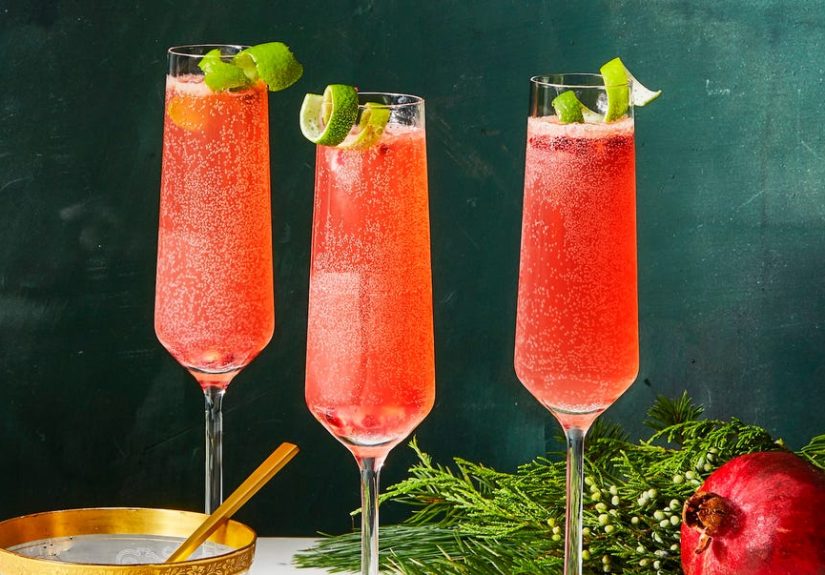
One reason the Pomegranate French 75 gets such strong reactions is that it does more than taste good. It creates a moment. The first thing people notice is the color. It lands in the glass somewhere between jewel tone and sunset, especially when the sparkling wine catches the light. That visual punch matters more than most recipes admit. Before anyone even takes a sip, the drink already feels festive. It looks like an occasion. And when a cocktail looks like an occasion, people tend to slow down, smile more, and suddenly become very interested in taking photos of their own hands.
There is also something memorable about the first sip. You get bubbles first, then citrus, then that subtle dark-fruit note from the pomegranate. It feels crisp and celebratory, but it still has depth. That is why this drink works in so many settings. At brunch, it feels brighter and more grown-up than a mimosa. At a holiday party, it fits right in next to cheese boards, pastries, and little appetizers that cost too much to assemble but disappear in six minutes anyway. At dinner, it works as an aperitif because it wakes up the palate instead of flattening it.
Another experience people love is how adaptable the drink feels. Some cocktails are fussy and demand a very specific mood, outfit, and soundtrack. This one is easier to live with. You can make it for a date night and it feels elegant. You can make it for a group and it feels cheerful. You can make it when you are cooking for friends and want something impressive that does not require a degree in bartending. It gives “I made an effort” without screaming “I spent three hours making rosemary smoke clouds in my kitchen.”
It also tends to be a conversation starter. Plenty of guests know what a French 75 is, but the pomegranate twist makes people curious. They ask what is in it. They ask whether it is Champagne or Prosecco. They ask whether the sweetness comes from juice or syrup. In other words, the drink does some social heavy lifting. That is a nice bonus at gatherings where not everyone knows one another, or where your uncle has already started telling the same story for the third holiday in a row.
Then there is the seasonal factor. Pomegranate naturally feels wintry and celebratory, but the drink is not locked into December. In late fall and winter, it feels cozy and dramatic. In spring, it feels fresh and floral if you use a more botanical gin. Around Valentine’s Day, it practically markets itself. For New Year’s Eve, it is a clear overachiever. Yet it can still work in warmer months because the structure is so citrus-forward and sparkling. That flexibility is a huge part of its charm.
Most importantly, the experience of making it is genuinely pleasant. The ingredient list is short. The method is simple. The payoff is immediate. Shake, strain, top, garnish, done. There is no long steeping process, no complicated foam, no egg white drama, no blender noise that sounds like a lawn tool. Just a polished cocktail with real personality. That is why so many people end up making it again after the first round. It is not just that the drink tastes great. It is that the entire experience feels easy, celebratory, and just a little bit glamorous in the best possible way.