Table of Contents >> Show >> Hide
- Why This Recall Became a Big Deal So Quickly
- What the FDA Actually Found
- Kroger’s Role in the Expanded Recall
- Other Major Retailers Caught in the Recall Wave
- Why “Radioactive” Headlines Need Context
- What Consumers Should Do Right Now
- What This Recall Says About Food Safety in 2025
- Experience: What a Recall Like This Feels Like for Real People
- Final Takeaway
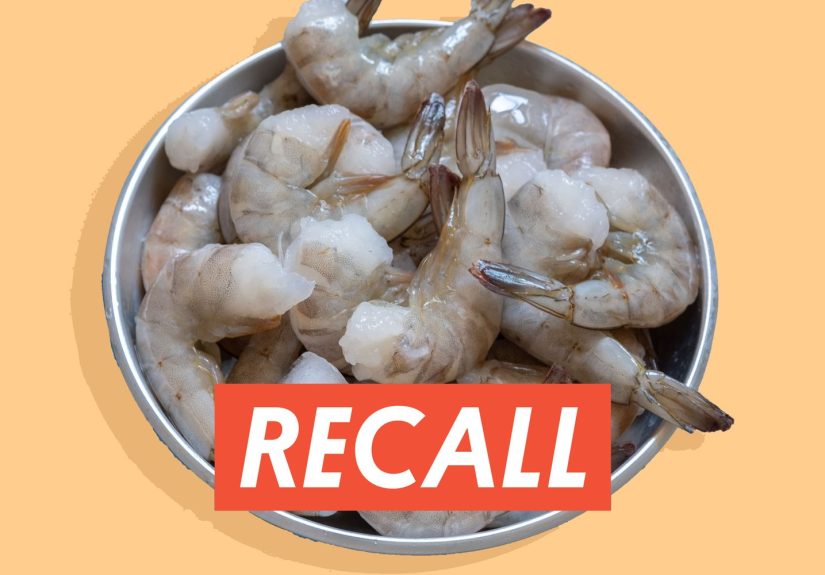
There are food recalls, and then there are food recalls with a movie-trailer title. “Radioactive shrimp” sounds like the seafood aisle wandered into a science-fiction sequel, but the underlying issue was serious: U.S. regulators and seafood distributors moved to pull multiple shrimp products after concerns tied to cesium-137, a radioactive isotope. As the recall expanded, Kroger-branded items joined earlier warnings tied to Walmart and Southwind Foods products, and the map of affected states grew from a limited list to a nationwide-looking patchwork across dozens of states.
For shoppers, the headline was startling. For regulators, it was a traceability and exposure problem. And for retailers, it was a freezer-by-freezer cleanup job. The recall involved shrimp processed by PT. Bahari Makmur Sejati, also known as BMS Foods, in Indonesia. The FDA said no product that actually tested positive for cesium-137 entered U.S. commerce, but it still treated implicated shrimp as a safety concern because of possible exposure during processing, packing, holding, or shipment. In plain English: the government was not waiting around for a worse headline.
Why This Recall Became a Big Deal So Quickly
The reason this story snowballed is simple. Shrimp is sold under multiple brands, through multiple distributors, in multiple retail chains, and across multiple states. Once the FDA and Customs and Border Protection began investigating reports of cesium-137 in shipping containers and one detained shrimp sample, the issue stopped being one company’s headache and became a supply-chain puzzle with a very expensive answer.
Early in the recall cycle, FDA warnings centered on specific Great Value raw frozen shrimp sold at Walmart. Then the net widened to Southwind Foods products in several states. After that, AquaStar recalls pulled in Kroger Mercado cooked shrimp and cocktail shrimp. From there, the recall expanded again to include additional Kroger-labeled products and shrimp cocktails, with distribution spanning more than 30 states. In other words, this was not a one-bag mistake. It was a rolling recall that exposed how one overseas supplier can ripple through America’s biggest grocery names.
That matters because consumers do not shop by importer. They shop by store brand, size, price, and whether dinner can be on the table before anyone starts asking what’s for dessert. So when a recall jumps from one private label to several, it becomes harder for shoppers to know whether the bag in their freezer is harmless or part of the problem.
What the FDA Actually Found
The FDA said the trigger for the advisory was detection of cesium-137 in shipping containers at four U.S. ports and confirmation of cesium-137 in one sample of breaded shrimp that never entered the marketplace. The agency emphasized that the detected level was below its intervention threshold for acute hazard. That point matters, because a lot of consumers heard the word “radioactive” and understandably pictured a glowing shrimp cocktail doing something rude under the fridge light.
But the agency’s concern was different. Regulators said the larger issue was longer-term, repeated low-dose exposure. The FDA warned that the primary health concern from repeated exposure could be an elevated risk of cancer due to DNA damage. Public-health agencies have also described cesium-137 as a man-made radioactive material associated with increased cancer risk at meaningful exposures. So while this was not framed as an immediate mass-poisoning event, it was also not a shrug-and-keep-dipping situation.
The FDA also stressed an important detail that got lost in some of the splashier headlines: as of its public advisories, no product that tested positive or triggered an alert for cesium-137 had entered U.S. commerce. That sounds reassuring, and it is, but it is only half the story. The other half is that the agency still considered certain related products unsafe enough to recommend recall because they appeared to have been handled under conditions that could allow contamination. In food regulation, “maybe contaminated” is not a phrase anyone wants on the label.
Kroger’s Role in the Expanded Recall
The Kroger piece of the recall made the story feel much larger because Kroger is not just one storefront with one sign. Its network includes a long lineup of regional banners and affiliated supermarket chains. As the recall expanded, affected shrimp products were sold under Kroger or through stores including Baker’s, City Market, Dillons, Food 4 Less, FoodsCo, Fred Meyer, Fry’s, Gerbes, Jay C, King Soopers, Kroger, Mariano’s, Metro Market, Pay Less Supermarkets, Pick ’n Save, Ralphs, Smith’s, and QFC.
That is the kind of list that makes a shopper stop mid-scroll and think, “Well, great, now I need to check every freezer bag I own and possibly my neighbor’s.” The recalled items tied to the Kroger expansion included raw shrimp, cooked shrimp, shrimp skewers, and shrimp cocktail-style products. Some of the products had best-by dates reaching into 2027, which is another reason recall notices like this matter. Frozen food does not disappear just because the news cycle does.
For consumers, the lesson is painfully practical: frozen does not mean forever exempt from risk, and “best by” is not the same as “absolutely safe under every circumstance.” When a recall involves seafood, private labels, and a long shelf life, the only smart move is to compare UPCs, lot codes, and best-by dates with the official recall information and then either return the product or throw it away.
Other Major Retailers Caught in the Recall Wave
Kroger was the eye-catching expansion point, but it was hardly alone. The earlier phase of the recall involved Great Value frozen shrimp sold at Walmart. Southwind Foods, meanwhile, recalled multiple frozen shrimp products sold to retailers, distributors, and wholesalers in an expanding list of states. AquaStar also recalled cocktail shrimp and other products tied to the same Indonesian processor.
This multi-company pattern is exactly why recall stories can escalate from niche to national overnight. Once investigators connect separate private-label products to a shared processor or supply-chain node, the problem stops looking like a store-level hiccup and starts looking like a distribution web. That is what happened here. Brand names changed, package designs changed, and store aisles changed, but the supply-chain origin kept pointing back to the same place.
There is another takeaway here too: store brands are not second-tier products hiding in plain sight. They are major business lines. A recall involving Kroger or Walmart private-label shrimp is not a small, regional inconvenience. It is a headline because millions of shoppers buy these items precisely because they are affordable, widely available, and easy to grab on autopilot.
Why “Radioactive” Headlines Need Context
Let’s talk about the scariest word in the room. “Radioactive” grabs attention because it sounds catastrophic, but context matters. Cesium-137 is a real public-health concern, not clickbait confetti. At the same time, the FDA’s own explanation was more nuanced than many headlines. The agency did not describe the detected level in the detained shipment as an acute hazard. Instead, it focused on reducing the risk of cumulative, long-term exposure.
That distinction should shape how people understand this recall. It is serious without being apocalyptic. The smartest response is not panic-buying canned beans and declaring war on shrimp tacos forever. The smartest response is to check product details, follow recall guidance, and avoid consuming implicated shrimp products. That is boring advice, which is often how you can tell it is good advice.
The recall also became a reminder that public health communication has to do two jobs at once: warn people clearly and avoid inflaming confusion. If the message is too soft, consumers ignore it. If it is too dramatic, they tune out the next warning or assume everything in the freezer aisle is auditioning for a disaster documentary. The best interpretation sits in the middle: take it seriously, but take it accurately.
What Consumers Should Do Right Now
Check the freezer, not just the headline
If you bought frozen shrimp from Kroger, a Kroger-affiliated chain, Walmart, or another affected retailer during the recall period, inspect the package. Match the brand, product description, lot code, UPC, and best-by date against official recall notices. A package that looks familiar is not enough. Recalls live and die on numbers.
Do not taste-test your luck
If the product matches the recall, do not cook it “just to be safe,” and do not assume heat solves every problem. Follow the recall instructions: dispose of it or return it for a refund. This is not the time for kitchen improvisation or the old family rule that butter fixes everything.
Keep the packaging until you verify it
Consumers often toss outer bags and store shrimp in separate containers. That makes recall verification much harder. If you still have original packaging, keep it until you confirm the product is unaffected. If you do not, check your store loyalty account, digital receipts, or retailer purchase history.
Call a healthcare provider if exposure is a serious concern
The FDA’s advice was clear that people worried about possible elevated exposure should speak with a healthcare provider. That does not mean every shopper who ever bought shrimp needs a dramatic medical sprint. It means people with relevant concerns should ask a real professional instead of letting social media diagnose them in the comments section.
What This Recall Says About Food Safety in 2025
This story was not only about shrimp. It was about how modern food systems work. One overseas processor, one contamination concern, one chain of import alerts, and suddenly a problem touches multiple brands, coast-to-coast stores, and a long list of private-label products. That is the reality of global grocery retail: convenience for consumers depends on complexity behind the curtain.
The FDA’s response also showed how regulators now use multiple tools at once: port screening, laboratory analysis, recall coordination, public advisories, and import alerts designed to keep future product from entering the country. In this case, the agency said it added the Indonesian processor to an import alert and continued working with authorities to investigate the root cause. That is not flashy, but it is the backbone of how food safety enforcement works when the source is outside the United States.
Retailers have their own lesson here. Fast, visible recall execution matters. Pull the product, notify customers, refund quickly, and communicate clearly. The longer a recall sits in bureaucratic limbo, the more likely consumers are to lose trust, not just in one shrimp bag but in the brand on the store sign.
Experience: What a Recall Like This Feels Like for Real People
For the average shopper, a recall like this does not begin in a laboratory. It begins in a very ordinary place: standing in the kitchen, freezer door open, wondering why a bag of shrimp suddenly feels like a chemistry exam. Maybe you bought it weeks ago for a quick pasta night. Maybe it was supposed to become tacos on Friday. Maybe it was the emergency “I forgot to plan dinner” backup meal every household secretly worships. Then a news alert lands, and your convenient little dinner plan becomes a scavenger hunt for lot codes.
That experience is more stressful than people admit. Food recalls interrupt routine. They create doubt around products people buy precisely because they are familiar. Frozen shrimp is the sort of item people trust to sit quietly in the freezer until needed. When that trust breaks, even briefly, shoppers start questioning other products too. Was that bag from Kroger or another chain? Did I buy the cooked one or the raw one? Do I still have the package? Suddenly dinner is not dinner anymore. It is detective work.
For parents, the feeling is often frustration mixed with guilt, even when they did nothing wrong. They are not just checking the product for themselves. They are thinking about what they served their kids, what is still in the freezer, and whether they missed a detail in the label. That mental load is real. Food recalls always carry a practical inconvenience, but when the word “radioactive” enters the chat, the emotional volume goes way up.
Restaurant workers and small food businesses experience the problem differently. For them, a recall is not just a household nuisance. It can be a service disruption, a waste cost, a supplier headache, and a trust issue with customers who want answers immediately. Kitchen managers have to track stock, isolate affected items, call distributors, revise menus, and explain changes to staff before the dinner rush begins. Nobody wants to tell a customer that the shrimp special vanished because of a cesium-137 advisory, but that is the kind of sentence 2025 decided to make possible.
Grocery employees feel the strain too. They are the people answering panicked questions in the aisle, pulling products from freezers, posting notices, processing refunds, and trying to separate verified recall information from rumor. In big recall events, frontline workers become accidental crisis communicators. One shopper wants reassurance. Another wants a refund without a receipt. Someone else insists the media is exaggerating. The employee standing next to the seafood case gets all of it.
Even for calm, informed consumers, the experience can linger. Once you have checked one recalled product against a UPC and best-by date, you tend to look at the freezer a little differently. You start keeping packaging longer. You save receipts. You sign up for store alerts. In that sense, recalls change behavior long after the product is gone. They teach people that food safety is not just something handled by faceless agencies in Washington. It becomes personal the moment your planned weeknight dinner ends up in the trash.
That may be the most relatable lesson of this entire shrimp saga. Behind every headline, import alert, and press release is a regular person holding a bag, reading tiny numbers, and trying to decide whether dinner is still on. Food recalls may start with science and regulation, but they are experienced in kitchens, checkout lanes, restaurant prep rooms, and family meal plans. That is why clear communication matters so much. When the facts are strange, the instructions need to be simple.
Final Takeaway
The “radioactive shrimp recall” may sound sensational, but the real story is about food-safety systems doing exactly what they are supposed to do when a contamination concern appears in a complex supply chain. The recall expanded to Kroger and other major retailers because regulators and distributors followed the paper trail, not because shrimp suddenly became a comic-book villain. For consumers, the practical lesson is straightforward: check your freezer, match the codes, and do not eat recalled products. For the food industry, the lesson is even bigger: in a national retail network, one supplier problem can become everyone’s problem fast.