Table of Contents >> Show >> Hide
- Why Weathered Metal Looks So Good in the Garden
- Copper Patina vs. Rust: Same Drama, Different Behavior
- Are Metal Container Gardens Safe for Plants?
- How to Build a Container That Looks Great and Grows Well
- Best Plants for Copper Patina and Rust Container Gardens
- Design Ideas That Make Weathered Containers Shine
- Maintenance Tips for Long-Lasting Beauty
- Common Mistakes to Avoid
- The Real Magic of Copper Patina and Rust Container Gardens
- Real-World Experiences With Copper Patina and Rust Container Gardens
- Conclusion
If shiny new planters are the clean white sneakers of the gardening world, copper patina and rust container gardens are the broken-in leather boots. They have character. They tell a story. They look like they belong in the garden instead of like they just arrived five minutes ago from a warehouse with too much bubble wrap. Better yet, they can make flowers, herbs, grasses, and trailing vines look richer, moodier, and far more intentional.
The trick is knowing the difference between beautifully weathered and quietly falling apart. Copper patina is not the same thing as destructive rust. A rusty-looking planter is not always a bad idea, but it is not always a forever home for plants either. And while the romance of aged metal is real, roots still care about practical things like drainage, heat, soil, and enough elbow room to stretch out.
This guide breaks down how to design, plant, and maintain container gardens that feature aged copper finishes, rusted metal, and weathered steel. The goal is simple: help you create containers that look soulful and dramatic without accidentally cooking your petunias or drowning your rosemary.
Why Weathered Metal Looks So Good in the Garden
There is a reason gardeners keep falling for copper patina and rust container gardens. Weathered metal has depth. Fresh copper starts warm and glowing, then shifts through browns before settling into that familiar blue-green patina that looks like it studied abroad and came back with stories. Rusted iron and weathering steel, meanwhile, offer earthy reds, cinnamon browns, and rough matte textures that make foliage colors pop.
That visual contrast matters. Silver foliage looks brighter against rusty steel. Deep purple leaves feel moodier in aged copper pots. Lime green vines seem almost electric when they tumble over a planter with a burnished orange-brown finish. In other words, the planter is not just a container. It is part of the composition.
Weathered metal also works with a wide range of styles. Want a cottage garden vibe? Use a softly tarnished copper pot with ferns and trailing ivy. Want a modern courtyard? Line up weathering steel cubes with architectural grasses. Want something that says, “I have excellent taste and maybe also a vintage wheelbarrow”? A reclaimed rusty planter can absolutely do that.
Copper Patina vs. Rust: Same Drama, Different Behavior
Here is where aesthetics meet science. Copper and iron do not age the same way. Copper patina forms as copper weathers and develops a tightly adhering surface layer. Over time, that finish becomes part of copper’s appeal and helps protect the metal beneath. That is why copper roofs, gutters, and decorative architectural details can age so gracefully.
Rust, on the other hand, is the diva cousin who shows up, flakes dramatically, and keeps exposing fresh metal underneath. On ordinary iron or steel, rust is not a stable, protective finish in the same way copper patina is. It can continue eating away at the container if moisture lingers and the material is thin. That means a rusty planter can be charming, but it may also be living on borrowed time.
There is one important exception: weathering steel, often used in modern landscape design. This material is designed to develop a stable-looking rust patina under the right conditions. But even weathering steel performs best when water does not sit on it constantly. If debris and moisture accumulate, that protective surface can fail to develop properly. Translation: “rusty chic” still needs decent drainage and a little common sense.
Are Metal Container Gardens Safe for Plants?
Usually, yes, with a few smart precautions. Most concerns with metal planters are not dramatic poison-movie problems. They are boring-but-important garden issues such as heat, drainage, and longevity. Metal containers can absorb and reflect heat, especially in full sun. That can warm the soil faster, dry it out more quickly, and stress roots during hot spells.
For that reason, copper patina and rust container gardens often perform best when you match the planter to the site. A sun-baked patio in July is a different beast from a shaded porch. In very hot locations, use larger containers, water more consistently, and consider plant choices that can handle warm root zones. Grouping pots together, giving them some afternoon shade, or using an inner nursery pot inside the decorative metal shell can also help.
If you are growing edibles, be extra thoughtful. Copper is a micronutrient, but too much copper buildup in soil is not a great long-term goal. That does not mean a copper-toned planter is automatically a problem. It does mean you should avoid using harsh DIY patina chemicals, avoid unnecessary copper additives, and use good potting mix that gets refreshed regularly. For vegetables and herbs, many gardeners prefer liners or insert pots inside decorative metal containers. It is a tidy compromise between style and caution.
How to Build a Container That Looks Great and Grows Well
1. Start with drainage, because roots hate soup
No matter how pretty the planter is, if it does not drain, it is basically a decorative bathtub for roots. All containers need holes or slits near the bottom unless you are specifically making a bog or water-loving planting. If the container has no hole, drill one. Then raise the pot slightly with feet, bricks, or scrap lumber so water can exit freely instead of pooling underneath.
Also, skip the old “rocks in the bottom” trick. It sounds smart. It feels smart. It is not smart. In containers, gravel or shards at the bottom do not improve drainage the way people imagine. They can actually keep water perched higher in the potting mix. Your plants are not impressed by myths, so give them real drainage instead.
2. Use potting mix, not garden soil
Garden soil is wonderful in the ground and notoriously cranky in containers. It compacts too easily, drains poorly, and can smuggle in weeds, pests, and diseases. Use a quality potting mix that stays airy enough for roots while holding moisture evenly. In metal containers, that balance matters even more because temperature swings and faster drying can stress plants.
3. Think bigger than you think you need
A tiny rusty bucket with one trailing annual can be adorable. A tiny rusty bucket holding a hungry tomato plant is a recipe for horticultural chaos. Larger containers buffer temperature swings, hold moisture longer, and give roots more room. They are more forgiving, which is a polite gardening way of saying they let you make more mistakes before the plants file complaints.
4. Consider double potting
Double potting is a useful trick for copper patina and rust container gardens. You grow the plant in a simple inner pot with proper drainage, then slip that pot into a larger decorative metal container. This approach makes watering easier, reduces direct contact between roots and metal walls, and lets you swap seasonal displays without wrestling a full container like you are auditioning for a strongman contest.
Best Plants for Copper Patina and Rust Container Gardens
Aged metal containers look best when the planting echoes their texture and color instead of fighting with it. One classic design method is the thriller, filler, spiller formula: a tall focal plant, a mounding middle plant, and a trailing plant that softens the edge. It is popular because it works, and because most gardeners enjoy a formula that still leaves room for creative showing off.
Great plant partners for copper tones
- Blue fescue, lavender, and artemisia: cool-toned foliage that plays beautifully with warm copper.
- Heuchera in caramel, plum, or bronze shades: perfect for echoing the metal’s changing colors.
- Sweet potato vine: chartreuse or dark purple varieties create strong contrast.
- Trailing ivy or dichondra: softens rigid metal edges and adds movement.
- Ferns: especially elegant in shaded, patina-style containers.
Great plant partners for rusted and weathering steel planters
- Ornamental grasses: upright, airy, and right at home in rustic or modern settings.
- Sedum and succulents: ideal for a dry, sculptural look.
- Coleus and canna: bold foliage that can stand up to the planter’s strong visual presence.
- Lantana, calibrachoa, and petunia: long-blooming spillers that soften the hard lines.
- Herbs like thyme, sage, and rosemary: especially good in sunny containers with sharp drainage.
Try to match plant needs within each container. Do not pair a thirsty fern with a sun-loving succulent unless you enjoy botanical hostage situations. Color, texture, and shape matter, but shared light and water needs matter more.
Design Ideas That Make Weathered Containers Shine
Use repetition
A row of weathered containers is usually more powerful than one lonely pot trying to carry the whole patio. Repeating the same finish across different shapes creates cohesion. Repeating one plant color through several containers makes the whole space feel designed instead of improvised during a caffeine emergency.
Mix refined and rough textures
Copper patina looks beautiful beside clipped boxwood, delicate ferns, or smooth-leaved tropicals. Rusted steel pairs well with gravel, stone, wood, and feathery grasses. The contrast between polished plant forms and rough metal surfaces is what gives these gardens their tension and charm.
Let the planter set the mood
A coppery urn can feel formal and elegant. A rusted wheelbarrow feels playful and nostalgic. A square weathering steel planter feels modern and architectural. Before choosing plants, decide what story the container should tell. Is it romantic? Industrial? Cottagey? Moody? Slightly dramatic in a good way? Let that guide your palette.
Maintenance Tips for Long-Lasting Beauty
To keep copper patina and rust container gardens looking intentional instead of neglected, check them a few times each season. Make sure drainage holes stay open. Empty saucers if water sits too long. Refresh potting mix as it breaks down. If metal planters sit directly on wood decking or stone, remember that runoff can stain surfaces.
Resist the urge to over-clean aged finishes. Patina is the point. You want character, not a planter that looks like it just got buffed for a trade show. On the other hand, if a rusty container is thinning, cracking, or dropping flakes like a croissant, move that plant into a sturdier vessel before the whole arrangement collapses mid-summer.
In colder climates, metal planters can freeze and thaw quickly. Raising them slightly off the ground helps drainage and may reduce winter wear. Tender plants in decorative metal pots may also need extra protection or a temporary move indoors, depending on the material, the plant, and the severity of winter weather.
Common Mistakes to Avoid
- Using a metal container with no drainage hole and hoping for the best.
- Adding rocks at the bottom instead of fixing drainage properly.
- Growing water-hungry plants in a tiny container on a blazing patio.
- Choosing a rusted container so thin that it is one rainstorm away from retirement.
- Using aggressive homemade patina treatments on containers meant for edibles.
- Ignoring how hot metal can get in direct summer sun.
The Real Magic of Copper Patina and Rust Container Gardens
The beauty of copper patina and rust container gardens is not just that they look old. It is that they make the garden feel layered, lived-in, and a little more human. They bring time into the design. Flowers bloom for a season, but weathered metal shows what happens when materials age with grace, or at least with enough charm that we forgive them for being high-maintenance.
Done well, these containers become more than plant holders. They become anchors. They make a porch feel curated, a patio feel warmer, and a corner of the yard feel discovered rather than installed. When you combine smart drainage, appropriate plants, and the right site, aged metal containers can be both practical and gorgeous. That is a rare combination in gardening, right up there with “I remembered to water everything” and “the deer left my favorite plant alone.”
Real-World Experiences With Copper Patina and Rust Container Gardens
One of the most interesting things about growing in weathered metal containers is how differently they behave over time. Gardeners often start with the finish because that is what catches the eye, but they stay interested because the planter keeps changing. A copper container placed on a front porch in spring can look almost polished after planting day, then by late summer it picks up deeper browns, uneven shading, and the first hints of soft patina. That slow shift makes the container feel alive in a way that painted resin rarely does.
Many people also notice that plant colors change depending on the metal around them. Deep burgundy coleus, for example, can look nearly black in a plain pot, but in a weathered copper planter it suddenly reads as velvety and rich. Chartreuse sweet potato vine becomes brighter against rusted steel than it does in terracotta. Even simple green ferns can look far more dramatic in a blue-green patina pot because the container acts almost like a picture frame.
There are practical lessons, too. A common experience is discovering that a dark or metal container that seemed harmless in May becomes much hotter by July. Soil dries faster than expected, especially on patios surrounded by stone or concrete. Gardeners who succeed with these containers usually end up adjusting their routine: watering earlier in the day, moving a pot to get afternoon shade, or using a larger inner liner pot to protect roots. Once those tweaks are made, the containers usually become easier to manage.
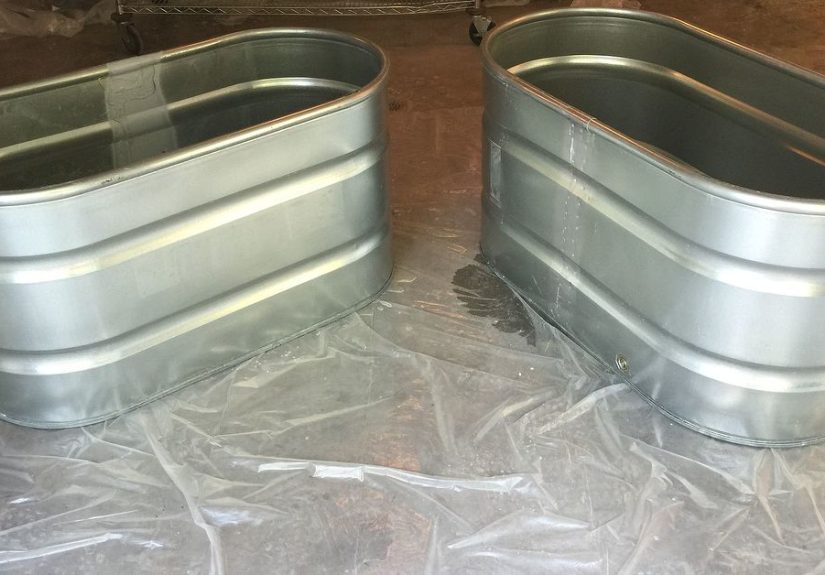
Another frequent lesson comes from drainage. People love antique tubs, old buckets, and reclaimed metal pieces because they have personality. But the difference between charming and tragic is often one drilled hole. Gardeners who have tried both usually say the same thing: the moment you stop treating drainage like an optional extra, your container gardens improve. Plants grow fuller, roots stay healthier, and the whole arrangement lasts longer into the season.
There is also a certain satisfaction in embracing a little imperfection. A rusted planter may streak after rain. A copper pot may darken unevenly. One side may weather faster than the other. Instead of ruining the display, those variations often make it better. In real gardens, perfection can look stiff. Patina and rust add softness, depth, and history. They make the space feel collected rather than mass-produced.
For many gardeners, the best experience comes in autumn, when weathered metal and seasonal planting finally hit their peak together. Rust tones echo dried grasses and seed heads. Copper looks richer next to mums, ornamental kale, and trailing ivy. The containers stop feeling like accessories and start feeling like part of the season itself. That is usually the moment people realize they are not just planting flowers in pots anymore. They are using materials, color, texture, and age to build atmosphere.
And honestly, that is the real joy of copper patina and rust container gardens. They reward observation. They teach patience. They remind you that a garden can be beautiful not only when everything is fresh and blooming, but also when things are weathering, softening, and finding their own version of maturity. Which, if we are being fair, is also what many of us hope to do.
Conclusion
Copper patina and rust container gardens offer more than a trendy finish. They bring mood, contrast, and a sense of age that can elevate almost any outdoor space. The secret is pairing that weathered beauty with sound container-gardening practice: real drainage, proper potting mix, smart plant selection, and a little respect for how metal handles heat and moisture. Get those basics right, and your containers will not just survive. They will look like they have been stealing the show for years.