Table of Contents >> Show >> Hide
- How One Painted-Over Roach Became Internet Royalty
- Why This Hit Renters Right In The Security Deposit
- 30 Memes And Jokes The Internet Practically Wrote Itself
- Why The Story Was Funny, But Also A Little Too Real
- The Part Where We Stop Laughing For A Minute
- In Texas, Painting Over The Problem Is Not The Same As Fixing It
- What Real Pest Control Actually Looks Like
- Why The Internet Turned Disgust Into Comedy
- The Bigger Takeaway Behind The Laughs
- Related Experiences: Why So Many Renters Saw Themselves In This Story
- Conclusion
Every once in a while, the internet delivers a story so disgusting, so ridiculous, and so weirdly poetic that people stop doomscrolling just long enough to say, “Nope. Absolutely not. Please show me 30 more jokes about it.” That is exactly what happened when a viral post described a Texas renter discovering that her landlord had apparently taken the “fresh coat of paint fixes everything” philosophy and marched it straight into nightmare territory by painting over a roach on the wall.
Yes, a roach. On the wall. Under the paint. As in: not removed, not cleaned, not exterminated, not respectfully escorted into the afterlife. Just immortalized like a tiny, crunchy cave painting from the Bad Decisions Period of apartment maintenance.
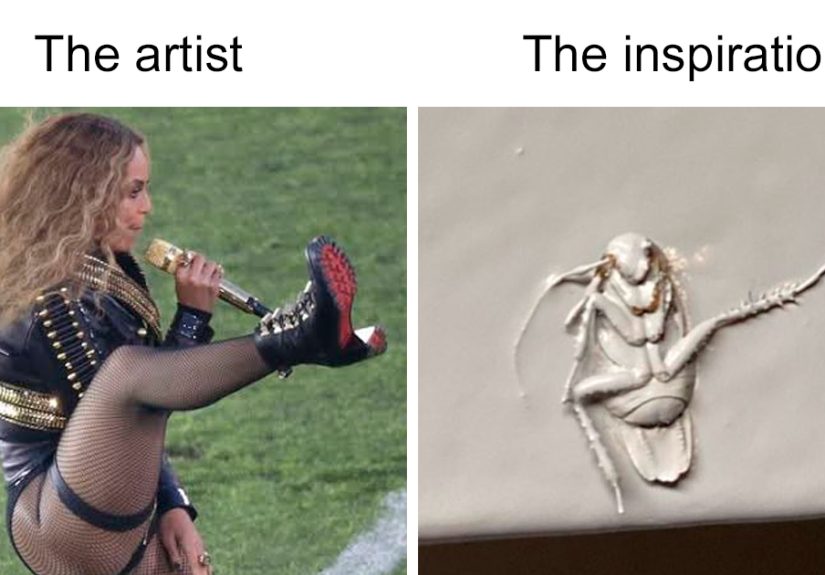
And because the internet remains undefeated at transforming horror into comedy, the image quickly became meme fuel. People turned the painted-over bug into a Broadway star, a minimalist sculpture, a fashion icon, a fossil, and the unofficial mascot of every renter who has ever filed a maintenance request and received what can only be described as “aggressive surface-level enthusiasm.”
This story went viral because it was funny. It stayed viral because it was familiar. Beneath the jokes sat a truth renters know all too well: sometimes the problem is not just the pest. It is the lazy repair, the cosmetic cover-up, the management response that treats a health-and-safety issue like a paint swatch challenge.
How One Painted-Over Roach Became Internet Royalty
The now-famous image spread in September 2021 after a social media post showed a dead cockroach embedded in white paint on a wall. From there, the internet did what it does best: it adopted the image as a blank canvas for collective nonsense. Meme creators gave the roach personality, posture, glamour, and lore. The bug was no longer just a bug. It was a performer. A survivor. A tragic heroine in builder-grade eggshell white.
What made the image so powerful was its accidental composition. The roach looked frozen mid-strut, one leg lifted like it had been interrupted during a musical number. It had posture. It had drama. It had the energy of someone who had one line in the school play but planned to steal the whole show anyway.
That visual absurdity turned a gross maintenance fail into a perfect meme template. But it also tapped into something painfully real: renters have seen versions of this before. Not always literally with an insect lacquered into the wall, but absolutely in spirit.
Why This Hit Renters Right In The Security Deposit
The painted-over roach became an instant symbol of what many tenants call the landlord special: a repair that is not really a repair, just a cover-up with better lighting. Fresh paint over grime. Caulk over cracks without fixing the leak. A cabinet door rehung while mold quietly auditions behind it. The comedy came from exaggeration, but the relatability came from experience.
Renters know the script. You report a problem. You attach photos. You use your nicest possible customer-service voice even though you are one emotional support coffee away from losing it. Then maintenance arrives, stares at the issue like it personally insulted them, and performs a solution that is technically visible but spiritually useless.
That is why the meme landed. The roach was funny. The implication was not. People were not just laughing at a dead bug. They were laughing at a system that sometimes treats obvious housing problems like they can be painted into submission.
30 Memes And Jokes The Internet Practically Wrote Itself
Here are 30 meme angles and joke styles that capture why the painted-over roach became instant comedy gold:
- The roach was not exterminated; it was curated.
- That bug did not die. It got upgraded to wall art.
- Maintenance said, “What if pest control met interior design?”
- The landlord invented a new finish: satin with trauma.
- The roach looked like it was frozen mid-jazz hands.
- Somewhere, a Broadway director whispered, “Interesting.”
- People saw a bug; the internet saw a one-insect cabaret.
- It looked less like a pest and more like a tiny showgirl caught in spotlight.
- The wall said farmhouse chic; the roach said performance art.
- Minimalism has gone too far when the accent piece has legs.
- One joke framed it as the landlord’s answer to modern sculpture.
- Another treated it like the apartment’s newest luxury amenity.
- The bug had the pose of someone asking to be painted “like one of your expensive renovations.”
- It looked as if the roach had been caught doing the razzle-dazzle.
- Several jokes imagined it in witness protection, now going by “Wall Texture.”
- Other memes turned it into a fossil preserved for future archaeologists.
- Some people treated it like a historical landmark in a rent-controlled museum.
- Others said it was the only tenant whose lease got renewed.
- The internet also joked that the roach was now part of the security deposit.
- One popular style of joke suggested the landlord would still list the unit as “recently updated.”
- Another implied rent had increased because the apartment now included custom art.
- There were jokes about the bug becoming load-bearing.
- Some framed it as a decorative flourish from the School of Denial Renovation.
- Others imagined the maintenance ticket marked “completed” with a straight face.
- The phrase “landlord special” basically wrote itself.
- Several reactions joked that even the roach looked confused by the outcome.
- A whole category of memes treated the bug like a fashion model serving a dramatic pose.
- Another category imagined it as the apartment’s unofficial concierge.
- Some people said the landlord had not solved the infestation, just committed it to the wall forever.
- And, naturally, countless jokes boiled down to one perfect renter sentiment: “You cannot just paint over the evidence and call it luxury.”
Why The Story Was Funny, But Also A Little Too Real
Part of the reason this meme exploded is that it lives at the exact intersection of absurdity and truth. A painted-over roach is hilarious in the same way a banana peel slip is hilarious in a cartoon. In real life, though, it raises bigger questions. Why was the roach there in the first place? Was there an infestation? Was the area cleaned? Were entry points sealed? Was anyone actually dealing with the cause, or just frosting the cake on top of it?
That tension is what gave the story staying power. It was a joke with a housing policy aftertaste.
Even years later, similar stories keep popping up online. In one 2025 viral case, a tenant said maintenance painted over dead cockroaches and covered a hole instead of properly cleaning and repairing the area. That newer story resonated for the same reason the original meme did: renters instantly recognized the pattern of doing something visible instead of doing something effective.
The Part Where We Stop Laughing For A Minute
Here is the less funny part: cockroaches are not just gross. They can be a real health issue. Public health guidance has long noted that cockroaches and their droppings can trigger allergies and asthma, especially in children and people with respiratory conditions. Their bodies and waste can also spread bacteria if they contaminate food or food-prep areas.
That matters because a roach on a wall is not merely an aesthetic problem. It can be a clue pointing to a larger sanitation, moisture, or pest-management issue. A good repair response is not “make the wall look emotionally unavailable.” A good response is inspection, cleaning, identification of entry points, sanitation, and real pest control.
Federal housing guidance also treats extensive cockroach infestation as a health and sanitary concern, not a decorative inconvenience. In other words, the government’s position on roaches is refreshingly clear: they are not wallpaper.
In Texas, Painting Over The Problem Is Not The Same As Fixing It
If a rental condition materially affects a tenant’s health or safety in Texas, the landlord has legal obligations to address it. Texas tenant-help resources specifically list roaches among the kinds of conditions landlords may need to repair when they affect health and safety. That is a major reason this story struck a nerve. It was not just a gross-out moment. It looked like the opposite of diligent maintenance.
For tenants, documentation matters. Photos matter. Written notice matters. Texas renter guidance emphasizes putting repair requests in writing, being specific, keeping copies, and documenting the condition with pictures. That means if the wall of your apartment is suddenly doubling as an insect memorial, the correct first step is not rage-posting alone. It is rage-posting after saving evidence, sending notice, and keeping receipts.
What A Smarter Tenant Response Looks Like
If a renter finds evidence of pests, the practical move is to document everything clearly: photos of the problem, dates of requests, any visible droppings or damage, and every maintenance response. If written notice does not produce action, Texas guidance says tenants may be able to seek a repair order through justice court in the right circumstances. The key point is simple: “painted over” is not the finish line.
What Real Pest Control Actually Looks Like
Real pest control is far less dramatic than a viral meme and far more useful. The best long-term approach is integrated pest management, often called IPM. That means identifying the pest, monitoring the problem, cutting off food, water, and shelter, sealing entry points, cleaning affected areas, and using the lowest-risk effective control methods when needed.
In apartment buildings, this usually requires teamwork. Residents, maintenance staff, pest professionals, and property managers all have roles to play. Translation: you cannot solve a building-wide pest problem with one roller, one shrug, and a gallon of landlord white.
A real fix might include sealing cracks, repairing leaks, cleaning cabinets, removing debris, treating problem zones, monitoring activity, and following up. That is not as memeable as a roach frozen in paint, but it is much better for everybody’s lungs.
Why The Internet Turned Disgust Into Comedy
Meme culture often works like a pressure valve. People see something outrageous, then flood it with jokes to make it manageable. The painted-over roach was especially perfect for that treatment because it combined horror, visual comedy, and a universal complaint about bad housing maintenance. It was gross enough to shock people, but silly enough to let them laugh without needing a full recovery weekend.
There is also something cathartic about public ridicule when institutions fail at basic competence. A meme can become a tiny form of accountability. Not legal accountability, not rent-reduction accountability, but social accountability. The internet may not inspect your cabinets, but it will absolutely drag a sloppy repair job into the sun and make it wear a top hat.
The Bigger Takeaway Behind The Laughs
The reason this story still works is that it is more than a bug joke. It is a miniature parable about rental life. It says that people are tired of cosmetic fixes replacing actual maintenance. It says tenants notice when problems are being hidden instead of solved. And it says the internet can smell a lazy cover-up from several zip codes away.
So yes, the painted-over roach was funny. It deserved the memes. It deserved the jokes. It deserved its brief, cursed moment as an internet celebrity. But it also reminded people of something real: when it comes to housing, a wall can look freshly painted and still tell a very ugly story.
Related Experiences: Why So Many Renters Saw Themselves In This Story
If the painted-over roach felt instantly believable, that is because many renters have lived through some version of the same logic. Not the exact insect-in-the-wall scenario, hopefully, but the broader maintenance philosophy of “make it less visible and maybe it becomes less real.” Anyone who has rented long enough has a mental folder full of these moments.
There is the classic fresh-paint fake-out. You move in and everything smells clean because everything smells like paint. For one glorious afternoon, you think you scored a place that has been lovingly refreshed. Then you notice the painted-over hinges, the painted-over outlet covers, the painted-over door latch, and the mysterious bump under the paint that suggests somebody covered a crack, stain, dent, or possibly a tiny portal to another dimension. The longer you look, the more the apartment starts to feel less “renovated” and more “strategically disguised.”
Then there is the maintenance request that gets technically answered without ever being meaningfully solved. The leak is “fixed,” but the ceiling still bubbles when it rains. The cabinet is “repaired,” but only because it now closes at an angle that requires both hands and a prayer. The pest issue is “handled,” but what that really means is someone sprayed something that smelled powerful for six hours and then vanished into myth. Days later, the bugs return like they were merely out getting coffee.
Many renters also know the emotional whiplash of being made to feel dramatic for reporting something objectively gross. You send pictures of droppings, dead bugs, damaged wood, or gaps around pipes, and somehow the response implies that you are overreacting to the thrilling miracle of indoor wildlife. That is part of what made the painted-over roach story so satisfying. It flipped the script. Instead of tenants being told to calm down, the whole internet looked at the evidence and said, in one chaotic voice, “No, actually, this is absurd.”
There is also the humiliation factor that people do not talk about enough. Pest problems can make tenants feel embarrassed, even when the issue comes from building conditions outside their control. Roaches, mice, leaks, and mold often carry a social stigma that falls on the person living with the problem rather than the person responsible for fixing it. Humor becomes a shield. Sharing memes about a painted-over roach is one way of saying, “I am not the only one who has seen some truly unserious maintenance in my life.”
And perhaps that is why the image lasted. It did not just show a bizarre landlord fail. It captured a common renter fear in one unforgettable snapshot: that the person in charge of your housing might respond to a legitimate problem with the confidence of a home makeover show and the standards of a toddler hiding a mess under a blanket. The memes worked because they told the truth sideways. Sometimes comedy is just frustration wearing better shoes.
Conclusion
The story of the painted-over roach went viral because it was outrageous, but it resonated because it felt familiar. The memes were funny, the jokes were ruthless, and the image itself was practically begging for internet fame. Yet underneath the laughter sat a more serious point about renter frustration, health concerns, and the difference between a real repair and a cosmetic dodge.
In other words, the internet did not just laugh at one painted-over bug. It laughed at every lazy shortcut that tenants have been expected to accept with a straight face. And if there is a lesson in all this, it is a simple one: if your maintenance strategy can be mistaken for performance art, it may be time to put down the paint roller and call an actual professional.