Table of Contents >> Show >> Hide
- What Is a Kale Waldorf Salad?
- Why Kale Works So Well in a Waldorf Salad
- The Flavor Profile: Bright, Creamy, Crunchy, and Fresh
- How to Build a Great Kale Waldorf Salad
- A Simple Kale Waldorf Salad Recipe
- Common Mistakes That Can Ruin the Salad
- Easy Variations to Try
- When to Serve Kale Waldorf Salad
- Why This Salad Keeps Earning Fans
- The Experience of Eating and Sharing Kale Waldorf Salad
- Final Thoughts
If classic Waldorf salad is the charming guest who arrives in loafers and a blazer, kale Waldorf salad is that same guest after discovering hiking boots, farmers markets, and the joy of a really good lemon dressing. It is crisp, creamy, sweet, savory, and just rugged enough to feel like a proper modern salad instead of a side dish pretending to be lunch.
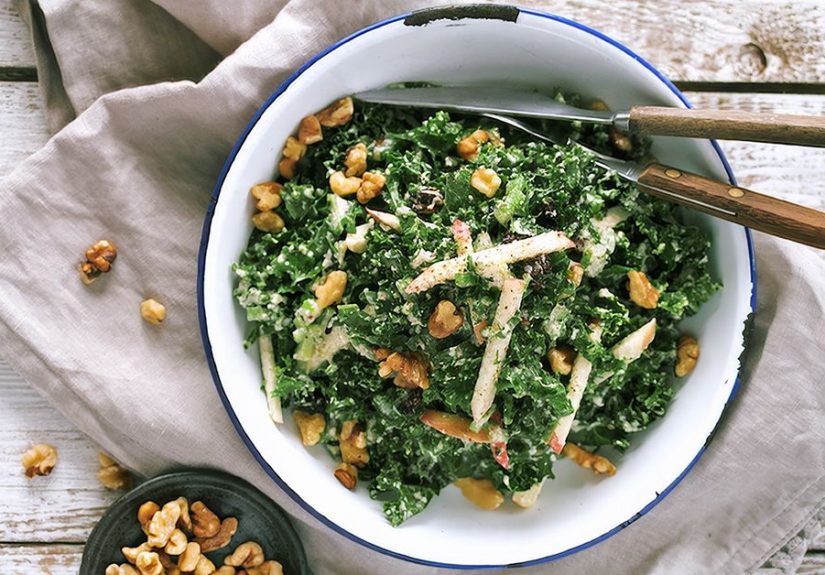
At its heart, a kale Waldorf salad keeps the spirit of the original: crunchy apples, celery, grapes, walnuts, and a creamy dressing with a bright little zip. The twist is the kale, which adds body, bite, and the kind of earthy backbone that makes the whole thing feel fresher and more satisfying. This is the salad you make when you want something wholesome but not boring, elegant but not fussy, and healthy without tasting like punishment.
Whether you are planning a holiday spread, packing weekday lunches, or trying to convince yourself that a bowl of greens can absolutely be exciting, this version earns its place on the table. A good kale Waldorf salad is not just a salad. It is texture theater. Every forkful is a tiny argument for balance: juicy fruit, crunchy nuts, creamy dressing, and tender greens that still know how to stand up for themselves.
What Is a Kale Waldorf Salad?
A kale Waldorf salad is a fresh spin on the classic American Waldorf salad, which is traditionally built around apples, celery, nuts, fruit, and a creamy dressing. In this updated version, kale replaces the usual bed of lettuce or becomes part of the main mix, transforming the dish from a softer fruit salad into something heartier and more structured.
That one change makes a big difference. Kale brings a deeper flavor, more chew, and better staying power. Unlike delicate greens that wilt the moment they see dressing coming, kale holds up beautifully. That means your salad can sit on a buffet, rest in the fridge for a bit, or survive the trip to work without collapsing into a sad puddle. Frankly, kale has boundaries, and we respect that.
Why Kale Works So Well in a Waldorf Salad
It balances the sweetness
Apples and grapes give Waldorf salad its signature sweet, juicy character. Kale keeps that sweetness from taking over. Its slightly bitter, grassy flavor makes the fruit taste brighter and the dressing taste more refined. The result is a salad that feels layered instead of sugary.
It adds satisfying texture
Texture is half the reason anyone falls in love with Waldorf salad in the first place. Kale contributes a hearty chew that plays beautifully against crisp celery, crunchy walnuts, and tender apple slices. A good kale Waldorf salad should sound a little dramatic when you eat it. If your fork is silent, something has gone terribly wrong.
It makes the salad more filling
Classic Waldorf salad can sometimes drift into side-dish territory. Add kale, and suddenly it has enough substance to work as lunch. Pair it with roast chicken, turkey, or a slice of crusty bread, and it becomes the kind of meal that feels both sensible and deeply enjoyable.
The Flavor Profile: Bright, Creamy, Crunchy, and Fresh
The best kale Waldorf salad lives in a very pleasant tension between fresh and rich. The dressing is usually creamy, often built with mayonnaise, yogurt, or a combination of both. Lemon juice lifts everything up. Apples bring sweetness and tartness. Celery adds a clean snap. Grapes make the salad juicy and playful. Walnuts contribute toastiness and depth.
Kale ties it all together by giving the salad structure and a slightly savory edge. That is why this dish tastes equally at home at a Thanksgiving table, a spring brunch, or a random Tuesday lunch when you want to feel like the most organized person in the room.
How to Build a Great Kale Waldorf Salad
Start with the right kale
Lacinato kale, also called dinosaur kale or Tuscan kale, is a great choice if you want a more tender, elegant texture. Curly kale works too, especially if you want more volume and a rustic feel. Just remember that kale is not naturally eager to be a salad. It needs a little encouragement.
That means removing the tough stems, tearing or slicing the leaves into bite-size pieces, and massaging them briefly with a little oil, lemon juice, and a pinch of salt. This step softens the leaves, deepens their color, and takes the edge off the raw texture. You are not trying to annihilate the kale. You are just helping it relax.
Choose apples with personality
A great apple matters here. Crisp varieties like Honeycrisp, Gala, Pink Lady, Fuji, or Granny Smith all work well. If you like a sweeter salad, lean toward Honeycrisp or Fuji. If you want more tart contrast, use Granny Smith or Pink Lady. A mix of red and green apples also makes the salad look especially lively.
Do not skip the celery
Celery may not be the headline act, but it is essential. It brings freshness, crunch, and that clean, savory note that prevents the salad from reading like fruit in fancy clothes. Slice it thinly so it blends into each bite instead of announcing itself like a surprise plot twist.
Toast the walnuts
Raw walnuts are fine. Toasted walnuts are better. A few minutes in a dry skillet or oven deepens their flavor, makes them more fragrant, and gives the salad a richer, nuttier backbone. Let them cool before adding them so they stay crisp and do not steam the other ingredients.
Make the dressing balanced, not heavy
The dressing should coat, not smother. A combination of mayonnaise and Greek yogurt is ideal if you want creaminess with a lighter tang. Add lemon juice, a little honey if needed, a touch of Dijon mustard, salt, and black pepper. The dressing should taste bright enough to wake up the kale but mellow enough to let the fruit shine.
A Simple Kale Waldorf Salad Recipe
Ingredients
- 1 large bunch kale, stems removed and leaves chopped
- 2 teaspoons olive oil
- 1 tablespoon fresh lemon juice, plus more for the dressing
- 2 crisp apples, thinly sliced or chopped
- 1 cup seedless red grapes, halved
- 2 to 3 celery stalks, thinly sliced
- 1/2 cup toasted walnuts, roughly chopped
- 1/3 cup mayonnaise
- 1/3 cup plain Greek yogurt
- 1 to 2 teaspoons honey
- 1 teaspoon Dijon mustard
- Salt and black pepper, to taste
Method
Place the chopped kale in a large bowl. Add the olive oil, one tablespoon of lemon juice, and a pinch of salt. Massage the leaves with clean hands for one to two minutes, just until they soften and darken slightly.
In a small bowl, whisk together the mayonnaise, Greek yogurt, another tablespoon of lemon juice, honey, Dijon mustard, salt, and black pepper. Taste and adjust. If your apples are very sweet, add a bit more lemon. If they are especially tart, a touch more honey can help.
Add the apples, grapes, celery, and walnuts to the kale. Pour over enough dressing to coat everything lightly, then toss well. Let the salad sit for about ten minutes before serving so the flavors can mingle. That little rest makes the kale more tender and the whole bowl more cohesive.
Serve chilled or cool, either as a side dish or as a base for a bigger meal. It is excellent with roast chicken, turkey, or even a wedge of sharp cheddar on the side if you are feeling gloriously unconcerned with minimalism.
Common Mistakes That Can Ruin the Salad
Using kale straight from the bag without prepping it
Kale needs attention. If you skip trimming and massaging, the salad can turn out tough and awkward. You want tender leaves with some personality, not a bowl that feels like chewing a very determined hedge.
Overdressing everything
Waldorf salad should feel creamy, but it should not feel buried. Too much dressing mutes the crunch and makes the fruit taste flat. Start with less than you think you need and add more only if necessary.
Forgetting acid
Without lemon juice or another acidic note, the dressing can taste heavy and sleepy. Acid sharpens the apples, brightens the kale, and keeps the salad from wandering into deli-case territory.
Ignoring texture balance
If all the ingredients are chopped too small, the salad loses its charm. If everything is too chunky, it becomes clumsy. Aim for pieces that are easy to spear but still distinct enough to create contrast in each bite.
Easy Variations to Try
Make it holiday-ready
Add dried cranberries, sliced pears, or a pinch of cinnamon in the dressing. This version feels especially festive and works beautifully alongside roast turkey or ham.
Make it lunch-worthy
Top the salad with grilled chicken, rotisserie turkey, or chickpeas. Because kale holds up well, this is one of those rare dressed salads that still tastes good later in the day.
Make it a little fancier
Add crumbled blue cheese, shaved Parmesan, or fresh herbs like parsley, tarragon, or chives. These little upgrades bring a more restaurant-style edge without making the salad complicated.
Make it dairy-free
Skip the yogurt and use a fully mayonnaise-based dressing, or swap in a creamy plant-based alternative. The apples, celery, grapes, and walnuts will still do most of the heavy lifting.
When to Serve Kale Waldorf Salad
One of the best things about kale Waldorf salad is how adaptable it is. It belongs at potlucks, holiday dinners, picnics, office lunches, and quiet weeknight tables where dinner needs to be good but not dramatic. It is polished enough for guests yet practical enough for meal prep.
Because kale is sturdier than lettuce, this salad also works well as a make-ahead dish. You can prep the dressing, chop the fruit and celery, toast the walnuts, and prepare the kale in advance. Assemble close to serving time if you want maximum crunch, or give it a short rest if you prefer the kale more tender.
Why This Salad Keeps Earning Fans
Kale Waldorf salad wins people over because it does something very smart: it keeps the charm of an old-school classic while making it feel relevant to the way many people cook and eat now. It is familiar but not stale. Nutritious but not preachy. Pretty enough for company, but easy enough for a weekday fridge clean-out.
That is a rare trick. Some updated recipes lose what made the original worth loving. This one does not. It still gives you the juicy apple, the cool celery, the creamy dressing, and the walnut crunch that make Waldorf salad instantly recognizable. Kale simply brings a little confidence to the equation.
The Experience of Eating and Sharing Kale Waldorf Salad
There is something unexpectedly satisfying about setting a big bowl of kale Waldorf salad on the table. At first glance, people think they know what they are getting. It looks familiar enough: apples, grapes, celery, walnuts, creamy dressing. Then they notice the kale and get slightly suspicious, as people often do when kale is involved. Kale has a reputation. It is the overachiever of the produce aisle. It tends to make everyone wonder whether they are about to eat something deeply virtuous and only mildly enjoyable.
And then the first bite happens.
That is usually when the mood changes. The apples are crisp and cool. The grapes burst a little. The walnuts bring that toasted richness that makes everything taste more complete. The dressing smooths out the edges without making the salad feel heavy. And the kale, if it has been treated properly, is tender enough to be pleasant but still sturdy enough to give the whole dish character. Instead of fading into the background, it becomes the thing that makes the salad memorable.
It is also a deeply practical salad, which might not sound romantic, but practicality has its own beauty. This is the dish that does not panic if it sits on a buffet for a while. It does not collapse five minutes after being dressed. It can ride in a container to work, survive the trip, and still taste like a real lunch instead of a compromise. In a world full of fragile salads that seem emotionally unprepared for transportation, that is no small achievement.
Then there is the experience of making it. Chopping apples and celery has a rhythm to it. Toasting walnuts fills the kitchen with a warm, nutty smell that makes the whole meal feel more intentional. Massaging kale, once you get over how odd that sentence sounds, turns out to be strangely satisfying. You can actually feel the leaves soften in your hands. It is one of those cooking moments that reminds you food is physical and responsive, not just a list of ingredients waiting to be checked off.
Kale Waldorf salad also has a way of fitting into different kinds of gatherings. At a holiday meal, it cuts through richer dishes and wakes up the plate. At a brunch or lunch, it can become the main event with just a little added protein. At a casual dinner, it feels like the kind of side dish that accidentally steals attention from the entrée. People go back for more because the salad keeps changing as they eat it. One bite is sweeter, one is crunchier, one is creamier, one is more lemony and green.
That may be the real charm of the dish. It feels lively. Not flashy, not trendy in an exhausting way, just lively. It has contrast, freshness, and enough texture to keep you interested. It manages to taste both wholesome and generous, which is a combination many recipes aim for and far fewer actually achieve.
So yes, kale Waldorf salad may sound like the sensible cousin of a classic favorite. But on the table, it is more than sensible. It is bright, crunchy, handsome, and surprisingly fun to eat. And that is exactly why it keeps showing up in kitchens that want food to be both smart and delicious.
Final Thoughts
Kale Waldorf salad proves that an old classic does not need a complete reinvention to feel new. A few smart choices, a balanced dressing, and properly prepared kale are enough to turn a familiar combination into something fresh, hearty, and genuinely craveable. If you love salads with crunch, contrast, and a little elegance, this one deserves a permanent place in your rotation.
Make it for a holiday, pack it for lunch, or serve it when your dinner table needs a side dish with actual personality. Just do yourself one favor: toast the walnuts and treat the kale kindly. The salad will repay you in every single bite.