Table of Contents >> Show >> Hide
- What Is a Panini?
- Why Homemade Panini Tastes Better
- Best Ingredients for a Great Panini
- Essential Equipment
- How to Make a Panini: Step-by-Step
- How to Make a Panini Without a Panini Press
- Best Panini Combinations to Try
- Common Panini Mistakes to Avoid
- Panini Tips for Better Texture and Flavor
- Can You Make Panini Ahead of Time?
- What to Serve With a Panini
- Why Panini Keeps Winning
- Experience: What Making a Panini Feels Like in Real Life
- Conclusion
- SEO Tags
If a regular sandwich is the reliable sedan of lunch, a panini is the sporty little convertible with the top down and the cheese showing off. It is crisp on the outside, warm in the middle, and just dramatic enough to make leftovers feel fancy. The best part? You do not need a culinary degree, an Italian grandmother, or a kitchen full of shiny gadgets to make one at home.
Learning how to make a panini is really about understanding balance. You want bread sturdy enough to handle heat, fillings flavorful enough to shine, and just enough pressure to create that golden, crunchy exterior without squeezing the sandwich into a sad little pancake. Once you know the basics, you can make a classic ham-and-cheese panini, a tomato-and-mozzarella version that tastes like summer, or a clean-out-the-fridge masterpiece that somehow becomes the best thing you have eaten all week.
In this guide, you will learn exactly how to make a panini, with or without a panini press, plus the best bread, cheese, fillings, common mistakes to avoid, and easy flavor combinations to try at home.
What Is a Panini?
In American kitchens, a panini usually means a hot pressed sandwich made with hearty bread and filled with ingredients like cheese, deli meats, cooked vegetables, or spreads. It is typically grilled or toasted until the bread turns crisp and the filling becomes warm and melty. Those classic ridged grill marks are nice, but they are not the soul of the sandwich. The real magic is the contrast between crunchy bread and a soft, savory center.
A good panini is not just a grilled cheese wearing a fancy accent. It usually has more structure, more texture, and more filling variety. Think ciabatta, focaccia, sourdough, or another sturdy loaf that can stand up to heat and pressure without collapsing into mush.
Why Homemade Panini Tastes Better
Homemade panini has one huge advantage: you are in charge. You control the bread thickness, the cheese level, the meat-to-veggie ratio, and whether the sandwich leans classy café or glorious refrigerator chaos. Want extra basil? Done. Want less mustard because you still have trust issues from a bad deli experience in 2017? Also done.
Making panini at home is also faster than many people expect. Once your ingredients are ready, most sandwiches cook in about 5 to 10 minutes. That makes panini ideal for lunch, a quick dinner, or the kind of weekend meal where you want something comforting without washing every pan you own.
Best Ingredients for a Great Panini
1. Bread That Can Handle the Heat
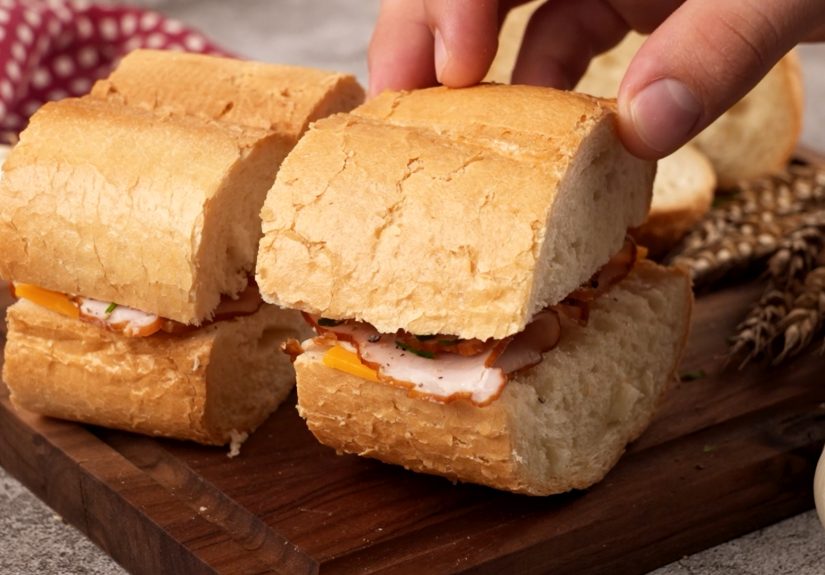
The best bread for panini is sturdy, slightly chewy, and not too soft. Ciabatta is the classic choice because it crisps beautifully and holds fillings well. Focaccia, sourdough, pane rustica, baguette sections, and rustic Italian loaves also work nicely. Standard sandwich bread can work in a pinch, but it tends to compress more quickly and may not deliver the same crisp, café-style texture.
If your bread is very thick, slice it a little thinner. If it is very airy, be careful not to overstuff the sandwich. The goal is structure, not engineering chaos.
2. Cheese That Melts Like It Means It
Mozzarella, provolone, fontina, Swiss, Gruyère, cheddar, Havarti, and Monterey Jack all make excellent panini cheese. Fresh mozzarella brings a creamy bite, while firmer cheeses like provolone and fontina melt smoothly without turning watery. A mix of cheeses often gives the best result: one for stretch, one for flavor.
3. Savory Fillings
Classic panini fillings include sliced turkey, ham, salami, roast chicken, cooked vegetables, pesto, mustard, roasted peppers, caramelized onions, spinach, basil, and tomato. Use ingredients that are flavorful but not dripping wet. A panini should be melty, not swampy.
4. A Little Fat on the Outside
Brushing the outside of the bread with olive oil, softened butter, or even a thin layer of mayonnaise helps it brown evenly and develop a crisp crust. You do not need much. This is a panini, not a deep-fried dare.
Essential Equipment
You can make a panini with:
- A panini press
- A grill pan and a heavy skillet
- Two cast-iron skillets
- A griddle and a foil-wrapped brick or heavy pan
- Even a waffle iron in a pinch, if you are feeling clever and a little chaotic
The key is heat plus pressure. A dedicated press makes the process easier, but you absolutely can make a crispy, golden panini without one.
How to Make a Panini: Step-by-Step
Here is the basic formula for one excellent panini.
Ingredients
- 2 slices ciabatta, sourdough, or rustic Italian bread
- 1 to 2 teaspoons pesto, mustard, or another spread
- 2 to 3 slices cheese
- 2 to 4 slices cooked meat or 1/3 to 1/2 cup cooked vegetables
- Optional extras: tomato, basil, spinach, roasted peppers, onions
- 1 to 2 teaspoons olive oil, butter, or mayonnaise for the outside
Step 1: Preheat Your Equipment
Heat your panini press or skillet over medium to medium-high heat. You want a hot surface, but not an aggressive inferno. Panini cooks best when the bread has time to brown and the cheese has time to melt before the exterior gets too dark.
Step 2: Build the Sandwich
Spread your condiment on the inside of the bread. Layer cheese on one or both sides, then add your meat or vegetables. Keep juicy ingredients like tomato in a thin layer, and pat them dry if needed. Close the sandwich and press gently with your hands so it holds together.
Step 3: Brush the Outside
Brush or spread a light coat of olive oil, butter, or mayonnaise on the outer sides of the bread. This helps the crust turn beautifully golden and crisp.
Step 4: Cook and Press
If using a panini press, cook the sandwich until the bread is golden and the cheese has melted, usually about 4 to 7 minutes depending on your machine and the thickness of the sandwich.
If using a skillet, place the sandwich in the hot pan and set a second heavy skillet on top. Cook for 2 to 4 minutes per side, pressing gently, until both sides are crisp and the filling is hot.
Step 5: Rest, Slice, and Serve
Let the panini rest for 1 to 2 minutes before slicing. This gives the cheese a moment to settle so it does not all sprint out the sides the second your knife shows up.
How to Make a Panini Without a Panini Press
No press? No problem. This is one of the most useful kitchen truths on the internet.
Method 1: Two-Skillet Panini
Heat one skillet over medium heat. Put the sandwich in the pan, then place a second heavy skillet on top. You can warm the top skillet first if you want faster, more even browning. Flip carefully and repeat.
Method 2: Grill Pan Plus Weight
Cook the sandwich on a grill pan and press it down with a foil-wrapped brick or heavy pot. This creates nice grill marks and a very panini-like finish.
Method 3: Sheet Pan for a Crowd
Making several sandwiches at once? Arrange them on a sheet pan, top with a second sheet pan, add a little weight, and bake until pressed and golden. It is a great trick when lunch suddenly turns into a small event.
Best Panini Combinations to Try
Classic Italian Panini
Ciabatta, provolone, salami, ham, turkey, roasted peppers, and a little mustard. This is the kind of sandwich that makes your lunch break feel suspiciously successful.
Caprese Panini
Fresh mozzarella, tomato, basil, pesto, and crusty bread. Add a swipe of balsamic glaze after cooking if you want a sweet-tangy finish.
Chicken Pesto Panini
Cooked chicken, mozzarella, pesto, spinach, and sliced tomato on focaccia or sourdough. Great for leftover rotisserie chicken.
Ham and Swiss Panini
Ham, Swiss cheese, Dijon mustard, and a little butter on the outside. Simple, classic, and dangerously easy to crave.
Veggie Panini
Grilled zucchini, eggplant, roasted red peppers, spinach, and fontina or mozzarella. This one proves vegetables can absolutely be the main character.
Common Panini Mistakes to Avoid
Overstuffing the Sandwich
If the sandwich looks like it needs structural permits, scale it back. Too much filling prevents even heating and makes flipping difficult.
Using Bread That Is Too Soft
Very soft bread tends to flatten too much and can turn gummy. Reach for something with a crust and some chew.
Cooking Over Heat That Is Too High
If the bread burns before the cheese melts, your heat is too high. Medium or medium-high is usually the sweet spot.
Adding Too Much Moisture
Watery tomatoes, overly wet mozzarella, or too much dressing can make the bread soggy. Pat ingredients dry and use spreads sparingly.
Skipping the Rest Time
Letting the sandwich rest for a minute or two improves the texture and makes it easier to slice cleanly.
Panini Tips for Better Texture and Flavor
- Toast-prone breads like ciabatta and sourdough usually give the best crunch.
- Layer cheese near the bread to help “glue” the filling in place.
- Use thin slices of meat and cheese for more even heating.
- Add delicate greens like arugula after cooking if you want them fresh and peppery.
- Pair one rich ingredient with one bright ingredient, like provolone plus pickled peppers, or mozzarella plus basil.
- If using leftover cooked chicken, turkey, or other leftovers, heat them thoroughly and handle them safely before serving.
Can You Make Panini Ahead of Time?
Yes, but with strategy. You can assemble a panini a few hours ahead and refrigerate it before cooking. For best texture, keep juicy ingredients minimal and wait to add delicate herbs until after grilling. Panini is best fresh off the heat, but you can prep most of the work ahead so lunch comes together fast.
If you are using leftovers in the filling, make sure they are stored properly and reheated until hot all the way through. That matters even when your sandwich looks too adorable to cause trouble.
What to Serve With a Panini
A panini is satisfying on its own, but it plays well with others. Good side options include tomato soup, a simple green salad, kettle chips, pasta salad, marinated olives, fruit, or a cup of roasted vegetable soup. For brunch panini, think fresh fruit and crispy potatoes. For dinner, a peppery arugula salad gives the meal a lighter, more balanced feel.
Why Panini Keeps Winning
The reason panini stays popular is simple: it turns ordinary ingredients into something that feels special. The pressing creates texture. The heat concentrates flavor. The cheese brings peace to the whole operation. It is one of the easiest ways to upgrade lunch without making life complicated.
Once you know how to make a panini, you stop looking at bread, leftovers, and cheese as separate items. They become opportunity. Dangerous, melty opportunity.
Experience: What Making a Panini Feels Like in Real Life
The first time many people make a panini at home, there is usually a small moment of disbelief. You assemble a sandwich, press it into a hot pan, wait a few minutes, and somehow it comes out looking like something from a café menu with a price that would make your wallet sigh. It feels like a trick. Bread goes in plain; bread comes out bronzed, crisp, and aromatic. Cheese, which was once calm and civilized, becomes stretchy and dramatic. Even the kitchen smells more confident.
One of the best experiences tied to making a panini is how forgiving it is. You do not need perfect knife skills or a curated pantry. A couple of bread slices, some cheese, a spread, and whatever cooked fillings you have lying around can turn into lunch that feels intentional. Leftover chicken suddenly has a purpose. That lonely roasted pepper in the container at the back of the fridge finally gets its big break. Even the last two slices of deli ham stop looking sad and start looking useful.
There is also something satisfying about the sound. A panini has a soundtrack. The faint sizzle when the bread hits the hot surface. The gentle crackle as the crust forms. The tiny press of the top pan settling down like, “Yes, we are doing this.” Then comes the reveal: you lift the weight, peek underneath, and see that golden color developing. It is the kind of small kitchen victory that makes you stand up a little straighter.
For families, panini can become a choose-your-own-adventure meal. One person wants turkey and Swiss. Another wants mozzarella and tomato. Someone else insists on adding pickles to everything and, against all odds, sometimes they are right. Because the method stays the same, everyone can customize without turning dinner into a logistical nightmare. It feels interactive without being exhausting, which is honestly the dream.
Panini also has a sneaky emotional side. It is comfort food, but not sleepy comfort food. It feels warm, crisp, and a little elevated. A good panini can rescue a rushed lunch, make a rainy afternoon better, or turn a plate of leftovers into something that feels brand-new. It is the sandwich version of getting yourself together.
And then there is the confidence factor. Once you make one good panini, you start seeing possibilities everywhere. Roast vegetables? Panini. Leftover steak? Panini. Basil, tomato, and that cheese you bought because it was on sale and looked interesting? Absolutely panini. The technique teaches you how to balance texture and flavor without feeling like homework. You start to understand what makes a sandwich hold together, what makes it crisp, and why a little acid or herb can wake up the whole bite.
In the end, the experience of making a panini is bigger than the sandwich itself. It is fast enough for busy days, flexible enough for real life, and satisfying enough to feel like a treat. That is why people keep coming back to it. A panini is not just lunch. It is a tiny edible upgrade to the day.
Conclusion
If you have been wondering how to make a panini at home, the answer is delightfully simple: choose sturdy bread, use flavorful fillings, add a melting cheese, brush the outside lightly with oil or butter, and cook with enough heat and pressure to create a crisp crust. That is the whole game. Once you understand the formula, you can build endless variations that fit your taste, your fridge, and your schedule.
Whether you use a panini press, a grill pan, or two trusty skillets, the result can be restaurant-worthy with very little effort. So the next time lunch feels boring, do not settle for a cold sandwich with low ambition. Press it, crisp it, melt it, and make a panini instead.