Table of Contents >> Show >> Hide
- A Honey-Sweet Overview of The Many Adventures of Winnie the Pooh
- Critics’ Rankings: How High Does Pooh Climb?
- Where It Ranks Among Winnie the Pooh Movies
- Why The Many Adventures of Winnie the Pooh Is So Highly Rated
- Fan Opinions: Debates in the Hundred Acre Wood
- My Own Pooh Movie Ranking (Subjective but Deeply Snack-Informed)
- How Rankings Shape Our View of Pooh
- Real-Life Experiences with “The Many Adventures of Winnie the Pooh” Rankings and Opinions
Some movies roar, some movies explode, and some movies quietly shuffle in, humming to themselves and looking for a small smackerel of honey.
The Many Adventures of Winnie the Pooh is very much in that last category soft, gentle, and somehow still a giant of Disney animation.
Ask critics, nostalgic millennials, or today’s Disney+ kids, and you’ll hear the same thing: this 1977 anthology of stories from the Hundred Acre Wood is one of the most beloved films the studio has ever produced.
In this guide, we’ll dig into rankings and opinions around The Many Adventures of Winnie the Pooh, compare it with other Winnie the Pooh movies, and explore what makes this particular film such a standout. Think of it as a cozy stroll through the Hundred Acre Wood if the Hundred Acre Wood had a comments section and a Tomatometer.
A Honey-Sweet Overview of The Many Adventures of Winnie the Pooh
First, a quick refresher. The Many Adventures of Winnie the Pooh is a 1977 American animated anthology film from Walt Disney Productions. It stitches together three previously released featurettes
Winnie the Pooh and the Honey Tree (1966), Winnie the Pooh and the Blustery Day (1968), and Winnie the Pooh and Tigger Too (1974) with new linking material featuring Christopher Robin and the narrator.
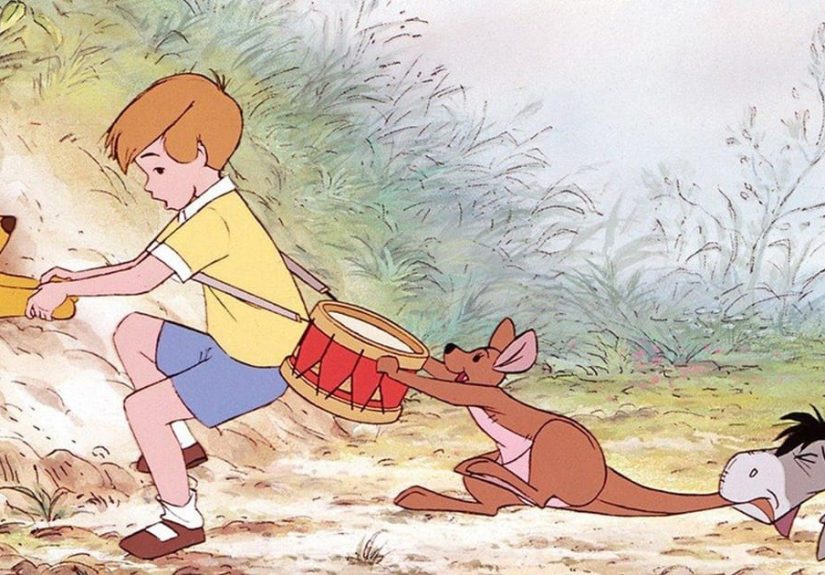
The film looks and feels like A.A. Milne’s original storybooks come to life: characters wander in and out of the pages, the narrator interacts with them, and the “book” itself becomes a visual gag. It’s a short movie (about 74 minutes), but it captures the rhythms of childhood simple problems, big emotions, and a lot of snacks.
Plot-wise, the movie isn’t one giant quest; it’s a collection of small adventures: Pooh trying to get honey from a beehive, a blustery windstorm, Tigger bouncing a little too enthusiastically, and the bittersweet goodbye between Pooh and Christopher Robin. Each sequence is simple, but together they create something quietly profound: a picture of childhood friendship and change.
Critics’ Rankings: How High Does Pooh Climb?
Rotten Tomatoes and Disney Rankings
If you’re wondering how The Many Adventures of Winnie the Pooh fares with critics, the short answer is: incredibly well.
Rotten Tomatoes lists the film with a 100% critics score, placing it among the rare Disney titles to hold a perfect rating.
The critics’ consensus calls it one of Disney’s most faithful literary adaptations and praises how beautifully it captures the spirit of Milne’s stories.
In editorial roundups of Disney’s essential films, like Rotten Tomatoes’ “Disney 100 Essential Movies,”
The Many Adventures of Winnie the Pooh regularly appears as one of the notable classics not just as “that cute kids’ movie,” but as a key entry in the studio’s animated canon.
IMDb and Fan Rankings
On IMDb, the movie holds a strong user rating (around the mid-7s out of 10) with tens of thousands of votes.
That may sound modest compared to some modern blockbusters, but for a gentle, low-conflict children’s film from the 1970s, it’s impressive especially when you realize how many of those votes come from adults who grew up with the film and still feel extremely protective of it.
Various fan-made lists on IMDb and ranking sites consistently place The Many Adventures of Winnie the Pooh at or near the top of all Winnie the Pooh movies.
In at least one “Top 10 Winnie the Pooh Movies” list curated by users, it holds the #1 spot, beating out newer releases like Christopher Robin (2018) and the 2011 Winnie the Pooh film.
AFI and Classic Status
Beyond online rankings, the film has also been recognized in more “official” ways. The American Film Institute has listed it as a nominee in its “10 Top 10” animation category, signaling that it’s not just nostalgic comfort food; it’s regarded as one of the standout animated films in American cinema history.
Where It Ranks Among Winnie the Pooh Movies
Winnie the Pooh has a surprisingly large filmography. When you start ranking all the theatrical and direct-to-video movies
Pooh’s Grand Adventure: The Search for Christopher Robin, The Tigger Movie, Piglet’s Big Movie, Pooh’s Heffalump Movie, the 2011 Winnie the Pooh, and even live-action hybrids like Christopher Robin you end up with a much longer list than a simple children’s franchise might suggest.
Entertainment and film sites that rank the Pooh films almost always give The Many Adventures of Winnie the Pooh a top-tier placement:
- Some lists crown it #1 outright, citing its faithfulness to Milne and its timeless charm.
- Others place it in the top three, alongside Christopher Robin for its bittersweet adult tone and Pooh’s Grand Adventure for its surprisingly emotional storyline.
- Even when it doesn’t occupy the top slot, it’s rarely ranked below the upper tier it’s treated as the “gold standard” by which later Pooh movies are measured.
What’s interesting is how different audiences rank the films. Critics often favor The Many Adventures of Winnie the Pooh for its artistry and fidelity to the books. Parents frequently highlight more modern movies for pacing or themes. Kids just want whichever one has the most Tigger. It balances out.
Why The Many Adventures of Winnie the Pooh Is So Highly Rated
Faithful to A.A. Milne’s Spirit
One of the biggest reasons this film ranks so high is how closely it mirrors the tone of A.A. Milne’s original stories.
Critics have praised it as “perhaps the most faithful” Disney adaptation of a literary property, capturing Milne’s gentle humor, whimsy, and philosophical undercurrents.
The narrator interacts with the characters, the printed words become part of the scenery, and the story never rushes. Problems are small: bees that won’t share, blustery weather, friends getting lost. But the emotions are huge fear of change, anxiety over being left behind, the bittersweet moment when Christopher Robin talks about growing up.
Storybook Visuals and Hand-Drawn Warmth
Visually, the film leans into a storybook aesthetic. Backgrounds look like watercolor illustrations, and linework is loose and soft.
Compared with today’s crisp CGI films, The Many Adventures of Winnie the Pooh feels like flipping through a well-loved children’s book that happens to be animated.
That simplicity works in its favor. The Hundred Acre Wood isn’t a vast digital world; it’s a cozy, slightly wonky forest where you can almost smell the pine and honey.
The minimalism lets viewers focus on character expressions, small gestures, and the rhythm of the dialogue.
Characters and Voice Performances
Another reason people rank this film so highly is the voice cast. Sterling Holloway’s iconic performance as Winnie the Pooh set the template for how the character would sound for decades.
Tigger, Rabbit, Piglet, and the rest all feel perfectly cast each voice capturing the character’s personality without ever sounding like it’s trying too hard.
These performances become the “default voices” many viewers hear in their heads when they later read the books. For many fans, any Pooh movie that deviates too far from this vocal blueprint has to work extra hard to earn its spot in the rankings.
The Emotional Core: Friendship and Change
The final segment of the film in which Christopher Robin and Pooh talk about growing up is one of the reasons
The Many Adventures of Winnie the Pooh remains a favorite among adults. It acknowledges that childhood doesn’t last forever,
but assures viewers that love and memories can outlast change.
That emotional honesty gives the movie a depth that many “just for kids” animated features lack. It’s not heavy-handed.
It just quietly suggests that even when people move on, the time they shared together still matters. That’s the kind of moment that nudges a film up a ranking list, because it lingers long after the credits roll.
Fan Opinions: Debates in the Hundred Acre Wood
Hop into any fan thread or ranking discussion and you’ll see the same thing: everyone loves Pooh, but no one agrees <emexactly on which movie is best.
In online discussions, some fans put The Tigger Movie or Piglet’s Big Movie at the top of their lists, often because those films center on a favorite character’s emotional journey.
For others, Pooh’s Grand Adventure ranks highest thanks to its surprisingly intense themes about fear, separation, and trust.
Still, The Many Adventures of Winnie the Pooh consistently shows up in everyone’s top tier. Even when fans prefer another film, they usually treat this one as the “classic baseline” the version that defines how Pooh and his friends should look, sound, and behave.
Parents often praise the film for its gentle tone and relatively low-stress content. Reviews from family-focused outlets describe it as a delightful classic with only mild peril a few scenes with bees chasing Pooh, or Rabbit getting lost in the woods, and a slightly odd dream sequence but overall, it’s considered safe and comforting for very young kids.
My Own Pooh Movie Ranking (Subjective but Deeply Snack-Informed)
Rankings are subjective, but if we blend critical reception, fan sentiment, and long-term influence, a reasonable personal top tier might look like this:
- The Many Adventures of Winnie the Pooh (1977) – The purest distillation of Milne’s world and Disney’s hand-drawn charm. It feels like the “canonical” Pooh experience.
- Winnie the Pooh (2011) – A loving modern follow-up that keeps the storybook style, adds some sharp humor, and updates the pacing just enough for contemporary families.
- Pooh’s Grand Adventure: The Search for Christopher Robin (1997) – Darker and more emotionally intense, this one hits surprisingly hard for an ostensibly light family film.
- The Tigger Movie (2000) – A heartfelt exploration of identity and family, wrapped in bouncy musical numbers and chaotic energy.
- Christopher Robin (2018) – A live-action, nostalgia-driven story that resonates especially with adults who feel a bit too grown-up and overworked.
In that lineup, The Many Adventures of Winnie the Pooh sits at the top not because it’s the flashiest, but because everything else in the franchise feels like a spin-off from the template it created. It’s the one that most effortlessly balances sweetness, humor, wisdom, and visual warmth.
How Rankings Shape Our View of Pooh
So what do all these rankings and opinions actually change?
For new viewers, seeing The Many Adventures of Winnie the Pooh at or near the top of so many lists makes it the natural starting point.
If you’re introducing a child (or a nostalgic adult) to Pooh, this is usually the film people recommend first.
For longtime fans, rankings become a kind of conversation starter: “Do you think Pooh’s Grand Adventure is underrated?”
“Is the 2011 film better paced for modern kids?” “Does Christopher Robin capture the spirit of the original, or is it too melancholy?”
Those debates keep the franchise alive and relevant, especially now that streaming makes it easy to revisit older movies.
What’s striking is that even with new entries and even with odd, famously divisive reinterpretations like the horror film Winnie-the-Pooh: Blood and Honey deliberately playing against type the affection for the classic, gentle Pooh of 1977 hasn’t faded.
Real-Life Experiences with “The Many Adventures of Winnie the Pooh” Rankings and Opinions
Rankings are fun to read, but the real magic happens when you actually sit down and rewatch The Many Adventures of Winnie the Pooh with a real audience.
Talk to parents, longtime Disney fans, or anyone who grew up with a VHS copy that got played to death, and you’ll hear similar stories the kind that don’t show up on Rotten Tomatoes but matter just as much.
One common experience: the “surprise cry.” Adults press play thinking they’re in for a soft, nostalgic background movie.
Halfway through, they’re smiling at the silliness of Tigger bouncing everywhere and Pooh getting stuck in Rabbit’s front door. Toward the end, during Christopher Robin’s conversation with Pooh about growing up, the room suddenly gets very quiet.
People who haven’t watched the movie in years are often shocked at how that gentle little scene sneaks up on them emotionally.
This is usually the moment when someone says, “Okay, I get why this one is always ranked so high.”
Another scenario plays out in families with children of different ages. Older kids may initially dismiss the movie as “too babyish” compared with loud, fast-paced modern animation.
But once it starts, the calm pacing and gentle jokes have a different effect: everyone relaxes. The movie doesn’t bombard viewers; it invites them to settle in. Little kids giggle at Pooh’s misunderstandings, while older kids relate to Tigger’s restlessness or Eeyore’s gloomy commentary.
By the end, it’s common for families to decide that, actually, this “old” movie deserves its top-tier status in their household ranking.
Streaming marathons also change how people think about Pooh rankings. Watch several Pooh movies back-to-back and patterns start to emerge.
Some films feel more like product of their time full of early-2000s pop songs or digital shortcuts. Others, like The Many Adventures of Winnie the Pooh, feel oddly timeless: the humor isn’t tied to trends, and the visuals aren’t chasing realism.
Viewers often end those marathons feeling that the 1977 film may not be the flashiest, but it’s the one they’d most want to rewatch when life feels a little too noisy.
There’s also a special level of appreciation among animation fans. People who study or simply love hand-drawn animation often put the film near the top of their rankings not just because of the story, but because of the craftsmanship.
They notice the way characters move, the looseness of the linework, the watercolor washes in the backgrounds. After rewatching, it’s common to see comments along the lines of, “I used to think this was just a kids’ movie. Now I see how carefully it’s made.”
Online, Pooh rankings can even serve as a kind of personality test. If someone’s favorite is The Tigger Movie, you might guess they love energy and chaos.
If they swear by Pooh’s Grand Adventure, chances are they enjoy a bit of emotional depth in their animated films.
If they insist that The Many Adventures of Winnie the Pooh is the definitive version, they’re probably drawn to cozy storytelling, gentle humor, and a healthy dose of nostalgia.
At the end of the day, the experiences people share crying at the ending as an adult, watching their kids hug a plush Pooh a little tighter, relaxing after a long day with a movie that doesn’t shout help explain why rankings skew so positive for this film.
It’s not just that critics gave it a perfect score decades ago. It’s that, time and time again, real viewers discover (or rediscover) that this little anthology of honey-loving adventures still has something to say about friendship, change, and the quiet moments that matter.
So when you see The Many Adventures of Winnie the Pooh at the top of yet another “Best Winnie the Pooh Movies” list, remember: those rankings are really just a shorthand for thousands of small, personal moments in living rooms and childhood bedrooms all over the world the times when a silly old bear helped someone feel just a little bit braver, kinder, or more okay with growing up.
And that, more than any critic score or fan poll, is the real reason this film keeps earning its place at the top.