Table of Contents >> Show >> Hide
- What Is a Knurled Pull, Exactly?
- What “Natural Brass” Means (and Why People Love It)
- Why Knurling + Natural Brass Works So Well
- Where a Knurled Natural Brass Pull Looks Best
- Choosing the Right Size: The Center-to-Center Rule You Can’t Ignore
- Hardware Placement: Make It Look Custom (Without Hiring Anyone)
- Installation: The “Measure Twice, Drill Once, Celebrate Forever” Part
- Care and Cleaning: Keep the Brass Beautiful (Without Ruining It)
- What to Look for When Buying a Knurled Natural Brass Pull
- Style Pairings That Always Work
- Common Mistakes (So You Don’t Have to Learn the Hard Way)
- Why This Tiny Detail Feels Like a Big Upgrade
- Real-World Experiences with Knurled Pulls in Natural Brass (Extra Notes)
There are home upgrades that require contractors, permits, and a deep emotional relationship with spreadsheets.
Then there’s cabinet hardwarethe “new haircut” of your kitchen. You change it, and suddenly the whole room
looks more put together… even if the junk drawer is still a crime scene.
If you’re looking for a hardware choice that feels elevated but not precious, modern but not cold, and subtle
but somehow still a flex, a knurled pull in natural brass is a strong contender. The knurling
adds grip and texture (and yes, it’s as satisfying as it sounds), while natural brass brings warmth, depth,
and a finish that can age into a one-of-a-kind patina.
What Is a Knurled Pull, Exactly?
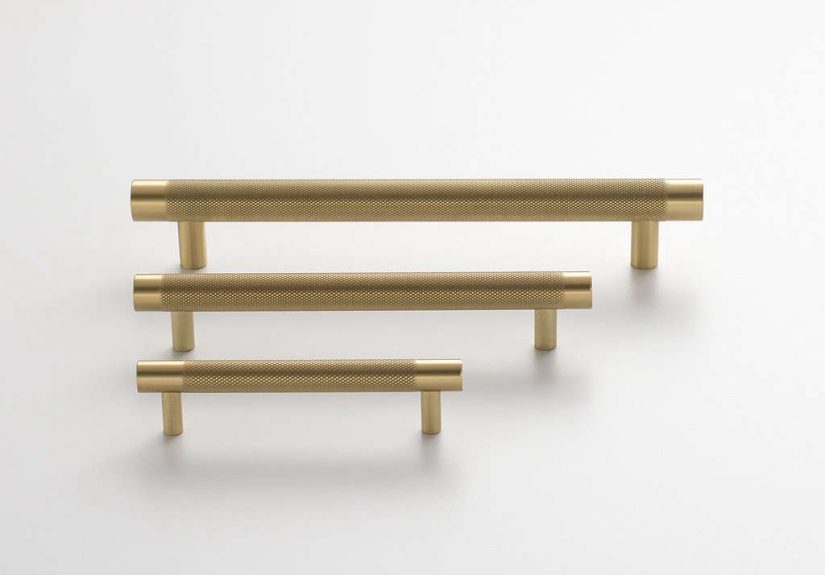
“Knurling” is a textured patternoften a diamond crosshatch or linear ribbingpressed or cut into metal.
You’ve probably felt it on tool handles, camera dials, or fancy water bottles that mean business.
On cabinet hardware, knurling does two things really well:
- It improves grip, especially when your hands are wet, soapy, or mid-cooking chaos.
- It adds visual interest without needing a loud shape or oversized silhouette.
A knurled pull is usually a bar-style handle with the knurled texture in the center (or across the full length).
That little “tactile moment” is what makes it feel more premium than a standard smooth pull.
What “Natural Brass” Means (and Why People Love It)
The term natural brass typically refers to a warm, golden brass finish that isn’t heavily tinted
or artificially darkened. It’s the “true brass” viberich but not orange, bright but not mirror-shiny.
Here’s the important part: natural brass might be lacquered or unlacquered, depending on the brand.
If it’s unlacquered (sometimes called a “living finish”), it will react to air, moisture, and touch,
gradually developing patinadarker tones, soft variation, and character that looks earned rather than manufactured.
If it’s lacquered, it’s sealed to slow down oxidation and keep the color more consistent.
Neither option is “right,” but they behave differently. If you want your hardware to age like leather bootsbetter
with timeunlacquered natural brass is your friend. If you want it to look like it did on day one for as long as
possible, look for a lacquered or sealed natural brass.
Why Knurling + Natural Brass Works So Well
1) It’s functional texture (not just decoration)
Kitchens and bathrooms are hands-on spaces. A textured grip can actually make pulls easier to useespecially on
heavy drawers, integrated-panel dishwashers, or appliances where you want a confident grab instead of a slippery
pinch.
2) It reads modern, but doesn’t fight traditional cabinetry
Knurling has an industrial/mechanical vibe, but natural brass keeps it warm and inviting. That combo bridges styles:
shaker cabinets, flat-panel fronts, inset doors, even vintage furniture all play nicely with it.
3) Brass loves light
Natural brass has a glow that catches ambient light and makes cabinetry feel less flat. If your kitchen leans neutral
(white, greige, oak, walnut, charcoal), brass adds depth without needing a bold paint color.
Where a Knurled Natural Brass Pull Looks Best
Kitchens
This is the classic use case: cabinet doors, drawers, pantry doors, and appliance pulls. Knurled pulls are especially
good on frequently used drawers (utensils, trash/recycling, prep tools) because they hold up visually and feel good
in daily use.
Bathrooms
Bathrooms benefit from the grip factor. Between wet hands and towel juggling, hardware that’s easy to grab is a
genuine quality-of-life upgrade. Natural brass also pairs beautifully with marble, quartz, white tile, and warm woods.
Furniture upgrades
Dressers, sideboards, nightstands, and vintage finds can look custom with knurled pulls. It’s one of the fastest ways
to make a basic piece feel “designer,” especially if you match scale and spacing thoughtfully.
Appliance panels and heavy fronts
For integrated appliances or large pantry doors, consider longer pulls or “appliance pull” styles for better leverage.
The knurled texture helps when you’re pulling with a single hand (or an elbow… we’ve all been there).
Choosing the Right Size: The Center-to-Center Rule You Can’t Ignore
Cabinet pulls are typically sized by center-to-center (CTC) measurementmeaning the distance between
the two screw holes. This matters because if you’re replacing existing pulls, matching the CTC can save you from
drilling new holes (and entering the “why are there extra holes?” era of your renovation).
Common CTC sizes show up in both inches and millimeters. For example, 3 inches is about 76.2mm, and 5-1/16 inches is
often listed as 128mm. Many brands use mm sizing, especially for contemporary lines, so don’t panicthis is normal,
not a secret hardware conspiracy.
Quick practical sizing guidelines
- Small drawers (12–18″): 3″ to 5″ CTC often looks balanced.
- Medium drawers (18–30″): 5″ to 8″ CTC is a common sweet spot.
- Wide drawers (30–36″+): go longer (10″+) or use two pulls for symmetry and strength.
Also pay attention to projection (how far it sticks out). A pull that’s too flat can be annoying to
grab; too deep can snag pockets or feel bulky in tight walkways. Knurled pulls often have a modest, comfortable
projection that feels “right” in busy spaces.
Hardware Placement: Make It Look Custom (Without Hiring Anyone)
Great hardware can still look off if placement is inconsistent. The goal is simple: repeatable, intentional alignment.
Here are placement habits that consistently look polished:
Cabinet doors
- Place pulls on the stile opposite the hinges (the vertical frame piece).
- Align the pull with the top or bottom rail depending on whether it’s an upper or base cabinet.
- Keep placement consistent across the whole kitchen for that “built-in” look.
Drawer fronts
- Center pulls on drawer fronts for a clean, classic look.
- On stacked drawers, slightly shifting lower pulls upward can create a more visually centered appearance.
One underrated trick: temporarily stick pulls in place (with removable putty or painter’s tape support),
step back, and look at the full wall of cabinets. If something feels “off,” it’s cheaper to move putty than patch holes.
Installation: The “Measure Twice, Drill Once, Celebrate Forever” Part
Installing cabinet pulls is a DIY-friendly job, but precision is everything. Your best friend is a
jig or templateeither store-bought or DIYbecause it keeps every hole consistent.
Tools you’ll want
- Drill and the correct bit size
- Measuring tape or ruler
- Pencil + painter’s tape (for marking without damage)
- A hardware jig or template
- Screwdriver for final tightening (avoid over-torquing with a drill)
Step-by-step installation flow
- Decide placement and test on one door and one drawer first.
- Mark centers carefully; use tape to reduce chipping on painted surfaces.
- Set your jig to the correct CTC spacing and confirm alignment before drilling.
- Drill pilot holes (clean, straight, and not too deep).
- Install screws from the inside and tighten snuglydon’t overtighten.
If you’re working with thicker drawer fronts (or double fronts), you may need longer screws. Many quality pulls include
standard screws, but it’s normal to swap lengths for custom cabinetry.
Care and Cleaning: Keep the Brass Beautiful (Without Ruining It)
Natural brass is gorgeous because it has dimensionand that dimension comes from how it reflects light and how it ages.
Your care routine depends on whether your brass is lacquered or unlacquered.
If your natural brass is unlacquered (living finish)
- Daily care: wipe with a soft, dry cloth to remove fingerprints and moisture.
- Occasional cleaning: warm water + a tiny drop of mild dish soap, then rinse and dry immediately.
- Patina strategy: polish rarely (or never) if you want that mellow aged look.
Expect fingerprints early on. It’s not damageit’s the brass beginning to tell its story. Over time, those marks blend
into a more uniform patina that looks intentional and warm.
If your natural brass is lacquered (sealed)
- Use only mild soap and water, then dry thoroughly.
- Skip polishes and harsh cleanersthey can cloud or strip lacquer.
- Avoid ammonia-based cleaners (they can be rough on coatings).
In other words: treat lacquered brass like a nice pair of sunglasses. Wipe gently, don’t scrub it like a cast-iron pan.
What to Look for When Buying a Knurled Natural Brass Pull
1) Material: solid brass beats plating for longevity
Solid brass tends to feel heavier and more substantial, and it holds up better as a high-touch surface.
Brass-plated hardware can look great, but aggressive cleaning or years of wear may reveal the base metal underneath.
2) Knurling quality: crisp, even texture
Good knurling looks uniform and feels comfortablegrippy without being sharp. If it feels like it could sand your
fingerprints off, that’s… a design choice. Probably not the one you want.
3) Finish clarity: “natural” should look warm, not orange
A quality natural brass finish reads as golden and refined, not overly yellow. It should complement both warm and cool
cabinet colors without looking brassy in the bad way (you know the way).
4) Included hardware and options
Good pulls include mounting screws and offer multiple sizes so you can keep the same design language across doors,
drawers, and appliances.
Style Pairings That Always Work
White cabinets + natural brass knurling
This is the modern classic. Brass warms up white cabinetry and adds contrast without the starkness of black hardware.
Knurling adds texture that keeps the look from feeling too “builder basic.”
Natural wood (oak, walnut) + brass
Wood and brass together feel grounded and high-end. Knurled pulls especially complement wood grain because both bring
tactile richnessone through texture, the other through pattern.
Deep colors (navy, forest, charcoal) + brass
If you want drama that still feels timeless, natural brass against a deep paint color is a home run. The brass reads
brighter, the cabinets feel richer, and the whole setup looks considered.
Common Mistakes (So You Don’t Have to Learn the Hard Way)
- Mixing too many finishes: pick one dominant metal and one supporting metal, max.
- Inconsistent placement: use a jig, even if you’re “pretty good at eyeballing.”
- Wrong screw length: don’t force itswap screws to match your drawer thickness.
- Over-cleaning living brass: if you want patina, let it happen. Constant polishing resets the story.
Why This Tiny Detail Feels Like a Big Upgrade
A knurled pull in natural brass hits the rare intersection of beauty + function + longevity.
It feels good to use, it looks intentionally designed, and it can evolve with your space rather than looking dated
in two years.
The best part? It’s a relatively small change that makes your everyday interactionsopening drawers, grabbing pantry doors,
starting your morning coffee routinefeel just a little more satisfying. That’s the kind of “luxury” that actually earns
its keep.
Real-World Experiences with Knurled Pulls in Natural Brass (Extra Notes)
People tend to fall for knurled natural brass pulls in two stages: first with their eyes, then with their hands.
In real homes, the texture becomes the feature you didn’t know you neededlike soft-close drawers, but for your fingers.
In busy kitchens, the biggest “aha” moment is grip. Homeowners often notice it when their hands are damp from washing
produce or when they’re opening the trash pull-out with one hand while holding something messy with the other.
Smooth pulls can feel slippery in those moments; knurling gives you traction without forcing you to pinch harder.
It’s a tiny ergonomic win that adds up fast, especially on heavier drawers loaded with pots, pans, or small appliances.
Natural brass brings its own real-life storyline. Early on, you might see fingerprints or slightly darker spots where
you touch the pull most. This is where expectations matter: if you chose an unlacquered “living” finish, that change
isn’t failureit’s the point. Over weeks and months, those high-touch areas often mellow into a soft, blended patina.
The hardware starts to look less like something you installed and more like something that belongslike it’s been there
long enough to have a personality.
In bathrooms, people commonly report liking knurled pulls because they feel secure when you’re rushingwet hands,
lotion, steam, and all. Natural brass also has a flattering warmth against white tile and stone. In smaller bathrooms,
that warmth can make the whole space feel less clinical without adding clutter. It’s a “tiny jewelry” effect that still
stays practical.
For furniture upgradesdressers, sideboards, nightstandsthe experience is usually visual first: the piece instantly
looks more expensive. But then the tactile part kicks in: every time you open a drawer, the texture reinforces that
“custom” feeling. People who like minimalist rooms often appreciate knurling because it adds detail without adding
busyness. It’s interest you can feel, not something that has to shout.
One recurring lesson from DIY installs: the jig is worth it. Many homeowners start out thinking they can measure carefully
and freehand every hole, and some absolutely can. But if you’re installing 20–40 pulls, fatigue is real, and one slightly
off hole becomes the only thing your eyes see afterward. The folks happiest with the final look are usually the ones who
tested placement on one door and one drawer, adjusted once, and then repeated that exact placement everywhere.
Finally, there’s the “unexpected satisfaction” factor. A knurled natural brass pull isn’t just decorativeit’s a daily
touchpoint. When something feels good in your hand and looks good in your space, you notice it more often than you’d
expect. And that’s the secret: the upgrade is small, but the enjoyment is frequent.