Table of Contents >> Show >> Hide
- The Quick Answer: Yes, Season 2 Is Real, and It Is Already Making Noise
- The Pitt Season 2 Release Date on HBO Max
- The Pitt Season 2 Cast: Who Is Back and Who Is New?
- The Pitt Season 2 Plot: What Is It About?
- Does Season 2 Spoil Itself by Going Bigger?
- Latest The Pitt Season 2 News
- Why The Pitt Still Feels Different From Other Medical Dramas
- Should You Watch The Pitt Season 2?
- Final Verdict
- What Watching The Pitt Season 2 Feels Like: A Fan Experience
- SEO Tags
If your TV watchlist has been looking a little sleepy lately, The Pitt Season 2 has no intention of letting it nap. HBO Max’s medical drama came back with more pressure, more emotional wreckage, more hallway-speed dialogue, and the kind of “just one more episode” energy that turns a normal Thursday night into a personal scheduling crisis. In other words, the doctors are back, the trauma bay is louder than ever, and your stress level may now be medically relevant.
Season 2 of The Pitt has arrived as one of the most talked-about medical TV returns in recent memory, and for good reason. The show is not trying to be glossy comfort food. It is not serving romance-first hospital fluff with a side of shiny stethoscopes. Instead, it doubles down on the messy, bruising, high-stakes reality of emergency medicine, while still making room for character growth, dark humor, and the occasional line delivery that makes you want to clap at your screen like a very invested raccoon.
So what exactly is going on with The Pitt Season 2 on HBO Max? Here is the full breakdown of the cast, plot, release schedule, and biggest news around the series right now.
The Quick Answer: Yes, Season 2 Is Real, and It Is Already Making Noise
Let’s start with the headline most fans came for: The Pitt Season 2 is no longer a rumor, a wish, or a “maybe if the TV gods smile upon us” situation. It is here, it premiered on HBO Max in January 2026, and it continues the show’s distinctive real-time structure with another long, brutal ER shift. Even better for fans who hate emotional uncertainty almost as much as fictional triage, the series has already secured a Season 3 renewal.
That means HBO Max is not treating The Pitt like a one-off critical darling. It is treating it like a real franchise player. For viewers, that is great news. For the characters, unfortunately, it probably means several more shifts from absolute hell.
The Pitt Season 2 Release Date on HBO Max
The Pitt Season 2 premiered on Thursday, January 8, 2026, on HBO Max. Like Season 1, the new season follows a weekly release pattern instead of dumping every episode all at once. That choice feels smart for a show like this. A binge is fun, but a weekly rollout gives the emotional damage time to marinate.
Season 2 runs for 15 episodes, with each episode covering one hour of a single punishing shift. The finale is scheduled for April 16, 2026, which means fans still have time to obsess over every patient case, every glance between colleagues, and every sign that Dr. Robby may or may not be one bad day away from combusting into a cloud of pure exhaustion.
The weekly release model also helps The Pitt feel like event television. That matters. A lot of streaming dramas vanish into the algorithmic fog five minutes after release. This one keeps people talking between episodes, swapping theories, sharing reactions, and collectively whisper-screaming about whatever fresh workplace nightmare rolled through the ER that week.
The Pitt Season 2 Cast: Who Is Back and Who Is New?
The biggest reason The Pitt works is not just the format. It is the cast. This show has built an ensemble that feels lived-in, tense, funny, and human. Nobody seems imported from Planet Generic TV Doctor. Even when characters clash, they feel like coworkers who have survived too much together rather than scripted mouthpieces standing under expensive hospital lighting.
Returning cast members in Season 2
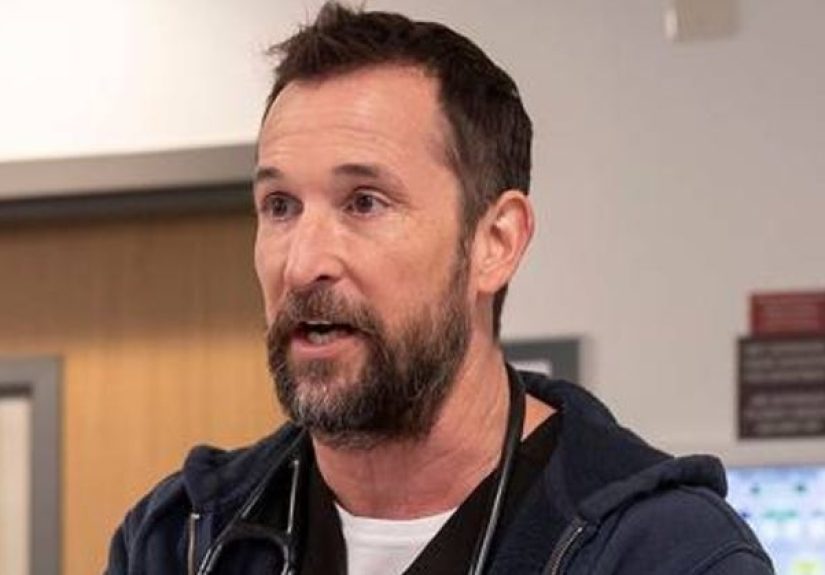
At the center is Noah Wyle, back as Dr. Michael “Robby” Robinavitch, the attending physician whose intelligence, authority, and emotional wear-and-tear make him the pulse of the series. Wyle gives the role a battered gravity that never feels performative. He plays Robby like a man held together by skill, duty, and maybe one coffee too many.
Also returning are Katherine LaNasa as charge nurse Dana Evans, Patrick Ball as Dr. Frank Langdon, Shawn Hatosy as Dr. Jack Abbot, Taylor Dearden as Dr. Mel King, Fiona Dourif as Dr. Cassie McKay, Supriya Ganesh as Dr. Samira Mohan, Isa Briones as Dr. Trinity Santos, Gerran Howell as Dennis Whitaker, and Shabana Azeez as Victoria Javadi.
This is one of the best ensemble lineups on streaming right now because the characters do not all occupy the same note. Dana is sharp and seasoned. Langdon brings baggage and tension. Abbot has a grounded, veteran presence. Mel remains one of the show’s most intriguing minds. Santos still knows how to be brilliant and difficult in the same breath. Whitaker and Javadi continue to evolve in ways that feel earned rather than forced.
New faces shaking up the ER
Season 2 adds important new energy through Sepideh Moafi as Dr. Baran Al-Hashimi, a new attending physician whose arrival changes the power balance in the emergency department. She is not there to quietly hold a clipboard and nod at Robby’s methods. She arrives with ideas, authority, and her own approach to medicine, which immediately creates friction. That tension gives the season one of its most compelling engines.
Laëtitia Hollard also joins as Emma, a young nurse trying to find her footing in an environment that is educational in the same way a hurricane is a weather lesson. Emma’s presence gives the season a fresh pair of eyes while deepening the show’s ongoing interest in mentorship, vulnerability, and what it costs to enter a profession that asks for everything.
Season 2 also expands its bench with recurring and guest players, giving the hospital a larger, more layered ecosystem. That helps the show feel less like a stage set and more like a living institution where every hallway has history and every shift comes with a new collision of personalities.
The Pitt Season 2 Plot: What Is It About?
The big structural hook is simple and brilliant: Season 2 jumps roughly 10 months after the events of Season 1 and unfolds over another single 15-hour shift, this time during Fourth of July weekend. If that sounds chaotic, congratulations, you understand both America and emergency medicine.
Moving the action to a holiday weekend is an inspired choice. It gives the show a built-in sense of danger before anyone even enters the trauma bay. Fireworks, injuries, alcohol, overcrowding, heat, bad decisions, public events, and understaffed systems are already a combustible mix. In The Pitt, that backdrop becomes a pressure cooker for everything the characters are already carrying.
The time jump also allows the writers to reset the board without erasing consequences. These people have changed. Their jobs have shifted. Their wounds have not magically vanished because a season break happened. Some relationships are more strained. Some careers have advanced. Some characters are returning to the hospital with unfinished business and the kind of eye contact that could power a small city.
Robby enters the season facing questions about his own limits and what it means to step away, even temporarily, from a department that feels like an extension of his identity. Langdon’s return to work adds another emotional charge, especially given everything that happened before. Dana is back, but not untouched. The younger doctors are no longer quite so green, which means they get to make bigger decisions and, naturally, bigger mistakes.
Just as importantly, Season 2 continues the show’s interest in real issues affecting health care workers and patients. The new season digs into mental health strain, post-traumatic stress, technology and AI in hospital systems, insurance pressure, immigration-related fear in emergency settings, and the daily ethical chaos of practicing medicine inside a broken larger system. That gives the show weight without turning it into a lecture. The Pitt is at its best when it lets the politics and policies arrive through human consequences, not speeches.
Does Season 2 Spoil Itself by Going Bigger?
No, and that may be one of the smartest things about it.
Many second seasons make the classic streaming mistake: if the first season worked, the next one must be louder, twistier, shinier, and approximately 300% more “important.” The Pitt mostly avoids that trap. Season 2 expands the world, but it does not abandon the intimate, character-first tension that made Season 1 land. The show still understands that a hard stare at the nurses’ station can be as gripping as a massive trauma case when the emotional groundwork is solid.
That restraint keeps the series from collapsing under its own ambition. There is scale here, but it is grounded scale. The point is not to turn the ER into an action movie. The point is to show how ordinary systems crack under extraordinary pressure and how the people inside them keep trying anyway.
Latest The Pitt Season 2 News
There is already plenty of movement around the show, which tells you HBO Max knows it has something valuable on its hands.
Season 3 is already confirmed
The best piece of news for fans is simple: The Pitt was renewed for Season 3 ahead of the Season 2 debut. That kind of confidence says a lot. It means the platform sees the show not just as a prestige win, but as a durable hit with real momentum.
In a streaming era where viewers are trained to fear cancellation like a lurking monster under the bed, a fast renewal is the TV equivalent of hearing your doctor say, “Actually, the test results look pretty good.” Unexpectedly comforting.
The finale is getting special event treatment
Another headline-worthy update: the Season 2 finale is getting advance screenings at select Alamo Drafthouse locations before it lands on HBO Max. That is not something streamers do for every show. It suggests that The Pitt has crossed into “people want to watch this together” territory, which is increasingly rare and increasingly valuable.
A hospital drama making the leap from weekly streaming hit to communal event says a lot about how deeply this show has connected with viewers.
Why The Pitt Still Feels Different From Other Medical Dramas
Medical TV is one of the most crowded genres on the planet. Doctors have solved crimes, kissed in stairwells, broken hospital rules for love, monologued beside elevators, and somehow found time to look like magazine covers while doing all of it. So why does The Pitt stand out?
Because it feels stubbornly interested in labor. In fatigue. In systems. In what it means to do skilled, human work while surrounded by bureaucracy, trauma, liability, and impossible odds. The series is intense, but not in a flashy way. It is intense in a “you can feel the fluorescent lights” way.
The real-time format helps, too. Each hour matters. Small decisions ripple forward. People do not get the luxury of a dramatic fade-to-black and a convenient emotional reset. When the show says the shift is long, you feel it. By the time the characters are fraying, the audience is right there with them, gripping a snack they forgot to eat.
Should You Watch The Pitt Season 2?
Yes, especially if you liked Season 1. But even if you are new, this is the kind of show that can win you over fast if you like tense ensemble storytelling, sharp performances, and TV that trusts viewers to keep up.
Season 2 offers more than just “more of the same.” It takes the foundation of the first season and adds new authority conflicts, new institutional pressures, and more emotional fallout. It knows its characters better now, which makes the writing feel even more confident.
If you want a clean, easy, soothing hospital drama, this may not be the one. If you want a smart, bruising, deeply watchable series that remembers doctors and nurses are people before they are plot devices, The Pitt remains one of the best bets on HBO Max.
Final Verdict
The Pitt Season 2 on HBO Max is exactly what a strong second season should be: bigger in scope, richer in character dynamics, and still faithful to the original hook that made the show stand out. The cast is excellent, the Fourth of July setting is a clever pressure amplifier, the new additions fit naturally, and the ongoing story gives Noah Wyle and the ensemble plenty of bruised, complicated material to play.
Most importantly, the show still understands the thing that separates a memorable medical drama from forgettable content sludge: medicine is only half the story. The other half is the people doing the work while the system asks too much of them. The Pitt does not just dramatize emergencies. It dramatizes endurance.
So yes, scrub in. Just maybe do not expect to leave emotionally unstained.
What Watching The Pitt Season 2 Feels Like: A Fan Experience
Watching The Pitt Season 2 feels a little like getting handed a clipboard, a cup of stale hospital coffee, and a warning that nobody has time to explain anything, but you still need to keep up. That is meant as a compliment. The show drops viewers back into this world with confidence. It does not pause every five minutes to remind you who everyone is or why the job is hard. It assumes you can feel the pressure almost immediately, and somehow that makes the experience more immersive.
One of the best parts of watching Season 2 is how lived-in the characters feel now. You are not meeting them anymore. You are returning to them. That creates a very different emotional texture. The glances hit harder. The frustration lands faster. When someone is short with a colleague, it does not feel like a random scripted beat. It feels like there are ten months of baggage sitting behind one clipped sentence. For a viewer, that is catnip.
The weekly release schedule makes the experience even better. Every episode leaves just enough emotional smoke in the air that you want to talk about it with someone immediately. You do not want to quietly move on with your day after an hour of moral panic, medical improvisation, and workplace intensity. You want to text a friend. You want to go online. You want to say, “Did you see what happened with Robby?” or “I swear this hospital needs five more therapists and a nap room the size of a football field.”
There is also something weirdly satisfying about how the show respects the audience. The Pitt does not flatten every idea into a speech or spoon-feed every emotional beat. Sometimes it lets silence do the work. Sometimes it trusts you to notice how a character’s posture changes, or how a returning doctor carries old shame into a new shift. That kind of storytelling makes the viewing experience richer. It asks for attention, but it rewards it.
Season 2 especially feels like the kind of television that sticks with you after the credits. Not because it is trying to be shocking every second, but because it captures the cumulative weight of hard work in an impossible environment. The best moments are not always the loudest. Sometimes the most affecting beat is a tired face, a strained joke, or a split-second decision made by someone who knows they will replay it in their head later.
And then there is the sheer physical rhythm of the show. Watching The Pitt can be exhausting in the best way because it mimics the relentlessness of the job. Patients keep coming. Problems overlap. Personal feelings do not politely wait their turn. The result is a season that feels urgent without becoming chaotic for the sake of chaos. It is controlled stress, crafted with purpose.
For longtime fans of medical dramas, Season 2 can also feel a bit refreshing, almost corrective. It reminds you that the genre does not need to rely on absurd twists or soap-opera overload to stay compelling. A great cast, smart writing, and a believable workplace can do plenty of heavy lifting. Imagine that: competence, but make it gripping.
By the end of an episode, you may feel wrung out, impressed, anxious, and oddly eager to go back for more. That is probably the clearest sign that The Pitt has found something special. It turns stress into storytelling, routine into drama, and a fluorescent-lit emergency department into one of the most absorbing spaces on television right now.