Table of Contents >> Show >> Hide
- The One Thing You Should NOT Do: Don’t Swat It
- What To Do Instead: A Calm, Strategic Exit Plan
- When “One Wasp” Might Mean “There’s a Nest Nearby”
- Quick ID: Wasp, Yellow Jacket, or Hornet?
- When to Call Pest Control (AKA: When It’s Officially Not Your Job)
- If You Get Stung: What to Do (and When to Get Help)
- Prevention: How to Make Your Home Less “Wasp-Friendly”
- Common Questions (Because the Internet Has Made Us All Suspicious)
- Conclusion: Keep the Magazine Down
- Experiences: 4 Real-Life “Wasp in the House” Moments (and What They Taught Me)
You’re minding your businessfolding laundry, scrolling your phone, dramatically ignoring your inboxwhen you hear it:
bzzzzzz. You turn. There it is. A wasp. In your house. Acting like it pays rent.
Your brain immediately offers several “solutions,” most of which involve panic, flailing, and a rolled-up magazine that suddenly feels
like a medieval weapon. Totally relatable. Also: not the move.
Pest pros agree there’s one knee-jerk reaction that can turn a minor situation into a spicy indoor action movie. Let’s talk about the
one thing you should not doand what to do instead.
The One Thing You Should NOT Do: Don’t Swat It
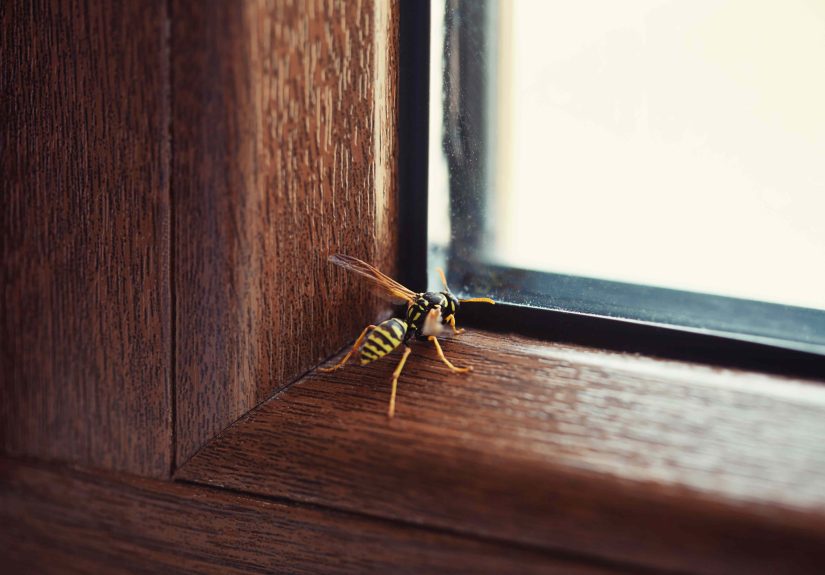
Yes, even if it’s hovering near your face like it’s trying to read your thoughts. Even if it’s landed on the window like it’s auditioning
for a horror film. Don’t swat it.
Why swatting is a bad idea (besides the obvious “it might sting you”)
- Swatting can make the wasp feel threatened, and threatened wasps tend to defend themselves with confidence and extra determination.
-
Crushing a wasp can release “alarm” chemicals that signal dangeressentially a tiny chemical SOS that can ramp up defensive behavior.
(Not ideal, especially if there’s more than one wasp nearby or a nest outside.) - You’ll probably miss. Wasps are quick, and a missed swat is like telling it, “Hello, I am a large animal who would like to start drama.”
In other words: swatting increases the odds you’ll get stung, and it can escalate the situation fast. Your goal isn’t “win the duel.”
Your goal is “get it out safely with minimal chaos.”
What To Do Instead: A Calm, Strategic Exit Plan
If you take nothing else from this article, take this: slow is smooth, smooth is safe. Here’s the pest-pro-approved playbook.
Step 1: Pause, assess, and protect the small roommates
Keep movements slow. If kids or pets are nearby, calmly move them to another room. Close interior doors if you can do it without
cornering the wasp. (Cornered wasps are not known for their negotiation skills.)
Quick safety note: if anyone in your home has a history of severe allergic reactions to stings, take extra caution and skip straight to the
“call a pro” section if you’re not confident handling this.
Step 2: Give it a clear way out (and make that exit “the obvious choice”)
In many cases, a wasp indoors is a lost traveler that came in through an open door, window, vent gap, or a tiny screen tear.
Your best first move is to open a nearby window or door and let it leave on its own.
- Open the closest exit to where you see the wasp (don’t chase it through the house).
- Turn off indoor lights in that room if it’s safe to do so.
- Leave one bright “path” to daylight (like the open window with sunlight).
Why this works: wasps often orient toward light. You’re basically setting up a tasteful, well-lit runway that leads outside.
Step 3: Use the “glass and paper” method (the classic, no-drama capture)
If it’s not leaving, or it has landed somewhere convenient (window, wall, cabinet), do this:
- Grab a clear glass or cup (transparent helps you see what’s happening).
- Gently place it over the wasp while it’s sitting still.
- Slide a stiff piece of paper or thin cardboard under the rim.
- Carry it outside and release it away from doors and windows.
This method avoids direct contact, avoids swatting, and avoids turning your living room into a “floor is lava” obstacle course.
Step 4: A mild “soap and water” mist (only if you need to slow it down)
Some pros recommend a gentle dish-soap-and-water spray as a last resort for a single wasp indoors. A light mist can interfere with the
wasp’s ability to fly, making it easier to contain. If you try this, use a very light spray and keep distanceyour goal is to reduce
flight, not start a chemical battle inside your kitchen.
If the wasp is actively zooming around your head, skip the spray idea and focus on the exit plan or the trap-and-release method once it lands.
When “One Wasp” Might Mean “There’s a Nest Nearby”
A single wasp in the house is often just a wrong turn at Albuquerque. But repeated sightings can be a clue that something else is going on.
Red flags that suggest a bigger issue
- You see wasps indoors repeatedly over several days.
- You notice wasps gathering near one window, vent, or light fixture.
- You hear faint scratching/buzzing inside a wall, ceiling, or attic area.
- You see wasps entering/exiting a specific exterior gap (siding, soffit, eaves, vents).
In those cases, you’re not dealing with a single visitoryou’re dealing with a consistent entry route or a nest location.
Quick ID: Wasp, Yellow Jacket, or Hornet?
Most people use “wasp” as the umbrella term, but different stinging insects behave differently. You don’t need to become an entomologist
overnight, but a quick ID can help you gauge risk.
Paper wasps
Often slimmer with longer legs that can dangle in flight. They commonly build open, umbrella-like paper nests under eaves and overhangs.
They’re generally less aggressive away from the nest, but they can get defensive if the nest is disturbed.
Yellow jackets
More compact and often more defensiveespecially late summer when they’re scavenging around trash and food. Nests can be underground
or inside wall voids. Avoid crushing them; it can increase defensive behavior.
Hornets (like bald-faced hornets)
Larger, with enclosed paper nests often in trees or along structures. They can be highly defensive near their nest.
If you’re unsure what you’re looking at, treat it cautiously and prioritize safe removal over heroics.
When to Call Pest Control (AKA: When It’s Officially Not Your Job)
Sometimes the best DIY move is “don’t.” Consider calling pest control if:
- You suspect a nest in a wall, attic, soffit, chimney, or other hard-to-access space.
- You’ve seen multiple wasps indoors or frequent activity outside near an entry point.
- Anyone in the home is allergic or has had a severe reaction to stings before.
- The nest is large, active, or located where people pass close by.
Pros have the training and equipment to remove nests safely and reduce the chance of stings or wasps relocating into your living space.
If You Get Stung: What to Do (and When to Get Help)
First, breathe. Most stings are painful and annoying, but not dangerous. Basic care often helps:
- Wash the area with soap and water.
- Apply a cold pack to reduce swelling and pain.
- Avoid scratching (easier said than done, but it helps prevent infection).
Seek emergency help if you see signs of a serious allergic reaction
Call emergency services right away if symptoms include trouble breathing, swelling of the face/lips/throat, widespread hives, dizziness,
fainting, or a rapid/weak pulse. Severe reactions can escalate quickly and need immediate medical attention.
Prevention: How to Make Your Home Less “Wasp-Friendly”
Wasps don’t usually pick your home because it has good vibes. They pick it because it has easy access, shelter, light, or snacks.
Here’s how to change that:
Seal entry points (the boring fix that works)
- Repair torn window and door screens.
- Caulk gaps around window frames, exterior trim, and utility penetrations.
- Check weatherstripping and door sweeps.
- Screen attic vents and keep soffits in good repair.
Reduce attractants
- Keep trash cans closed and clean (especially in late summer).
- Don’t leave sugary drinks or food uncovered near open windows or doors.
- Pick up fallen fruit if you have fruit trees (it’s basically a buffet).
Be smart about lights
Some stinging insects are drawn to lights at night. If you notice regular activity around doors and porch lights, reduce nighttime lighting,
switch to motion-activated lighting, or adjust placement so lights don’t pull insects toward entry points.
Common Questions (Because the Internet Has Made Us All Suspicious)
Should I vacuum a wasp?
Some guidance suggests vacuuming stinging insects when they land, especially if you need a no-contact method. If you do, use caution:
keep your distance, consider an attachment hose, and be mindful that stinging insects can sometimes survive briefly. Empty the vacuum
carefully afterward if possible.
Can I just spray indoor bug spray?
Spraying indoors can agitate the wasp and adds chemicals to your air and surfaces. For a single wasp, the calmer options (exit plan, trap-and-release)
are usually better. If you suspect a nest, skip the sprays and call a professional.
Conclusion: Keep the Magazine Down
The “one thing” pest pros don’t want you to do is simple: don’t swat the wasp. It’s risky, it can escalate the situation,
and it’s the fastest path to becoming the main character in a sting-related tragedy.
Instead, stay calm, give it a clear way out, and use a gentle trap-and-release if needed. If it keeps happening, treat it like a cluenot a coincidence
and bring in a pro to check for entry points or a hidden nest.
Experiences: 4 Real-Life “Wasp in the House” Moments (and What They Taught Me)
1) The Bathroom Standoff. One summer afternoon, a wasp appeared in the bathroom like it had an appointment. It hovered near the mirror,
then drifted toward the ceiling light. The instinct was immediate: swat first, ask questions later. But instead, I turned off the bathroom light,
cracked the window, and backed out like I was leaving a meeting early. Ten minutes later, it was gone. Lesson: you don’t have to “defeat” a wasp.
You just have to give it an obvious exit and remove the things that keep it circlinglike bright indoor lights.
2) The “I Missed” Incident. A friend once tried the classic rolled-up newspaper approach in the kitchen. The wasp dodged the swing
(of course it did) and immediately shifted into “now I’m offended” modetight, fast flight patterns and repeated passes near the same spot.
No sting happened, but the mood changed fast. They ended up retreating to the next room and calling someone else to handle it.
Lesson: a missed swat doesn’t just failit can make the wasp more defensive, and it makes you more panicked, which leads to more bad decisions.
3) The Porch Light Party That Turned Into a Living Room Problem. Another time, there was a steady stream of insects around a porch light at night.
The door opened, someone walked in, and a wasp basically followed like it was invited. Once inside, it kept returning to the brightest lamp in the room,
which made everyone think it was “hunting” them. It wasn’t. It was just confused and light-focused. Turning off lamps and opening a bright window solved it.
Lesson: if you’ve got insects clustering by entry doors at night, lighting strategy matters. You can reduce the odds of accidental indoor guests by adjusting
outdoor lights and keeping doors closed when the porch is buzzing.
4) The “Why Are There Two?” Mystery. Seeing one wasp is unsettling. Seeing a second one a few days later makes your brain start doing math.
In one home, repeated wasps showed up near the same window. The fix wasn’t fancy: the window screen had a small tear and the frame gap needed caulk.
Once those were repaired, the “random” wasps stopped appearing. Lesson: recurring indoor wasps are often a home-maintenance issue, not a personal vendetta.
If you keep spotting them in the same area, stop focusing on the wasps and start focusing on the entry point.
If you learn one thing from these stories (besides “wasps have impeccable timing”), it’s this: calm, light-guided exits and simple exclusion work
better than panic and swinging objects. And yes, it’s less exciting. But so is not getting stungalso highly recommended.