Table of Contents >> Show >> Hide
- The Turkey Myth Is Popular for a Reason
- The Real Reason: You Ate a Celebration, Not a Snack
- Carbs and Sugar Make the Snooze More Dramatic
- Fat-Rich Holiday Foods Slow the Party Down
- Alcohol Turns Drowsiness Into a Tag Team Match
- Your Body Clock Has a Vote Too
- Warm Rooms, Long Days, and Zero Urgency Do Not Help
- How to Enjoy Thanksgiving Without Passing Out on the Sofa
- When Post-Meal Fatigue Could Mean Something Else
- The Bottom Line on Thanksgiving Sleepiness
- Thanksgiving Experiences: Why the Sleepiness Feels So Real
- SEO Tags
Every Thanksgiving, it happens right on schedule. The plates are cleared, the pie is making the rounds, and suddenly the room looks like a showroom for recliners. Someone is “just resting their eyes,” someone else is glued to football in a semi-conscious state, and at least one person is blinking like they are trying to stay awake through a college lecture on tax law.
So what is really going on? Why does Thanksgiving dinner make you sleepy? The short answer is that turkey is only part of the story, and not even the starring role people think it is. The real culprit is the full holiday combo: a giant meal, rich side dishes, sugary desserts, alcohol, dehydration, a warm house, and a body clock that is often already drifting toward an afternoon lull. In other words, Thanksgiving sleepiness is not caused by one magical bird. It is caused by a perfect storm wearing elastic-waist pants.
If you have ever wondered whether the famous “turkey coma” is real, this guide breaks down the science in plain English. We will look at tryptophan, blood sugar, digestion, alcohol, circadian rhythms, and the everyday holiday habits that turn a festive meal into nap bait.
The Turkey Myth Is Popular for a Reason
The most common explanation for Thanksgiving drowsiness is turkey. Specifically, people blame an amino acid called tryptophan. That part is not fiction. Tryptophan is real, and your body uses it to help make serotonin and melatonin, two compounds linked to mood and sleep regulation.
So the myth survives because it contains a tiny nugget of truth. Turkey does contain tryptophan. The problem is that people often leap from “contains tryptophan” to “causes instant nap.” That is where the science taps the brakes.
Tryptophan is not a one-bite sedative
Turkey is not uniquely loaded with tryptophan, and it does not contain enough on its own to knock out the average dinner guest. Other foods, including dairy, chicken, seeds, nuts, eggs, and cheese, also contain tryptophan. Yet nobody eats a Tuesday turkey sandwich and immediately face-plants into the keyboard.
There is another twist. Tryptophan has competition. After a meal, it has to share transport pathways with other amino acids from the same protein-rich foods. That means it does not get some VIP express lane straight to your sleepy brain. So yes, tryptophan matters in human biology, but no, your Thanksgiving bird is not secretly moonlighting as anesthesia.
The Real Reason: You Ate a Celebration, Not a Snack
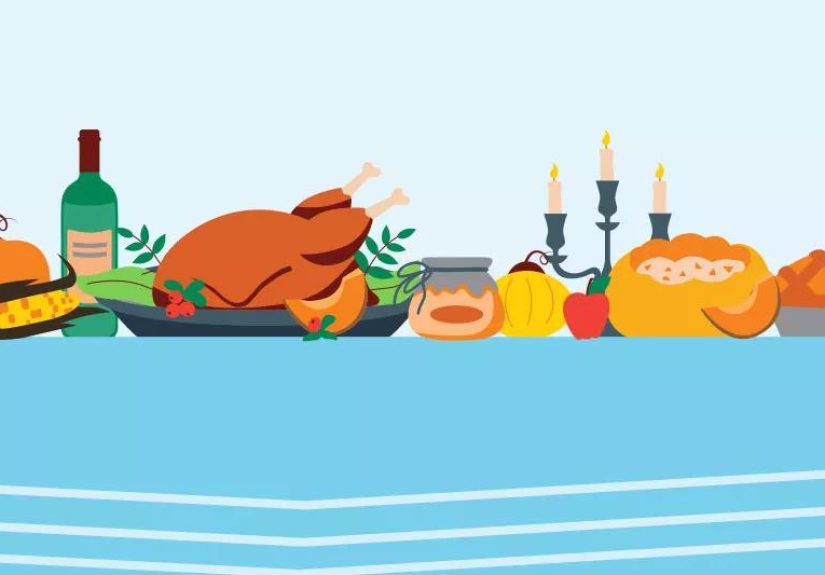
If turkey is not the main villain, what is? The size of the meal is the biggest answer. Thanksgiving dinner is rarely modest. It is a full-scale festival of turkey, stuffing, mashed potatoes, gravy, sweet potatoes, casseroles, rolls, pie, and the phrase “Go ahead, take a little more.”
There is even a medical term for that familiar post-meal slump: postprandial somnolence. That phrase sounds fancy, but it basically means feeling sleepy after eating. It tends to be stronger after larger, higher-energy meals and often peaks within an hour or two after eating. That timing should sound very familiar to anyone who has fallen asleep halfway through the post-dinner cleanup.
Why does a huge meal do this? Your body shifts into “rest and digest” mode. Digestion is active work. When you eat a large amount of food, your gut starts processing the incoming parade. Hormonal signals change, blood glucose changes, and the brain receives messages tied to fullness and satiety. The result is not always dramatic, but it can absolutely leave you feeling heavy, slower, and less mentally sharp.
Big meals do not just fill your stomach; they lower your momentum
Think of Thanksgiving as a metabolic traffic jam. One plate may be manageable. Two plates plus dessert plus a drink plus a “tiny” second slice of pie is a whole different story. The bigger the feast, the stronger the dip can feel.
That is one reason so many people misread the experience. They assume one ingredient caused the crash, when in reality the total calorie load is doing the heavy lifting. Thanksgiving is a team effort, and so is Thanksgiving fatigue.
Carbs and Sugar Make the Snooze More Dramatic
Thanksgiving is not just protein. It is a carbohydrate convention with gravy. Stuffing, dinner rolls, mashed potatoes, macaroni and cheese, sweet potato casserole, cornbread, cranberry sauce, and pie can all pile on quickly. Many of these foods are rich in refined carbohydrates or sugars, especially when eaten in large portions.
That matters because higher-carb meals can affect how energized or sluggish you feel afterward. Rapid shifts in blood sugar are one reason some people feel sleepy after eating. When a holiday meal leans heavily on refined carbs and dessert, the after-effects can feel like your body hit the dimmer switch.
And let us be honest: most Thanksgiving plates are not balanced in the way a dietitian would frame on a poster. They are built for comfort, nostalgia, and strategic gravy placement. Delicious? Absolutely. Optimized for alertness? Not exactly.
It is the combo that matters most
One slice of pie is not likely to flatten you. A heaping plate of turkey, stuffing, potatoes, rolls, sweet sides, pie, and sweet drinks? That is another matter. The mix of high-calorie, high-carb, and high-fat foods can make the post-meal crash feel much more dramatic than turkey alone ever could.
Fat-Rich Holiday Foods Slow the Party Down
Thanksgiving favorites are often rich, buttery, creamy, and gloriously excessive. That is part of their charm. But meals high in fat can also feel heavier and more sluggish afterward, especially when paired with a very large portion size.
Creamy casseroles, buttery mashed potatoes, rich gravies, roasted meats with skin, and pie crusts add up fast. Fat does not make you “bad,” of course, but a meal built around lots of rich foods can sit heavier than a lighter, more balanced dinner.
In practical terms, that means your body is trying to process a meal that is not only large, but dense. The result can feel like someone quietly replaced your bloodstream with mashed potatoes.
Alcohol Turns Drowsiness Into a Tag Team Match
Now add wine, beer, cocktails, or a holiday punch, and the sleepiness story gets even more interesting. Alcohol can make you feel relaxed and drowsy at first, which is why some people blame it for the immediate Thanksgiving slump. That part is fair. Alcohol is a sedative.
But alcohol is also sneaky. It may help you feel sleepy in the short term while hurting sleep quality later. It can fragment sleep, increase early waking, and leave you feeling more tired rather than truly rested. So that glass or two of wine may be giving you both a post-dinner yawn and a worse night of sleep afterward. Very festive. Very rude.
Alcohol can also irritate the stomach, add more calories, and contribute to dehydration, which may make the whole post-feast experience feel even less graceful.
Your Body Clock Has a Vote Too
Even without a giant meal, many people feel a natural dip in alertness during the afternoon or early evening. That is where circadian rhythms come in. Your body runs on a roughly 24-hour internal clock, and energy is not perfectly steady all day long.
Thanksgiving dinner often lands right when people are already slowing down. Add travel, cooking, hosting, early waking, family chaos, and maybe less-than-perfect sleep the night before, and your body is already halfway to the nap zone before the first roll hits the plate.
This is why Thanksgiving sleepiness can feel so universal. It is not just the food. It is the timing, the routine disruption, and the sheer emotional weight of a major holiday. Even happy stress is still stress.
Warm Rooms, Long Days, and Zero Urgency Do Not Help
There are also holiday conditions that never get enough blame. The house is warm. The couch is nearby. The football game is soothing in a strangely hypnotic way. Everyone has mentally declared the day a normal-rules holiday. Nobody is trying to perform advanced math or run a sprint.
That matters. Sleepiness is easier to notice when you finally stop moving. After a busy day of chopping, roasting, baking, visiting, and cleaning, you sit down. Your body catches up with you. Then the meal lands. Then the pie arrives. Then your aunt hands you a blanket “just in case.” At that point, science can only do so much.
How to Enjoy Thanksgiving Without Passing Out on the Sofa
You do not need to turn Thanksgiving into a sad plate of lettuce to stay more awake. A few smart moves can reduce the post-dinner crash without canceling the holiday spirit.
1. Start with reasonable portions
You can always go back for more, but a mountain-sized first plate is often what triggers the hardest slump. Taking smaller portions of rich foods gives you a chance to enjoy everything without overwhelming your system in one sitting.
2. Build a more balanced plate
Protein, fiber, vegetables, and slower-digesting carbohydrates can help the meal feel less chaotic. Yes, you can still eat stuffing. Just maybe do not let stuffing become the entire architectural foundation of the plate.
3. Go easy on alcohol
One drink may feel festive. Several can push you from relaxed to foggy and may leave you sleeping worse later. Holiday cheer does not have to arrive in liquid form.
4. Drink water
Hydration matters more than people think, especially during long holiday meals and social drinking. Water can help you feel better after overeating and may support digestion.
5. Take a walk after dinner
A short walk is one of the best post-Thanksgiving habits. Light movement can support digestion, help with blood sugar, reduce bloating, and keep you from sinking directly into couch mode. Even a ten- to fifteen-minute stroll counts.
6. Get decent sleep the night before
If you show up to Thanksgiving already sleep-deprived, the meal will hit harder. It is much easier to blame the turkey than to admit you stayed up until 1:00 a.m. watching videos and pretending you were “resting.”
When Post-Meal Fatigue Could Mean Something Else
Feeling sleepy after a massive holiday dinner is common. Feeling extremely tired after many ordinary meals is different. If you regularly feel wiped out after eating, especially after smaller meals, it may be worth discussing with a healthcare professional.
In some cases, frequent post-meal fatigue can be related to issues such as poor sleep quality, sleep apnea, anemia, insulin resistance, thyroid problems, or other health concerns. If sleepiness after eating comes with dizziness, confusion, shakiness, chest symptoms, or happens all the time, it deserves real attention.
In other words, a Thanksgiving nap is normal. A daily food coma after a sandwich is a different conversation.
The Bottom Line on Thanksgiving Sleepiness
Why does Thanksgiving dinner make you sleepy? Not because turkey is secretly a sleeping pill. The better explanation is that Thanksgiving combines a huge meal, rich fats, lots of carbohydrates, dessert, alcohol, dehydration risk, disrupted routines, and a body clock that may already be nudging you toward rest.
Tryptophan is part of the story, but it is not the whole screenplay. The real plot twist is that your holiday feast is simply bigger, heavier, sweeter, and more relaxing than your average dinner. That is why the classic post-Thanksgiving slump feels so strong.
So go ahead and enjoy the feast. Just know that if you end up drifting off during the third quarter with a pie fork still in your hand, you were not defeated by turkey alone. You were outnumbered.
Thanksgiving Experiences: Why the Sleepiness Feels So Real
Part of what makes Thanksgiving drowsiness so memorable is not just the biology. It is the experience around it. Thanksgiving is one of those rare meals that arrives with a whole atmosphere attached. The smells start hours before dinner. The kitchen is warm, the oven has been working overtime, and people have been snacking, cooking, standing, tasting, and talking all day. By the time everyone finally sits down, many people are already running on excitement instead of clean, steady energy.
Then comes the meal itself, and it is usually not rushed. Thanksgiving is a slow, lingering dinner. People settle in. They reach for seconds. They argue about whether stuffing belongs inside the bird. They praise the gravy like it deserves a small trophy. Someone says they are too full for dessert and then, in a remarkable display of holiday courage, eats dessert anyway. The body notices all of this.
There is also a psychological exhale that happens after the main meal. Hosting is stressful. Traveling is stressful. Family can be wonderful, but family can also raise your blood pressure before the cranberry sauce even hits the table. Once dinner is over, the tension drops. That drop can feel like a wave of sleepiness because your brain finally gets permission to stop performing. You are no longer cooking, greeting guests, setting dishes out, or pretending you are not checking how long the pie still needs in the oven. You are done. Your body knows it.
The classic Thanksgiving scene proves this point beautifully. A few people end up on the couch. Someone pulls a blanket over their knees “just for a minute.” The television is on, but nobody is fully watching it. A kid is building something out of napkins. An uncle is explaining football with the confidence of a man who may be asleep before halftime. The room gets quieter, softer, slower. That sleepy feeling becomes part of the tradition.
And honestly, that is why so many people remember Thanksgiving fatigue with affection instead of annoyance. It does not usually feel like illness. It feels like fullness, warmth, relief, and the end of a big shared moment. The nap is almost ceremonial. It says: the meal was generous, the day was long, and for one afternoon, the schedule has officially lost control.
So yes, there is science behind why Thanksgiving dinner makes you sleepy. But there is also something deeply human about it. It is the rhythm of a holiday that asks you to gather, eat, linger, laugh, and finally rest. Which, when you think about it, may be the most Thanksgiving thing of all.