Table of Contents >> Show >> Hide
- What Is a Boston Sidecar?
- Boston Sidecar Cocktail Recipe
- Why Rum and Brandy Work So Well Together
- Best Ingredients for a Better Boston Sidecar
- Should You Add a Sugar Rim?
- How the Boston Sidecar Tastes
- Easy Variations to Try
- What to Serve with a Boston Sidecar
- Common Mistakes to Avoid
- Is the Boston Sidecar Strong?
- When to Serve It
- Experience: What It Feels Like to Make and Drink a Boston Sidecar
- Final Thoughts
If the classic Sidecar is the sharply dressed guest at the cocktail party, the Boston Sidecar is that same guest after a beach vacation and one very good decision. It keeps the bright citrus snap and orange-liqueur backbone that made the original famous, then slips in rum beside the brandy for a drink that feels a little sunnier, a little softer, and a little more fun. In other words, it is what happens when elegance loosens its tie.
This Boston Sidecar cocktail recipe with rum and brandy is ideal for home bartenders who want a drink that tastes impressive without requiring a chemistry degree, a smoke gun, or a tiny pair of silver tongs. It is bold but not fussy, citrusy but not puckering, and complex enough to make guests say, “Wait, what’s in this?” before immediately asking for another round.
Below, you’ll find everything you need: the classic recipe, ingredient tips, easy substitutions, serving ideas, flavor notes, common mistakes to avoid, and a longer experience-based section at the end for readers who want more than a simple shake-and-pour answer. If you like cocktails that sit somewhere between a Sidecar, a Daiquiri, and a very good evening, welcome home.
What Is a Boston Sidecar?
A Boston Sidecar is a rum-and-brandy variation on the classic Sidecar. Where the traditional Sidecar usually leans on brandy or Cognac, orange liqueur, and lemon juice, the Boston Sidecar adds light rum to the mix and often uses lime juice for a brighter, more tropical edge. The result is a split-base cocktail that feels both classic and playful.
That split base is the whole magic trick. Brandy brings warmth, fruit, oak, and a soft round finish. Rum adds lift, subtle sweetness, and a cleaner tropical note. Orange liqueur ties them together, while citrus keeps the drink from turning into a syrupy handshake between two strong spirits. Think of it as the cocktail equivalent of pairing a tailored blazer with white sneakers: still polished, but not trying too hard.
Some drink references treat the Boston Sidecar as a close cousin of the Between the Sheets cocktail. That comparison is useful because the drinks share a family resemblance. The big distinction is often the citrus choice: lemon in one camp, lime in the other. For many modern drinkers, that lime-bright version is what gives the Boston Sidecar its identity.
Boston Sidecar Cocktail Recipe
Ingredients
- 3/4 ounce light rum
- 3/4 ounce brandy
- 3/4 ounce triple sec or Cointreau
- 1/2 ounce fresh lime juice
- Ice
- Optional: sugar for the rim
- Optional garnish: orange twist or lime twist
Instructions
- Chill a coupe or cocktail glass for a few minutes.
- If you want a sweeter first sip, lightly rim half the glass with sugar.
- Add the rum, brandy, orange liqueur, and fresh lime juice to a cocktail shaker filled with ice.
- Shake hard for about 12 to 15 seconds, until the outside of the shaker feels properly cold and dramatic.
- Strain into the chilled glass.
- Garnish with an orange twist or lime twist, then serve immediately.
Quick Recipe Notes
This version keeps the drink crisp and balanced. If you like a tarter cocktail, add a touch more lime. If you prefer a richer, rounder finish, use a fuller orange liqueur or a slightly more expressive brandy. If you are tempted to use bottled lime juice, step away from the bottle like it just insulted your family. Fresh citrus matters here.
Why Rum and Brandy Work So Well Together
Rum and brandy sound like they belong to different parties, but in a Boston Sidecar they get along better than most group texts. Brandy contributes dried-fruit depth, gentle oak, and a mellow richness. Light rum brings a cleaner profile with soft sweetness and a faint tropical lift. Together, they create a layered flavor that is more interesting than either spirit alone.
The orange liqueur acts like the translator between them. It smooths the bridge from rum’s light, easygoing character to brandy’s richer and slightly more serious personality. Then the lime juice comes in with enough acidity to keep everything lively. The cocktail ends up tasting bright, balanced, and just dry enough to feel grown-up.
This is also why the Boston Sidecar appeals to people who sometimes find a classic Sidecar a little too sharp or a little too brandy-forward. The rum softens the corners without turning the drink into candy. That is a very narrow tightrope, and this cocktail walks it with style.
Best Ingredients for a Better Boston Sidecar
1. Use a good light rum
Light rum is usually the easiest and most traditional choice for this drink. It keeps the cocktail bright and clean instead of dragging it into molasses-heavy territory. You want something smooth and mixable, not something that tastes like it spent six months trying to become a campfire.
2. Choose a decent brandy or Cognac
You do not need the kind of bottle that lives in a locked cabinet and gets discussed in hushed tones. But you do want a brandy that tastes pleasant on its own. Mid-range Cognac, California brandy, or another quality brandy works well. Since the recipe is simple, every ingredient has nowhere to hide.
3. Pick your orange liqueur wisely
Cointreau is a popular choice because it is dry, bright, and precise. Triple sec also works, especially in a more casual home-bar setup. Orange curaçao can make the drink a little rounder and slightly richer. None of these choices is wrong, but each pushes the cocktail in a subtly different direction.
4. Always squeeze fresh citrus
This is not cocktail snobbery. It is flavor insurance. Fresh lime juice gives the Boston Sidecar its crisp edge and aromatic lift. Bottled juice often tastes flat or bitter and can make a good recipe seem oddly tired. A fresh lime takes seconds to squeeze and saves the entire drink from mediocrity.
Should You Add a Sugar Rim?
The answer is gloriously simple: only if you want one. A sugar rim is traditional in many Sidecar recipes, but it is optional. Some drinkers love that sweet first touch because it softens the tartness and makes the cocktail feel a bit more festive. Others prefer the cleaner, drier version without it.
A smart compromise is to sugar only half the rim. That way, the person drinking can choose each sip like a tiny democracy of taste. Want bright and dry? Drink from the bare side. Want sweeter and softer? Rotate slightly. It is the most elegant form of indecision ever put in a glass.
How the Boston Sidecar Tastes
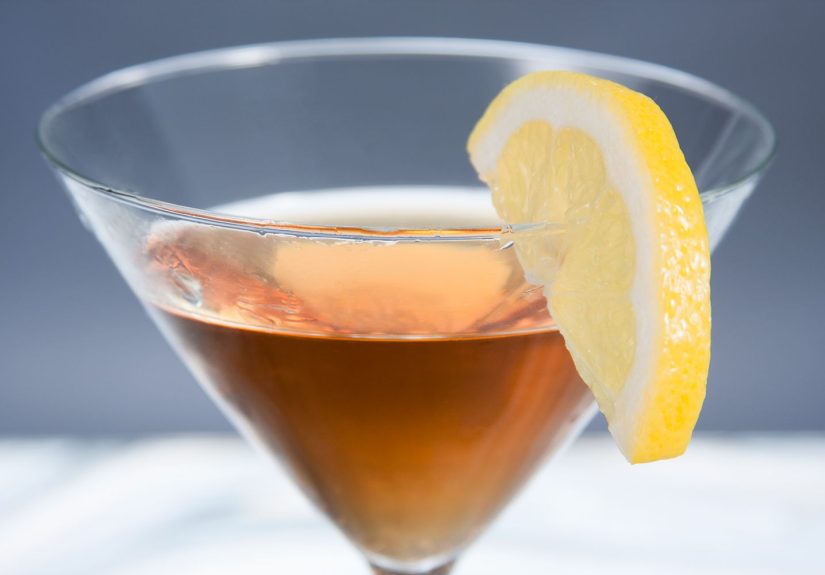
The first sip usually lands with a bright citrus pop, followed by orange peel sweetness and then a warm, lightly fruity finish from the rum and brandy. It is not sugary, but it is not austere either. The texture is silky from the cold shake, and the finish lingers just long enough to remind you this is a real cocktail, not boozy lemonade pretending to be sophisticated.
If you use lime, the drink feels livelier and a little more tropical. If you swap in lemon, it starts leaning closer to a classic Sidecar or a Between the Sheets. That flexibility is part of the drink’s charm. It is classic enough to respect, but forgiving enough to play with.
Easy Variations to Try
Lemon Boston Sidecar
Replace the lime juice with fresh lemon juice for a version that tastes closer to the classic Sidecar family. It is slightly less tropical and a bit more old-school.
Cognac Boston Sidecar
Use Cognac instead of generic brandy for extra depth and a more luxurious finish. This small upgrade can make the drink feel more polished without changing its structure.
Orange Curaçao Version
Swap triple sec for orange curaçao if you want a slightly richer orange note. This variation can feel rounder and more aromatic, especially with a quality brandy.
Dryer House Version
Skip the sugar rim, use Cointreau, and keep the lime precise. This version is bright, brisk, and especially appealing as a pre-dinner cocktail.
Softer After-Dinner Version
Use a richer brandy, rim the glass lightly with sugar, and garnish with an orange twist. That creates a smoother, more relaxed version that fits beautifully after dinner.
What to Serve with a Boston Sidecar
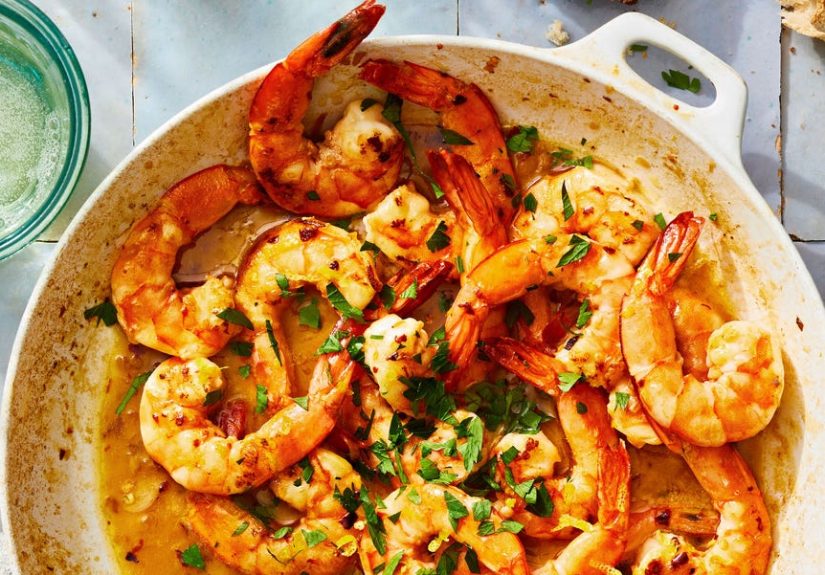
This cocktail pairs especially well with salty, rich, or creamy foods. A cheese board with aged cheddar, nutty Gouda, or triple-cream Brie works beautifully. Citrus-marinated shrimp, roasted nuts, and charcuterie also make excellent companions. If you want something more substantial, roast chicken, pork tenderloin, or even crispy appetizers can hold up well next to the drink’s acidity.
For dessert, go with something restrained. Shortbread, orange cookies, lemon tart, or dark chocolate with candied peel all make sense. The cocktail already brings brightness and structure, so dessert should support rather than start a full Broadway production.
Common Mistakes to Avoid
Using poor-quality spirits
Because this recipe is short and spirit-forward, bargain-bin bottles will make themselves known immediately. A Boston Sidecar is not the place to hide a bad brandy behind optimism.
Overdoing the citrus
Too much lime can make the drink taste thin and overly sharp. Measure carefully, then adjust only after tasting.
Shaking too gently
This cocktail needs a real shake. Proper chilling and dilution are part of the recipe, not optional side quests. A weak shake can leave the drink hot, harsh, and oddly unfinished.
Skipping the chilled glass
A cold glass keeps the drink crisp and polished from the first sip to the last. A warm glass turns it flabby faster than you’d think.
Using bottled juice
Fresh lime or lemon gives this cocktail its clean backbone. Bottled juice gives it the emotional complexity of airport coffee.
Is the Boston Sidecar Strong?
Yes, it is definitely a real cocktail and not a sneaky fruit punch in evening wear. With rum, brandy, and orange liqueur all in the mix, the Boston Sidecar is spirit-forward. But because the citrus keeps everything so fresh and balanced, it can taste smoother than its strength suggests. That is wonderful for flavor and mildly dangerous for confidence, so sip accordingly.
When to Serve It
The Boston Sidecar works in more situations than people expect. It makes an elegant aperitif, a smart cocktail-hour option, and a stylish after-dinner drink. It also fits beautifully at small gatherings because it feels special without being obscure. You do not need a speakeasy theme, suspenders, or a jazz playlist, though none of those hurt.
It is especially good when you want a cocktail that feels classic but slightly less expected than the usual Martini, Margarita, or Old Fashioned. This is the drink you make when you want to seem like the kind of person who casually knows what they’re doing behind a bar cart. Even if the bar cart is actually one tray, one shaker, and a lime rolling toward the floor.
Experience: What It Feels Like to Make and Drink a Boston Sidecar
There is something unusually satisfying about making a Boston Sidecar at home. Maybe it is the clean symmetry of the recipe. Maybe it is the way the bottle lineup looks on the counter: rum, brandy, orange liqueur, lime. Four ingredients standing there like they already know the evening is about to improve. You are not building a cocktail that requires syrups, infusions, foams, tinctures, or an advanced degree in ice geometry. You are making a drink that feels intelligent without being exhausting, and that has its own special charm.
The experience starts with the citrus. As soon as you cut into a fresh lime, the room changes a little. The aroma is immediate, bright, and clean. Then comes the small ritual of measuring the spirits. The rum goes in first and smells light and easy. The brandy follows with a warmer, deeper note that instantly makes the cocktail feel more grown-up. The orange liqueur pulls both of those in the same direction. By the time ice hits the shaker, the drink already smells promising, which is usually a very good sign.
Then comes the shake, and this is where the Boston Sidecar earns some theater points. A proper shake sounds decisive. It feels cold fast. The tin frosts, your hand wakes up, and for ten or fifteen seconds you get to pretend you absolutely know what you are doing, even if you are still reading the recipe with one eye. When the cocktail is strained into a chilled glass, it looks polished in that effortless way the best classic drinks do. No umbrellas. No glitter. No chaos. Just a pale, glowing drink that seems far fancier than the amount of work it demanded.
Drinking it is a layered experience. The first impression is citrus and chill. Then the orange liqueur opens up, followed by the soft sweetness of rum and the richer, deeper fruit notes from the brandy. It changes slightly as it warms, which makes it a great sipping cocktail. Early on, it feels brisk and bright. A few minutes later, it becomes rounder and more aromatic. It is not a one-note drink, and that is part of what makes it memorable.
The Boston Sidecar also has social advantages. It is unusual enough to spark conversation, but not so obscure that it feels like a trivia challenge in a glass. If you serve it to guests, someone will almost certainly ask how it differs from a regular Sidecar. That gives you a perfect opening to sound informed and charming without drifting into a full cocktail lecture. “It uses rum and usually lime,” you can say casually, as if you were born knowing such things.
Most of all, this cocktail creates the feeling that a normal evening has been slightly upgraded. It turns a random Tuesday into something with mood. It makes a small dinner feel more intentional. It gives you a reason to chill the nice glassware. And unlike more complicated drinks, it invites repetition. Once you make one good Boston Sidecar, you remember it. The proportions are easy, the flavor is rewarding, and the experience feels just indulgent enough to be special without tipping into performance.
That may be the real appeal of the Boston Sidecar cocktail recipe with rum and brandy. It tastes refined, but it remains approachable. It feels classic, but not rigid. It is a cocktail with enough structure to impress serious drink fans and enough friendliness to welcome everyone else. Which is a lovely trick for four ingredients and a shaker.
Final Thoughts
If you love classic cocktails but want something slightly less predictable, the Boston Sidecar deserves a spot in your rotation. It takes the familiar Sidecar blueprint and gives it extra life with rum, a brighter citrus profile, and a more playful finish. The drink is balanced, easy to make, and flexible enough for both purists and tinkerers.
In practical terms, it is also a terrific home cocktail: fast, elegant, and forgiving as long as you use fresh citrus and decent spirits. In emotional terms, it is the kind of drink that makes you feel like your evening is going better than expected. And honestly, that is one of the noblest jobs a cocktail can have.