Table of Contents >> Show >> Hide
- Why an Aldi cheese board works so well for the holidays
- My Aldi shopping list: the under-$20 foundation
- How to make a cheap cheese board look expensive
- What I’d pair with each cheese
- How many people this board serves
- My best budget trick: shop your house before shopping the store
- If I had five extra dollars, here’s what I’d add
- What the experience was really like: the under-$20 board that made me feel smarter than I am
- Conclusion
Some people enter the holiday season with a spreadsheet, a signature cocktail, and the emotional stability of a Hallmark lead. I enter it with a grocery basket, a mild cheese obsession, and a firm belief that almost anything can look elegant if you place it on wood and call it “curated.”
That is exactly why Aldi is such a power move. When you want a holiday cheese board that looks rich, festive, and vaguely Europeanbut your wallet is whispering, “Please be serious”Aldi makes the math a lot friendlier. The trick is not buying everything. The trick is buying a few smart cheeses, adding a little contrast, and arranging it all like you absolutely know what you’re doing.
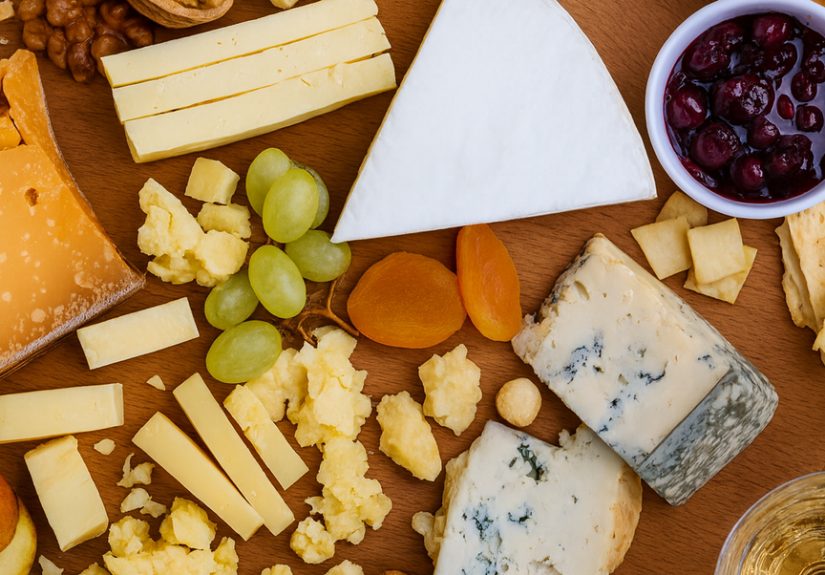
For this board, I kept the cheese budget under $20 by focusing on four standout Aldi cheeses that bring different textures, shapes, and flavor levels to the party. Then I used simple, low-cost styling ideas to make the whole thing look more expensive than it has any right to. The result? A holiday appetizer that feels special enough for guests but easy enough for real life.
Why an Aldi cheese board works so well for the holidays
A great holiday cheese board is not about cramming thirty-seven items onto a platter until it looks like a snack avalanche. It is about contrast. You want creamy and crumbly, mild and bold, crunchy and soft, salty and sweet. Aldi’s own charcuterie guidance leans into that exact formula: choose a variety of cheeses, then balance them with crackers, nuts, fruit, and spreads. That approach is not only smart, it is budget-friendly because it lets a few hero ingredients do most of the work.
That is also why a cheese board feels fancier than many hot appetizers. It asks for almost no cooking, the presentation does most of the heavy lifting, and guests can graze at their own pace. Martha Stewart, Food Network, Real Simple, and other entertaining pros all circle the same truth: when you mix textures, prep a few slices ahead of time, and let the cheese warm up before serving, the board instantly tastes and looks better. In other words, luxury is often just good timing and a decent wedge of Brie.
My Aldi shopping list: the under-$20 foundation
The core of this holiday cheese board is a four-cheese lineup that lands at $18.92. That number matters because it leaves you room to shop your pantry for a spoonful of jam, a few crackers, or a handful of nuts without turning a budget appetizer into a financial event.
The four cheeses I’d buy again
- 1000 Day Gouda $4.29
Nutty, caramel-like, and loaded with those crunchy aged-cheese crystals that make people say, “Wait, what is this one?” in a very impressed tone. - English Cheddar $4.95
Sharp, creamy-crumbly, and familiar enough for cautious eaters, but interesting enough to keep the cheese people happy. - Triple Crème Brie $5.49
Soft, rich, and gloriously spreadable once it sits out. This is the cheese that makes a board feel dressed up. - Blue Stilton $4.19
Buttery, crumbly, and assertive without going full “barnyard opera.” It adds depth and a little holiday drama.
This combination works because it follows the golden cheese-board rule repeated across multiple experts: don’t buy four versions of the same thing. Buy variety. You want at least one soft cheese, one hard or semi-hard cheese, and one bolder pick for contrast. Aldi itself suggests mixing different flavors and textures like Brie, cheddar, Gouda, goat cheese, blue cheese, or Manchego, and that advice holds up beautifully here.
How to make a cheap cheese board look expensive
Here is the part where the board stops being “groceries on a cutting board” and becomes “holiday entertaining.” The secret is presentation, not overspending.
1. Start with the largest items first
Place the cheeses first. Better Homes & Gardens and Food & Wine both recommend putting larger elements down before filling the gaps, and that makes the whole process easier. Set the Brie down whole or halved, fan out a few cheddar slices, break the blue into rustic chunks, and cut the Gouda into shards or slim rectangles. Suddenly the board has structure, and you have not even added the supporting cast yet.
2. Use negative space like it’s a design degree
One of the smartest styling tips from Good Housekeeping is also the cheapest: do not overcrowd the board. Leave a little breathing room around each cheese. Space reads as confidence. Crowding reads as “I panic-bought snacks at 4:52 p.m.” When each item has a bit of room, the board feels deliberate and upscale.
3. Add texture, not clutter
Holiday boards look expensive when they offer contrast. Chunky aged Gouda next to silky Brie. Crisp crackers next to soft fruit. A glossy spoonful of jam next to crumbly blue cheese. Southern Living, Good Housekeeping, and Good Housekeeping’s broader charcuterie guidance all stress texture as a big part of visual appeal. Translation: even simple ingredients look better when they don’t all feel the same.
4. Lean on cheap accents that punch above their price
You do not need truffle honey flown in from a tiny mountain village. You need one sweet thing, one crunchy thing, one briny thing, and one fresh thing.
- Sweet: fig jam, apricot preserves, or honey
- Crunchy: toasted almonds, walnuts, or plain crackers
- Briny: olives or cornichons
- Fresh: grapes, apple slices, or pear wedges
Those are the same kinds of add-ons repeatedly recommended by Aldi, Good Housekeeping, Real Simple, Allrecipes, and Food & Wine because they balance the richness of the cheese without costing much. A half-jar of jam from your fridge and one apple sliced into thin wedges can do more for a cheese board than an expensive fifth cheese ever will.
5. Serve the cheese at room temperature
This is the difference between a good board and a “why is this Brie acting shy?” board. Food Network recommends pulling the board from the fridge about 30 minutes before guests arrive for better flavor and texture. Serious Eats pushes the idea even harder, noting that cold cheese tastes muted and stiff while tempered cheese becomes more aromatic, creamy, and alive. For a holiday board, this matters a lot. The Brie softens, the Gouda opens up, and the blue loses some of its refrigerator grumpiness.
What I’d pair with each cheese
A beautiful board is nice. A beautiful board with pairings that actually taste good is better. Allrecipes makes this point clearly: accompaniments should improve the cheese, not just fill space. So here is how I’d build bites that feel intentional.
1000 Day Gouda
Pair it with a plain cracker or baguette toast and just a tiny swipe of fig jam. The Gouda already brings caramel and crunch, so it does not need much help. If you add anything too loud, it starts sounding like three people talking over each other at dinner.
English Cheddar
Apple slices are the obvious win, and yes, obvious is sometimes correct. Sharp cheddar with crisp apple is classic for a reason. A little mustard also works if you want a savory edge.
Triple Crème Brie
This is where pears, grapes, or a drizzle of honey shine. Brie likes sweetness and soft fruit. It also looks wildly elegant with almost no effort, which is frankly one of its best personality traits.
Blue Stilton
Go for dried fruit, walnuts, or a darker jam. Blue cheese needs a little sweetness to round it out. This is the bite that makes people feel like they know what they’re doing with wine, even if they are drinking sparkling water from a mug they found near the sink.
How many people this board serves
If you are serving this as a holiday appetizer before a larger meal, this board works nicely for a small gathering. Real Simple suggests aiming for about 2 to 3 ounces of cheese per person on a holiday board, while Allrecipes notes that 1 to 2 ounces of cheese per person can work for an appetizer spread. In practical terms, this Aldi setup is ideal for a cozy group where the cheese board is there to charm people, not replace dinner.
If your guests are the type to form a protective circle around the Brie and forget the main course exists, add a baguette, extra crackers, and one more fruit option. You do not need to reinvent the board. You just need more “vehicles.”
My best budget trick: shop your house before shopping the store
One of the biggest mistakes people make with a holiday cheese board is assuming every square inch has to be filled with newly purchased ingredients. It doesn’t. In fact, Food & Wine, Aldi, and EatingWell all support some version of the same idea: use what you already have. A cutting board works. A sheet pan lined with parchment works. The last spoonful of apricot preserves works. The lonely walnuts in your pantry? Congratulations, they are now “rustic garnish.”
That is how you keep the board under control financially. Buy the cheeses strategically, then raid your kitchen like a stylish little raccoon. The board will look fuller, the flavors will make more sense, and your receipt will not try to ruin your December.
If I had five extra dollars, here’s what I’d add
Now, if I were allowed a tiny budget stretch, I’d add one of the following:
- a baguette for more crunch and a bakery smell that suggests ambition,
- grapes for easy freshness and color,
- or olives for that salty, briny contrast that wakes up the richer cheeses.
But the beauty of this Aldi holiday cheese board is that it does not need the extras to feel special. The four cheeses already provide shape, richness, contrast, and color. The supporting players just make it feel more dressed for the season.
What the experience was really like: the under-$20 board that made me feel smarter than I am
Here is the honest part: building a holiday cheese board from Aldi for under $20 made me feel like I had unlocked a hosting cheat code. Not because I suddenly transformed into a lifestyle goddess with linen napkins and a candle budget, but because the board gave me the exact thing most holiday food projects do notmaximum visual payoff for minimum chaos.
I did not have to roast anything. I did not have to remember fourteen spices. I did not have to wash three skillets while pretending I enjoy “holiday magic.” I cut cheese, sliced fruit, found a jar of jam in the fridge, and arranged everything with the quiet determination of a person who refuses to let a budget look like a budget. That alone felt victorious.
What surprised me most was how quickly the board started looking expensive. The moment I placed the Brie on one side and the aged Gouda on the other, the whole thing had balance. Once I fanned out a few slices of cheddar and let the Stilton crumble naturally instead of forcing it into neat little cubes, it looked less like grocery unpacking and more like entertaining. Add a few grapes, a couple of crackers, and one shiny spoonful of preserves, and suddenly it had that “Oh wow, you made this?” energy. Reader, I live for that energy.
I also learned that people react differently to a cheese board than they do to a tray of random snacks. A board feels intentional. Guests slow down, point at things, ask questions, and start combining flavors like they are on a tiny edible adventure. Someone always discovers a favorite. Someone always says the blue cheese is “actually really good,” as if blue cheese has been waiting years for that compliment. And someone always hovers around the Brie like it is the emotional support cheese of the evening.
The budget part made it even better. There is a special kind of joy in serving something that looks high-end when you know, deep in your frugal little heart, that it was not. That joy multiplies during the holidays, when everything else seems determined to cost extra for no reason. A cheese board like this pushes back. It says yes, we can be festive, but no, we will not be paying luxury prices for the privilege of arranging dairy attractively.
If I made this board againand I absolutely wouldI would do the same thing: choose a few cheeses with different textures, keep the add-ons simple, and let presentation do the rest. I might swap apples for pears, or use honey instead of jam, or toss a few rosemary sprigs on top for that “winter centerpiece but edible” look. But I would not mess with the basic formula, because the basic formula works.
That is the real lesson of this Aldi holiday cheese board. Fancy does not always come from expensive ingredients. Sometimes it comes from contrast, confidence, and a well-timed wedge of Brie. Sometimes it comes from knowing when to stop adding things. And sometimes it comes from spending less than $20 and still making your table look like it has excellent taste and possibly a candle named “Noel.”
Honestly, that is my kind of holiday success.
Conclusion
If you want a holiday appetizer that looks polished, tastes genuinely good, and does not bully your grocery budget, an Aldi cheese board is one of the smartest moves you can make. Start with a varied lineup of cheeses, use simple pantry-friendly add-ons, keep the styling clean, and let the board come to room temperature before serving. That is it. No culinary gymnastics. No luxury markup. Just a festive, crowd-pleasing cheese board that looks far more expensive than the receipt suggests.