Table of Contents >> Show >> Hide
- Why late-stage deals go dark in the first place
- First move: stop guessing and audit the deal
- Second move: send a follow-up that adds value, not pressure
- Third move: re-open the business case
- Fourth move: multi-thread the deal without being weird about it
- Fifth move: use a mutual action plan instead of hope
- Sixth move: know when to send the breakup email
- Seventh move: clean up your pipeline like a professional
- How to prevent late-stage ghosting before it happens
- The real answer when a strong opportunity ghosts you
- Experience from the field: what ghosting feels like and what usually works
- SEO Tags
Few things in sales are more annoying than this: the demo went well, the proposal looked sharp, the prospect nodded like a dashboard bobblehead, and then suddenly… silence. No reply. No objection. No “we went with someone else.” Just the digital equivalent of tumbleweeds rolling across your pipeline.
If a late-stage sales opportunity ghosts you, the answer is not to panic, spiral, or send your fifth “just checking in” email like a person trapped in a corporate haunted house. The real move is to slow down, diagnose what the silence actually means, and respond with structure, value, and calm. Ghosting late in the deal is often less about personal rejection and more about buyer indecision, internal politics, competing priorities, procurement delays, missing stakeholders, or a weak next-step plan.
That is the key shift. When a solid deal goes quiet, your job is not to chase harder. Your job is to make it easier for the buyer to move.
Why late-stage deals go dark in the first place
A quiet prospect does not automatically mean a dead deal. In complex B2B sales, deals often stall because the buying process becomes messy. The buyer may like your solution and still fail to act. That sounds ridiculous until you remember that companies do not buy things the way one person orders tacos. They buy through committees, sign-offs, risk reviews, budget questions, legal approvals, security questionnaires, and at least one person whose main hobby seems to be slowing everything down.
In other words, late-stage ghosting is usually a symptom, not the disease.
Common reasons a “good” opportunity disappears
- No real urgency: The problem is real, but not painful enough right now.
- Buyer indecision: They want progress but are afraid of making the wrong call.
- Too few stakeholders engaged: Your champion likes you, but nobody else is moving.
- The proposal created friction: Pricing, scope, legal, security, or implementation suddenly felt heavier.
- Your next step was vague: “Let’s reconnect next week” is not a plan. It is a polite wish.
- Priorities shifted internally: Reorg, budget freeze, leadership change, or some shiny new fire took over.
- You were single-threaded: One contact went quiet, and the whole deal went into a coma.
That means your first response should be diagnostic, not emotional. Do not assume they hate you. They may simply be buried, blocked, or unable to herd their internal cats.
First move: stop guessing and audit the deal
Before you send another email, review the opportunity like a grown-up detective. Ask yourself what is actually true, not what your optimistic forecast notes claimed at the time.
Questions to ask before you follow up
- Did the buyer ever confirm a business problem in concrete terms?
- Did we quantify the cost of inaction?
- Do I know the decision process, not just the decision maker?
- Have I involved procurement, finance, security, or implementation people yet?
- Do I have a champion with influence, or just a friendly contact?
- Was the last next step tied to a date, owner, and outcome?
- Did the opportunity stall after pricing, legal, or internal review?
This audit matters because ghosting late in the cycle often exposes a hole that was always there. Maybe the deal looked strong because your contact was enthusiastic. Enthusiasm is nice. Authority is nicer. Urgency is nicest.
Second move: send a follow-up that adds value, not pressure
When a solid opportunity goes dark, your next message should do three things: remind them of context, reduce friction, and make replying easy. That means no guilt trips, no passive-aggressive “circling back,” and absolutely no “just checking in” unless your goal is to sound like every other forgotten email in their inbox.
What a strong follow-up should include
- A quick reminder of the problem you discussed
- A short recap of the expected outcome
- One useful asset, insight, or clarification
- A simple next step with a clear ask
- An easy out if timing changed
Here is the tone you want: helpful, specific, unbothered, and easy to answer. You are not begging for attention. You are facilitating a buying decision.
Example follow-up email
Subject: Next steps for reducing onboarding delays
Hi [Name],
Wanted to follow up on the proposal we sent over for [Company]. Based on our last conversation, the main goal was reducing onboarding delays and giving your team a clearer handoff process before the next quarter starts.
I know these decisions usually involve a few moving parts, so I attached a short implementation outline and a customer example that mirrors your use case.
If it helps, we can take one of three paths from here:
- Schedule a 20-minute review with the wider team
- Answer any open questions on pricing, rollout, or security
- Pause this until timing is better on your side
Which option makes the most sense?
Best,
[Your Name]
Notice what this email does not do. It does not sound desperate. It does not demand closure like a reality TV reunion episode. It simply lowers the effort required to respond.
Third move: re-open the business case
Late-stage ghosting often means the buyer’s internal momentum has cooled. When that happens, you need to reconnect the deal to the original reason it existed. Buyers do not move because your CRM says “commit.” They move because the pain of staying the same becomes more uncomfortable than the effort of change.
So bring the conversation back to business outcomes. What were they trying to improve? What deadline mattered? What risk were they trying to avoid? What opportunity were they trying to capture?
Good questions to re-activate urgency
- Has the priority around [problem] changed since we last spoke?
- Is there anything new on the internal approval side that we should plan for?
- Would it help to align on a target go-live date and work backward from that?
- Is there another stakeholder we should include to make this easier to evaluate?
These questions are useful because they uncover what is real. Maybe the budget moved. Maybe legal is stuck. Maybe your champion is trying to sell it internally with one arm tied behind their back and a CFO glaring across the room.
Fourth move: multi-thread the deal without being weird about it
If you are only talking to one person late in a complex sale, you are not closing a deal. You are dating a contact and hoping they introduce you to the family. That is risky.
Late-stage deals are safer when multiple stakeholders are involved. If your main contact goes quiet, broaden the conversation carefully and transparently. This is not about sneaking around your champion. It is about helping the deal survive reality.
How to multi-thread respectfully
- Ask your contact who else should weigh in before a decision
- Offer a short working session with operations, finance, security, or leadership
- Share role-specific materials for each stakeholder
- Frame the outreach as support for internal alignment, not escalation
For example, you might say: “To make this easier internally, would it help if we gave your operations lead a quick walkthrough of the rollout plan?” That feels collaborative. It also keeps the opportunity from depending entirely on one overworked human being and their unread inbox.
Fifth move: use a mutual action plan instead of hope
Hope is not a sales strategy. Neither is “follow up next week.” If the deal is real, create a mutual action plan. That sounds fancy, but it simply means a shared roadmap that spells out who does what, by when, and why it matters.
A simple mutual action plan can include
- Decision milestones
- Stakeholders involved
- Technical or legal reviews
- Commercial approval steps
- Target signature date
- Implementation start date
- Owners for each action item
This structure helps because stalled deals often suffer from invisible friction. Everyone thinks something is happening, while in reality nothing has an owner. A mutual action plan turns vague intent into visible progress.
Sixth move: know when to send the breakup email
Yes, the breakup email works. Not because it is dramatic, but because it gives the buyer a clean moment to either re-engage or release the opportunity. Sometimes prospects avoid replying because they do not want an awkward conversation. A polite close-the-loop message removes that tension.
When to send it
- You have followed up several times with value
- You have tried at least two channels
- You have no confirmed next step
- The deal has exceeded a reasonable response window
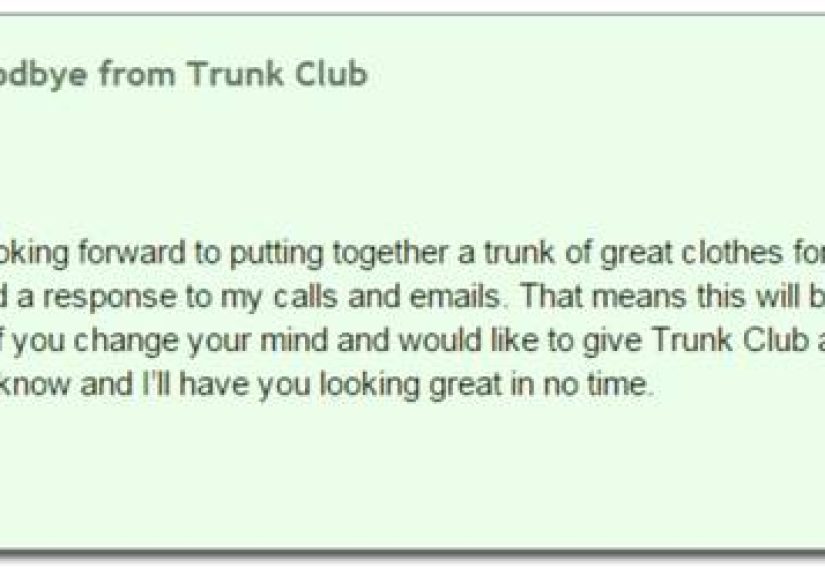
Example breakup email
Subject: Should I close the file?
Hi [Name],
I have not heard back, so I do not want to keep chasing something that is no longer a priority.
If solving [problem] is still on the table, I am happy to pick this back up and help with the next steps. If timing changed, no problem at all. I can close this out for now and reconnect later if it becomes relevant again.
Either way, thanks again for the conversation.
Best,
[Your Name]
Oddly enough, this is often the email that gets a response. Silence loves ambiguity. Closure forces clarity.
Seventh move: clean up your pipeline like a professional
If the opportunity stays silent, do not keep it in commit forever like a dusty museum exhibit labeled “Potentially Important.” Move it to the right stage. Mark it as stalled, nurture, or closed-lost if needed. A bloated pipeline makes bad decisions look respectable.
Healthy sales teams do not just follow up well. They also maintain pipeline hygiene. That means documenting next steps, timing, blockers, and stakeholder status in the CRM so the deal is visible beyond one rep’s memory and one set of vibes.
What to document after a ghosting event
- Last meaningful interaction date
- Known blocker or likely reason for stall
- Who was involved and who was missing
- What content or proposal was sent
- What follow-up sequence has already happened
- Whether the deal should move to nurture or closed-lost
This keeps your forecast honest and makes future re-engagement easier. Sometimes a “ghosted” deal returns three months later with new urgency. When that happens, good notes beat good memory every time.
How to prevent late-stage ghosting before it happens
The best cure is prevention. You cannot eliminate ghosting completely, but you can make it far less likely.
Best practices to reduce future deal silence
- Confirm the decision process early
- Identify multiple stakeholders before proposal stage
- Send recap emails immediately after key calls
- Tie every next step to a date, owner, and purpose
- Use value-add follow-ups instead of generic nudges
- Document everything in the CRM, not in your brain
- Set reminders and sequences so deals do not drift
- Ask directly when priority changes instead of pretending it has not
Most ghosting feels mysterious only in hindsight. In real life, the warning signs are usually visible: one-threaded access, weak urgency, fuzzy next steps, missing approvals, or an opportunity that looked “warm” because people were polite.
The real answer when a strong opportunity ghosts you
Here it is in one sentence: do not chase the silence; diagnose it, reduce friction, re-establish value, and create a path that is easier to answer than ignore.
The late-stage ghost is frustrating, but it is also useful. It tells you where your deal control ended and where the buyer’s internal complexity took over. Handle it well, and you may still rescue the opportunity. Handle it poorly, and you become another unread email sitting under a lunch receipt and a webinar invite nobody asked for.
Stay calm. Be specific. Add value. Invite clarity. And when needed, close the loop with enough confidence to walk away cleanly. Good sellers do not cling to ghosted deals. They learn from them, structure around them, and build a process that makes future opportunities much harder to lose.
Experience from the field: what ghosting feels like and what usually works
If you spend enough time in sales, you eventually collect ghosting stories the way frequent flyers collect delayed-boarding announcements. One week, a buyer is excited, asking smart questions, introducing you to colleagues, and talking about rollout timing. The next week, they vanish so completely you start wondering whether their company moved into the woods and gave up Wi-Fi.
In real selling environments, late-stage ghosting rarely feels dramatic at first. It usually starts with a small slip. A meeting gets postponed. A promised internal review does not happen. A proposal lands, but nobody asks the expected follow-up questions. Then the email gaps get longer. The tone cools. Suddenly the deal that looked “obviously real” starts feeling like a cardboard movie set: convincing from a distance, mostly empty up close.
One common experience sellers talk about is confusing friendliness with forward motion. A prospect can be warm, responsive, and even enthusiastic without being truly committed to change. That is why experienced reps learn to look for concrete buying signals instead of good vibes. Did the buyer bring in finance? Did they discuss implementation timing? Did they volunteer internal steps? Did they introduce a boss, a technical owner, or procurement? If not, the opportunity may be emotionally warm but operationally cold.
Another very real experience is realizing that silence often starts after friction enters the deal. Pricing can do it. Security review can do it. Legal terms can do it. A pilot scope can do it. The prospect may still want the solution, but every new internal question raises the effort required to say yes. In that situation, the seller who wins is usually the one who makes the decision easier, not louder. A one-page recap, a cleaner rollout plan, a stakeholder-specific summary, or a simple list of next steps often does more than five extra “following up” emails.
Many reps also learn that ghosting hits harder when they are over-invested in one deal. That is when silence starts sounding personal. It is not just pipeline risk; it feels like an insult. But the most effective sellers develop a calmer mindset. They stay persistent, but they stop treating every quiet prospect like a referendum on their talent. That emotional discipline matters because anxious follow-ups smell anxious. Buyers may not say that out loud, but they feel it.
And perhaps the most useful field lesson is this: some ghosted deals do come back. Not all of them, of course. Some are truly dead and deserve a respectful burial. But others return weeks or months later because priorities shift again, budgets unlock, or internal consensus finally forms. The reps who benefit from those rebounds are usually the ones who handled the quiet period professionally. They documented the account, kept the relationship clean, and sent follow-ups that felt helpful instead of clingy. In sales, that is not just etiquette. It is strategy.