Table of Contents >> Show >> Hide
- 1. Start by Thinking Like a Loft, Not Like a Floor Plan
- 2. Use Fewer, Better Pieces of Furniture
- 3. Pull the Eye Upward to Fake Height
- 4. Let Light Bounce Like It Pays Rent
- 5. Create Zones Without Building Barriers
- 6. Keep Pathways Open and Air Pockets Visible
- 7. Choose Furniture That Looks Light on Its Feet
- 8. Hide Storage in Plain Sight
- 9. Use Texture for Depth, Not More Stuff for Personality
- 10. Make Rental-Friendly Upgrades That Add Architecture
- A Simple Room-by-Room Loft Strategy
- What Designers Know That Most Renters Forget
- Experiences That Show How These Tricks Work in Real Life
- Conclusion
A two-bedroom rental can be a funny little contradiction. On paper, it sounds generous. In real life, it can feel like a maze of chopped-up rooms, mystery corners, narrow hallways, and one living area doing the emotional labor of a penthouse. The good news is that you do not need to knock down walls, offend your landlord, or develop a suspiciously intense relationship with a sledgehammer to make it feel bigger.
The real secret is this: loft style is less about square footage and more about perception. A loft feels open because the eye moves easily. Light travels. Furniture breathes. Storage disappears. Every zone has purpose, but nothing feels boxed in. That same effect can absolutely happen in a two-bedroom rental when you decorate with intention instead of just filling empty space like you are competing on a game show called How Many Side Tables Is Too Many?
Here is how designers make a modest rental feel airy, expansive, and far more elevated than its floor plan suggests.
1. Start by Thinking Like a Loft, Not Like a Floor Plan
The fastest way to make a rental feel smaller is to decorate each room as if it lives on a separate planet. One room is coastal, one is industrial, one is “I bought this on sale and got emotionally attached,” and suddenly the apartment feels fragmented. A loft-like home works because it tells one visual story from room to room.
Start with a simple design direction and carry it through the entire apartment. That does not mean every room needs to match like a hotel chain. It means the colors, finishes, and overall mood should feel connected. Think warm whites, soft greiges, muted taupes, black accents, pale wood tones, or a calm palette of oatmeal, sand, charcoal, and olive. When your eye reads continuity, the home feels larger because it feels less interrupted.
Use repetition on purpose
Repeat a few design elements across rooms: the same wood tone, the same metal finish, similar curtain styles, or a related textile palette. The result is visual flow. Instead of seeing “living room, bedroom, office, guest room,” your brain starts reading one larger environment.
2. Use Fewer, Better Pieces of Furniture
Small rentals often suffer from what I call “tiny furniture syndrome.” People assume a small space needs mini everything, so they buy undersized seating, skinny shelving, and a parade of little accent tables. The result is not airy. It is cluttered. Ironically, a room can feel bigger with fewer pieces that have stronger scale.
A proper sofa with clean lines usually works better than a loveseat plus two random chairs plus one ottoman that seems to have wandered in from another apartment. One substantial rug can anchor a whole room better than several small ones. A large piece of art can calm a wall that would otherwise look busy with lots of little frames.
Look for furniture that earns its footprint
In a rental, every item should have a job. Bonus points if it has two. A storage ottoman can hide blankets. A lift-top coffee table can become a work surface. A bench can act as seating, a drop zone, and hidden storage. A dresser in the dining area can serve as a buffet and extra closed storage. This is how you create loft energy without living like a minimalist monk.
3. Pull the Eye Upward to Fake Height
Lofts feel dramatic because they celebrate height. Your rental may not have 14-foot ceilings and exposed beams, but you can still create that upward visual pull.
Hang curtains high and wide, ideally close to the ceiling and beyond the edges of the window frame. This makes windows feel bigger, walls feel taller, and the room feel more architectural. It is one of the oldest designer tricks in the book because it works every single time. Short curtains are basically the visual equivalent of saying, “This is all the room we could afford.”
Other ways to create vertical drama
- Choose tall bookcases instead of low, squat storage.
- Use vertical artwork arrangements to draw the eye upward.
- Add floor lamps, oversized branches, or tall plants to emphasize height.
- Keep shelf styling clean so height reads as elegant, not chaotic.
Anything that encourages the eye to travel up makes the whole apartment feel less compressed.
4. Let Light Bounce Like It Pays Rent
Nothing kills a spacious feeling faster than a dim, heavy interior. Lofts usually feel open because light moves through them. In rentals, your job is to help it travel farther.
Mirrors are the obvious move, but not the only move. A large mirror opposite a window can double the feeling of brightness. Reflective finishes, glass surfaces, soft metallic accents, and lighter paint-adjacent decor all help amplify what natural light you already have.
That said, do not turn your apartment into a disco ball with a lease agreement. Balance reflective pieces with texture. Linen curtains, nubby throws, matte ceramics, and warm wood keep the space from feeling cold.
Layer your lighting
If your rental relies on a single overhead fixture that makes everyone look like they are being interrogated, it is time for an intervention. Use layered lighting instead: floor lamps, table lamps, plug-in sconces, and accent lighting on shelves or consoles. A loft feels expansive because different areas glow with intention. Lighting creates mood, and mood makes a home feel designed rather than merely occupied.
5. Create Zones Without Building Barriers
A loft works because it has zones, not walls doing all the socializing. That principle is perfect for a two-bedroom rental, especially when one bedroom doubles as a guest room, office, or creative space.
Instead of closing everything off, define zones with rugs, lighting, furniture placement, and open shelving. A rug under the seating area says “living room” without needing a divider. A pendant over a dining table carves out a dining zone. A desk placed thoughtfully with a lamp and art can turn a spare bedroom into a polished flex room instead of a depressing “temporary setup” that lasts three years.
Make the second bedroom work harder
The second bedroom is often where spaciousness is won or lost. If it becomes a storage dump, the whole apartment feels smaller. If it becomes a flexible room with a daybed, streamlined desk, closed storage, and good lighting, it expands what the apartment can do. That is a loft mindset: one room, multiple functions, zero chaos.
6. Keep Pathways Open and Air Pockets Visible
Spacious rooms are not always empty. They are readable. You can understand where to walk, where to sit, and where to set things down without doing a sideways crab shuffle around furniture legs.
Leave clear circulation paths, especially in the living room and entry. Avoid pushing every item against the wall just because that seems logical. Sometimes floating a sofa slightly off the wall, or pulling a chair into conversation range, actually improves the room because it creates intentional structure.
Also, protect a few empty surfaces and corners. This is not wasted space. This is breathing room. Designers know that visible negative space is what allows the prettier pieces to shine. When every corner is “maximized,” nothing feels generous.
7. Choose Furniture That Looks Light on Its Feet
Heavy furniture can visually crowd a rental even when the measurements technically fit. One of the smartest designer moves is choosing pieces with a lighter visual profile. Think open bases, slim arms, legs that let you see beneath the furniture, and silhouettes that do not block the room.
This is especially helpful in living rooms and bedrooms where bulky furniture can create visual traffic jams. A platform bed with some space below it, a console with an airy frame, or dining chairs with open lines all help the eye move through the room. That movement is what reads as spacious.
But do not confuse “light” with “tiny”
Acrylic, glass, cane, light wood, and metal can all help a room feel less visually dense. Just do not downsize everything. A room still needs proper proportions to feel grown-up and grounded.
8. Hide Storage in Plain Sight
Nothing ruins loft fantasy faster than visible clutter. The trick is not owning absolutely nothing. The trick is making the practical parts of daily life disappear more gracefully.
Use under-bed bins, matching baskets, storage benches, closet organizers, over-the-door hooks, narrow dressers, and closed cabinets wherever possible. If open shelving is necessary, style it lightly. Books, boxes, and decor should not look like they are reenacting a yard sale.
Contain the visual noise
Group similar items together. Use matching hangers in closets. Keep countertops mostly clear. Corral remotes, chargers, and papers into trays or drawers. Good organization does not just make your apartment tidier; it makes it look bigger because the eye is not constantly stopping at random visual clutter.
9. Use Texture for Depth, Not More Stuff for Personality
Many renters worry that clean, spacious styling will look bland. It will not, as long as you build depth with texture. That is how designers make simple rooms feel rich without crowding them.
Layer boucle, linen, wool, cotton, leather, jute, wood, and ceramic finishes in a tight palette. Use one patterned pillow instead of seven noisy ones. Add a vintage stool or sculptural lamp instead of another generic storage cube. Choose decor with shape and presence. A spacious home does not need more accessories. It needs better ones.
This is where the loft mood really shows up. Lofts often feel edited, not empty. Personal, not packed. Collected, not chaotic.
10. Make Rental-Friendly Upgrades That Add Architecture
You may not be able to renovate, but you can absolutely fake more polish. Peel-and-stick wallpaper in a quiet texture, removable sconces, upgraded curtains, better hardware, oversized art, and cohesive bedding can all make a rental feel more custom.
Even small details matter. Swapping a sad lamp for a sculptural one, replacing flimsy curtains with full-length panels, adding a large headboard, or using matching storage in the office can shift the whole apartment from “temporary” to “intentionally designed.” Spaciousness is not just about square footage. It is also about confidence.
A Simple Room-by-Room Loft Strategy
Living Room
Anchor the room with one rug large enough for the main furniture. Use a properly scaled sofa, one or two flexible side chairs, a large mirror, and layered lighting. Keep the coffee table practical but visually light.
Primary Bedroom
Use calm bedding, matching nightstands if space allows, tall curtains, and limited surface clutter. Under-bed storage and a dresser that doubles as a vanity or landing zone work beautifully.
Second Bedroom
Give it a dual purpose: office and guest room, studio and reading room, or workout room and storage. A daybed, slim desk, closed cabinet, and wall-mounted lighting keep it flexible without feeling crammed.
Entry and Hallway
Add one narrow console or shelf, a mirror, and a basket for shoes or bags. These small transition areas set the tone. If they are cluttered, the whole apartment feels smaller before you even get to the sofa.
What Designers Know That Most Renters Forget
A spacious home is rarely the result of buying more. It usually comes from editing better. The best rentals feel larger because they are calm, consistent, and intentional. The eye moves easily. The furniture has purpose. The storage is discreet. The windows look taller. The lighting is warm. The rooms feel connected.
In other words, loft style is not some magical privilege reserved for converted warehouses and people with suspiciously good natural light. It is a series of smart visual decisions. And yes, your two-bedroom rental is absolutely invited to the party.
Experiences That Show How These Tricks Work in Real Life
One of the most common renter experiences goes like this: you move into a two-bedroom apartment because it seems like an upgrade, but within a month it somehow feels smaller than the one-bedroom you left. The culprit is usually not the square footage. It is the layout and the way the furniture lands inside it. Many renters fill the living room first, then squeeze in a desk, then use the second bedroom as a catchall, and before long the entire apartment feels busy. Once they edit the furniture, simplify the palette, and define each area more clearly, the same apartment suddenly feels calmer and far more spacious.
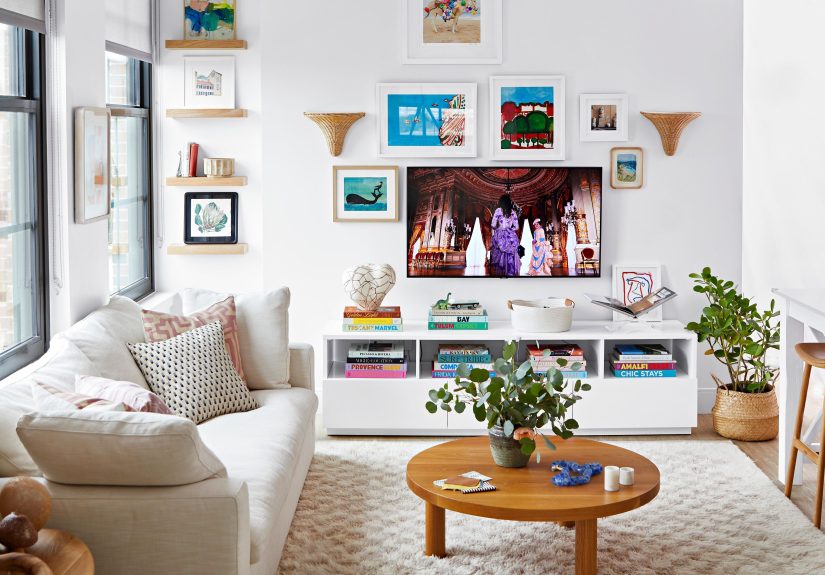
A classic example is the living room with too many competing pieces. Imagine a rental with a loveseat, two bulky accent chairs, a media stand, three tiny tables, and floor decor scattered like confetti. It feels cramped because every item asks for attention. Swap that for one full sofa, a lighter coffee table, a large rug, one mirror, and two lamps, and the room opens up instantly. Renters often describe this moment as shocking because nothing structural changed, yet the apartment feels as if someone quietly expanded the walls overnight.
The second bedroom is another place where experience teaches the lesson fast. A spare room can become a black hole for extra stuff: unopened boxes, off-season clothes, workout gear, random cables from 2017, and a chair that only exists to hold laundry. But when that room becomes intentional, the whole apartment works better. A daybed with drawers, a slim desk, a wall lamp, and closed storage can turn it into an office by day and guest room by night. Renters who make this change often say they start using the room constantly instead of apologizing for it every time someone visits.
Lighting also creates one of the most dramatic before-and-after experiences. Overhead lighting alone tends to flatten a rental and make it feel harsh. The moment renters add a floor lamp in the living room, a table lamp on a dresser, and softer lighting in the bedroom, the apartment starts to feel layered and larger. Not bigger in the mathematical sense, of course, but bigger in the emotional sense. It feels more open, more comfortable, and more expensive, which is a delightful trick when your lease still includes a paragraph about not painting the walls.
Another common experience is discovering that storage is really a visual issue as much as a practical one. Once shoes are tucked away, hangers match, cords are hidden, and countertops stay mostly clear, renters often say the apartment feels easier to breathe in. That is not just a poetic exaggeration. Visual clutter interrupts how the eye reads a room. When the clutter disappears, the apartment feels smoother and more cohesive.
Perhaps the most satisfying experience comes from realizing that “spacious” does not have to mean sparse. A rental can still feel warm, personal, and lived in. The renters who get the best results are usually the ones who stop trying to decorate every inch and start choosing pieces with more intention. They keep the art they love, use textures that add depth, invest in lighting that flatters the space, and let a few areas stay open. The result is not a sterile showroom. It is a home that feels expansive, welcoming, and smart. And in a two-bedroom rental, that is basically the design equivalent of finding an extra closet no one told you about.
Conclusion
If you want your two-bedroom rental to feel like a spacious loft, focus less on how many things you can fit and more on how gracefully the space flows. Keep the palette cohesive, let light travel, use mirrors strategically, choose fewer multifunctional pieces, build vertical interest, and create zones without closing the apartment off. The goal is not to pretend your rental is something it is not. The goal is to help it feel open, polished, and surprisingly generous every single day.