Table of Contents >> Show >> Hide
- What Is Famotidine, and Why Do People Take It?
- Medicare in 60 Seconds: Which Part Covers What?
- Does Medicare Cover Famotidine?
- The Big “Gotcha”: OTC Famotidine vs. Prescription Famotidine
- How to Check If Your Plan Covers Famotidine (Step-by-Step)
- What Does Famotidine Cost With Medicare?
- If Your Plan Doesn’t Cover Famotidine (or It’s Covered With Strings Attached)
- Ways to Save on Famotidine With Medicare
- Quick Examples: How Coverage Can Play Out in Real Life
- FAQ: Medicare Coverage for Famotidine
- Experiences With Medicare Coverage for Famotidine (What People Commonly Run Into)
- Bottom Line
Heartburn has impeccable timing. It shows up right when you’re about to fall asleep, right before a big meeting, or immediately after you eat something “mild.”
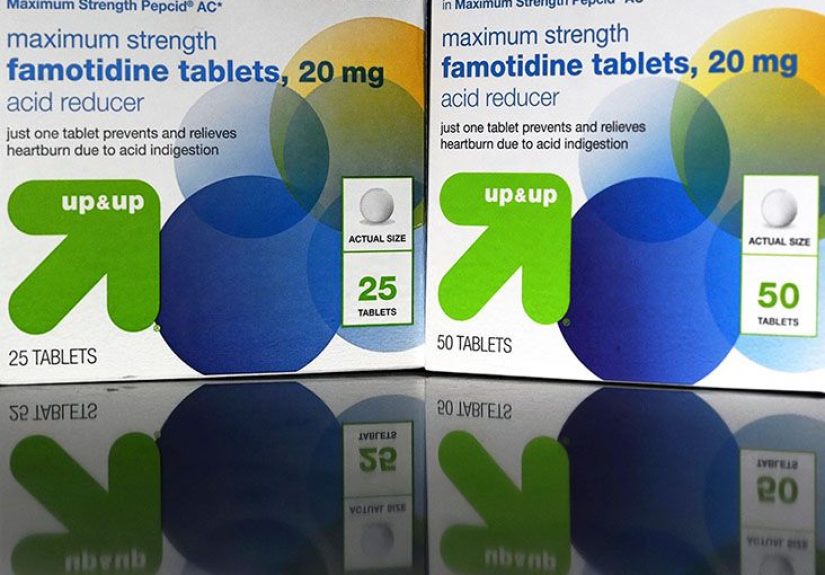
Famotidine (the generic for Pepcid) is one of the go-to fixes for acid-related miseryand because it’s available both over the counter and by prescription,
Medicare coverage can feel a little like a “choose your own adventure” book. Except the villain is paperwork.
This guide explains how Medicare coverage for famotidine typically works, when it’s covered (and when it isn’t), what to check in your plan, and how to lower your
costswithout turning your kitchen into a chemistry lab. (Please do not do that.)
What Is Famotidine, and Why Do People Take It?
Famotidine is an H2 blocker (histamine-2 receptor antagonist). In normal-human terms: it helps reduce stomach acid. Doctors and clinicians may recommend it for
conditions like gastroesophageal reflux disease (GERD), heartburn, acid indigestion, ulcers, and related symptoms. It’s sold in familiar brand forms (like Pepcid)
and widely available as a lower-cost generic. It also comes in multiple strengths and formulationssome are common on pharmacy shelves, and others are prescription-only.
Important note: This article is about coverage and cost. It’s not medical advice. If you’re using famotidine often, need it long-term, or have kidney issues
(or a complicated med list), it’s smart to talk with a clinician about the safest plan for you.
Medicare in 60 Seconds: Which Part Covers What?
Medicare coverage can be simpleuntil it’s not. Here’s the quick map:
- Original Medicare (Part A + Part B): Hospital and outpatient/medical services. Usually not the place where retail prescriptions get paid.
- Part D: Prescription drug coverage through private plans approved by Medicare. This is the main pathway for famotidine coverage when it’s prescribed.
- Medicare Advantage (Part C): An alternative to Original Medicare offered by private insurers. Many plans include Part D drug coverage and may offer extra benefits.
- Medigap (Medicare Supplement): Helps with some cost-sharing in Original Medicare, but generally doesn’t cover outpatient prescription drugs.
Does Medicare Cover Famotidine?
Original Medicare (Part A and Part B): Usually No for Pharmacy Purchases
If you pick up famotidine at a regular pharmacy counter (or off a store shelf), Original Medicare generally won’t pay for it. Parts A and B are designed for
hospital care and medical servicesnot most outpatient prescriptions you fill at a pharmacy.
There are rare scenarios where a related medication is administered in a facility setting, but for famotidine tablets you take at home, the practical answer is:
you’ll need drug coverage (Part D or an MA plan with drug coverage) to have a chance at coverage.
Medicare Part D: Often Covered When It’s a Prescription (But It Depends)
Many Part D plans cover a wide range of generics, and prescription famotidine is commonly eligible to be covered if it’s on your plan’s formulary
(the plan’s covered drug list). Coverage details vary by plan and can change year to year, so the exact copay and rules depend on:
- Your plan’s formulary and drug tier placement
- Whether the plan requires prior authorization, step therapy, or has quantity limits
- Whether you use a preferred pharmacy or mail-order option
- Your coverage phase (deductible, initial coverage, and other Part D stages)
Translation: Part D is the right neighborhoodbut you still have to find the right house on the right street.
Medicare Advantage (Part C): Two Possible Paths
Medicare Advantage plans often include Part D-style prescription coverage, meaning prescription famotidine may be covered the same way it would be under a stand-alone
Part D plan. Some MA plans also include an over-the-counter (OTC) allowance/benefit as an extra perk. If your plan offers an OTC benefit, you may be able
to buy eligible OTC items (sometimes including acid reducers) using that allowancebut eligibility varies by plan and by the plan’s approved product catalog.
The Big “Gotcha”: OTC Famotidine vs. Prescription Famotidine
Here’s the twist that confuses a lot of people: famotidine is available OTC, and it’s also available as prescription medication in certain strengths and uses.
Medicare Part D generally does not cover OTC drugs as part of the Part D benefit. However, Part D can cover prescription versions of drugs,
even if an OTC version exists, as long as the drug meets Part D requirements and is on the plan formulary.
Practically speaking:
- If you grab OTC Pepcid/famotidine off the shelf, you will usually pay out of pocket (unless an MA OTC benefit applies).
- If your clinician writes a prescription for generic famotidine, your Part D or MA drug coverage may helpif it’s on your plan’s list and you follow plan rules.
This is why two neighbors can take “the same thing” and one pays $8 while the other pays $0: one is buying OTC, the other is filling a covered prescription.
How to Check If Your Plan Covers Famotidine (Step-by-Step)
- Confirm which coverage you have. Are you on a stand-alone Part D plan with Original Medicare, or a Medicare Advantage plan with drug coverage?
- Look up your plan’s formulary. Search the plan’s drug list for “famotidine.” If you see it, note the tier and any restrictions.
-
Check the fine print next to the drug name. Plans may apply:
- Prior authorization (approval needed before coverage starts)
- Step therapy (try a lower-cost/alternative drug first)
- Quantity limits (caps on how much you can receive at a time)
- Check your pharmacy network. Using a preferred pharmacy or mail order can reduce copays.
-
Compare “prescription famotidine” vs “OTC famotidine.” If you’re buying OTC, look at whether your MA plan offers an OTC allowance and whether
acid reducers are eligible in the catalog.
What Does Famotidine Cost With Medicare?
There’s no single price because Medicare drug coverage is plan-based. That said, generic famotidinewhen coveredoften lands on a lower tier than brand-name options,
which can mean a modest copay (or sometimes $0 at certain pharmacies, depending on your plan design).
Your cost is shaped by Part D structure, including deductibles and cost-sharing rules. Recent reforms have also aimed to limit out-of-pocket spending for Part D enrollees,
including an annual out-of-pocket cap (the specific cap amount can change by year). If you’re someone who takes multiple medications, those broader changes can matter a lot
even if famotidine itself is relatively inexpensive.
If Your Plan Doesn’t Cover Famotidine (or It’s Covered With Strings Attached)
If famotidine isn’t covered, is non-formulary, or is blocked by restrictions, you still have options:
1) Ask About a Coverage Determination or Exception
Medicare drug plans have a process for asking for coverage decisions (sometimes called an exception or coverage determination). Typically, your prescriber provides a supporting
statement explaining why the plan should cover the drug or waive a restriction. If the plan says no, you can appeal.
2) Consider Therapeutic Alternatives (With a Clinician’s Help)
Plans may prefer certain acid reducers. If your plan doesn’t cover your current choice, your clinician may recommend a covered alternative or a different dosing strategy.
Don’t swap long-term therapy without guidanceespecially if symptoms are frequent, severe, or getting worse.
3) Re-check How You’re Buying It
If you’ve been buying OTC, ask a clinician whether a prescription version makes sense in your case. If you’re already using a prescription, check whether the plan covers
a different strength, a different quantity, or a different pharmacy channel at a better price.
Ways to Save on Famotidine With Medicare
Use the Generic (and Make Sure the Claim Runs as Generic)
“Pepcid” may be what everyone calls it, but “famotidine” is what your wallet wants. Ask the pharmacy if you’re receiving the generic and whether a preferred generic is available.
Try a Preferred Pharmacy or Mail Order
Many plans lower cost-sharing when you use preferred network pharmacies. If you take famotidine regularly, a 90-day supply through mail order may also reduce your per-month cost.
Know the Plan Rules (So You Don’t Trigger a Surprise Denial)
If your plan uses step therapy or quantity limits, it doesn’t necessarily mean you can’t get the medicationit means you may need documentation or a specific pathway.
Getting ahead of the rules saves time and prevents you from paying full price unexpectedly at the counter.
Check if You Qualify for “Extra Help”
Extra Help is a Medicare program that helps people with limited income and resources pay Part D premiums, deductibles, and copays. If you qualify, your prescription costs can drop
significantlyand you may avoid the Part D late enrollment penalty while you have Extra Help.
If You Have Medicare Advantage, Look for an OTC Allowance
Some MA plans provide an OTC benefit with a monthly or quarterly allowance for eligible non-prescription items. If your plan offers it, you’ll usually have a plan catalog or online
store listing what you can buy. Coverage and eligible products vary widely, so treat the catalog as the final boss.
Quick Examples: How Coverage Can Play Out in Real Life
Example 1: The “OTC Buyer”
Lisa buys OTC famotidine for occasional heartburn. Original Medicare won’t cover it. If Lisa has an MA plan with an OTC allowance and acid reducers are eligible, she might be able
to use that allowance. If not, she pays out of pocket.
Example 2: The “Prescription Switch”
Marco takes famotidine most days for reflux symptoms. His clinician writes a prescription for generic famotidine. Marco’s Part D plan covers it on a lower tier at a modest copay
when he uses a preferred pharmacy.
Example 3: The “Restriction Surprise”
Deborah’s plan covers famotidine but has a quantity limit based on typical dosing. Her prescriber documents why a higher quantity is medically necessary, and the plan approves an exception.
FAQ: Medicare Coverage for Famotidine
Does Medicare cover Pepcid?
“Pepcid” is a brand name. Medicare coverage depends on whether you’re using an OTC product (usually not covered under Part D) or a prescription product that your plan covers.
Many plans focus coverage on generics when available.
Will Part D pay for OTC famotidine if my doctor says I need it?
In general, Part D doesn’t cover OTC drugs as part of the drug benefit. However, prescription versions of medications that also exist OTC can be covered when they meet Part D rules
and are on your plan’s formulary. If your clinician writes for prescription famotidine, coverage may be possible depending on your plan.
Is famotidine covered under Part B?
Typically no for at-home use. Part B generally covers certain drugs administered in a clinical setting or tied to specific covered services. Famotidine tablets you pick up at a pharmacy
usually fall under Part D territory.
Can my plan change coverage next year?
Yes. Formularies and tiers can change, and plan benefits (including OTC allowances in Medicare Advantage) can change year to year. Reviewing your Annual Notice of Change is boring,
but it’s the “boring” that prevents surprise bills.
Experiences With Medicare Coverage for Famotidine (What People Commonly Run Into)
The most common “experience” people have with famotidine and Medicare is the moment they realize the pharmacy aisle and the pharmacy counter are two different universes.
One universe is OTC: you pick it up, toss it in the cart, and the register politely asks for your credit card. The other is prescription: you hand over an insurance card, the pharmacist
taps a few keys, and you discover your plan has opinions about brands, tiers, and how many tablets you “should” need in a month.
One frequent story looks like this: someone starts with OTC famotidine for occasional heartburn, then symptoms become more regular. They do the sensible thing and mention it at a checkup.
The clinician suggests a prescription versionnot because the OTC product is “bad,” but because consistent symptoms deserve a real plan, and prescription coverage might lower ongoing costs.
When it works, it feels like a tiny life hack: same active ingredient, less out-of-pocket spending, and a predictable refill schedule.
Another common experience happens with Medicare Advantage members who learn they have an OTC allowance… and then learn it comes with a catalog. People often assume the allowance is basically
“free money for any OTC item.” In reality, it’s more like a curated menu. Some plans include acid reducers; some don’t. Some include certain brands or package sizes; others restrict to store-brand
options. People who get the best results tend to do two small things: (1) check the catalog first, and (2) save the allowance for items they truly buy every month anyway.
The allowance can be a nice perk, but it’s not a universal “OTC everything” coupon.
Then there’s the “restriction surprise.” Famotidine is generally affordable, but plans can still apply quantity limits or prefer certain strengths. Someone might go to pick up a refill and be told,
“Your plan won’t cover that amount.” This is where people feel like they’re arguing with a printer. In many cases, the fix is straightforward: the prescriber submits documentation explaining why the
quantity is needed (for example, a certain dosing schedule or a clinical reason to avoid another drug). The key lesson from these experiences is that a denial isn’t always a dead endit’s often a request
for the plan’s preferred process.
Finally, for people with limited income, discovering Extra Help can be a game-changer. The experience many describe isn’t just lower copaysit’s relief from the unpredictability of drug costs.
When multiple prescriptions pile up, even “cheap” meds can become one more expense. Extra Help can reduce that pressure, and it can make the whole pharmacy routine less stressful.
If there’s a theme across all these real-world moments, it’s this: the best Medicare outcomes usually come from matching the version of famotidine you’re using (OTC vs prescription),
the channel you buy it through (shelf vs pharmacy claim), and the rules your specific plan applies.
Bottom Line
Medicare coverage for famotidine depends on how you get it. If you buy OTC famotidine, you’ll usually pay out of pocketunless your Medicare Advantage plan offers an OTC allowance and
your product is eligible. If you have a prescription for generic famotidine, your Part D coverage (stand-alone or included in Medicare Advantage) may cover it, depending on your plan’s formulary,
tier, and any restrictions.
Your best next step is simple: check your formulary for “famotidine,” review any plan rules, and compare pharmacy options. If coverage is denied, ask about a coverage determination or exception.
And if costs are a struggle, look into Extra Helpit exists for a reason.