Table of Contents >> Show >> Hide
- Why Fans Thought the Episode Looked So Uncanny
- What Actually Happened With the Titan Submersible
- Did The Simpsons Predict It? The Honest Answer
- Why The Simpsons Always Ends Up in These Conversations
- Why the Titan Comparison Hit Harder Than Other “Predictions”
- The Bigger Lesson Behind the Memes
- Bonus: The Shared Experience of Watching Another “Simpsons Prediction” Go Viral
There are few things on the internet more dependable than three specific habits: cats sitting in boxes, people arguing in comment sections, and fans insisting that The Simpsons predicted yet another bizarre real-world event. So when OceanGate’s Titan submersible tragedy dominated headlines in June 2023, it took approximately four and a half minutes for social media to do what social media does best: pull out an old clip from Springfield and yell, “See? They did it again!”
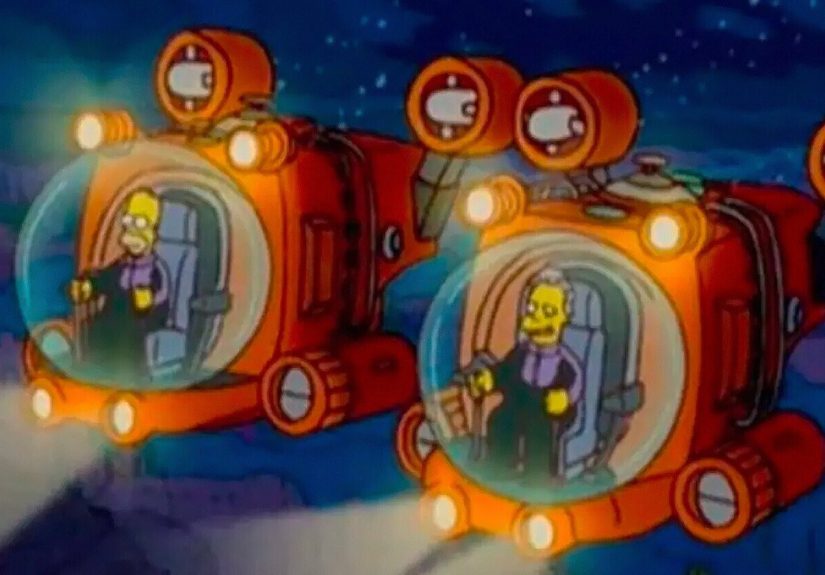
The comparison centered on a 2006 Simpsons episode called “Homer’s Paternity Coot,” in which Homer goes on an underwater treasure hunt in a tiny submersible, gets separated from his guide, becomes trapped, and starts running out of oxygen. For fans already convinced that the show has a standing appointment with the future, the similarities felt spooky enough to trigger another round of “The Simpsons knows too much” discourse.
But did The Simpsons really predict the Titan incident? Not literally. Not precisely. And definitely not in the way viral posts suggested. What the show did create was an eerie fictional setup that happened to overlap with a very real and very tragic deep-sea disaster. That distinction matters. Because when you strip away the memes and the dramatic side-by-side screenshots, what remains is a fascinating story about coincidence, pattern recognition, pop culture mythology, and the internet’s endless hunger for a spooky callback.
Why Fans Thought the Episode Looked So Uncanny
The reason this theory spread so quickly is simple: the visuals were easy to compare, and the emotional beats were close enough to feel unnerving. In “Homer’s Paternity Coot,” Homer joins Mason Fairbanks, the man he believes might be his biological father, on a mission to find lost emerald treasure from a sunken ship called the Piso Mojado. Naturally, this is a cartoon, so the adventure arrives with a side order of chaos. Homer ends up in a separate submersible, gets stuck underwater, and starts losing oxygen before eventually passing out.
Now place that fictional setup next to the real-world Titan story: a deep-sea expedition, a tiny vessel, a mission tied to a famous wreck, a tense loss of communication, and a public countdown centered on oxygen. It is not hard to see why fans drew a line between the two. The comparison practically built itself. The internet loves a creepy coincidence, and this one came with ready-made screenshots.
That said, the overlap is broader than the memes made it seem. The Simpsons episode was not about the Titanic. It was not about OceanGate. It did not depict the same craft, the same people, or the same outcome. Homer survives. The mission is a treasure hunt, not a commercial tourism dive to the RMS Titanic. And the show’s goal was comedy and family drama, not prophecy. The parallel is eerie, yes. Exact? Not even close.
The Episode Everyone Keeps Pointing To
If you have seen viral posts claiming the show “predicted the Titanic submarine incident,” they are almost certainly referring to “Homer’s Paternity Coot,” which aired in 2006 during the show’s seventeenth season. The episode’s plot is classic Simpsons: absurd setup, emotional twist, weird adventure, sudden danger, and a sentimental ending that somehow lands right after a joke that should not work but absolutely does.
What fans seized on most was the image of Homer in a cramped underwater craft while his oxygen runs low. That visual, combined with the story’s shipwreck angle, gave the internet all the material it needed. Once one clip started circulating, the theory snowballed across TikTok, X, Facebook, YouTube Shorts, and basically every group chat where somebody has ever typed, “Bro, this is getting weird.”
Why the Similarities Felt Bigger Than They Were
The Titan story was not just another headline. It was a global news event wrapped in suspense, mystery, and fear. For days, coverage focused on the vessel’s disappearance, the search area, the limited oxygen supply, and the desperate hope that those aboard might still be found. That emotional atmosphere made any resemblance to fiction feel amplified. When people are already tense, even a loose parallel can feel like destiny wearing a cartoon disguise.
It also helped that The Simpsons already had a reputation for “predicting” reality. People were primed to believe it. A bizarre coincidence becomes far more believable when it fits into an existing cultural myth. Once the public has accepted the idea that Springfield is some kind of yellow-tinted crystal ball, every oddly familiar plot point starts looking suspiciously prophetic.
What Actually Happened With the Titan Submersible
On June 18, 2023, the Titan submersible lost contact during a dive to the Titanic wreck site in the North Atlantic. The story quickly became one of the most heavily followed news events of the summer. Public attention locked onto the dramatic details: the remote location, the tiny vessel, the international search effort, and the ticking oxygen estimate that turned every update into a national pulse check.
Then came the devastating conclusion. Authorities said debris found near the wreck site was consistent with a catastrophic implosion, killing all five people aboard. What had looked, for a few tense days, like a desperate rescue mission became a fatal cautionary tale about engineering, risk, and the seductive power of “innovation” when nobody important is standing nearby with a clipboard and the word “No.”
Later investigations only deepened that story. Official findings and subsequent reporting concluded that OceanGate’s engineering process and safety oversight were badly inadequate. Investigators said the company failed to properly address known warning signs, including hull anomalies, and criticized its design, certification, maintenance, and inspection practices. In plain English: this was not a case of random bad luck falling out of a clear blue sky. It was a tragedy shaped by ignored concerns and poor decisions.
That reality is important, because it shifts the story away from internet creepiness and back to where it belongs: accountability. Viral posts about The Simpsons may have been fascinating, but the actual Titan disaster was not a spooky cartoon coincidence. It was a real-world failure with real victims and serious lessons.
Did The Simpsons Predict It? The Honest Answer
The honest answer is no, at least not in any literal or supernatural sense. The show echoed a scenario that later reminded people of the Titan tragedy. That is different from prediction. The distinction may sound picky, but it matters. Prediction implies something precise, specific, and unlikely enough to feel impossible. What happened here was a fictional story about underwater danger that later resembled a real disaster in a few striking ways.
Think of it this way: if a long-running TV series spends decades making jokes about politics, technology, celebrity culture, business mergers, weird science, and human stupidity, it will occasionally brush up against reality in ways that feel unnervingly accurate. That is not magic. That is volume, observation, satire, and a little statistical luck doing the cha-cha together.
Even writers associated with the show have pushed back on the idea that The Simpsons literally sees the future. One of the most common explanations is also the least mystical: history repeats itself, human behavior is predictable, and a show that has been around forever has had plenty of chances to look clever in hindsight. In other words, Springfield is less Nostradamus and more “sharp writers who understand how the world works.”
Why The Simpsons Always Ends Up in These Conversations
The Simpsons has become the patron saint of hindsight. Fans have credited the series with foreshadowing everything from Donald Trump’s presidency to the Disney-Fox merger, smartwatches, viral outbreaks, sporting outcomes, and plenty of smaller oddities that sound made up until you see the clip. Some of those examples are surprisingly close. Some are overblown. Some are flat-out fake. But together they have built a mythology that is almost impossible to kill.
The real secret is that the show has lasted for decades while constantly parodying politics, media, business, consumer tech, and social trends. That gives it an enormous library of jokes and scenarios to compare against real life. Add in the internet’s love of clip culture, and suddenly every old scene becomes a potential prophecy.
There is also a psychological reason these theories thrive: humans are excellent at spotting patterns, even when the pattern is a little wobbly. We connect dots. We sharpen coincidences. We edit out what does not fit. A screenshot from a deep-sea cartoon episode plus a terrifying real headline equals instant “How did they know?” energy. Social media does the rest.
And let’s be honest: the idea is fun. Or at least it is fun when the real-world event is harmless. A cartoon predicting a tech gadget? Neat. A cartoon predicting a corporate merger? Weirdly impressive. A cartoon seeming to echo a disaster that killed people? That is where the joke starts to feel heavier. The Titan comparison fascinated people, but it also came with a moral speed bump: this was not just internet trivia. It involved real loss.
Why the Titan Comparison Hit Harder Than Other “Predictions”
The Titan theory spread not just because it was eerie, but because it touched several cultural nerves at once. First, it involved the Titanic, a disaster that has occupied a permanent suite in the public imagination for more than a century. Second, it featured extreme tourism, which already inspires a mix of curiosity and side-eye. Third, it unfolded in real time, with constant updates and intense speculation.
Then the Simpsons clip appeared and gave people a narrative shortcut. Instead of processing a technically complex engineering disaster, they could drop it into a familiar internet frame: “The show did it again.” That is how virality works. It compresses complicated reality into one punchy, shareable idea. Unfortunately, reality rarely fits inside that box without getting bent.
The better takeaway is not that The Simpsons predicted the Titan incident. It is that the show once created a fictional deep-sea peril story that, years later, looked disturbingly familiar. That is still interesting. It just is not supernatural.
The Bigger Lesson Behind the Memes
If there is a lesson here, it is not about cartoon clairvoyance. It is about how culture processes fear. When something shocking happens, people reach for references that help them understand it. Sometimes that reference is a movie. Sometimes it is a true-crime documentary. And sometimes, because the internet is the internet, it is Homer Simpson in a tiny yellow sub.
That instinct is understandable. Fiction gives us templates for reality. It helps us organize chaos. But it can also distract us from the real story. In the Titan case, the real story was not “Wow, cartoons are psychic.” It was that deep-sea exploration is unforgiving, engineering shortcuts can be catastrophic, and warning signs matter whether or not they come with dramatic music.
So yes, fans say The Simpsons predicted the Titanic submersible incident. Because of course they do. This is the same internet that can turn one blurry screenshot into a 12-hour discourse spiral. But the truth is more grounded, more human, and frankly more useful: The Simpsons did not foresee the future so much as it once told a story that rhymed with later events. The rhyme was creepy. The tragedy was real. And the difference between those two things is exactly where the grown-up conversation should begin.
Bonus: The Shared Experience of Watching Another “Simpsons Prediction” Go Viral
One of the strangest parts of the Titan discourse was not the theory itself, but the collective experience of watching it spread. Almost everyone encountered it the same way. You are scrolling through your phone, probably trying to do something noble and productive like check the weather, and then a clip appears: Homer in a submersible, deep underwater, oxygen ticking down, dramatic captions everywhere. The post insists that The Simpsons predicted the whole thing. You pause. You squint. You feel that very modern blend of skepticism and goosebumps.
Then the social ritual begins. Somebody sends it to the group chat. Somebody else says, “Nah, no way.” Another friend responds three seconds later with, “Okay but that’s actually creepy.” A cousin posts it on Facebook with seventeen shocked emojis. A TikTok creator adds ominous music. A YouTube commentator leans into full conspiracy mode. Meanwhile, one reasonable person in the corner quietly points out that the episode was not about the Titanic at all, only to be ignored because the side-by-side screenshots are simply too good.
That experience says a lot about how people consume news now. Facts arrive, but so do remixes of facts. Serious events are instantly filtered through memes, fandoms, nostalgia, and whatever piece of pop culture is available to make the moment feel legible. In the Titan story, The Simpsons became a kind of emotional shorthand. It gave people a frame they already understood: weird, unsettling, a little funny, a little awful, and impossible not to share.
There is also something deeply human about wanting the clip to mean more than it does. Random tragedy feels colder than coincidence. If a cartoon “saw it coming,” the event takes on a strange symbolic shape. It becomes part of a story, not just a disaster. That does not make the theory true, but it does explain why people keep reaching for it. Humans hate chaos. We would often rather believe in eerie patterns than accept that some terrible things happen because warnings were missed, judgment failed, and reality does not negotiate.
And yet the whole experience was not only about fear. It was also about memory. Millions of people have lived with The Simpsons in the background for decades. The show is not just entertainment anymore; it is a shared cultural filing cabinet. When something bizarre happens, people instinctively open the drawer labeled “Surely Springfield covered this.” Half the time they are joking. The other half, they are genuinely unsure. That is how powerful the show’s reputation has become.
So the “experience” of this topic was bigger than a single claim. It was the sensation of watching modern culture do its thing in real time: panic, reference, meme, compare, exaggerate, fact-check, argue, repeat. The Titan story was tragic. The viral Simpsons comparison was surreal. And together they created one of those unmistakably internet-era moments where reality, fandom, and folklore all collided in the same scroll.