Table of Contents >> Show >> Hide
- What “Good Bones” Really Means
- 14 Signs a Home Has Good Bones
- 1. The Foundation Looks Stable, Not Dramatic
- 2. The Floors Feel Level and Solid Underfoot
- 3. The Roofline Is Straight Instead of Wavy
- 4. Water Moves Away From the House, Not Toward It
- 5. The Basement or Crawl Space Is Dry and Boring
- 6. The Layout Makes Sense Without Major Surgery
- 7. The Rooms Have Good Proportions
- 8. Kitchens and Bathrooms Are Positioned Logically
- 9. The Plumbing Looks Maintained, Not Ancient
- 10. The Electrical System Does Not Raise Your Blood Pressure
- 11. The Framing and Materials Feel Substantial
- 12. Original Details Survived the Remodeling Eras
- 13. The House Gets Good Natural Light and Ventilation Potential
- 14. Most of the Needed Work Is Cosmetic, Not Structural
- Why Good Bones Matter More Than Pretty Finishes
- Real-World Experiences: What People Learn When a House Has Good Bones
Some houses walk into your life like a movie star. Fresh paint, trendy fixtures, and a kitchen staged so aggressively it looks like nobody has ever toasted bread there. Other houses arrive wearing shag carpet, brass everything, and a smell that suggests someone loved potpourri a little too much. And yet, sometimes the scruffy one is the winner. Why? Because beneath the cosmetic chaos, it has what real estate agents, renovators, and experienced buyers love to call good bones.
A home with good bones is not necessarily glamorous on day one. It may not have waterfall countertops, a spa bathroom, or a pantry large enough to hide from your relatives. What it does have is far more important: a strong structure, a logical layout, durable materials, and the kind of underlying quality that makes renovations worth the effort. In other words, it is the difference between a house that needs lipstick and a house that needs life support.
If you are trying to decide whether an older property is a smart buy or a beautiful headache in disguise, these are the clues that matter most. Here are 14 signs that a home has good bones, along with the practical reasons each one matters.
What “Good Bones” Really Means
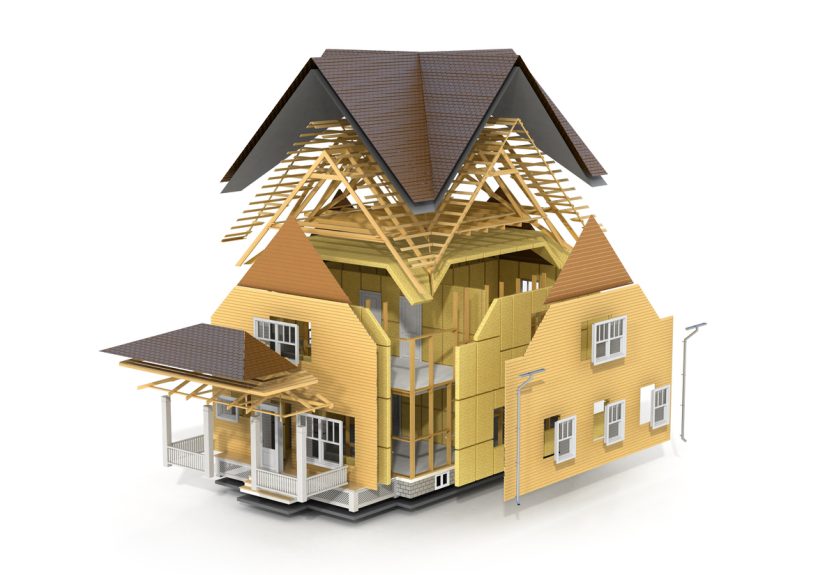
When buyers talk about a house with good bones, they are talking about the parts that are difficult, disruptive, and expensive to fix. Think foundation, framing, roofline, drainage, mechanical systems, and layout. Cosmetic flaws are usually manageable. Structural dysfunction is where renovation dreams go to cry in the driveway.
That is why the best homes are often not the prettiest homes at first glance. A dated but solid house can become a gem. A pretty house with hidden moisture damage, shifting floors, or a failing roof can turn into a very stylish wallet vacuum. So before you fall in love with paint colors and pendant lights, look for the following signs.
14 Signs a Home Has Good Bones
1. The Foundation Looks Stable, Not Dramatic
A home with good bones usually starts with a stable foundation. You do not want a foundation that is trying to tell a suspense story through giant cracks, bowing walls, or obvious settling. Minor surface imperfections can happen in older homes, but widespread movement is a different beast entirely.
Walk the perimeter. Look for large stair-step cracks in masonry, horizontal cracking, or doors and windows that seem oddly misaligned. Inside, notice whether floors slope dramatically or if walls show stress in several rooms. A solid foundation is one of the strongest signs that a home is structurally worth saving, because once the base is compromised, everything above it starts auditioning for trouble too.
2. The Floors Feel Level and Solid Underfoot
You can learn a lot by simply walking through a house slowly. Good bones often reveal themselves through floors that feel stable, firm, and reasonably level. In an older home, a tiny amount of variation is not unusual, but obvious dips, springiness, or a sensation that you are slowly skiing toward the dining room deserves attention.
Solid floors suggest that the framing, joists, and subfloor have held up well over time. They also hint that the house has not suffered major structural shifts or long-term moisture damage. If the floor feels confident, the house often does too.
3. The Roofline Is Straight Instead of Wavy
Stand outside and look up. A healthy roofline should look orderly, not like it has given up emotionally. Sagging ridges, drooping sections, or uneven lines can point to framing issues, water damage, or long-term neglect.
A roof does more than keep rain out. It protects the entire building envelope. If the roof structure is sound, you are already ahead. Replacing shingles is one thing. Correcting structural roof problems is another level of expense and disruption. Good bones homes tend to have rooflines that still hold their shape with dignity.
4. Water Moves Away From the House, Not Toward It
Moisture is the sneakiest villain in real estate. A house can survive ugly wallpaper. It cannot casually shrug off years of water intrusion. One major sign of good bones is proper grading and drainage. The site should direct water away from the foundation, not invite it to settle there like an unwanted houseguest.
Check whether the yard slopes away from the house, whether downspouts actually move water out and away, and whether puddles gather near the foundation after rain. Good drainage protects basements, crawl spaces, framing, and air quality. Bad drainage, meanwhile, is basically a subscription plan for future repairs.
5. The Basement or Crawl Space Is Dry and Boring
Boring is beautiful in a basement. If the lower level smells dry, looks clean, and does not feature efflorescence, staining, mold, rotted wood, or mystery dampness, that is excellent news. Good bones homes usually have basements and crawl spaces that are uneventful, and that is exactly what you want.
Pay attention to musty odors, peeling paint on foundation walls, standing water, rusty fasteners, or insulation that looks like it had a rough winter. Hidden moisture can damage framing, reduce insulation performance, and create long-term indoor air issues. A dry lower level is a powerful signal that the house has been protected where it matters most.
6. The Layout Makes Sense Without Major Surgery
A house with good bones is not just structurally sound; it also works. The best floor plans have a natural flow between rooms, sensible traffic paths, and spaces that feel usable without heroic redesign. You should not need to pass through a bathroom to reach the kitchen, unless the house is actively trying to build character through confusion.
A logical layout saves money during renovations because moving walls, rerouting plumbing, and rewiring major spaces gets expensive fast. If bedrooms are placed reasonably, public and private areas are distinct, and the kitchen and baths are in practical locations, the house likely has strong functional bones.
7. The Rooms Have Good Proportions
Beyond layout, good bones often show up in the shape and scale of the rooms. Well-proportioned rooms are easier to furnish, easier to live in, and easier to update. They do not feel awkwardly narrow, randomly oversized, or cursed with a corner that exists solely to confuse sectional sofas.
Even if finishes are dated, rooms with pleasing proportions and decent ceiling height feel comfortable. They give a home that subtle sense of calm people notice even when they cannot explain it. That feeling is not magic. It is architecture doing its job.
8. Kitchens and Bathrooms Are Positioned Logically
You do not need a brand-new kitchen or a designer bathroom for a house to have good bones. What matters more is whether these rooms are placed in sensible locations and connected efficiently to plumbing lines. A dated kitchen can be remodeled. A kitchen trapped in a bizarre, dysfunctional corner can become a budget black hole.
When wet rooms are grouped intelligently, updates are usually more straightforward and less invasive. That is a major advantage. If the home already has a practical plumbing layout, you can spend money improving the space instead of reinventing the entire skeleton behind the walls.
9. The Plumbing Looks Maintained, Not Ancient
Good bones include systems, not just structure. Plumbing should appear serviceable, intact, and reasonably updated. That does not mean every pipe must be brand new, but it should not look like a museum exhibit sponsored by corrosion.
Signs of healthier plumbing include good water pressure, no visible active leaks, no widespread staining under sinks, and supply and drain lines that appear maintained instead of patched together by decades of wishful thinking. Reliable plumbing makes a home far more livable and dramatically reduces the chance of hidden water damage.
10. The Electrical System Does Not Raise Your Blood Pressure
A home with good bones should also have an electrical system that feels safe and capable of serving modern life. That means no visibly frayed wires, sketchy DIY connections, or a panel that looks like it has seen things. You want evidence of competent maintenance, not electrical folklore.
Updated wiring, a sensible service panel, functioning outlets, and clean installation details all point to a home that has been cared for. Cosmetic upgrades are easy to add later. Electrical corrections can be disruptive, expensive, and essential for safety. Good bones homes do not make you nervous when you flip a switch.
11. The Framing and Materials Feel Substantial
Sometimes you can just feel quality. Older homes with good bones often have sturdy framing, solid doors, thick trim, real wood flooring, quality masonry, and construction materials that have already proven they can survive generations of weather, family life, and questionable decorating decisions.
That does not mean every old house is automatically superior, but durable materials are a huge plus. If the house feels solid when doors close, walls sound substantial, and the structure seems robust rather than flimsy, it is often a clue that the original construction had integrity. Strong materials make restoration and tasteful updating much more rewarding.
12. Original Details Survived the Remodeling Eras
One charming sign of good bones is the survival of original architectural elements. Think hardwood floors under carpet, built-ins, solid wood trim, tall baseboards, plaster details, vintage doors, or graceful stair railings. These features do more than add charm. They suggest the house had quality to begin with and was worth preserving.
Original details can also save money and elevate future renovations. Restoring beautiful woodwork often costs less than trying to recreate character from scratch. Plus, these features give a house something every bland flip desperately wants: an actual personality.
13. The House Gets Good Natural Light and Ventilation Potential
Homes with good bones often feel pleasant before they are polished. Part of that comes from natural light, window placement, ceiling height, and the basic relationship between rooms and the outdoors. Bright rooms, functional windows, and decent airflow make a home feel healthier, more comfortable, and easier to update attractively.
Energy performance matters here too. If windows and doors fit reasonably well, the attic is vented and insulated competently, and the home is not full of obvious air leaks, that is another quiet sign of quality. Comfort is not just decor. It is how well the house works on an ordinary Tuesday.
14. Most of the Needed Work Is Cosmetic, Not Structural
This may be the clearest sign of all. A house has good bones when the to-do list is mostly about surfaces, style, and routine upgrading rather than structural rescue. If the home needs paint, flooring refinishing, cabinet updates, lighting changes, or a better color palette, that is manageable. If it needs major structural correction, drainage overhaul, roof reframing, and whole-house system replacement all at once, that is not charming potential. That is a full-time relationship.
The ideal good-bones home gives you room to improve without requiring a second mortgage just to make it safe. It offers possibility, not panic.
Why Good Bones Matter More Than Pretty Finishes
Buyers are often tempted to overvalue the shiny stuff. New backsplashes, trendy light fixtures, and fashionable paint colors are easy to fall for because they photograph well and flatter the imagination. But those details are relatively simple to change. What is difficult to change is the house itself: how it stands, drains, breathes, flows, and functions.
That is why the smartest renovations usually start with a brutally honest question: Is this house fundamentally worth improving? If the answer is yes, you can create tremendous value over time. Good bones give homeowners flexibility. You can refresh finishes in stages, preserve original details, improve efficiency, and modernize systems while keeping the strong core intact.
In practical terms, a home with good bones is often the best kind of project. It may not be the easiest house to photograph on closing day, but it is often the most satisfying one to live in five years later.
Real-World Experiences: What People Learn When a House Has Good Bones
Talk to homeowners who have renovated older properties, and you hear the same lesson again and again: a house does not need to be perfect to be promising. One buyer falls for a 1940s brick home with outdated wallpaper in every room but discovers the floors are level, the trim is original, and the basement is dry. Another takes a chance on a ranch that looks tired from the street, only to realize the layout is excellent and the light inside is so good that half the home’s “problems” disappear the moment the heavy drapes come down.
These experiences are surprisingly consistent. People who buy homes with good bones often say the same thing after moving in: the house was easier to improve than expected because the expensive, hard-to-fix parts were already working in their favor. They were able to refinish hardwood instead of replacing structure. They could update a kitchen without moving every pipe in the county. They spent weekends picking paint colors instead of negotiating with foundation specialists while stress-eating crackers in the garage.
Renovators also learn that good bones create momentum. When the structure is sound and the rooms make sense, every improvement feels like progress instead of damage control. New lighting suddenly shines in the right places. Restored windows make the whole house feel alive. Fresh paint highlights trim that deserved attention all along. Even modest upgrades seem more impressive because the architecture supports them.
There is also an emotional side to it. Houses with good bones tend to feel reassuring. They are often the homes people describe as “solid,” “comfortable,” or “just right,” even before the renovation is finished. That feeling matters. A strong house gives you confidence. You stop wondering whether every project will uncover disaster and start thinking creatively about what the home could become.
Of course, experience teaches caution too. Smart buyers know that “good bones” is not a magical phrase that replaces due diligence. They still get inspections. They still check drainage after rain. They still look in the attic, test the windows, inspect the basement, and ask hard questions about wiring, plumbing, and roofing. The best experience with a good-bones home is not blind optimism. It is informed optimism.
In the end, the people happiest with these homes are usually the ones who understand the difference between ugly and unsound. Ugly can be fixed. Dated can be updated. Awkward finishes can be replaced. But when a house has a stable foundation, a sensible floor plan, durable materials, and room to improve, that is when buyers start to see what seasoned renovators already know: the best house on the block is not always the flashiest one. Sometimes it is the one quietly waiting beneath bad carpet, old brass, and a deeply unfortunate ceiling fan.
If you can spot that kind of potential, you are not just shopping for a pretty house. You are shopping like someone who understands value. And in real estate, that is a superpower.