Table of Contents >> Show >> Hide
- Why Home Safety Essentials Matter More Than Ever
- 15 Safety Essentials Your Home Is Probably Missing
- 1. Smoke Alarms in All the Right Places (Not Just the Hallway)
- 2. Dedicated Carbon Monoxide Detectors on Every Level
- 3. A Properly Rated ABC Fire Extinguisher (That You Know How to Use)
- 4. A Fully Stocked, Easy-to-Find First-Aid Kit
- 5. Escape Ladders for Second-Story Bedrooms
- 6. A Simple, Practiced Fire Escape Plan
- 7. Smart Locks or Upgraded Deadbolts
- 8. Motion-Sensor Exterior Lighting
- 9. Surge Protectors and GFCI Protection
- 10. Water Leak and Freeze Sensors
- 11. A Battery-Powered or Hand-Crank Emergency Radio
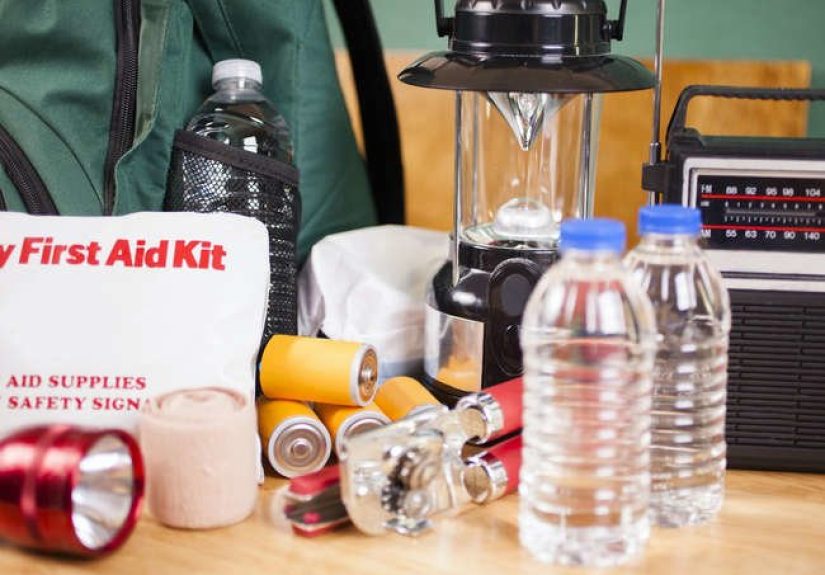
- 12. A 72-Hour Emergency Supply Kit
- 13. A Gas and Water Shutoff Tool
- 14. Anti-Tip Straps for Furniture and TVs
- 15. Backup Power and Charging Options
- How to Start Upgrading Your Home’s Safety Without Overwhelm
- Real-Life Lessons: Experiences That Highlight the Power of Safety Essentials
- Conclusion: Upgrade Your Safety, Not Just Your Style
Most of us are pretty good at decorating our homes: comfy sofa, cute throw pillows, maybe a plant that’s only
half alive. But when it comes to real home safety essentials, plenty of houses are quietly
unprepared for a fire, power outage, or medical emergency. The result? Situations that could have been minor
annoyances can turn into genuine disasters.
Inspired by Bob Vila–style practical wisdom, this guide walks through 15 safety items many homes either don’t
have or don’t have in the right way. We’ll look at what each essential does, where to put it, and how to choose
a version that actually works for your family — not just for your checklist.
Why Home Safety Essentials Matter More Than Ever
Modern homes are full of electronics, complex HVAC systems, and smart gadgets. That’s great for comfort and
convenience, but it also means more potential failure points: electrical fires, carbon monoxide leaks,
overloaded outlets, and security vulnerabilities.
Fire safety organizations in the U.S. consistently report that working smoke alarms, fire extinguishers, and
escape plans significantly reduce the risk of serious injury or death in a home fire. Emergency agencies also
recommend that every household be prepared to be on its own for at least 72 hours after a major storm or
disaster with basics like water, flashlights, and a first-aid kit.
The good news? You don’t have to turn your living room into a bunker. A handful of simple, often inexpensive
safety upgrades can dramatically improve your home’s resilience — and your peace of mind.
15 Safety Essentials Your Home Is Probably Missing
1. Smoke Alarms in All the Right Places (Not Just the Hallway)
Most homes have at least one smoke alarm. The problem is that it’s usually in the wrong spot or it quietly died
three years ago.
Current recommendations call for smoke alarms on every level of the home, inside each bedroom, and outside every
sleeping area. If your place has one lonely alarm in the center hallway, it’s time for a serious upgrade.
Consider interconnected alarms: when one sounds, they all sound. That extra minute or two of warning can be the
difference between a close call and a catastrophe.
Bonus move: choose models with long-life sealed batteries so “I’ll change it later” isn’t your permanent plan.
2. Dedicated Carbon Monoxide Detectors on Every Level
Carbon monoxide (CO) is a colorless, odorless gas that can be lethal. It’s produced by fuel-burning appliances
like furnaces, fireplaces, gas stoves, and attached garages. If you have any of those (and most homes do),
CO detectors are nonnegotiable.
Ideally, install CO alarms on every level of your home and near all sleeping areas. Many devices combine smoke
and CO detection, but don’t assume you’re covered without checking the label. Test detectors monthly and replace
units according to the manufacturer’s lifespan (often 7–10 years).
3. A Properly Rated ABC Fire Extinguisher (That You Know How to Use)
A fire extinguisher stuffed behind the cleaning supplies doesn’t help much if nobody knows it’s there — or
how it works.
Every home should have at least one ABC-rated fire extinguisher (good for most household
fires), with extra ones near the kitchen, garage, and workshop. Mount them where they’re easy to see and grab,
not buried in a closet.
Take 60 seconds to review the PASS method with your household:
- Pull the pin.
- Aim at the base of the fire.
- Squeeze the handle.
- Sweep side to side.
Also check the gauge once or twice a year. If it’s in the red or the extinguisher is damaged or decades old,
replace it.
4. A Fully Stocked, Easy-to-Find First-Aid Kit
A random bandage in the junk drawer doesn’t count as medical preparedness. A real
first-aid kit should include assorted bandages, sterile gauze, adhesive tape, antiseptic wipes,
tweezers, small scissors, disposable gloves, pain relievers, and any special items your family needs (like
allergy meds).
Keep the kit in a central location that everyone can find, and consider a second kit in the car. Add a simple
first-aid guide or printed instructions so you’re not frantically searching online mid-crisis.
5. Escape Ladders for Second-Story Bedrooms
If anyone sleeps on an upper floor, a fire escape ladder is one of the most important things
you hope to never use.
These portable ladders hook over the window sill and provide a quick exit if stairways are blocked by smoke or
flames. Store them near bedroom windows (not buried in a distant closet), and walk older kids and adults through
how to deploy them. You don’t need to actually climb out during practice — just getting familiar can calm
panic in a real emergency.
6. A Simple, Practiced Fire Escape Plan
It’s not a gadget, so it’s easy to skip, but a fire escape plan is a core safety essential.
Every person in the home should know:
- Two ways out of each room, if possible.
- How to crawl low under smoke.
- Where to meet outside (a tree, mailbox, or neighbor’s driveway).
Run a quick drill once or twice a year, especially if you have kids. Yes, they will turn it into a race. That’s
fine — the point is that moving to safety feels familiar, not terrifying.
7. Smart Locks or Upgraded Deadbolts
A wobbly old doorknob with a skeleton-key lock is basically an invitation. Upgrading to
high-quality deadbolts or smart locks makes it much harder for intruders to
force entry and much easier for you to manage access.
Smart locks let you:
- Use codes instead of hiding keys under the mat.
- See when doors are locked or unlocked.
- Provide temporary access codes for guests or contractors.
Whether you go classic or high-tech, make sure exterior doors are solid-core or metal and strike plates are
anchored with long screws into the framing, not just the trim.
8. Motion-Sensor Exterior Lighting
Burglars love darkness. You don’t have to turn your house into a stadium, but a few well-placed
motion-sensor lights around entryways, driveways, and dark side yards can deter intruders,
reduce trip hazards, and make it easier for you to see what’s going on outside.
LED fixtures are energy-efficient and low-maintenance. Adjust the sensitivity and timing so they react to
people, not every passing moth.
9. Surge Protectors and GFCI Protection
Electrical safety isn’t flashy, but it’s crucial. Two things many older homes lack are:
-
Surge protectors for electronics like TVs, computers, and gaming systems. These help shield
your gear from power spikes during storms or utility issues. -
GFCI outlets (ground-fault circuit interrupters) in kitchens, bathrooms, garages, basements,
and outdoor areas. They’re designed to shut off power quickly if they detect a dangerous fault, greatly
reducing shock risk.
If you’re not comfortable working with wiring, hire a licensed electrician to add GFCI outlets and assess your
panel. It’s less expensive than repairing damage from an electrical fire.
10. Water Leak and Freeze Sensors
Water doesn’t seem like a safety risk until it causes mold, electrical hazards, or a collapsed ceiling.
Leak detectors and freeze sensors can alert you early to burst pipes, failing
water heaters, or slow leaks under sinks.
Basic models simply sound an alarm; smart versions can send alerts to your phone or integrate with shutoff
valves to stop the flow automatically. Place them near water heaters, washing machines, dishwashers, under
sinks, and in basements or crawl spaces that are prone to moisture.
11. A Battery-Powered or Hand-Crank Emergency Radio
When the power and Wi-Fi go out, your smartphone becomes a very expensive flashlight. That’s where an
emergency weather radio earns its keep.
Look for a NOAA Weather Radio with battery backup or hand-crank power. Many models also include:
- Built-in flashlight.
- USB charging ports for phones.
- Emergency siren.
Keep it with your emergency kit so you can receive storm updates, evacuation notices, and safety information
even if cell networks are overloaded.
12. A 72-Hour Emergency Supply Kit
Call it a go-bag, disaster kit, or “we’re staying put” box — every home should have supplies to ride out
at least three days without leaving the house.
A solid emergency kit typically includes:
- Water (about one gallon per person per day).
- Non-perishable food and a manual can opener.
- Flashlights and extra batteries.
- First-aid kit (or a second one dedicated to the kit).
- Whistle, dust masks, and basic tools like a wrench or pliers.
- Copies of important documents in a waterproof bag.
Customize it with medications, pet supplies, baby items, and anything else your household needs to function.
13. A Gas and Water Shutoff Tool
In a major leak or after an earthquake, knowing how to shut off utilities is critical. Keeping a simple
gas and water shutoff tool near your main valves can save precious minutes.
Talk to your local utility provider or plumber about:
- Which valves you’re allowed to shut off yourself.
- How to do it safely.
- When you should call professionals instead.
Label valves clearly (“main water,” “sprinkler system,” etc.) so you’re not guessing during a high-stress
situation.
14. Anti-Tip Straps for Furniture and TVs
Tall furniture and big-screen TVs look perfectly stable — until a climbing toddler, curious pet, or minor
earthquake proves otherwise. Anti-tip straps anchor dressers, bookcases, and TVs to the wall,
preventing deadly tip-overs.
Installation is usually straightforward: a bracket on the furniture or TV, a bracket on a stud in the wall, and
a strap connecting the two. This is especially important in kids’ rooms, playrooms, and any area with heavy or
top-heavy pieces.
15. Backup Power and Charging Options
Even a short outage can turn stressful when you can’t charge phones, power medical devices, or keep essential
lights on. You don’t need a whole-house generator to be prepared, though that’s a bonus if your budget allows.
At minimum, consider:
- Portable power banks for phones and tablets.
- Rechargeable battery-powered lanterns.
- Small portable power stations for CPAP machines or other critical devices, if needed.
Store them charged and test them occasionally so you’re not staring at a dead power bank during the next storm.
How to Start Upgrading Your Home’s Safety Without Overwhelm
Looking at a big list of safety upgrades can feel like staring at your closet on Monday morning: where do you
even begin? The trick is to prioritize by risk and effort.
-
Start with life-saving basics. Smoke alarms, CO detectors, and a fire extinguisher are
non-negotiable. Make sure they exist, are in the right locations, and actually work. -
Add emergency readiness. Build a simple 72-hour kit and a first-aid kit, and jot down a fire
escape plan. This alone puts you ahead of many households. -
Layer in security and prevention. Smart locks, motion-sensor lighting, surge protection, and
leak sensors all reduce risk before something goes wrong. -
Schedule one safety project per month. Anchor furniture in March, create an emergency contact
sheet in April, install a weather radio and extra flashlight in May, and so on.
Within a few months, your home will be dramatically safer — and you won’t have had to sacrifice every
weekend to get there.
Real-Life Lessons: Experiences That Highlight the Power of Safety Essentials
Checklists are useful, but real stories are what convince most people to finally buy that extinguisher or escape
ladder. Here are a few composite experiences, drawn from common scenarios homeowners and renters in the U.S. run
into again and again.
The Midnight Toast Incident
Picture this: It’s nearly midnight. Someone decides that now is the perfect time for garlic toast. A phone buzzes,
a text thread gets interesting, and before long, smoke is rolling out of the oven. It happens fast.
In homes without working smoke alarms, small kitchen mishaps turn into large fires before anyone notices.
In homes with alarms, people are usually alerted early enough to turn off the oven, open windows, or grab a fire
extinguisher while the problem is still manageable. A well-placed extinguisher and interconnected alarms mean
that burned bread becomes a funny family story, not an insurance claim.
The Mystery Headache That Wasn’t Just Stress
Another common scenario: over a few days, family members complain of headaches, dizziness, or nausea. Everyone
blames long workdays or dehydration. Only later does someone realize the furnace has been acting odd — and
there’s no carbon monoxide detector anywhere in the house.
When households do have CO detectors, that same slow leak usually triggers an alarm long before symptoms escalate.
Families call the gas company or fire department, step outside into fresh air, and get the appliance serviced or
replaced. The difference between “we were all a little tired this week” and “we barely avoided tragedy” is often
a $30 detector screwed to the wall.
The Upstairs Bedroom Wake-Up Call
Many older homes have charming second-story bedrooms and not-so-charming escape options. One family realized that
every upstairs window opened onto a steep roof or drop with no safe exit. After hearing about a neighbor’s house
fire, they bought escape ladders for each bedroom and walked through a fire drill with their kids.
A year later, an electrical fire started in a downstairs outlet. Smoke alarms went off, the kids knew not to hide
in closets, and everyone moved toward the designated meeting point. They didn’t need the ladders that night —
the stairs were still usable — but just knowing those ladders existed helped them stay calm and focused.
The Great “Why Is the Carpet Wet?” Mystery
Water damage rarely shows up with a dramatic waterfall from the ceiling. It’s more often the slow, sneaky type:
a drip under a sink, a tiny crack in a washing machine hose, a pinhole leak in a supply line behind the fridge.
One homeowner noticed a musty smell but didn’t think much of it. By the time the damp spot appeared on the wall,
there was mold, damaged drywall, and a hefty repair bill. After that experience, they installed simple leak
detectors under sinks and near the water heater. A year later, another leak started — but this time, a loud
beep from a $20 sensor caught it within hours instead of weeks.
From “We’ll Be Fine” to “I’m So Glad We Were Ready”
Perhaps the biggest shift that comes from adding safety essentials is psychological. When a storm knocks out
power, families with flashlights, charged power banks, an emergency radio, and a small stash of non-perishable
food treat it like an inconvenient campout. For families without those basics, the same outage feels scary and
chaotic.
People who’ve lived through wildfires, hurricanes, winter storms, or extended blackouts tend to say the same
thing: They wish they had taken preparedness more seriously sooner. The recurring theme isn’t fear; it’s relief
— relief that they had water on hand, relief that smoke alarms woke them up, relief that they knew how to
shut off gas or find the main water valve.
In other words, safety essentials aren’t about being paranoid. They’re about clearing mental space. When you know
you’ve taken straightforward, practical steps to protect your home, you get to focus more on living in it and
less on worrying about every “what if.”
Conclusion: Upgrade Your Safety, Not Just Your Style
It’s fun to talk about design trends, new paint colors, and dream kitchens. But a truly well-designed home is one
that protects the people inside it. The 15 safety essentials above — from smoke alarms and fire
extinguishers to smart locks, motion lights, and emergency kits — form a practical safety net that most
homes quietly need.
You don’t have to tackle everything at once. Start with the basics that save lives, then add layers of protection
over time. A few simple purchases, a couple of short drills, and one thoughtfully stocked emergency kit can make
your home safer, more resilient, and a lot less stressful when something unexpected happens.
Your throw pillows can wait. Your safety essentials shouldn’t.