Table of Contents >> Show >> Hide
- Why a Smart Smoke Detector Belongs on Your Prime Day List
- The Smart Alarm Worth Watching: Kidde Smart Smoke + CO Alarm with Ring
- What Makes This One Better Than a Basic Alarm?
- Why Not Just Buy Nest Protect?
- Who Should Buy It During Prime Day?
- What to Check Before You Click “Buy Now”
- The Real Reason You Probably Won’t Regret This Purchase
- Real-World Experiences With a Smart Smoke Detector Upgrade
- SEO Tags
Prime Day has a funny way of turning reasonable adults into midnight bargain hunters. One minute you are “just browsing,” and the next you are seriously considering a countertop gadget that looks like it belongs in a sci-fi yogurt lab. But every now and then, a sale shines a spotlight on something genuinely useful. Not flashy-useful. Not “I’ll use this twice and then store it behind the waffle maker” useful. I mean real, grown-up, sleep-better-at-night useful.
That is exactly where a smart smoke detector earns its spot in your cart.
If you want the short list of smart-home purchases that actually matter, a connected smoke and carbon monoxide alarm belongs near the top. And right now, the standout pick is Kidde’s Smart Smoke + Carbon Monoxide Alarm with Ring. It is the kind of Prime Day buy you are likely to appreciate long after the cardboard boxes are gone and your willpower has recovered. It is practical, genuinely smart, and tied to a category that protects your home rather than just making it feel futuristic.
Most people still use the phrase “smart smoke detector,” but what you are really buying is a smoke alarm with connected features. That difference matters because this is not just a gadget that sends a phone notification and calls it a day. A strong modern alarm should detect danger fast, reduce nuisance alerts, help your household hear it wherever they are, and make maintenance less annoying. That is what turns a ceiling puck into something you actually trust.
Why a Smart Smoke Detector Belongs on Your Prime Day List
Fire safety is not exactly glamorous. It does not unbox well on social media. Nobody gathers friends around to admire a new smoke alarm and whisper, “Wow, look at that beautiful sensor housing.” But this is one of those rare home upgrades that quietly earns its value over and over again.
Working smoke alarms lower the risk of dying in a home fire, and national fire-safety guidance still recommends alarms inside each bedroom, outside each sleeping area, and on every level of the home. That advice may sound basic, but it points to a bigger truth: safety is less about owning one fancy device and more about having the right system in the right places. A smart alarm helps because it adds another layer of awareness. If you are asleep upstairs, out grocery shopping, or traveling three states away, you are not totally in the dark.
That remote awareness is the whole point. Traditional alarms do one thing well: they scream. Smart alarms still do that, but they also notify your phone, flag low batteries early, and in some cases connect with other compatible alarms so the whole home responds faster. When the product is designed well, the result is not “more tech for tech’s sake.” It is less guesswork, less maintenance drama, and more confidence.
Prime Day is also the ideal time to make this kind of upgrade because safety products rarely feel urgent until they suddenly do. Most households do not replace old alarms because they are exciting. They replace them because the chirping started at 2:13 a.m., because the current alarms are nearing end of life, or because someone finally realized that the hallway unit is older than the family dog. A sale gives you a better reason: do it before you are forced to.
The Smart Alarm Worth Watching: Kidde Smart Smoke + CO Alarm with Ring
If you are shopping specifically for a smart smoke detector during Prime Day, Kidde’s Ring-enabled Smart Smoke + Carbon Monoxide Alarm is the pick that makes the most sense for most buyers.
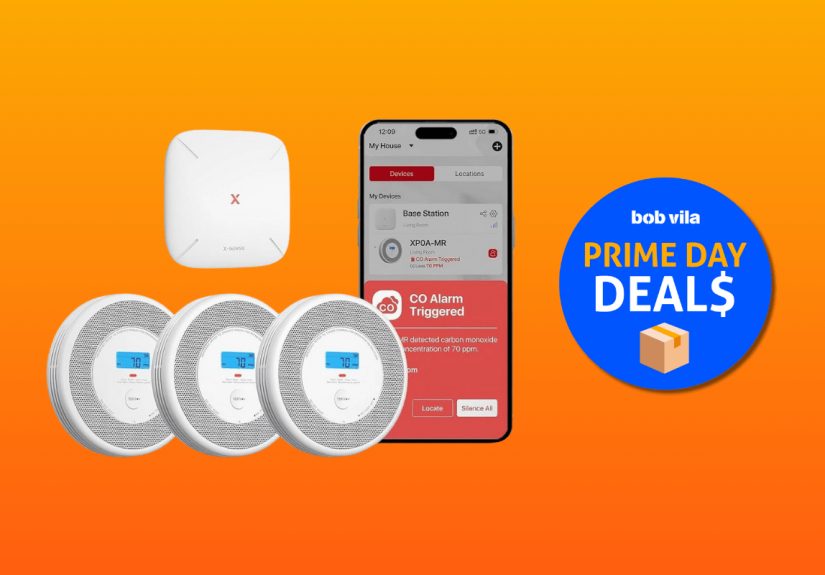
Why this one? Because it checks the boxes that matter most in real life. It sends real-time alerts through the Ring app. It combines smoke and carbon monoxide detection in one device. It includes voice alerts, which are far more useful than a mystery siren when your brain is still booting up. It also leans into whole-home connectivity, meaning compatible alarms can work together so one trigger is not trapped in one room like a bad secret.
Kidde also highlights faster and more precise sensing in its newer alarm generation, along with reduced nuisance alarms from cooking. That last feature deserves a little applause. A smoke alarm that panics every time someone sears chicken is not just annoying; it trains people to ignore it. And that is the opposite of what you want from a life-safety device.
Good Housekeeping’s recent testing coverage was especially favorable, praising the Kidde smart alarm for peace of mind, simple pairing, and fewer false alarms. The Spruce also named the hardwired Ring-enabled Kidde its best smart pick in current smoke detector coverage, while Popular Mechanics singled it out as the best smart system in a broader roundup of smoke and carbon monoxide alarms. That kind of multi-source consistency matters. It suggests the product is not just winning on marketing copy; it is landing well in actual reviews.
Another big advantage is price positioning. Smart alarms usually cost more than standard ones, and that is unavoidable. But Kidde’s current smart model generally lands well below what the now-discontinued Nest Protect cost, and below the newer First Alert SC5 smart model. That makes it easier to justify when Prime Day discounts arrive. In plain English: it feels premium without wandering off into “I should have just bought a plane ticket” territory.
What Makes This One Better Than a Basic Alarm?
1. Phone alerts when you are away
This is the feature that turns a smoke alarm from “important” into “modern.” A standard alarm only helps if someone is home to hear it. A smart alarm can reach you when you are at work, on vacation, or standing in a checkout line wondering why avocados cost more than your dignity. That is especially valuable for families, frequent travelers, pet owners, and anyone helping look after a relative’s house.
2. Smoke and carbon monoxide in one device
Carbon monoxide is odorless, dangerous, and easy to underestimate because it does not announce itself dramatically. Common symptoms can resemble the flu, including headache, dizziness, weakness, nausea, and confusion. A combo unit reduces clutter and gives you broader protection without asking you to become the kind of person who enjoys comparing separate sensor products for fun.
3. Voice alerts instead of panic riddles
When an alarm says what is happening, it saves time and confusion. Voice alerts can identify the hazard and often the location you assigned in setup. That is much more helpful than a generic blast that leaves everyone wondering whether the issue is burned toast, a basement problem, or something serious.
4. Whole-home connectivity
Interconnected alarms are strongly favored in modern fire-safety guidance because they improve audibility and give people more time to react. If a fire starts far from the bedroom, one isolated alarm may not be enough. A connected system spreads the warning where it is needed.
5. Better resistance to nuisance alarms
Modern sensing matters because old-school annoyance is not a feature. Updated smoke alarm standards and newer sensing designs are aimed partly at reducing false alarms from normal cooking conditions. In a busy household, that is not just nice to have. It is the difference between trusting the alarm and wanting to throw a dish towel at it.
Why Not Just Buy Nest Protect?
This is where the market has shifted.
For years, Nest Protect was the smart smoke alarm people mentioned first. It built a strong reputation, offered app control, and looked nicer than most alarms have any right to look. But Google has stopped selling Nest Protect, even though existing units are still supported. Google now points U.S. customers toward compatible third-party replacements, including First Alert’s SC5 Smart Smoke & Carbon Monoxide Alarm.
That changes the shopping conversation. When a product is no longer sold, it becomes harder to recommend as the go-to Prime Day buy, even if some remaining inventory is floating around. You may still find one somewhere, but “available while supplies last” is not the same thing as “smart long-term pick.”
The First Alert SC5 is a serious alternative, especially for households already tied into the Google Home ecosystem or replacing aging Nest units. It offers app alerts, voice warnings, compatibility with Nest Protect setups, and features aimed at reducing nuisance chirps. But it is also pricier than the Kidde option. That makes the Kidde alarm the more attractive value play for many Prime Day shoppers, especially Ring users or anyone who simply wants reliable smart safety without paying a luxury premium for ceiling hardware.
Who Should Buy It During Prime Day?
This smart alarm is a particularly good buy for five kinds of households.
- People with older alarms: If your existing units are approaching 10 years old, this is the right moment to replace them instead of negotiating with fate.
- Ring households: If you already use the Ring app, the integration is a natural fit and keeps everything in one familiar place.
- Frequent travelers: Remote notifications are much more valuable when you are not home every night.
- Parents and caregivers: Voice alerts, app warnings, and connected coverage add helpful redundancy when you are protecting more than just yourself.
- Owners of older homes: Upgrading older alarm setups can improve audibility and overall awareness without turning your house into a construction project from a TV renovation show.
On the other hand, if your budget is tight and your current alarms are new, properly placed, interconnected, and working well, there is nothing wrong with sticking to standard alarms. A basic working alarm is better than a premium alarm still sitting in an online shopping cart. Smart is helpful, but installed is undefeated.
What to Check Before You Click “Buy Now”
Placement still matters
A smart alarm is not a magic talisman. You still need proper coverage: inside each bedroom, outside each sleeping area, and on every level of the home. If you are buying one smart alarm to anchor a broader setup, think in terms of system planning, not impulse shopping.
Your home’s wiring setup
Kidde offers multiple versions, including hardwired and battery-powered options. The hardwired version is great for homes already set up that way, especially because battery backup helps during outages. Battery versions can make more sense for easier retrofits.
App ecosystem preference
If you live in Ring already, Kidde makes strong sense. If your home revolves around Google Home and you are specifically replacing Nest Protect devices, First Alert’s SC5 deserves a look. Buy the product that fits your ecosystem, not the one that wins a beauty contest in a vacuum.
Maintenance expectations
Even smart alarms need monthly testing and regular cleaning. They are easier to live with, not exempt from responsibility. Think of them as responsible roommates, not miracle workers.
The Real Reason You Probably Won’t Regret This Purchase
The best Prime Day purchases are not always the most dramatic. They are the ones that solve a problem before it becomes a problem. A connected smoke and carbon monoxide alarm does exactly that. It upgrades one of the most important safety systems in your house, makes warnings easier to understand, adds visibility when you are away, and reduces some of the everyday annoyances that cause people to neglect their alarms in the first place.
Kidde’s Smart Smoke + CO Alarm with Ring stands out because it balances practicality, current availability, solid review momentum, and a friendlier price than some of the category’s better-known smart options. In a market where Nest Protect is no longer sold and newer alternatives can get expensive fast, Kidde lands in the sweet spot: modern, useful, and realistic.
So yes, buy the robot vacuum if it brings you joy. Buy the discounted earbuds if your current pair sounds like they are underwater. But if you want the Prime Day purchase that future-you will quietly thank present-you for, this smart smoke detector is one of the smartest clicks you can make.
Real-World Experiences With a Smart Smoke Detector Upgrade
The most interesting thing about upgrading to a smart smoke detector is that the experience usually feels boring in the best possible way. On day one, you notice the cleaner design, the setup process, the app pairing, and the little burst of satisfaction that comes from replacing something old and overdue. After that, the product mostly fades into the background, which is exactly what a safety device should do. It is there, it works, and it does not ask for applause.
Where the difference really shows up is in everyday life. Imagine cooking dinner on a busy weeknight. With an older alarm, a little extra smoke from a skillet can trigger a full household meltdown. Someone starts waving a dish towel, the dog loses all confidence in humanity, and dinner suddenly has an alarm soundtrack. A better smart alarm with updated sensing is less likely to mistake ordinary kitchen chaos for a five-alarm emergency. That alone can make the device feel smarter from the very first week.
Another experience people appreciate is the low-battery situation not turning into a sleep-deprivation experiment. Traditional alarms have a special talent for chirping in the middle of the night like they are auditioning for a villain role. Smart alarms improve that experience by giving advance warnings through the app, which means you can deal with maintenance on your schedule instead of at 3 a.m. while standing on a chair in socks and poor judgment.
The biggest value, though, often appears when no one is home. Maybe you are at work and get a notification that an alarm needs attention. Maybe you are out of town and receive an alert that tells you whether there is smoke, carbon monoxide, or a battery issue. Even if the event turns out to be minor, that awareness changes the whole feeling of home ownership. You are not helplessly wondering what is happening. You know, and you can act.
There is also something reassuring about voice alerts in a family setting. Kids, grandparents, guests, and half-awake adults all understand plain language faster than they understand mystery beeping. If an alarm announces the type of problem clearly, the household loses less time trying to decode the situation. In an emergency, that clarity matters more than almost any “smart” feature on a spec sheet.
For people already using Ring, the experience gets even smoother because the alarm fits into an app they already know. That familiarity lowers the odds that the product becomes one more forgotten login in a folder labeled “probably important.” And if you are helping keep an eye on a second property or a relative’s home, being able to receive alerts remotely makes the alarm feel less like a gadget and more like a useful extension of your household routine.
In other words, the long-term experience is not about novelty. It is about fewer false alarms, fewer maintenance surprises, better awareness, and a stronger sense that one of your home’s most important systems is finally keeping up with the rest of your life.
SEO Tags
Note: Source links intentionally omitted from the article body for web publishing cleanliness.