Table of Contents >> Show >> Hide
- What “Best Place” Really Means (Because It’s Not One Place)
- If You Want Brand-New and Unlocked: Buy Direct
- If You Want to Compare Models in One Trip: Major Retailers
- If You Want “Free” (A.K.A. Discounted Over Time): Carrier Stores
- If You Want the Lowest Price Without Playing “Scam Roulette”: Refurb & Used Options
- Warehouse Clubs: Costco and Sam’s Club for Bonus Perks
- How to Choose the Best Place in 5 Minutes
- A Smart Buyer’s Checklist (New, Used, or Refurb)
- Real-World Experiences: What Buying a Phone Is Actually Like (500-ish Words)
- Conclusion: The Best Place to Buy Phones Depends on Your “Why”
Buying a new phone should be fun. Instead, it can feel like walking into a maze where every hallway is labeled
“LIMITED-TIME OFFER!!!” and the exit sign is suspiciously shaped like a 36-month installment plan.
The good news: once you know what you’re optimizing for (lowest upfront price, factory-unlocked freedom,
easiest returns, safest refurbished deal, or the biggest trade-in boost), the “best place” becomes pretty obvious.
This guide breaks down the smartest places to buy phones in the U.S.from manufacturer stores and big-box retailers
to carriers, warehouse clubs, and reputable refurbished marketplacesplus how to choose the right one without
accidentally adopting a second phone bill as a pet.
What “Best Place” Really Means (Because It’s Not One Place)
The best place to buy a phone depends on your priorities. Here are the most common “best” goals people have:
- Best for factory-unlocked phones: Buy direct from the manufacturer.
- Best for aggressive discounts: Carrier promotions (with the fine print you must actually read).
- Best for hands-on shopping and easy returns: Major retailers like Best Buy.
- Best for refurbished savings with guardrails: Certified programs (Apple/Samsung/Google) or reputable refurb marketplaces.
- Best for stacking perks: Warehouse clubs (Costco/Sam’s Club) when the promo stars align.
If you remember only one thing, make it this: “cheap” isn’t only the price tag. It’s also warranty, return window,
activation fees, trade-in rules, and whether the phone is locked to a carrier like it’s in a committed relationship.
If You Want Brand-New and Unlocked: Buy Direct
Buying direct is the cleanest, least-drama routeespecially if you want an unlocked phone you can use with any
carrier (including prepaid). It’s often the best move for people who switch carriers, travel, or just don’t want
their phone to be tied to one company’s billing system.
Apple (New + Apple Certified Refurbished)
Apple is a strong choice if you want predictable quality control, straightforward trade-in, and the comfort of
knowing you can walk into an Apple Store if something goes sideways.
-
Apple Certified Refurbished is one of the safest “used-ish” options: devices go through full
functional testing, come with a one-year warranty, and iOS devices are listed as arriving with a new battery and
outer shell. It’s also packaged like new and shipped with free shipping/returns. -
Apple Trade In can reduce your cost, but pay attention to how credit is applied (refund to payment
method vs gift card vs applied to monthly payments), and the timing/condition verification steps.
Who should buy here: people who value reliability, solid support, and factory-unlocked devices; anyone who wants a
premium phone without playing “guess what this third-party seller forgot to mention.”
Samsung (New + Certified Re-Newed)
Samsung’s direct store is a great place to look if you want flagship Android hardware, financing options, and strong
trade-in promos. If you’re open to refurbished, Samsung’s Certified Re-Newed program is especially
compelling for bargain hunters who still want “official” quality standards.
-
Certified Re-Newed devices are marketed as using 100% genuine Samsung parts, include a certified new battery,
include a 1-year warranty, and are inspected/cleaned by Samsung technicians. -
You’ll often see financing options advertised (including installment programs), which can help if you’d rather not
drop a whole paycheck in one click.
Who should buy here: Android fans who want an unlocked device with manufacturer backing, or anyone hunting for a
premium Samsung phone at a lower price without “mystery repairs” in its past.
Google Store (New + Certified Refurbished Pixels)
For Pixel buyers, the Google Store can be the simplest way to get official support and predictable warranty
coverage. Google also offers certified refurbished Pixel devices with a one-year Google warranty.
-
Certified refurbished Pixels are positioned as “renewed and ready,” and come with a one-year Google warranty for
peace of mind. -
If you like Google’s software experience and camera processing, this is a clean path to getting itnew or refurb
with fewer third-party surprises.
Who should buy here: Pixel loyalists, or anyone who wants a refurbished phone with a manufacturer warranty rather
than a “trust me, bro” warranty.
If You Want to Compare Models in One Trip: Major Retailers
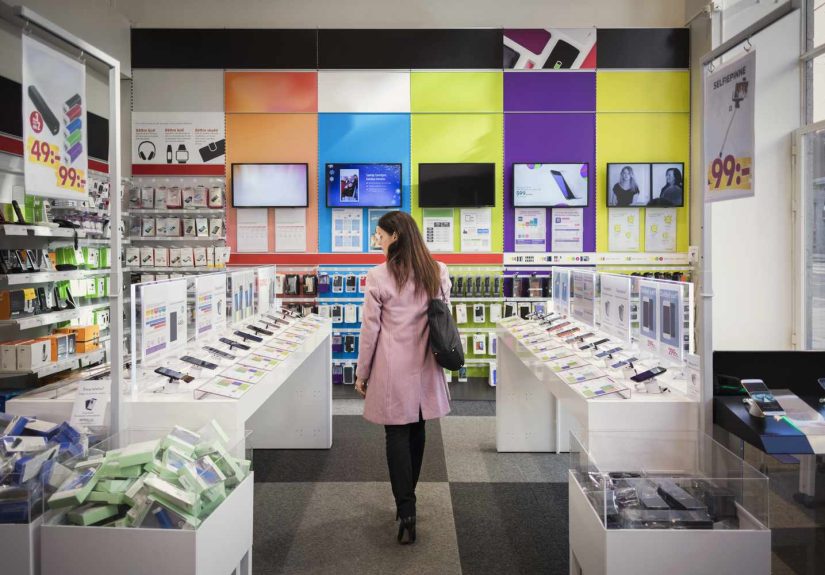
Retailers are where you go when you want options: multiple brands, multiple price points, and the ability to
compare screens side by side like you’re judging a tiny TV contest.
Best Buy
Best Buy is one of the best all-around places to buy phones because it blends selection with frequent promotions.
It’s especially useful when you want an unlocked phone, or you want help activating with a carrier without living
inside a carrier store for the rest of the afternoon.
- Best Buy sells unlocked models and frequently runs price cuts tied to activation or trade-in.
-
For refurb shoppers, Best Buy’s refurbished/pre-owned selection notes multi-point inspections and may include
items backed by a warranty (often around 90 days on certain Geek Squad certified refurbished listings).
Best for: shoppers who want a strong mix of deals, in-person pickup, and a retailer return process that’s typically
easier than “mail this phone to a warehouse and hope.”
Amazon (New + Renewed)
Amazon can be convenientespecially if you know exactly what you want and you’re comfortable comparing seller
listings. For budget-minded shoppers, Amazon Renewed is the safer lane compared with random used
listings, because Renewed items generally come with a defined return window.
-
Amazon Renewed purchases commonly include a 90-day return period (check the listing category for
exact terms). -
The big upside is inventory. The big downside is… inventory. There’s so much of it that you must pay attention to
condition grades, included accessories, and who’s actually fulfilling the order.
Best for: confident shoppers who read listings carefully and want fast delivery, plus refurb buyers who value a
clear return window.
Walmart and Target
Walmart and Target can be great for mainstream models, prepaid phones, and occasional promotionsespecially when
you want to buy locally and walk out with a phone today. The real “pro tip” here is to check the return rules
before you break the seal.
-
Target’s policy highlights shorter return windows for certain electronicsespecially Apple products and mobile
phones (commonly 14 days for mobile phones and Apple items), and notes that a restocking fee can apply to phones
in some cases. -
For any retailer, phone returns can have special rules (carrier contract devices, activation, restocking).
Translation: read the policy, not the vibes.
Best for: prepaid shoppers, quick replacements, and people who want brick-and-mortar conveniencejust don’t assume
“30 days on everything” applies to phones.
If You Want “Free” (A.K.A. Discounted Over Time): Carrier Stores
Carrier deals can be the biggest money-savers on paper. They can also be the biggest “wait, what did I sign?”
moments if you don’t understand how bill credits and device payments work.
Here’s the basic pattern: the carrier advertises a massive discount or “free phone,” but the discount is often
delivered as monthly bill credits while you keep an eligible plan and keep the line active. If you
cancel early, change plans, or pay off in a way the promo doesn’t like, you may lose remaining credits. Always read
the promo terms like your budget depends on itbecause it does.
Verizon
Verizon is a major player for trade-in and “on us” promotions, and it commonly uses device payment agreements for
financing. Verizon’s support materials describe device payment terms that can run as long as 36 monthly
installments for smartphones.
Best for: people who want premium phones with strong promo offers and plan to stay with Verizon long enough to
capture the full credit value.
AT&T
AT&T also leans heavily on trade-in promotions. Their trade-in guidance explains that you may receive value as
monthly bill credits (or a promotion card depending on the offer), and that credits may take 1–3 billing cycles to
appear after the trade-in is received and verified. They also emphasize mailing the old device within a set window.
Best for: customers who already want AT&T service and can meet promo requirements (eligible plan, trade-in
condition, deadlines).
T-Mobile
T-Mobile is often aggressive with switcher offers, including programs that help pay off an existing phone when you
move your number over (commonly delivered via prepaid card and subject to eligibility). If you’re trying to escape a
device payment plan elsewhere, that kind of offer can be a big deal.
Best for: switchers, families bundling multiple lines, and people who want strong promotionsespecially during
launch seasons and major sale periods.
If You Want the Lowest Price Without Playing “Scam Roulette”: Refurb & Used Options
Refurbished phones can be the sweet spot: huge savings, still-modern performance, and less guilt about dropping a
$1,000 pocket computer face-first onto the sidewalk. The trick is buying from places with clear
warranties/returns.
Manufacturer Refurbished (Apple / Samsung / Google)
If you want refurbished with the least stress, start with the manufacturer programs. They’re usually more
consistent about inspection standards, battery replacement language, and warranty coverage. They may cost slightly
more than random used listingsbut you’re paying for predictability.
Back Market
Back Market is one of the best-known refurb marketplaces because it offers a structured buyer experience, including
a defined warranty and return policy.
- Warranty: A 1-year limited warranty is described as automatically applying to purchases, covering certain defects.
- Returns: Policies describe a return window (often 30 days) for returns to the seller via Back Market support channels.
- Reality check: Their help content notes that manufacturer waterproofing is rarely maintained on refurbished devices. In plain English: don’t treat a refurb like it’s brand-new waterproof.
Best for: shoppers who want refurbished savings with a more structured safety net than a peer-to-peer marketplace.
eBay Refurbished
eBay’s refurbished program can be a solid value if you filter specifically for the refurbished tiers and pay
attention to warranty coverage. eBay program pages describe warranty coverage serviced through Allstate protection
plans for certain categories (term length can vary by category/region and listing typealways verify on the exact
listing).
Best for: deal hunters who know how to filter and verify listing protections, and who want lots of inventory at
competitive prices.
Swappa (Used Marketplace With Transparent Fees)
Swappa is a popular marketplace for buying and selling used phones, and it’s known for transparency on pricing and
fees. Swappa states that both buyer and seller pay a flat 3% marketplace fee, and payments are commonly handled via
PayPal.
Best for: people comfortable buying from individuals (with platform rules), especially if you want a specific model
at a strong price and you’re willing to do a little diligence.
Amazon Renewed
Amazon Renewed can be a comfortable middle ground: more predictable than random used listings, usually with a clear
return period (commonly 90 days), and easy shipping/returns logistics.
Best for: shoppers who want convenience and a defined return window, and who compare condition grades carefully.
Warehouse Clubs: Costco and Sam’s Club for Bonus Perks
Warehouse clubs can shine when they stack benefits: gift cards, waived fees, bonus accessories, or plan
incentivesespecially for new lines or upgrades. The exact deal changes often, but the “club play” usually looks
like this: you buy/activate through the in-store (or club-linked) wireless channel and receive a club gift card or
rebate after a waiting period.
Costco
Costco periodically features carrier-specific phone promos. For example, Costco listings and promotions commonly
mention Costco Shop Cards tied to device purchases on eligible plans and note that availability is often warehouse-only.
Best for: members who were going to buy anyway and can meet the promo termsbecause free money is still money, even
when it arrives later.
Sam’s Club
Sam’s Club has promoted in-club wireless offerings (including partnerships where T-Mobile is featured as an in-club
provider). Corporate announcements describe member benefits and gift card-style incentives tied to maintaining
qualifying service and membership.
Best for: members who like incentives and prefer doing phone upgrades in personespecially when there’s a clear
member rebate attached.
How to Choose the Best Place in 5 Minutes
- Do you want unlocked? If yes, start with Apple/Samsung/Google or retailer unlocked listings.
-
Do you want the lowest monthly cost, not the lowest sticker price?
Compare carrier promosthen read the credit/term requirements. - Are you okay with refurbished? If yes, prioritize manufacturer refurb first, then reputable refurb marketplaces.
- Do you need easy returns? Big retailers often make returns simpler (but phones can have special rules).
- Are you already a warehouse club member? Check for a member promothen verify the waiting period and eligibility.
A Smart Buyer’s Checklist (New, Used, or Refurb)
- Confirm unlocked vs locked: “Unlocked” should be explicit on the listing.
- Know your total cost: Phone price + plan cost + activation fees + taxes/fees.
- Understand trade-in terms: Condition requirements, deadlines, and how credit is applied (instant vs monthly credits).
- Check warranty and return window: Especially for phoneswindows can be shorter and restocking fees can apply.
- For used phones: Verify IMEI/activation status, look for account locks (iCloud/FRP), and use secure payment methods.
- Read reviews like an adult: Not one glowing review. Several, across patterns, including customer service.
Bonus common-sense tip: the FTC recommends taking time to compare products and look up reviews/complaints/scam
mentionsespecially if the seller is unfamiliar. It’s not paranoia; it’s budgeting.
Real-World Experiences: What Buying a Phone Is Actually Like (500-ish Words)
Here’s what people tend to experience in the wildaka the checkout pagewhen they buy phones from the most common
places.
Buying direct from a manufacturer usually feels like the calmest version of phone shopping. You pick
your model, storage, color, and (if you’re feeling fancy) add coverage. The “surprise factor” is low. The most
common moment of confusion happens with trade-ins: you might see an estimate that looks amazing, then realize the
final value depends on inspection. The smoothest experiences happen when buyers are honest about condition, erase
the device correctly, and ship it quickly. In return, they get the boring-but-beautiful outcome: a phone that works,
backed by a real warranty, with support that doesn’t start with “Have you tried turning off your expectations?”
Buying from big retailers is often the most satisfying if you like comparing devices side by side.
People walk in thinking they want “the newest,” then see midrange phones that look shockingly good and suddenly
become responsible with money. This is also where return-policy reality hits. Phones can have shorter return
windows, restocking fees, and special rules around activation. The best retailer experiences happen when shoppers
keep the box, don’t throw away tiny inserts, and check the return terms before tearing into packaging like it’s
their birthday.
Carrier buying experiences tend to be the most emotional. The high is real: “free phone,” “huge
trade-in,” “$0 today.” The confusion is also real: “Why is this discount spread out?” and “Why did my bill change?”
People who are happiest with carrier purchases usually have one thing in common: they intended to stay on that
carrier anyway. If you’re a chronic switcher, carrier promos can feel like a treadmill that only turns off after
two or three years. If you’re loyal and your plan already fits your needs, carrier deals can be fantastic.
Refurbished shopping is where people learn the value of a warranty. The best experiences come from
certified programs and reputable refurb marketplaces where the condition grading is clear and the return process is
defined. The worst experiences typically involve vague listings, “like new” descriptions without details, and
missing accessories. The smartest refurb buyers treat the first week like a test period: they check battery
behavior, cameras, speakers, charging, call quality, and whether the phone overheats. If something seems off, they
return quicklybecause waiting too long turns an easy fix into a customer service saga.
Warehouse club deals usually feel like winning a mini game. People love getting a gift card or
rebateespecially when it stacks with a carrier promo. The “gotcha” is timing: many perks arrive weeks later, and
eligibility rules can be picky. The best club experiences happen when members take screenshots of the promo terms,
keep receipts, and set a reminder to follow up if the rebate doesn’t show up on schedule.
The overall lesson from real buying experiences is simple: pick the channel that matches your lifestyle. If you
want freedom, buy unlocked. If you want maximum discount and you’ll stay put, let the carrier subsidize your
upgrade. If you want savings with safety, go certified refurbished. And if you want the smoothest day possible,
choose the option with the clearest returns and warrantyeven if it costs a little more up front.
Conclusion: The Best Place to Buy Phones Depends on Your “Why”
The best place to buy a phone isn’t a secret website hidden behind a mountain guarded by a dragon. It’s the place
that fits your priorities:
- Want unlocked + peace of mind? Buy direct (Apple, Samsung, Google) and consider certified refurb.
- Want lots of choices + in-person support? Major retailers, especially Best Buy.
- Want the biggest promo discounts? Carrier dealsif you’ll stick around for the full term.
- Want refurbished savings with structure? Manufacturer refurb, Amazon Renewed, Back Market, and vetted refurb programs.
- Want perks on top? Warehouse clubs when member promos are live.
Shop with your eyes open, your return policy bookmarked, and your future self in mind. Your next phone should be a
toolnot a long-term subscription to regret.