Table of Contents >> Show >> Hide
Every year, the flu shot shows up right on schedule, like holiday ads, pumpkin-flavored everything, and that one coworker who says, “I never get sick,” moments before vanishing for four days with a fever and a box of tissues. It is one of the most talked-about vaccines in America, and also one of the most debated at dinner tables, pharmacies, office break rooms, and family group chats.
So, should you get one? For most people, the answer is yes. But the fuller answer is more interesting than a simple yes-or-no sticker. The flu shot has real advantages, a few downsides, and some practical considerations that matter depending on your age, health, lifestyle, and tolerance for arm soreness. In other words, this is not just a medical question. It is also a real-life question.
This guide breaks down the flu shot pros and cons in plain English, with zero scare tactics and zero sugarcoating. Just facts, context, and a little honesty about what the flu vaccine can do, what it cannot do, and why it still matters.
What the Flu Shot Actually Does
Let’s start with the basics. The flu shot is designed to help your immune system recognize and fight off the influenza viruses most likely to circulate during the season. It is updated regularly because influenza is annoyingly good at changing its look, like a virus that enjoys wardrobe swaps.
That means the shot is not a magical force field. It does not guarantee you will never get the flu. What it does do is stack the odds in your favor. It can lower your chances of getting sick, and if you do catch the flu anyway, it often helps make the illness less severe.
That distinction matters. Many people judge the flu shot by one standard only: “Did I get sick anyway?” But public health experts look at a bigger picture. Did vaccination reduce the chance of infection? Did it make symptoms milder? Did it keep someone out of the hospital? Did it help protect a newborn, an older parent, or a person with asthma? Those are the questions that tell the real story.
The Pros of Getting a Flu Shot
1. It lowers your risk of getting the flu
The most obvious benefit is still the biggest one: the flu shot can reduce your chances of catching influenza. No, it is not perfect every year. Yes, effectiveness changes depending on the season and the match between the vaccine and the strains going around. But “not perfect” is not the same thing as “not useful.” Seat belts are not perfect either, and we still buckle up for a reason.
For busy adults, this benefit is practical, not just theoretical. Fewer sick days. Fewer missed classes. Fewer miserable weekends spent negotiating with a thermometer. Even when the flu shot does not completely prevent illness, it can still tilt the odds away from a full-body train wreck.
2. It can make the flu less severe if you do get sick
This is the flu shot’s underrated superpower. People often think the vaccine either “worked” or “failed.” Real life is less dramatic. Sometimes the vaccine works by softening the blow. A vaccinated person may still get the flu, but the illness may be shorter, milder, or less likely to turn into a trip to urgent care, the emergency room, or the hospital.
That matters a lot for older adults, pregnant people, young children, and anyone with chronic conditions like heart disease, diabetes, asthma, kidney disease, or a weakened immune system. In those groups, influenza is not just an inconvenience. It can be dangerous.
3. It helps protect people around you
The flu shot is not only about personal protection. It is also about being less likely to spread illness to people who could have a much harder time with it. Your healthy immune system may see influenza as a terrible week. Your grandmother, your newborn niece, or your neighbor going through chemotherapy may experience something far more serious.
This community benefit is easy to overlook because it is not flashy. There is no medal for “Did not accidentally infect six relatives at Thanksgiving.” But it counts. A lot.
4. It is especially important during pregnancy
Pregnancy changes the immune system, heart, and lungs in ways that can make influenza more dangerous. That is one reason healthcare professionals strongly encourage flu vaccination during pregnancy. Another reason is even sweeter: vaccination during pregnancy can help protect the baby during the first months of life, before the baby is old enough for flu vaccination.
So the flu shot during pregnancy is not just a one-person decision. It can be a two-person benefit with one appointment and one mildly offended upper arm.
5. It can help older adults and high-risk groups avoid serious complications
Adults 65 and older are at higher risk for serious flu complications, including pneumonia, hospitalization, and death. That is why special flu vaccine options are often recommended for this age group, including higher-dose or adjuvanted versions designed to prompt a stronger immune response.
Likewise, people with chronic health conditions often have more to lose from influenza infection. The flu can worsen underlying disease, trigger flare-ups, and make recovery longer and harder. For many of these people, the flu shot is not just a seasonal errand. It is part of basic risk management.
6. It is easier to get than ever
There was a time when getting vaccinated felt like a mini project. Now it is often available at pharmacies, grocery stores, clinics, workplaces, schools, and doctor’s offices. Some people can even choose between a traditional shot and a nasal spray option, depending on age and health status.
Convenience does not make a vaccine medically better, but it does make follow-through more likely. And when it comes to preventive care, the best option is often the one people will actually do.
The Cons of Getting a Flu Shot
1. It is not 100% effective
This is the criticism you will hear most often, and to be fair, it is true. The flu shot is not perfect. Some years, it works better than others. Some people still get the flu after vaccination. That can feel frustrating, especially if you got the shot specifically to avoid becoming a human furnace in mid-January.
But this “con” is best understood in context. A vaccine does not have to be flawless to be valuable. Lower risk is still lower risk. Milder illness is still a win. Fewer complications are still worth something. The flu shot is a risk-reduction tool, not a weatherproof dome.
2. Side effects can be annoying
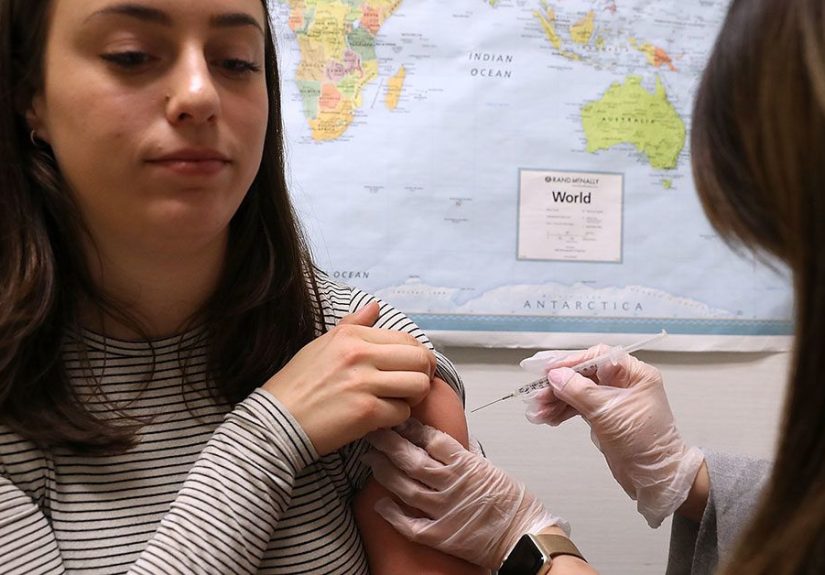
Most flu shot side effects are mild and short-lived, but yes, they can be annoying. Common complaints include soreness where the shot was given, fatigue, headache, low-grade fever, and muscle aches. In other words, you may spend a day thinking, “Well, this is rude.”
For most people, these effects fade quickly. Still, if you have a packed schedule, even a mild reaction can feel inconvenient. That practical downside is real, even if it is temporary.
3. Rare serious reactions can happen
Serious allergic reactions are rare, but they are possible with vaccines, including the flu shot. There is also a very small risk of Guillain-Barré syndrome, a rare neurological condition that has been associated with influenza vaccination in some seasons. The risk appears to be very low, but it is one reason people with a history of severe reactions or previous Guillain-Barré syndrome should speak with a healthcare professional before vaccination.
Rare does not mean imaginary, and a balanced conversation about flu shot pros and cons should say that clearly.
4. Not every flu vaccine is right for every person
This is where nuance enters the chat. Some people can get the nasal spray vaccine, while others should stick with an injectable version. Pregnant people generally should not get the nasal spray. Young infants are too young for flu vaccination. Some people with certain health conditions need a specific product or extra guidance.
That does not make flu vaccination a bad idea. It just means “Which flu vaccine should I get?” can be as important as “Should I get one at all?”
5. Timing matters, and people put it off
The flu shot takes time to help your body build protection. It is not instant. So if you wait until influenza is making the rounds in your office, your child’s classroom, and every nearby supermarket, you may be late to the party in the worst possible way.
Procrastination is not exactly a scientific drawback, but it is a real-world one. Plenty of people support vaccination in theory and still never quite get around to it. Prevention loses much of its charm when it requires a calendar reminder.
Who Should Be Especially Motivated to Get a Flu Shot?
While most people 6 months and older should consider annual flu vaccination, some groups have especially strong reasons to get it:
- Adults 65 and older
- Pregnant people
- Children, especially younger children
- People with asthma, diabetes, heart disease, kidney disease, or other chronic conditions
- People with weakened immune systems
- Caregivers, healthcare workers, teachers, and anyone around vulnerable populations
- People who simply cannot afford to be flattened by the flu during work, school, or caregiving season
That last group is broader than it sounds. Which is to say: yes, “I really do not have time for influenza” is not a medical diagnosis, but it is still relatable.
Who Should Talk to a Clinician Before Getting Vaccinated?
For most people, getting a flu shot is straightforward. But you should get medical guidance first if any of these apply:
- You had a severe allergic reaction to a previous flu vaccine or one of its ingredients
- You have a history of Guillain-Barré syndrome
- You are choosing the nasal spray and are pregnant or have certain health conditions
- You are currently moderately or severely ill and are unsure whether to wait
- You are getting a vaccine for a young child and want to confirm dose timing or product choice
Also, if you have an egg allergy, current guidance is more flexible than many people realize. In many cases, people with egg allergy can still receive an age-appropriate flu vaccine. This is one of several examples where outdated vaccine myths have had a longer shelf life than they deserved.
So, Should You Get One?
For most people, yes. The pros usually outweigh the cons.
If you are generally healthy, the flu shot can still reduce your risk of illness and help you avoid a week of feeling like a damp sock with a fever. If you are older, pregnant, have a chronic condition, or live with someone medically vulnerable, the case gets even stronger. The biggest downside for most people is a sore arm and maybe a day of feeling a little blah. That is not nothing, but compared with influenza itself, it is usually a pretty good trade.
The people who most need a personalized conversation are those with a history of severe vaccine reactions, certain neurological histories, or questions about which product is safest or most appropriate for them. But for the average adult deciding whether to get a flu shot this season, the evidence generally leans in one direction: rolling up your sleeve is the smarter bet.
Experiences People Commonly Describe With the Flu Shot
One reason this topic stays so popular is that people do not think about the flu shot in abstract public-health language. They think about it through experience. The parent trying to keep a toddler out of the pediatrician’s office. The office worker who cannot afford to burn through sick days. The older adult who remembers a “bad flu” that turned into pneumonia. The pregnant person wondering what is safest. The healthy twenty-something who thinks, “I never get sick,” until the year they absolutely do.
A common experience is the reluctant first-timer. This person gets the flu shot because a spouse, parent, pharmacist, or workplace wellness email finally wears them down. They expect drama. Instead, they get a sore arm, a mildly grumpy afternoon, and a strange sense of disappointment that the event was so ordinary. For many people, that is the whole story: a quick appointment, a brief reaction, and then life moves on.
Then there is the person who skipped the shot one year and got walloped by the flu. That experience tends to change minds fast. They remember the fever, body aches, cough, exhaustion, missed work, missed family plans, and the realization that influenza is not “just a bad cold.” The next year, they become the one telling everyone else, with suspicious intensity, “Go get the shot.” Nothing builds vaccine enthusiasm quite like spending four days arguing with your blanket.
Parents often describe a different kind of experience: logistics. Scheduling appointments, calming nervous kids, deciding between a shot or nasal spray when appropriate, and hoping to reduce the parade of germs that enters the home every school season. For them, the flu shot is often less about one dramatic moment and more about improving the odds for the whole household.
Pregnant people often talk about needing reassurance. They may hear conflicting opinions from relatives, social media, and internet folklore that was clearly brewed in a lab of confusion. What they usually want is a calm, evidence-based answer. Many feel more comfortable once they learn that flu vaccination during pregnancy is widely recommended and can also help protect the baby early on.
Older adults frequently describe the flu shot as routine, but not trivial. Many know from experience that recovery gets harder with age. They may not expect the vaccine to make them invincible, but they see it as one more layer of protection, much like taking blood pressure medicine or wearing sensible shoes on icy steps. Not glamorous, but wise.
And then there are the skeptics who still get vaccinated. They do not love shots. They may complain every single year. They may announce to everyone in line that their arm already hurts preemptively. But they still do it because they understand that “mildly inconvenient” beats “genuinely miserable.” Honestly, that may be the most relatable health decision of all.
These experiences do not prove everything, but they do reflect a consistent pattern: most people find the flu shot more manageable than the flu itself. And that, in the end, is the comparison that matters.