Table of Contents >> Show >> Hide
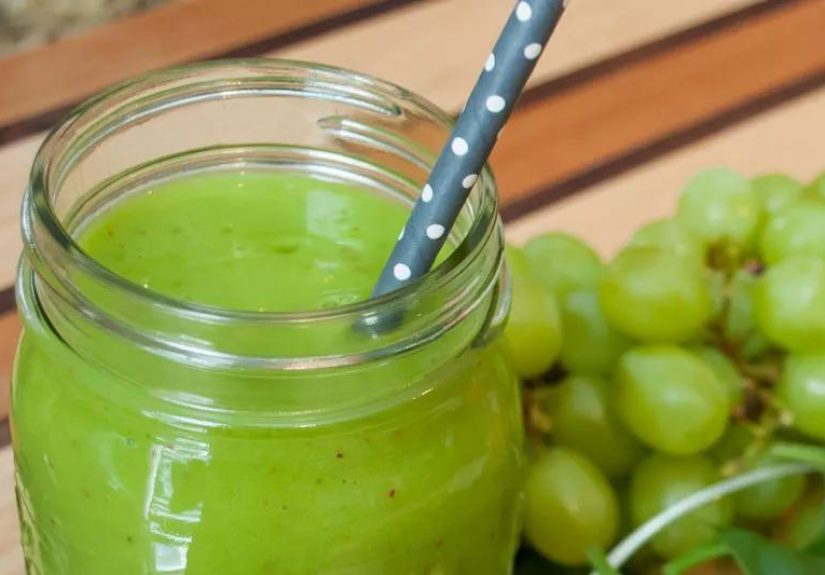
If your blender has been collecting dust like it is on a very quiet sabbatical, this is its comeback moment. A green grape smoothie is bright, creamy, sweet, refreshing, and just fancy enough to make you feel like the kind of person who casually says things like, “I’m really into balanced textures right now.” The good news is that you do not need a wellness retreat, a tropical soundtrack, or a refrigerator full of rare powders to make one. You just need good green grapes, a few smart supporting ingredients, and about five minutes.
This smoothie is especially great for people who want something fruity without going full dessert milkshake. Green grapes bring natural sweetness and a crisp, juicy flavor that feels lighter than many berry-heavy blends. Add banana for body, yogurt for creaminess, and a little lemon juice for sparkle, and suddenly your breakfast or afternoon snack has range. Better yet, this recipe is flexible. Want it greener? Add spinach. Want it thicker? Freeze the grapes. Want it more filling? Bring in Greek yogurt or chia seeds like the overachievers they are.
Why This Green Grape Smoothie Works
A lot of smoothie recipes promise to be “life-changing,” which is a big promise for something made in a kitchen appliance next to a toaster. This one keeps its promises realistic. It is delicious, easy to customize, and dependable enough to become part of your regular routine.
The secret is balance. Green grapes are sweet but not aggressively sweet. Banana adds creaminess without stealing the whole show. Yogurt gives the smoothie body and a gentle tang, while lemon juice sharpens the flavor so it tastes lively instead of flat. A handful of spinach is optional, but it slides in beautifully if you want extra green goodness without turning the smoothie into lawn clippings in liquid form.
What Makes Green Grapes a Great Smoothie Ingredient?
Green grapes have a clean, fresh flavor that blends especially well with yogurt, bananas, citrus, apples, cucumber, spinach, pineapple, and even a little ginger. They also bring plenty of juice, which means your smoothie can taste rich without needing a long list of sweeteners. When frozen, they transform the texture from ordinary fruit drink to frosty café-style smoothie. That is a small kitchen miracle and we should respect it.
Ingredients
This recipe makes about 2 small smoothies or 1 large, very enthusiastic smoothie.
- 2 cups seedless green grapes, preferably frozen
- 1 ripe banana, sliced and preferably frozen
- 1/2 cup plain Greek yogurt
- 1/2 to 3/4 cup milk of choice, such as dairy milk or unsweetened almond milk
- 1 teaspoon fresh lemon juice
- 1/2 cup baby spinach, optional
- 1 to 2 teaspoons honey or maple syrup, optional
- 3 to 4 ice cubes, optional if your fruit is not frozen
Ingredient Notes
Green grapes: Seedless grapes are easiest, and freezing them is the best move for a thicker, colder smoothie. If your grapes are fresh, add ice to help with texture.
Banana: This is the smoothie’s quiet hero. It adds sweetness, helps everything blend smoothly, and creates that creamy texture people usually assume came from ice cream. It did not. We are being civilized.
Greek yogurt: Plain Greek yogurt keeps the smoothie creamy and satisfying. Vanilla yogurt works too, but it usually brings extra sweetness, so adjust carefully.
Milk: Use just enough to get the blades moving. Too much and you have a grape beverage. Too little and your blender begins a dramatic protest.
Lemon juice: A tiny amount brightens the fruit and keeps the flavor from tasting one-note.
Spinach: Optional, but smart. It blends in well with grapes and banana and adds a subtle earthiness without overpowering the drink.
How to Make a Green Grape Smoothie
- Wash the grapes well and remove any stems. If you have time, freeze them for at least 2 hours for the best texture.
- Add the milk to the blender first.
- Add yogurt, lemon juice, spinach if using, banana, and grapes.
- Blend until smooth, stopping once or twice to scrape down the sides if needed.
- Taste and adjust. Add a little honey if you want it sweeter, more milk if it is too thick, or a few ice cubes if it needs more chill.
- Pour into a glass and serve immediately.
Texture Tips for Smoothie Success
If you want a thicker smoothie, use frozen grapes and frozen banana together. If you want a lighter smoothie, use fresh grapes and a little more milk. If your blender struggles with frozen fruit, let the grapes sit at room temperature for a few minutes before blending. Your blender is a hardworking appliance, but it is not emotionally prepared for a frozen fruit brick.
Another smart trick is ingredient order. Start with liquid, then add softer ingredients, then fresh produce, and finish with frozen fruit. This helps the blades catch the mixture more easily and gives you a smoother result with less stopping and stirring.
Best Flavor Variations
1. Green Grape and Apple Smoothie
Add half a chopped green apple for extra tartness and a crisp orchard flavor. This variation feels especially refreshing on warm days and pairs beautifully with spinach.
2. Tropical Green Grape Smoothie
Add 1/2 cup pineapple or mango. The tropical fruit gives the smoothie a sunnier personality and softens the tang of yogurt. If your kitchen suddenly feels like vacation, that is between you and your blender.
3. Green Grape Protein Smoothie
Add 1 tablespoon chia seeds, 2 tablespoons oats, or a small scoop of a simple vanilla protein powder. This makes the smoothie more filling and turns it from a refreshing snack into something closer to breakfast.
4. Green Grape Cucumber Smoothie
Add 1/3 cup peeled cucumber and a few mint leaves. This version is light, crisp, and spa-adjacent in the best possible way.
5. Dessert-Style Green Grape Smoothie
Use vanilla yogurt, a splash of vanilla extract, and a tiny drizzle of honey. It tastes sweeter and rounder, almost like frozen yogurt decided to become more responsible.
Common Mistakes to Avoid
Using too much liquid: This is the fastest route to disappointment. Start with less, then add more only if needed.
Skipping acid: Without a squeeze of lemon or lime, the smoothie can taste dull. A little acidity wakes up the grapes and makes the whole drink taste fresher.
Adding too many ingredients: Smoothies are like group chats. Once too many people show up, the message gets lost. Keep the flavor profile focused.
Over-sweetening: Grapes and banana already bring natural sweetness. Taste first before adding honey, syrup, or juice.
Not freezing any fruit: You can still make a good smoothie with fresh fruit, but frozen grapes create a thicker, colder, more satisfying texture.
Is a Green Grape Smoothie Good for Breakfast?
Yes, especially if you build it wisely. For a lighter breakfast, the basic recipe works well. For a more substantial meal, include protein and fiber-rich ingredients like Greek yogurt, chia seeds, oats, or nut butter. That way the smoothie is not just delicious for ten minutes and then followed by intense regret at 10:30 a.m.
This recipe also works beautifully as an afternoon snack, post-workout refresher, or “I need something fresh but cannot be bothered to cook” option. It is one of those rare recipes that feels both practical and a little special.
Can You Make It Ahead?
You can, but smoothies are best right after blending. If you need to prep ahead, freeze the grapes and banana in a bag or container, and portion your spinach separately. Then, when you are ready, add the fruit pack to the blender with yogurt, milk, and lemon juice.
If you do store the smoothie after blending, keep it in a tightly sealed jar in the refrigerator and drink it within a day. Give it a good shake or stir before drinking because separation happens. It is normal. The smoothie is not broken. It is just being honest about physics.
Serving Ideas
This smoothie pairs well with toast, eggs, granola, or a simple muffin if you want a fuller breakfast. For a prettier presentation, garnish with a few halved grapes or a tiny sprig of mint. Is garnish necessary? No. Does it make you feel like you have your life together? Absolutely.
You can also pour the smoothie into a bowl and top it with sliced grapes, pumpkin seeds, coconut flakes, or chopped nuts for a spoonable smoothie bowl situation. This is especially useful when you want something a little more filling and a lot more photogenic.
My Experience With Green Grape Smoothies
I did not grow up thinking green grapes were destined for smoothie greatness. In my mind, they belonged in lunchboxes, fruit bowls, and the occasional cheese board pretending to be elegant. Smoothies, meanwhile, were usually bananas, berries, and whatever was living in the freezer at the time. Green grapes were not on the guest list. Then one hot afternoon, with a bunch of grapes getting dangerously close to the “eat me now or regret it tomorrow” stage, I tossed them into the freezer and decided to experiment.
The first version was chaotic. I added grapes, too much milk, half a banana, and some yogurt that may have been vanilla or may have just been optimistic. It was not terrible, but it was thin and oddly shy. The grape flavor was there, but it felt like it was speaking from another room. So I tried again the next day with frozen grapes, less liquid, and a splash of lemon juice. That was the moment. Suddenly the smoothie tasted brighter, colder, and more focused. The grapes stopped whispering and started singing backup in a very competent fruit choir.
What surprised me most was how adaptable the recipe became. Some mornings I wanted it simple and creamy, just grapes, banana, yogurt, and milk. Other days I wanted to feel like a person who definitely alphabetizes spice jars, so I added spinach, cucumber, and mint. When I needed a snack that felt more substantial, I would throw in chia seeds or oats. Once, in a moment of wild confidence, I added ginger and pineapple and accidentally made a smoothie that tasted like it belonged next to a pool with a large hat and no responsibilities.
Another reason I keep returning to this recipe is that it is friendly to imperfect kitchens and imperfect days. You do not need perfect grapes, perfect timing, or perfect measuring spoons. If the banana is extra ripe, great. If the grapes are a little tart, add a touch of honey. If the smoothie comes out too thick, add milk. If it comes out too thin, add more frozen fruit and pretend that was the plan all along. There is very little drama here, and in a world already full of dramatic recipes, that feels refreshing.
I have also found that green grape smoothies are excellent for people who claim they are “not smoothie people.” Berry smoothies can sometimes feel heavy. Peanut butter smoothies can drift toward dessert. But a grape smoothie is lighter, fresher, and a little less obvious. It has a crisp, clean flavor that wins people over quietly. I have served it to skeptical family members who took one sip, raised an eyebrow like a judgmental cooking-show host, then asked for the recipe. That is basically a standing ovation.
Over time, this smoothie became one of my favorite little kitchen habits. It rescued leftover grapes, made rushed mornings feel less chaotic, and gave me a dependable recipe that always felt cheerful. There is something satisfying about taking a humble fruit bowl staple and turning it into something that tastes café-worthy without requiring expensive ingredients or a culinary identity crisis. It is easy, flexible, and unexpectedly delightful, which is honestly more than can be said for most weekday breakfasts.
So if you have green grapes in the fridge and a blender on the counter, you are already halfway there. Freeze the fruit, trust the process, and do not be afraid to tweak the formula until it feels like your version. Recipes are useful, but the best ones are the ones you actually make again. This green grape smoothie has earned that status in my kitchen, and I suspect it might in yours too.
Conclusion
A great green grape smoothie is not complicated. It is simply a smart combination of sweet grapes, creamy banana, tangy yogurt, and enough brightness to keep every sip lively. Freeze the grapes when you can, keep the ingredient list focused, and adjust the thickness to suit your mood. Whether you want a quick breakfast, a cool snack, or a lighter smoothie that still feels satisfying, this recipe gets the job done with very little fuss and a lot of fresh flavor.
In other words, this is the kind of recipe worth keeping close: easy enough for weekdays, tasty enough for weekends, and flexible enough to survive whatever your refrigerator is doing that day.
Note: This article is written in clean HTML body format for web publishing and excludes unnecessary citation artifacts or placeholder markup.