Table of Contents >> Show >> Hide
- Why diarrhea prevention matters more than people think
- 1. Handwashing is still the champion
- 2. Food safety is a major part of diarrhea prevention
- 3. Safe water habits protect your gut
- 4. Bathroom and home hygiene make a real difference
- 5. Lifestyle habits that quietly lower your risk
- 6. Smart travel habits can prevent traveler’s diarrhea
- 7. Protecting children and higher-risk family members
- 8. What to do early if symptoms start anyway
- 9. When diarrhea is not a “wait it out” problem
- Experience-based lessons people often learn the hard way
- Conclusion
Let’s be honest: diarrhea has terrible timing. It shows up before road trips, during family dinners, on school mornings, and sometimes right when life was already being dramatic enough. The good news is that many common causes of diarrhea can be prevented with simple, consistent habits. You do not need a laboratory, a hazmat suit, or a personal germ bodyguard. In many cases, you need cleaner hands, safer food, better water habits, and a few smarter lifestyle choices.
Diarrhea is often linked to infections, contaminated food or water, poor hand hygiene, travel exposures, and sometimes medications. Prevention is not about living in fear of every sandwich. It is about lowering risk in the places where germs love to hitch a ride: bathrooms, kitchens, shared surfaces, lunch boxes, travel buffets, and hands that somehow touched everything except soap. When you build a few everyday routines, you protect not only yourself, but also your family, coworkers, classmates, and anyone else who shares your home, snacks, or bathroom.
Why diarrhea prevention matters more than people think
Most cases of diarrhea improve on their own, but that does not make them harmless. Repeated or severe diarrhea can lead to dehydration, missed work or school, fatigue, and in some cases medical complications. Babies, young children, older adults, pregnant people, and anyone with a weakened immune system have a harder time bouncing back when fluid loss becomes serious.
That is why prevention matters. It saves time, avoids misery, reduces the spread of infection, and keeps a small stomach problem from turning into a much bigger one. Think of prevention as the boring hero of digestive health. It does not wear a cape, but it absolutely keeps chaos from moving in.
1. Handwashing is still the champion
If diarrhea prevention had a hall of fame, handwashing would get the largest statue. Germs that cause stomach illness often spread through microscopic traces of stool on hands, surfaces, food, and shared objects. Not glamorous, but very real.
When to wash your hands
Wash with soap and running water before eating, before cooking, after using the toilet, after changing diapers, after helping someone who is sick, after taking out the trash, and after handling pets or pet waste. It is especially important when someone in the house has vomiting or diarrhea.
How to wash effectively
Wet your hands, lather with plain soap, scrub the fronts, backs, between the fingers, and under the nails for at least 20 seconds, then rinse and dry with a clean towel or air dryer. The goal is not a dramatic splash-and-go performance. The goal is friction and time. A two-second rinse is not handwashing; it is just introducing your fingers to water.
Hand sanitizer is useful when soap and water are not available, especially if it contains at least 60% alcohol. But when your hands are visibly dirty, or when you have been cleaning up after diarrhea, soap and water are the better choice.
2. Food safety is a major part of diarrhea prevention
A surprising number of stomach problems begin in the kitchen, at a picnic table, or from food that looked harmless right up until it absolutely was not. Preventing foodborne illness comes down to a few habits that are simple, repeatable, and worth the effort.
Clean
Wash hands before and after handling food. Clean knives, cutting boards, counters, and dishes after preparing each food item, especially raw meat, poultry, seafood, and eggs. Rinse fruits and vegetables under running water before eating, peeling, or cooking them.
Separate
Keep raw meat and seafood away from produce, ready-to-eat foods, and anything else that does not need further cooking. Use separate plates and cutting boards when possible. Cross-contamination is sneaky. One little drip of raw chicken juice can ruin a whole meal faster than an overconfident home chef with no thermometer.
Cook
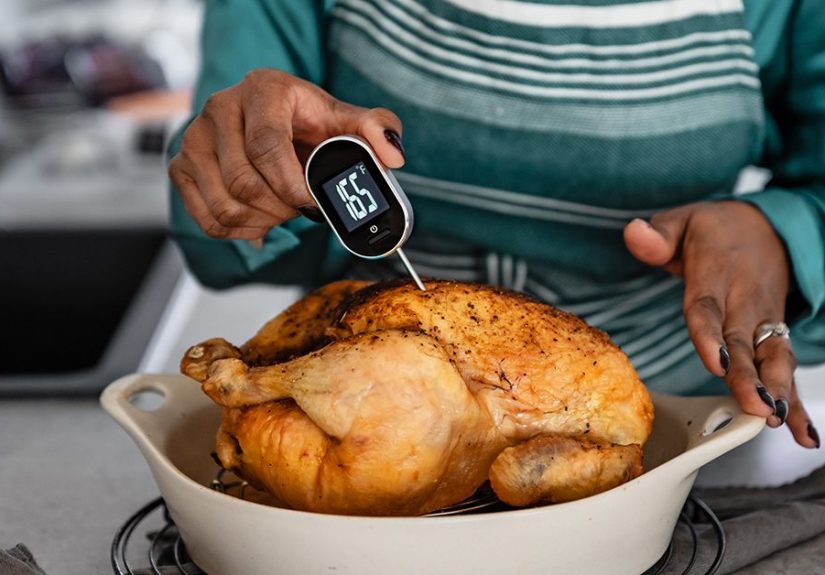
Cook foods thoroughly and use a food thermometer for meats, poultry, and leftovers when needed. “Looks done” is not always the same as “safe.” This matters even more for burgers, poultry, shellfish, and reheated leftovers.
Chill
Refrigerate perishable foods promptly. Do not leave cooked foods sitting out for hours while everyone says, “I’m still full, maybe later.” Bacteria love that kind of relaxed scheduling. Store leftovers quickly, keep the refrigerator cold, and reheat food thoroughly before eating it again.
Also be careful with unpasteurized milk, juice, soft cheeses made from unpasteurized milk, raw sprouts, raw dough, and undercooked shellfish. These are not automatic troublemakers, but they carry more risk than many people realize.
3. Safe water habits protect your gut
Water should refresh you, not challenge your digestive system to a cage match. Unsafe water can spread bacteria, viruses, and parasites that cause diarrhea. At home, use safe drinking water for drinking, brushing teeth, making ice, washing produce, and preparing infant formula. If local officials issue a boil-water advisory, follow it carefully instead of assuming the faucet is feeling trustworthy today.
When water quality is uncertain during emergencies, use bottled, boiled, or properly treated water. This applies not only to drinking, but also to cooking and hygiene. If you would not drink it, do not use it to brush your teeth or rinse your salad either.
Travel water rules that actually matter
When traveling to places where water safety may be limited, choose factory-sealed drinks, avoid ice unless you know it was made from safe water, and be cautious with beverages diluted from local tap water. Peel fruit yourself when possible. Foods served piping hot are generally safer than foods sitting at room temperature on a buffet, silently plotting.
4. Bathroom and home hygiene make a real difference
If someone in your home has diarrhea, your prevention plan needs to level up for a few days. Many stomach bugs spread fast in households because germs land on toilet handles, faucets, doorknobs, light switches, laundry, and shared surfaces.
What to do at home
Clean and disinfect bathroom surfaces regularly, especially if someone is currently sick. If there has been vomiting or diarrhea, clean the area promptly while wearing disposable gloves if available. Wash soiled clothing, towels, and bedding carefully, and wash your hands afterward. Do not shake dirty laundry around like you are auditioning for a detergent commercial.
Try not to share towels, utensils, or drinks while someone is recovering. And if you are the sick one, avoid preparing food for other people until you are fully better. For highly contagious illnesses such as norovirus, giving your body and your household a little space can prevent a whole-family stomach disaster.
5. Lifestyle habits that quietly lower your risk
Not every prevention step is dramatic. Some of the most effective habits are the everyday choices that keep your digestive system and immune defenses more resilient.
Stay hydrated consistently
People often think about hydration only after diarrhea starts. A better plan is to stay well hydrated all the time, especially in hot weather, during exercise, and when traveling. Good hydration supports overall health and makes it easier to recover if illness does happen.
Use antibiotics wisely
Antibiotics can be life-saving when they are truly needed, but they can also cause diarrhea and disrupt the normal balance of bacteria in the gut. Take antibiotics only as prescribed and only when a healthcare professional says they are appropriate. Asking for antibiotics for every stomach upset or viral illness is like bringing a chainsaw to trim a houseplant.
Be careful with food routines on busy days
Many food safety mistakes happen when people are rushed. They pack lunch before coffee, leave leftovers in the car, skip handwashing because they are late, or grab questionable convenience food that has been sitting under suspicious lighting since noon. Build a routine: wash, pack cold foods with an ice pack, and throw out food that has been sitting out too long.
Respect your environment
If you hike, camp, or spend time outdoors, avoid drinking from lakes, streams, or untreated sources. If you handle animal feces, clean litter boxes, or care for pets with diarrhea, wash your hands thoroughly afterward. Reptiles, birds, and young pets can carry germs even when they look perfectly healthy.
6. Smart travel habits can prevent traveler’s diarrhea
Traveler’s diarrhea is common because new environments can bring unfamiliar germs, different sanitation practices, and tempting food choices that do not always love you back.
Best travel habits
Choose cooked foods served hot. Skip raw or undercooked meat and seafood. Be cautious with salads, cut fruit sold out in the open, sauces sitting at room temperature, and unpasteurized dairy products. Drink sealed beverages, use safe water for brushing your teeth, and wash hands before eating.
For longer trips or higher-risk destinations, it is smart to talk with a healthcare professional in advance, especially if you have a chronic health condition, a weakened immune system, or a history of severe traveler’s diarrhea. Packing oral rehydration solution packets can be a very unglamorous but very wise move.
7. Protecting children and higher-risk family members
Children get diarrhea more easily because they touch everything, share everything, and sometimes treat handwashing like a suggestion instead of a rule. Parents and caregivers can lower risk by teaching handwashing early, cleaning changing areas well, washing hands after diaper changes, and keeping sick children home when needed.
Infants can also be protected through routine rotavirus vaccination, which helps prevent severe rotavirus diarrhea. That is one of the most powerful diarrhea-prevention tools for young children.
In homes with older adults, pregnant people, or immunocompromised family members, food safety and hygiene become even more important. Avoid high-risk foods, keep the kitchen clean, and take diarrhea symptoms seriously if they are severe or prolonged.
8. What to do early if symptoms start anyway
Even the cleanest kitchen and the best handwasher on Earth can still get sick sometimes. If diarrhea starts, focus first on preventing dehydration and avoiding spread to other people.
Drink fluids. Water helps, and oral rehydration solutions are especially helpful when fluid loss is significant. Broth and electrolyte-containing drinks may also help, depending on the situation. Eat mild foods when you feel ready, and avoid alcohol if you are dehydrated. If you have fever or bloody diarrhea, do not casually self-treat without medical advice.
At the same time, wash your hands carefully, clean shared surfaces, and do not prepare food for others while you are sick. Your digestive tract deserves peace, and your household deserves not joining the same unpleasant club.
9. When diarrhea is not a “wait it out” problem
Seek medical care if diarrhea lasts more than a couple of days in adults, more than about a day in young children, or if there are signs of dehydration such as dizziness, dry mouth, decreased urination, lethargy, sunken eyes, or confusion. Also get help for severe stomach pain, high fever, bloody or black stools, repeated vomiting, or symptoms after recent antibiotic use.
For babies, older adults, and people with weakened immune systems, the threshold for calling a healthcare professional should be lower. When it comes to dehydration, “maybe it’ll be fine” is not a strategy. It is just optimism wearing bad shoes.
Experience-based lessons people often learn the hard way
One of the clearest patterns in real-life diarrhea prevention is that people rarely get in trouble because they never heard the rules. They get in trouble because the rules felt optional for one busy moment. A parent changes a diaper, wipes the child’s hands, and then answers a text before washing their own hands. A college student eats leftover takeout that sat out overnight because “it smelled okay.” A traveler orders a beautiful iced drink at a roadside cafe without thinking about the ice. A tired office worker grabs fruit that was sliced hours ago and sitting uncovered in a break room. None of these choices feel dramatic in the moment, but they are exactly the kind of everyday shortcuts that create very unpleasant next-day stories.
Another common experience is the household chain reaction. One person gets a stomach bug, then a second person catches it from the bathroom sink, a shared towel, or a door handle nobody thought to disinfect. Then someone cleans up after the sick person but skips proper handwashing because they were in a rush. Suddenly the home turns into a tiny outbreak center with terrible morale. Families often say the same thing afterward: once they started cleaning bathroom surfaces more often, washing laundry carefully, and keeping the sick person from handling food, the spread slowed down fast.
Food prep mistakes are another classic lesson. People often think the danger is only in obviously spoiled food, but real trouble usually comes from invisible contamination. Raw chicken on a cutting board, lettuce chopped on the same surface, and then lunch becomes a gamble. Or a backyard cookout runs long, and potato salad quietly sits in the heat while everybody laughs, talks, and forgets what time lunch actually happened. Later, the joke is not funny anymore.
Travelers also learn quickly that convenience can be expensive. Many people remember the exact vacation meal they regret: the buffet seafood, the smoothie with mystery ice, the peeled fruit bought from a street stand, or the “just one bite” of something that looked safe enough. Seasoned travelers tend to become less casual after one bad experience. They choose hot foods, sealed drinks, and fruit they can wash or peel themselves. It is not paranoia. It is wisdom with a passport stamp.
Even medication habits can become part of the story. Some people are surprised to learn that diarrhea after antibiotics is not rare. They start a prescription, assume stomach changes are no big deal, and then realize later that gut health is more delicate than expected. That experience often changes how they talk with healthcare providers in the future. They ask better questions, follow instructions more carefully, and pay closer attention to hydration and warning signs.
The biggest lesson from all these experiences is simple: prevention works best when it becomes routine instead of emergency behavior. People who consistently wash hands, store food correctly, choose safer water, and clean shared surfaces are not being overly cautious. They are saving themselves from a lot of avoidable misery. And that is a lifestyle upgrade your stomach will absolutely support.
Conclusion
The prevention of diarrhea is not built on one perfect trick. It comes from a chain of practical habits: wash your hands well, handle food safely, drink safe water, clean high-touch surfaces, be smarter while traveling, use antibiotics carefully, and act quickly if symptoms begin. These habits are simple, but together they are powerful.
If you want a useful way to remember it, think of diarrhea prevention as a three-part rule: clean hands, clean food, clean choices. That formula may not sound exciting, but neither does spending the weekend sprinting to the bathroom. In the battle between basic hygiene and digestive chaos, basic hygiene deserves your vote every time.