Table of Contents >> Show >> Hide
- What Is My Garden (Book) Paperback?
- Why This Paperback Still Matters
- The Writing Style: Sharp, Personal, and Wonderfully Unruly
- Major Themes in My Garden (Book)
- Who Should Read This Paperback?
- Why the Paperback Format Feels Especially Right
- Final Thoughts on My Garden (Book) Paperback
- Extended Reader Experience: Living With My Garden (Book) Paperback
If you picked up My Garden (Book) expecting a cheerful little paperback that politely explains when to prune roses and how not to murder basil, Jamaica Kincaid has a surprise for you. Actually, several surprises. Some of them smell like old seed catalogs. Some of them bloom beautifully. Some of them stare straight at empire, memory, class, longing, and the odd human desire to boss nature around with a trowel.
That is what makes My Garden (Book) Paperback such a fascinating read. It is not a standard gardening guide, and thank goodness for that. Instead, it is a literary, deeply personal, intellectually sharp work of nonfiction by Jamaica Kincaid, a writer who turns the garden into something much larger than a pretty backyard hobby. In her hands, the garden becomes a place of pleasure, obsession, irritation, beauty, history, and power. In other words, it becomes very much like life, except with more weeds.
For readers searching for a paperback worth carrying to the porch, the train, or the edge of an overgrown flower bed they keep promising to fix “next weekend,” this book still feels remarkably alive. It has the intimacy of a memoir, the curiosity of a travel narrative, the bite of cultural criticism, and the wandering intelligence of a writer who is not interested in staying inside the neat borders other people draw. That alone makes it memorable. The fact that it is about gardens just makes it smell better.
What Is My Garden (Book) Paperback?
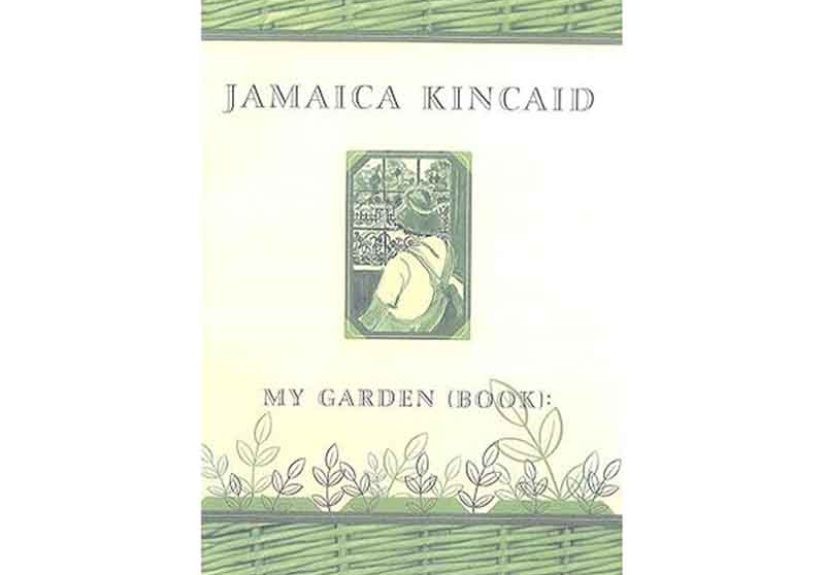
My Garden (Book) is Jamaica Kincaid’s celebrated nonfiction work about gardening, desire, memory, and the complicated meanings attached to cultivated land. Originally published in hardcover in 1999, it later appeared in paperback and has continued to attract readers through newer paperback editions. That continuing life in paperback matters, because this is exactly the kind of book people discover by browsing, borrowing, underlining, dog-earing, and recommending to a friend with the words, “This is about gardening, but also very much not just about gardening.”
The book begins with an origin story that is almost disarmingly simple: Kincaid’s adult attachment to gardening took off after motherhood entered her life. From there, the narrative sprawls beautifully. She writes about her garden in Vermont, the flowers and vegetables she loves, the plants she dislikes, the catalogs she reads with near-religious fervor, and the emotional weather that comes with trying to grow something living in the real world instead of in one’s imagination.
But Kincaid does not stop at compost-level reflection. She connects gardens to Antigua, where she grew up, to the English gardening tradition, to travel, to botanical desire, and to the unsettling histories buried beneath cultivated beauty. She thinks about the garden as a place of fantasy and labor, possession and memory. That combination gives the book its unusual flavor. It is intimate, yes, but never small.
Why This Paperback Still Matters
It Refuses to Behave Like a Typical Garden Book
One of the biggest reasons this paperback stands out is that it refuses to act like a practical manual. Readers looking for ten easy tips to create a cottage border will quickly realize they have wandered into more interesting territory. Kincaid is not trying to help you become efficient. She is trying to help you see. That means the book moves through thought, memory, association, complaint, admiration, and confession rather than through tidy instruction.
And that is exactly the point. Gardening here is not reduced to technique. It is a way of feeling one’s way through the world. Kincaid can move from a beloved rhododendron to the legacy of colonialism with a turn that feels startling at first and inevitable a second later. The garden is never just a garden. It is a map of desire, history, and self-invention.
It Is Full of Specific, Delicious Details
This is not abstract literary gardening. Kincaid gives the reader names, textures, irritations, and pleasures. She loves the rhododendron ‘Jane Grant.’ She appreciates ordinary Blue Lake string beans. She dislikes the Asiatic lily. She broods over winter because it hides the garden. She reads seed catalogs the way some people read love letters, conspiracy threads, or pizza menus when they are hungry and trying to act sophisticated.
Those details matter because they make the book feel lived in. A reader does not have to know every plant she mentions to understand the emotional truth behind them. Every gardener, reader, collector, or dreamer knows what it means to adore one thing irrationally, reject another dramatically, and build an entire interior world around preferences that outsiders may find hilariously intense. Kincaid understands that intensity and never apologizes for it.
It Turns Beauty Into a Serious Conversation
Many books about gardens invite readers to relax. Kincaid occasionally invites that, too, but she also disrupts it. She asks what kinds of histories made certain gardens possible. She looks at the English idea of the garden and considers what it means in colonized places. She writes from the perspective of someone born in Antigua and living in Vermont, someone deeply alert to how landscapes are shaped by power, naming, ownership, and cultural inheritance.
That is why My Garden (Book) Paperback remains relevant. Contemporary readers are often looking for nonfiction that blends beauty with intelligence, pleasure with critique, and personal experience with broader social meaning. This book delivers exactly that. It does not flatten the world into comfort. It lets the lovely thing remain lovely while asking what made it possible and who got left outside the frame.
The Writing Style: Sharp, Personal, and Wonderfully Unruly
Kincaid’s prose is one of the main reasons this paperback continues to earn attention. Her style is candid, recursive, sometimes playful, sometimes severe, and always unmistakably her own. She is fond of parenthetical turns, repetitions, rhetorical questions, and associative movement. In a lesser writer, that might feel messy. In Kincaid, it feels like thought happening in real time: alive, agile, opinionated, curious, and never entirely willing to sit still because an outline said so.
This gives the book a rhythm unlike most gardening titles on the shelf. It can feel like a conversation with someone brilliant at a dinner table, if that someone also happens to know a great deal about botany, remembers childhood pain vividly, and is not afraid to say that a flower is overrated. The paperback format suits that voice beautifully. It feels approachable even when the ideas are large, portable even when the meanings are heavy.
There is also humor throughout the book, though it is not sitcom humor. It is sharper than that, drier than that, and often rooted in the absurdity of wanting absolute beauty from a living thing that insists on being itself. If you have ever stood in front of a plant and silently negotiated like a hostage mediator, this book understands you.
Major Themes in My Garden (Book)
Gardening as Memory
Kincaid presents the garden as an exercise in memory as much as cultivation. Plants do not merely decorate space; they trigger recollection, longing, and buried associations. A flower can call up childhood. A seed catalog can become a winter survival device. A landscape can carry the shape of another place, another climate, another emotional geography entirely.
This helps explain why the book feels richer than simple garden writing. The garden in Vermont is not isolated from Antigua. It is haunted by it, measured against it, and sometimes translated through it. That layered sense of place gives the book an unusual emotional depth. The garden is a site where personal history keeps sprouting, whether invited or not.
Gardening as Control and Surrender
Every gardener knows the fantasy: this year, finally, everything will look intentional. Then the slugs arrive, the weather turns theatrical, the cherished plant sulks, and reality laughs softly from behind the hydrangeas. Kincaid captures that tension beautifully. She loves gardening, but she does not romanticize it into obedience. The book understands that gardening is part design, part desire, part labor, and part humiliation.
That balance makes the book honest. It respects the dream of shaping beauty while admitting that nature is not an employee. The result is a paperback full of longing without illusion. Readers who have ever tried to make a physical space match a private vision will recognize the emotional truth immediately.
Gardens and Colonial History
This may be the most distinctive element of the book. Kincaid looks at gardens not only as aesthetic spaces but also as historical and political ones. She considers botany, naming, collecting, and the English garden tradition through the lens of colonial experience. That perspective gives the book a seriousness that sets it apart from more decorative garden memoirs.
And yet the book never becomes a lecture. It remains personal, sensory, and readable. Kincaid does not abandon the pleasures of flowers, travel, or cultivation. She complicates them. That complication is the book’s real strength. It asks readers to enjoy the rose and interrogate the hedge at the same time. Frankly, that is a pretty impressive trick for a paperback you can toss into a tote bag.
Who Should Read This Paperback?
This book is ideal for readers who like literary nonfiction, garden memoirs, cultural criticism, travel-inflected essays, and books that ignore genre fences. It is especially rewarding for people who enjoy writers with a strong voice. If you want neutral narration, this is not your book. If you want intelligence with personality, welcome to the greenhouse.
Gardeners will appreciate the botanical references, the obsession, the catalog love, and the emotional volatility that comes with caring too much about things rooted in dirt. Readers interested in postcolonial writing will find the book equally compelling because it treats the garden as a site of empire, inheritance, and identity. Book clubs can do very well with this title, too, because it offers plenty to discuss: aesthetics, autobiography, class, race, travel, memory, and the politics of cultivated beauty.
As a paperback, it also has practical appeal. It is the kind of book one can annotate heavily, revisit in seasons, or leave on a bedside table until a paragraph calls you back. Some books want to be displayed. This one wants to be handled.
Why the Paperback Format Feels Especially Right
There is something fitting about encountering My Garden (Book) in paperback. A paperback invites a less ceremonial kind of reading. It can travel to the porch swing, the greenhouse bench, the waiting room, the train, or the beach bag with a packet of seeds mysteriously living at the bottom. It feels companionable. That matters for a book so rooted in private thought and recurring return.
The format also supports the way Kincaid’s ideas work. This is not a book most readers race through once and shelve forever. It encourages pausing, rereading, underlining, and occasionally staring out a window while pretending to be contemplative when you are actually wondering whether you should buy three more peonies. The paperback edition makes the book easier to live with, and that is exactly how this work rewards its audience: through lived-with reading.
Final Thoughts on My Garden (Book) Paperback
My Garden (Book) Paperback remains a singular work because it offers more than one pleasure at a time. It is beautiful without being soft, intelligent without being chilly, personal without becoming small, and political without losing the sensory richness that makes garden writing so seductive in the first place. Jamaica Kincaid writes about flowers, vegetables, landscapes, travel, and memory, but what she is really writing about is how human beings make meaning from the things they try to grow.
If you are looking for a paperback that combines literary style, emotional honesty, and unusual insight, this title deserves a place on your shelf. It is not merely a book about gardening. It is a book about possession, longing, history, beauty, irritation, and the endlessly complicated business of making a place in the world. Which, when you think about it, is also what gardening has been all along.
Extended Reader Experience: Living With My Garden (Book) Paperback
Reading this paperback often feels less like moving through a neatly organized argument and more like walking through a real garden with someone who notices everything: the scent, the weather, the plant label that makes no sense, the memory attached to a flower, the history hidden beneath a border, the odd emotional collapse caused by one underperforming vine. That experience is part of the book’s appeal. It does not behave like content designed to be skimmed while pretending to be useful. It feels inhabited.
Imagine opening the book on a chilly morning with coffee nearby and no great plans except to read for twenty minutes. Twenty minutes later, you are thinking about Antigua, English gardens, seed catalogs, and the strange force that makes people fall in love with specific plants as if they were characters. That is what this book does. It expands. It begins with the garden but keeps opening doors into travel, identity, reading, collecting, and the emotional logic of beauty.
For many readers, one of the strongest experiences related to My Garden (Book) Paperback is recognition. Not necessarily recognition of the exact plants or places, but recognition of the temperament behind them. Kincaid understands obsession. She understands the private theater of taste. She understands the grand hopes people pour into small physical spaces. A backyard bed, a terrace pot, a windowsill herb tray, a borrowed community garden patch: these can all become stages on which ambition, memory, and fantasy perform. The book sees that clearly and writes it without apology.
There is also the pleasure of being challenged while reading. A lot of garden-adjacent books soothe the reader. Kincaid occasionally does that, but she also provokes. You may find yourself admiring her prose one moment and being pushed into historical or moral reflection the next. The effect is invigorating. It keeps the reading experience from becoming decorative. You do not simply drift through the pages admiring petals. You stay alert. The mind keeps moving.
The paperback form strengthens this kind of relationship. Because it feels informal and reachable, readers are more likely to mark passages, fold corners, return to favorite sections, and build a personal conversation with the text. This is not the kind of book that sits untouched to preserve resale value. It is the kind of book that gets a pencil tucked inside it and maybe a bit of soil on the cover if life gets poetically on-brand.
Another meaningful experience tied to this title is seasonal rereading. In winter, the book feels like a defiant act of imagination. In spring, it feels like permission to care too much. In summer, it becomes a companion to abundance and irritation in equal measure. In fall, it reads almost like an accounting of what beauty cost and what it gave back. Few paperbacks adapt so well to the emotional calendar of the year.
Ultimately, the experience of reading My Garden (Book) Paperback is memorable because it blends intimacy with breadth. You feel close to one writer’s voice, yet the subject keeps widening until it includes history, place, empire, longing, and the many contradictions built into cultivated beauty. It is a book you can enjoy for its language, admire for its ideas, and revisit for the way it makes ordinary acts of tending feel intellectually alive. Not bad for a paperback that starts with gardening and ends up saying something much larger about the human condition. Very sneaky. Very effective.