Table of Contents >> Show >> Hide
- What Happened in the Diono Car Seat Recall 2017?
- Which Diono Car Seats Were Affected?
- Why the Belt Safety Concern Was So Important
- How Diono Addressed the Recall
- Why the Recall Got So Much Attention
- What Owners Should Have Done Then and What Used-Seat Shoppers Should Know Now
- What This Recall Teaches About Car Seat Safety in General
- Real-World Experiences Families Often Had Around a Recall Like This
- Conclusion
Few parenting moments trigger instant panic quite like the phrase car seat recall. It is right up there with “the daycare is calling” and “why is the dog suddenly chewing the school permission slip?” In October 2017, Diono announced a major recall involving more than 500,000 car seats after safety concerns surfaced around certain belt-installation situations. The news spread quickly, and for good reason: when child restraints are involved, parents do not want vague warnings, fuzzy instructions, or a wait-and-see approach.
The Diono car seat recall 2017 story was serious, but it was also more specific than some headlines made it sound. This was not a case where every seat in every vehicle was suddenly unsafe. Instead, the issue focused on a particular forward-facing installation setup involving a lap belt only and no top tether. That detail matters, because it changes how parents should understand the risk, how affected owners were supposed to respond, and why the recall became such a big conversation in the first place.
If you are researching the Diono recall years later, perhaps because you found an older seat, bought one secondhand, or want to understand what happened, this guide breaks it all down in plain English. No legal fog. No engineer-speak. Just the facts, the context, and the practical lessons families can still use today.
What Happened in the Diono Car Seat Recall 2017?
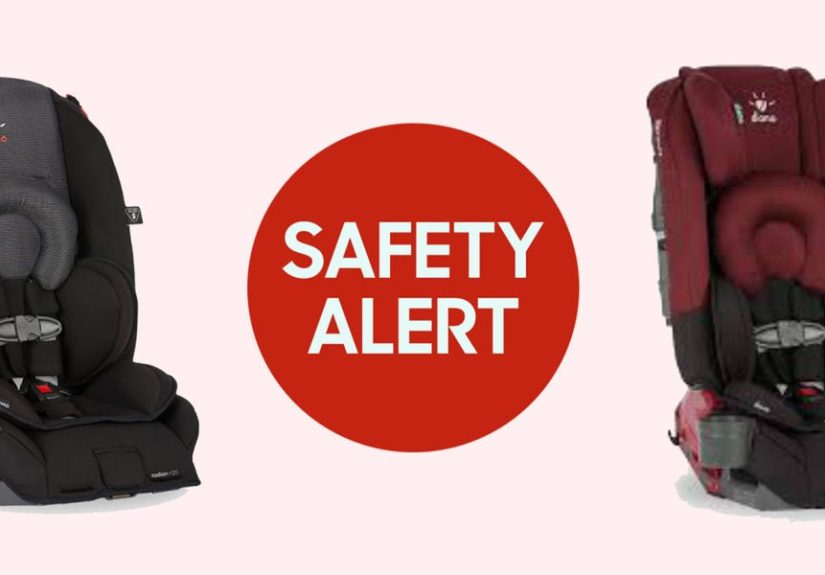
In 2017, Diono recalled approximately 519,052 child restraints in the United States. The affected lineup included certain Radian R100, Radian R120, Radian RXT, Olympia, Pacifica, and Rainier models. These were convertible and booster-style seats that many parents liked because they were narrow, long-lasting, and often marketed as practical solutions for growing kids and tight back seats.
The heart of the problem was not “all belts are bad” or “the seat fails all crash tests.” The concern involved a very specific configuration: the car seat being used forward-facing, secured with a lap belt only, and without the top tether attached. In that setup, the seat could fail to meet federal child restraint performance requirements. That is the kind of technical wording that sounds dry until you translate it into real life: a child could face a higher injury risk in a crash.
Diono’s own materials and the federal recall documents explained the safety concern in more detail. For children under 65 pounds in forward-facing harness mode with a lap belt only and no tether, the issue was increased chest injury risk. For children over 65 pounds using the five-point harness without the tether, the concern shifted toward increased head injury risk. In other words, the danger was tied to how the seat managed crash forces in a narrow but important use case.
That nuance matters because it kept the recall from being misunderstood. The recall did not mean every Diono seat was defective in every installation. It meant the affected seats had a compliance and safety problem under certain forward-facing lap-belt-only conditions, which is still a big deal when you are talking about child passengers.
Which Diono Car Seats Were Affected?
The recall covered these Diono lines:
- Radian R100
- Radian R120
- Radian RXT
- Olympia
- Pacifica
- Rainier
Official owner notices described the affected production range as seats manufactured between November 25, 2013 and September 5, 2017, depending on the model. Some media reports summarized that more simply as seats made from early 2014 through September 2017. Either way, the takeaway for families was clear: if you owned one of these models from that era, you needed to check whether your seat was included.
This is one of the reasons car seat recalls can feel so confusing. A product line may stay on the market for years, but only certain manufacturing windows are covered. Two Rainier seats sitting next to each other in a garage sale could look almost identical while only one falls under a recall notice. That is why model numbers, manufacture dates, and original labels are not boring sticker clutter. They are the difference between guessing and actually knowing.
Why the Belt Safety Concern Was So Important
At first glance, some parents probably read the recall headlines and wondered, “Lap belt only? Who even uses that?” The answer is: fewer families than in the past, but enough that the issue still mattered. Older vehicles, certain seating positions, and unusual transport situations can still involve lap-belt-only restraints. Add in the fact that not every caregiver installs a seat the same way, and you have the kind of real-world variability that makes a recall necessary.
The top tether is a major part of the story. For forward-facing seats, the tether helps limit how far a child’s head moves forward in a crash. That is not a tiny detail; it is a central part of forward-facing crash management. Modern safety guidance consistently emphasizes using the top tether whenever a forward-facing seat allows it. So when a recall centers on a seat being used without the tether, it highlights a broader truth: installation details are not trivia. They are safety equipment.
The Diono recall also showed how complicated child passenger safety can become when one seat is marketed to cover multiple stages. Parents love seats that “grow with the child,” and honestly, who can blame them? Kids grow like weeds, and car seats are not exactly cheap. But multi-mode seats also create more opportunities for confusion about when to switch from harness mode to booster mode, when weight limits change, and how vehicle belt type affects safe installation.
That is one reason the 2017 Diono recall drew so much attention. It was not just about one brand. It reminded families that a good seat can still be misused, misunderstood, or subject to updated guidance if a safety issue comes to light.
How Diono Addressed the Recall
Diono’s remedy was more involved than a simple “stop using the product” announcement. The company said it would notify registered owners and provide a free remedy kit. That kit included an updated instruction manual or addendum, a warning label, a replacement chest clip, and an energy-absorbing pad or lap-belt cushion for applicable lap-belt-only installations under 65 pounds.
The company also changed its instructions for larger children. For forward-facing occupants over 65 pounds using the five-point harness, Diono said the seat had to be used with the top tether attached or the child needed to switch to belt-positioning booster mode, assuming they met the requirements for booster use. Future production was also updated, including lowering the maximum harnessed weight to 65 pounds for future seats in the affected line.
The recall timeline mattered too. Owner notifications were expected to begin in late November 2017, and separate mailings involving the replacement chest clip and warning label began in early December. For parents in the middle of school pickup, holiday travel, sports practice, and the usual life circus, that delay likely felt longer than it sounded on paper. When the fix involves parts, labels, instructions, and changed use guidance, the waiting period can be stressful even if no injuries have been reported.
Importantly, Diono said the issue was identified through company testing, and the official recall documents noted there were no reported injuries or deaths associated with the affected configurations at the time. That does not make the recall minor. It simply means the action was taken before documented injury cases had surfaced in the reported record.
Why the Recall Got So Much Attention
The headline number was enormous. More than half a million child restraints is the kind of figure that makes parents spit out their coffee and immediately start inspecting the back seat. But the recall also drew attention because Diono had strong brand recognition among parents who wanted slim seats, extended use, and three-across flexibility.
That combination created a perfect storm for public interest. A well-known brand, a high unit count, and a safety issue involving something as emotionally loaded as child crash protection? That is not a niche story. That is national news.
There was also a communication challenge built into the recall itself. The seats were not suddenly unsafe in all situations, but the explanation required parents to understand the difference between lap belt only, lap-and-shoulder belt, harness mode, booster mode, tether use, and child weight thresholds. That is a lot to digest when you are reading the notice one-handed in a parking lot while your toddler is negotiating like a tiny union lawyer over fruit snacks.
In that sense, the Diono recall became a case study in how safety notices succeed or fail. The clearer the instructions, the better the odds that families respond correctly. And when the issue is nuanced, media coverage often simplifies it, which helps spread awareness but can also flatten important details. That is why digging into the actual recall conditions matters.
What Owners Should Have Done Then and What Used-Seat Shoppers Should Know Now
For owners in 2017, the first step was to confirm whether the seat was one of the affected models and whether it fell within the listed production range. After that, the key question was how the seat was being used. Was it forward-facing? Was it installed with a lap belt only? Was the top tether attached? Was the child under or over 65 pounds? Those details determined how urgent the remedy guidance was for a particular family.
For anyone looking at an older Diono seat today, especially a hand-me-down or resale item, the recall is a reminder to be cautious. A secondhand seat may be missing labels, updated instructions, or remedy parts. The seller may honestly believe it is “still perfectly good” because the shell looks fine. But car seat safety is not like buying a used coffee table. Missing pieces, outdated manuals, unknown crash history, or incomplete recall repairs can change the safety picture entirely.
That is why families should never rely on memory alone. Check the seat label. Check the model. Check the date of manufacture. Confirm whether recall remedies were completed. If you cannot verify those things, the bargain may not be worth the risk.
What This Recall Teaches About Car Seat Safety in General
The biggest lesson from the Diono car seat recall 2017 is not just “watch recall news.” It is that installation matters as much as purchase. Parents often spend hours comparing cup holders, fabrics, weight limits, and whether the seat will fit next to a sibling’s booster. All of that is understandable. But none of it replaces correct installation.
Forward-facing seats should be used exactly as the manufacturer and vehicle instructions require, including tether use when permitted. Kids who outgrow harness-mode limits need to move to the next appropriate stage, not stay in a setup just because it feels familiar. And car seats should always be registered so manufacturers can reach owners quickly when safety notices or remedy kits are issued.
Another lesson is that “no reported injuries” should never be interpreted as “no big deal.” Recalls exist to reduce risk before tragedies stack up. In child passenger safety, prevention is the whole point. Waiting for a body count is not a strategy. It is a failure.
Finally, the recall underlines how valuable expert help can be. Certified child passenger safety technicians, trusted pediatric guidance, and official NHTSA resources can help families sort through confusing situations. When a seat has multiple modes and a recall notice adds more conditions, getting a knowledgeable second set of eyes is smart, not dramatic.
Real-World Experiences Families Often Had Around a Recall Like This
A recall involving more than 500,000 car seats is not just a technical story. It is a family story. In real life, news like this usually lands in the messiest, least convenient part of the day. A parent is buckling in kids after preschool. A grandparent is helping with pickup. Someone sees a headline, squints at the brand name, and suddenly the rest of the afternoon turns into a back-seat investigation.
For many families, the first experience was confusion. Not panic exactly, but that uncomfortable “wait, what kind of belt do we even have back there?” moment. Plenty of parents know whether a seat is rear-facing or forward-facing, but far fewer can instantly explain the difference between lap-belt-only installation, a lap-and-shoulder belt setup, lower anchors, or tether use. A recall like this forces regular people to learn crash-safety vocabulary fast, usually while standing in a driveway with one shoe half on.
Another common experience was the label hunt. Parents ended up kneeling in minivans with phone flashlights, wiping cracker dust off seat shells, searching for model numbers and manufacture dates printed in tiny lettering that always seems to be hidden in the least ergonomic place possible. In households with more than one seat, the process took longer. In households where the seat had moved between cars, things got even murkier. Was this the one from Mom’s SUV or Grandma’s sedan? Was this the replacement cover? Did we ever mail the registration card? Suddenly the family group chat had a new full-time job.
Then came the logistics. If the seat was affected, families had to figure out what to do next without putting daily life on pause. Children still needed rides to school, pediatric appointments, soccer practice, and grocery runs where someone inevitably begs for cereal shaped like cartoon moons. Parents had to read updated instructions, contact customer service, wait for remedy materials, and sometimes rethink how the seat was installed or whether the child should be using harness mode or booster mode. For busy households, that was not a small task. It was another administrative project dropped into an already crowded week.
There was also an emotional side. Recalls can make careful parents feel guilty even when they did nothing wrong. A lot of responsible caregivers probably asked themselves whether they had missed something obvious. The better response is usually the kinder one: recalls happen precisely because most consumers cannot be expected to uncover technical compliance problems on their own. If a parent heard the news, checked the seat, followed the instructions, and completed the remedy, that is what responsible action looks like.
And finally, many families likely came away from the recall more informed than before. They learned what a top tether does. They learned why registration matters. They learned that child passenger safety is not a “buy it once and forget it” category. As frustrating as the recall was, that knowledge probably made some households safer long after the original headlines faded.
Conclusion
The Diono car seat recall 2017 was a major safety event, but it was also a useful reminder that details matter. The recall did not mean every affected seat was dangerous in every situation. It meant a specific and important installation scenario created an unacceptable injury risk, and that required a formal fix. For parents, the lesson was clear: always know your seat’s model, register it, follow the manual, use the top tether when forward-facing instructions call for it, and never assume “close enough” is good enough when child safety is on the line.
Years later, the recall still matters because older seats remain in circulation, sometimes in storage rooms, hand-me-down chains, or online resale listings. Understanding what happened helps parents make better choices now. And in the world of child passenger safety, better choices are the whole game.