Table of Contents >> Show >> Hide
- What the Miconos Wall Light Is (and Why People Obsess Over It)
- Materials, Finishes, and Scale
- Light Output, Bulbs, and the “Yes, the Bulb Matters” Conversation
- Where the Miconos Wall Light Looks Best
- Installation Notes: Planning Like a Pro
- Maintenance and Longevity: Keeping the Globe Gorgeous
- Is It Worth It? A Practical Take on Value
- Quick Buying Checklist
- FAQ
- Conclusion: A Small Sculpture That Happens to Be a Light
- Real-World Experiences with the Artemide Miconos Wall Light (500+ Words)
Some wall lights politely fade into the background. The Artemide Miconos Wall Light does not do polite. It shows up wearing a perfectly tailored chrome (or gold) suit, holds a crystal-clear glass globe like it’s a priceless artifact, and casually says, “Yes, the bulb is supposed to be visible. You’re welcome.”
If you’ve been hunting for a wall sconce that feels architectural without being fussyand decorative without becoming “theme-y”Miconos is one of those rare fixtures that can flex between modern, industrial, and even transitional rooms. The trick is simple: honest materials, a clean silhouette, and a little bit of drama (the good kind).
What the Miconos Wall Light Is (and Why People Obsess Over It)
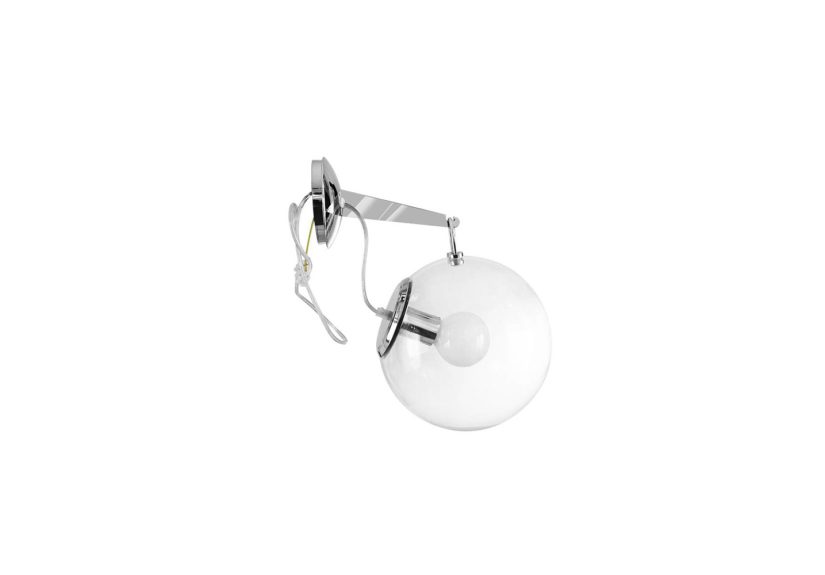
The Miconos Wall Light is a wall-mounted luminaire from Artemide, known for blending Italian design with serious manufacturing. Miconos is instantly recognizable: a transparent, hand-blown glass globe paired with a polished metal structure that looks precise, minimal, and intentionally “exposed.” The bulb isn’t hidden behind frosted glass or a shadeso the light reads crisp, bright, and sparkly (depending on what bulb you pick).
It’s credited to Ernesto Gismondi (Artemide’s founder), and it carries that “designed-by-someone-who-actually-cares” energy: the hardware is a feature, not a necessary evil. The end result feels like a small piece of functional sculpture.
The Signature Look: “Naked” but Not Messy
Plenty of fixtures try the exposed-bulb thing and end up looking like a storage-room special. Miconos doesn’t, because the “naked” concept is controlled: the globe is perfectly proportioned, the metal components are crisp, and the geometry feels deliberate. It’s industrial in spirit, but refined in executionlike a vintage workshop tool that got a museum upgrade.
Materials, Finishes, and Scale
The Miconos Wall Light typically combines transparent blown glass with a metal arm and wall plate. Depending on the version, you’ll commonly see Polished Chrome and a Gold/Satin Gold option. The clear glass makes the bulb part of the designso think of the bulb as your “shade.”
Typical Dimensions (Why This Matters More Than You Think)
On paper, it’s not a massive sconcebut the clear globe gives it visual presence. A common spec set for the wall version is roughly:
- Globe diameter: about 9.75 inches (approximately 25 cm)
- Overall height: about 17 inches
- Projection (depth): around 12.4 inches (about 32.5 cm)
That projection is the big headline. Miconos doesn’t hug the wallso it’s fantastic where you want a feature, but not ideal in super-tight corridors where shoulders and handbags regularly graze the walls.
Chrome vs. Gold: Choosing Without Regretting Your Life Choices
Both finishes work, but they behave differently in a room:
- Polished Chrome: Reads modern, crisp, and slightly “gallery-like.” It pairs beautifully with black accents, white walls, concrete, stone, and cool-toned palettes.
- Gold / Satin Gold: Warms everything up immediately. It’s great with oak, walnut, creams, warm whites, and brass-friendly interiors. It can also make the sconce feel more “jewelry” than “hardware.”
If the room already has lots of shiny elements (chrome faucets, stainless appliances, mirror frames), chrome keeps things cohesive. If the room needs softness and warmth, gold is the cheat code.
Light Output, Bulbs, and the “Yes, the Bulb Matters” Conversation
Because the globe is clear, the bulb is visually central and also controls the vibe. The fixture commonly uses an E26 medium base lamp and is typically dimmable with a compatible wall dimmer (often described as “2-wire” dimming). Many listings indicate a maximum around 100W for traditional incandescent equivalents, but in the real world, most people choose LED for better efficiency and less heat inside a glass globe.
Pick a Bulb Like You’re Casting the Lead Role
Here are practical bulb choices that make Miconos look intentional (not like you grabbed the first bulb you found in the junk drawer):
- Globe bulb (G25/G30/G40 style): This often matches the visual language of the fixture and fills the globe nicely. It’s the “default good-looking” option.
- LED filament bulb: Gives a classic warm sparkleespecially great in chrome for that clean + cozy contrast.
- White (opal) LED globe: Best if you want softer light and less glare. If the sconce is at eye level in a hallway, opal is your friend.
Color Temperature: Warm Wins (Usually)
For most homes, 2700K is the sweet spotwarm, flattering, and not “hospital waiting room.” If your home leans very modern and you like crisp whites, 3000K can work, but with clear glass, cooler temps can feel extra sharp. If you’re pairing with art, mirrors, or glossy tile, warm light helps prevent the room from feeling icy.
Dimmers and Smart Bulbs: Keep the Peace
Dimming is where Miconos becomes magical. Low dim levels turn it into ambient mood lighting; full power makes it a bright accent. If you use dimmable LEDs, choose reputable bulbs that are actually designed for dimmers (flicker is not a personality trait). For smart bulbs, you can either:
- Keep the wall switch “on” and control brightness via app/voice, or
- Use a smart dimmer + dimmable bulb (check compatibility so everything plays nicely).
Where the Miconos Wall Light Looks Best
This fixture is an accent piece, so treat it like one. It’s happiest when it has a little breathing room and something to “talk” to: a console table, a piece of art, a mirror, or an architectural element.
1) Entryways and Hallways
Miconos is a strong choice for an entry because it instantly signals design intent. In hallways, it works well in pairs or a rhythm down a long walljust remember the projection. If your hallway is narrow, consider fewer fixtures with more spacing instead of a crowded lineup.
2) Living Rooms: The “Gallery Accent” Move
Place it near a reading corner, above a credenza, or beside a large artwork. Chrome reads like modern gallery hardware; gold reads like upscale boutique lighting. Either way, it adds dimension to a wall that might otherwise feel flat.
3) Bedrooms: Better Than a Boring Bedside Lamp
If you’re tired of lamps eating up nightstand space, wall sconces are a clean upgrade. Miconos can work as bedside lighting, especially if you use a softer bulb and dimming. If you need true task light for reading, aim placement thoughtfully so the bulb isn’t glaring directly into your eyes at 11:47 PM when you’re “just reading one more chapter.”
4) Bathrooms (with Common Sense)
Many people use decorative sconces in bathrooms, but always follow local codes and confirm the rating is appropriate for the location. In general, a fixture intended for indoor dry areas should not be placed where it will be directly hit with water or heavy steam. If your vanity area is well-ventilated and the sconce is positioned away from splash zones, it may be a design optionbut verify requirements before committing.
Installation Notes: Planning Like a Pro
The Miconos Wall Light is typically hardwired to a standard wall junction box. Because it uses a glass globe and visible bulb, it’s worth taking a few planning steps so it looks “custom” after install.
Mounting Height Guidelines
- In hallways: Often around 60–66 inches to the center of the fixture, adjusted for ceiling height and sightlines.
- Beside a mirror: Usually around eye level to avoid harsh shadows, often 60–65 inches to center depending on mirror size.
- Bedside: Typically a bit above shoulder level when seated, with dimming to control glare.
The goal: you want the globe to feel intentional, not accidentally “floating” too high or hovering awkwardly at face level.
Glare Control (AKA: Don’t Blind Your Guests)
Clear glass is gorgeous, but it can be bright. If the fixture will be in a direct line of sightlike a corridor opposite a doorway choose a softer bulb (opal globe or lower-lumen LED) and rely on dimming. Miconos should feel like ambiance, not a lighthouse.
Maintenance and Longevity: Keeping the Globe Gorgeous
The #1 thing you’ll notice after installation: clear glass loves fingerprints. It’s not a flaw; it’s a lifestyle. Luckily, it’s easy:
- Turn off power and let the bulb cool.
- Use a microfiber cloth for dust.
- For smudges, use a gentle glass cleaner (spray the cloth, not the fixture).
- Avoid harsh abrasivesthis is design lighting, not a barbecue grill.
If you’re using higher-output bulbs, LED helps keep heat down, which is kinder to both the fixture and your sanity.
Is It Worth It? A Practical Take on Value
The Miconos Wall Light sits in the designer category, so the value conversation isn’t “does it turn on?”it’s: Does it elevate the room every day? With Miconos, you’re paying for a design that’s recognizable, materials that feel premium, and a form that stays relevant even as trends come and go.
If you want a wall sconce that looks great in photos but also looks great when you’re carrying groceries and not thinking about décor, Miconos delivers. It’s decorative, but it’s also clean and architecturalso it tends to outlast trend cycles.
Quick Buying Checklist
- Measure projection: Make sure the globe won’t get bumped in tight spaces.
- Choose your finish: Chrome for crisp modern; gold for warmth and softness.
- Plan your bulb: Globe shape looks best; opal reduces glare; 2700K is a safe default.
- Use dimming: It’s where this fixture becomes a mood-maker.
- Think in pairs: Two sconces often look more intentional than one lonely light.
FAQ
Does the Artemide Miconos Wall Light come with a bulb?
Most listings specify that the bulb is not included. That’s actually good news because you get to choose the look (filament, opal, globe size) and the performance (brightness, dimmability, smart features).
Can I use LED bulbs?
Yes. Since the fixture commonly uses an E26 medium base, LED options are widely available. Choose a dimmable LED if you’ll be using a dimmer, and pick a globe shape if you want the most “designed” appearance.
Is it dimmable?
The wall version is commonly described as dimmable with a compatible dimmer (“2-wire” dimming is often noted). Your results will depend on bulb quality and dimmer compatibilityso don’t pair a bargain-bin bulb with a fancy fixture and expect romance-level lighting.
What style of rooms does it work with?
Modern, industrial, mid-century, and even transitional spaces. Chrome leans modern; gold leans warm and slightly more classic. The clear glass globe keeps it light and airy even when the metal hardware feels bold.
Is it good for task lighting?
It can be, but it shines (pun intended) as ambient or accent lighting. For reading-focused bedside lighting, placement and bulb choice matteruse dimming and avoid a harsh clear bulb at eye level.
Will the clear glass cause glare?
It can if the bulb is very bright or directly in your line of sight. An opal globe LED or a lower-lumen bulb helps, and a dimmer makes it easy to dial in comfort.
Conclusion: A Small Sculpture That Happens to Be a Light
The Artemide Miconos Wall Light is what happens when a wall sconce gets treated like a design object instead of a construction afterthought. The transparent hand-blown glass globe delivers sparkle and presence, the polished metal structure adds architectural crispness, and the overall silhouette feels timeless rather than trendy.
Choose the finish that matches your room’s “temperature,” pick a bulb that looks intentional, add dimming, and you’ll get a fixture that elevates hallways, entries, bedrooms, and living spaces with very little effort. It’s not trying to be loudjust unforgettable.
Real-World Experiences with the Artemide Miconos Wall Light (500+ Words)
Living with the Miconos Wall Light is a little like owning a white sofa: it’s gorgeous, you’ll show it off to friends, and you’ll also learn a few new habits. The first habit is accepting that clear glass tells the truth. If you’ve ever thought, “My hands are basically clean,” Miconos will gently disagree by displaying a perfect fingerprint mural the moment you adjust the bulb.
In entryways, people often describe an immediate “upgrade effect.” Even when the rest of the space is simpleneutral walls, a basic console, a bowl for keysthe Miconos brings that boutique-hotel feeling. The clear globe reflects little highlights during the day, especially in chrome, so the fixture still looks intentional even when it’s off. At night, a warm globe LED makes the light feel welcoming instead of harsh. The biggest lesson: don’t overdo brightness. The sconce doesn’t need stadium-level lumens to look good; it needs the right bulb shape and a dimmer so you can slide from “hello, guests” to “soft glow while I pretend I’m not eating cereal at midnight.”
In hallways, the experience is half design, half geometry. Because the fixture projects outward, it looks amazing in a wider corridor where it can read as a sculptural element. In narrow hallways, the same projection can turn into a shoulder-check hazardespecially in busy homes where someone is always carrying laundry baskets like they’re training for a strongman competition. A common approach is to use fewer fixtures, spaced thoughtfully, so the hallway feels curated rather than crowded. One Miconos placed as a feature near an artwork or mirror can sometimes look more high-end than three crammed in a row.
Bedrooms bring out the “bulb as décor” reality. The Miconos can replace a tabletop lamp and free up nightstand space, which feels like discovering an extra drawer you didn’t know you had. But because the globe is clear, the wrong bulb can feel too intense when you’re lying down. People who love the look often land on an opal globe LED or a warm filament bulb with a lower lumen output, then rely on dimming to get it just right. The moment you find the perfect dim level, it’s hard to go back to a standard lamp. The light becomes part ambiance, part mood, part “I have my life together,” even if your laundry situation says otherwise.
Cleaning is a recurring mini-ritual. The glass globe is simple to wipe, but it’s also very good at collecting dust in a way frosted shades can hide. A microfiber cloth becomes your best friend. Some people keep one in the same drawer as spare bulbs because once you see the dust, you can’t unsee it. The upside is that the fixture is fundamentally straightforward: no fabric shades to stain, no weird crevices designed by someone who clearly never had to clean anything.
The most satisfying experience tends to be the “design echo” effect: once you install it, other elements in the room suddenly look more intentional. A mirror feels more sculptural. A console looks more curated. Even a plain wall becomes a feature. Miconos doesn’t just add lightit adds a little architectural punctuation. And honestly, that’s the kind of punctuation your walls deserve.