Table of Contents >> Show >> Hide
- What Is Shockwave Therapy for ED?
- So, Does Shockwave Therapy Help ED?
- Who Is the Best Candidate for Shockwave Therapy?
- What the Research Gets Right
- Where the Research Still Feels Wobbly
- Is Shockwave Therapy FDA Approved for ED?
- How Does Shockwave Therapy Compare With Standard ED Treatments?
- What Should You Ask Before Saying Yes?
- The Bottom Line on Shockwave Therapy for Erectile Dysfunction
- Experiences Related to “Does Shockwave Therapy Help ED?”
If you have seen ads for shockwave therapy for ED, you have probably noticed the marketing has two speeds: “miracle cure” and “trust us, bro.” Reality, as usual, is less dramatic and far more useful. Low-intensity shockwave therapy for erectile dysfunction is a real medical treatment being studied by serious urologists. It is not pure hype. But it is not magic either. The honest answer is this: shockwave therapy can help some men with ED, especially those with mild to moderate vascular-related erectile dysfunction, yet it does not work for everyone, it is not the first treatment most doctors reach for, and it is still considered investigational by major urology organizations.
That mix of promise and caution is exactly why the topic deserves more than a flashy headline and a before-and-after sales pitch. If you are trying to decide whether this noninvasive ED treatment is worth your time, money, and hope, this guide breaks down what shockwave therapy is, who may benefit, what the research says, where the weak spots are, and how it compares with more established erectile dysfunction treatment options.
What Is Shockwave Therapy for ED?
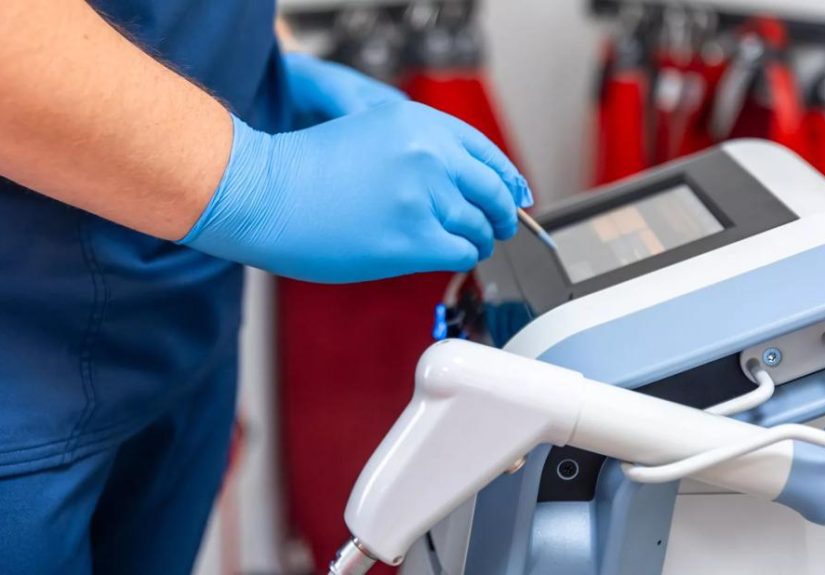
Shockwave therapy for ED usually refers to low-intensity extracorporeal shockwave therapy, often shortened to LiSWT or Li-ESWT. In plain English, a clinician uses a handheld device to deliver low-energy sound waves to targeted tissue. The idea is that these pulses may stimulate repair processes, improve blood vessel function, and encourage new blood vessel growth. Since erections depend heavily on healthy blood flow, the treatment aims to improve the plumbing rather than simply press the temporary “on” button.
That is what makes the treatment so appealing. Oral ED medications such as sildenafil or tadalafil help many people, but they work as symptom-management tools. Shockwave therapy is marketed as a more restorative approach. It tries to address why some men have erection trouble, particularly when the root problem involves blood vessels. Think of pills as borrowing a better umbrella during a storm; shockwave therapy is trying to patch the roof.
In-office treatment sessions are usually short, and many clinics describe the procedure as tolerable or nearly painless. No surgery is involved, and there is generally no downtime. That convenience is a big reason it has attracted attention. Of course, convenient does not always mean conclusively proven, which brings us to the main event.
So, Does Shockwave Therapy Help ED?
Yes, it can help some men with ED, but the benefit is not universal, and the evidence is still developing. The strongest signal appears in men with mild to moderate vasculogenic ED, meaning erectile dysfunction tied mainly to reduced blood flow. In that group, studies and reviews have found improvements in erectile function scores compared with sham treatment or placebo-like comparison groups. Some men report stronger erections, easier response to medication, or less reliance on pills after treatment.
That sounds encouraging, because it is. But here is the important asterisk the size of a billboard: the research is inconsistent in places. Studies use different devices, different energy settings, different treatment schedules, and different patient groups. One clinic may use a protocol spread over several weeks. Another may follow a different schedule entirely. When researchers are not all cooking from the same recipe, it becomes harder to say exactly how effective the treatment is, how long results last, and which patients are truly the best candidates.
In other words, shockwave therapy for erectile dysfunction sits in that awkward medical middle ground: promising enough that experts keep studying it, but not settled enough to call it a standard, universally recommended fix. It is the medical equivalent of a talented rookie who has had some great games but has not made the Hall of Fame speech just yet.
Who Is the Best Candidate for Shockwave Therapy?
Based on current evidence and expert guidance, the men most likely to benefit are those with mild to moderate vascular ED. These are often people who still get some response from PDE5 inhibitors such as Viagra or Cialis but want better performance, less dependence on medication, or a treatment that may improve baseline function.
Shockwave therapy may be less helpful when ED is driven mainly by other issues, such as major nerve injury, severe diabetes-related damage, advanced cardiovascular disease, significant psychological distress, or post-surgical causes that have severely impaired the structures needed for erections. That does not mean it is impossible in those groups. It means expectations need to be more realistic and treatment planning needs to be more personalized.
This is also why a proper medical workup matters. ED is not just a bedroom issue. It can be linked to diabetes, high blood pressure, obesity, hormone problems, medication side effects, mental health stressors, relationship strain, and broader heart and blood vessel disease. Sometimes the body is waving a little red flag long before anyone wants to admit there is a parade. If a clinic offers shockwave therapy without evaluating the bigger health picture, that is not efficiency. That is skipping chapter one and pretending the book still makes sense.
What the Research Gets Right
1. There is a plausible mechanism
Shockwave therapy is not pure wishful thinking. The theory behind it makes biological sense. By stimulating tissue remodeling and blood vessel activity, the treatment may improve circulation in erectile tissue. That is why the therapy keeps attracting serious research rather than fading away like a weird internet fad diet.
2. Some trials show measurable improvement
Randomized and sham-controlled studies have reported better erectile function in some treated men compared with controls. This is especially important because sham-controlled trials help reduce the “I paid for it, so I feel like it worked” effect. Improvement has been seen in erectile function questionnaires and, in some studies, in follow-up periods lasting months after treatment.
3. It is noninvasive
Many patients like the idea of a treatment that does not involve surgery, needles at home, or medication side effects. Sessions are relatively brief, there is no major recovery period, and discomfort is usually described as mild when it occurs. For the right patient, that convenience is a legitimate selling point.
Where the Research Still Feels Wobbly
1. Treatment protocols are all over the map
Different studies use different devices, energy levels, total numbers of pulses, session counts, and follow-up periods. That makes it difficult to compare apples to apples. Some protocols look promising, but there is still no universally accepted “gold standard” regimen.
2. Long-term durability is unclear
Some men seem to maintain benefits for months or even a year or two, while others need retreatment or feel only limited improvement. Current evidence suggests the effects may not be permanent. So if you are hoping for one short series of appointments followed by eternal confidence and a movie soundtrack, that is probably not the safest expectation.
3. Not every “wave” treatment is the same
This is a big one. Some clinics advertise acoustic wave therapy or radial wave therapy as if those were interchangeable with low-intensity focused shockwave therapy. They are not necessarily the same thing. Sexual medicine experts have specifically warned that data from focused shockwave studies cannot simply be copied and pasted onto radial wave treatments. If the device and mechanism differ, the evidence may not travel with it.
4. Major professional groups still urge caution
The American Urological Association considers low-intensity extracorporeal shockwave therapy for ED investigational. The Sexual Medicine Society of North America has likewise said restorative therapies for ED should remain experimental and ideally be limited to clinical trials until stronger evidence is available. That does not mean the therapy is useless. It means the evidence has not matured enough for full mainstream endorsement.
Is Shockwave Therapy FDA Approved for ED?
No. In the United States, low-intensity shockwave therapy is not FDA approved specifically to treat erectile dysfunction. That matters because FDA approval is not just a bureaucratic sticker. It generally reflects that a treatment has cleared a higher bar for a specific medical use.
The lack of FDA approval also affects cost. Many clinics offer shockwave therapy as a cash-pay service, and insurance often does not cover it. Translation: your wallet may need a supportive counseling session of its own. Before starting treatment, it is smart to ask exactly what device is being used, how many sessions are included, whether maintenance visits are likely, and what outcomes the clinic considers a success.
How Does Shockwave Therapy Compare With Standard ED Treatments?
This is where perspective helps. Shockwave therapy gets attention because it feels new and futuristic, but the most established ED treatments remain established for a reason.
Oral medications
PDE5 inhibitors such as sildenafil and tadalafil are still the best-known first-line treatments for many men. They are widely studied, commonly prescribed, and effective for a large number of patients. They do not “cure” ED, but they have a much stronger evidence base than shockwave therapy at this point.
Lifestyle changes
If ED is linked to smoking, heavy alcohol use, poor sleep, inactivity, obesity, or uncontrolled diabetes and blood pressure, lifestyle changes can meaningfully improve symptoms. This is the least glamorous option because it does not come with a sleek machine or a dramatic brochure. It also happens to be one of the most medically important.
Counseling and mental health support
Anxiety, depression, relationship strain, and performance stress can all contribute to ED. For some men, mental health care is not an optional side quest; it is part of the main storyline. Treating the body while ignoring the mind can leave the overall problem half-finished.
Nonoral and procedural treatments
When pills are not effective or appropriate, options include injections, urethral medication, vacuum erection devices, and penile implants. These are more established than shockwave therapy and may be better choices in severe or complex cases. Penile implants in particular have high satisfaction rates among carefully selected patients, although they are obviously a much bigger step than an office-based wave treatment.
What Should You Ask Before Saying Yes?
If you are considering shockwave therapy for ED, ask smart questions before paying for a package:
- What type of device are you using: focused shockwave, acoustic wave, or radial wave?
- Am I a good candidate based on the likely cause of my ED?
- Have I had a real evaluation for diabetes, cardiovascular risk, hormones, medications, and mental health factors?
- How many sessions are recommended, and why that protocol?
- What kind of results do patients like me usually get?
- How long do benefits typically last?
- Will I probably still need medication afterward?
- What does the full treatment course cost, including maintenance?
If a clinic responds to all of that with “Don’t worry, just trust the vibes,” keep walking.
The Bottom Line on Shockwave Therapy for Erectile Dysfunction
Shockwave therapy can help ED in some cases, and the most encouraging results appear in men with mild to moderate vasculogenic ED. It is noninvasive, generally well tolerated, and supported by a growing body of research. That is the hopeful part.
The cautious part is just as important. The treatment is still considered investigational by major U.S. sexual medicine organizations. Study protocols vary, long-term durability is not fully defined, and not all “wave” treatments sold by clinics are backed by the same evidence. For many men, standard therapies such as oral medication, lifestyle improvement, counseling, vacuum devices, injections, or implants remain more established and predictable options.
So, does shockwave therapy help ED? Yes, it can. But the better question is whether it is the right treatment for your kind of ED. That answer depends on the cause, your health profile, your expectations, and whether you are getting care from a qualified clinician who treats the whole picture instead of just the most marketable part of it.
Experiences Related to “Does Shockwave Therapy Help ED?”
The experiences below are composite examples based on common patterns reported by clinicians, patients, and published research. They are not individual testimonials, but they reflect the kinds of outcomes people often describe.
A common experience is the man in his 40s or 50s with mild vascular ED who still responds somewhat to medication but feels that his erections are less reliable than they used to be. He tries shockwave therapy hoping to improve baseline function, not necessarily to throw away every pill forever. After several sessions, he may notice firmer erections, better confidence, and an easier response to medication. In that scenario, shockwave therapy can feel worthwhile because the goal was improvement, not perfection.
Another common experience is more mixed. A patient finishes a series of treatments and notices only a modest change. Erections may be somewhat better, but not dramatically different, and medication may still be necessary. This person often says the treatment “helped a little, but not enough to call it life-changing.” That kind of middle-ground result is important to understand because it is very different from the marketing promise of complete restoration.
Then there is the patient whose ED is tied to more complex causes, such as diabetes, nerve injury, major stress, or treatment after pelvic surgery. In these cases, shockwave therapy may not deliver the hoped-for benefit. Sometimes the disappointment comes not because the therapy was reckless, but because the original expectations were unrealistic. If the main problem is not blood flow alone, a blood-flow-focused therapy has a harder job.
Some men also describe the emotional side of the experience. Starting treatment can feel hopeful because it offers action instead of waiting and worrying. Even the process of meeting with a specialist, getting evaluated, and discussing options can reduce anxiety. On the other hand, paying out of pocket for multiple sessions can create pressure. When a treatment is expensive, every small result gets mentally audited like a suspicious line item on a credit card bill.
Clinicians often note another pattern: men who do best tend to be those who treat ED as a health issue, not just a performance issue. They work on blood pressure, sleep, exercise, weight, diabetes control, smoking, alcohol habits, and stress while also considering therapy. In real life, the best outcomes often come from combination care. Shockwave therapy may be one piece of the plan, not the entire plan wearing a superhero cape.
The most realistic patient experience usually lands somewhere between “total scam” and “miracle cure.” For some people, it is a helpful boost. For others, it is a modest improvement. And for some, it does very little. That is exactly why honest counseling matters more than glossy promises. With ED treatment, the best results usually come from matching the right tool to the right cause, not from betting everything on the newest gadget in the room.