Table of Contents >> Show >> Hide
- Why Mice in the House Are More Than Just Annoying
- How to Tell If You Have Mice
- The Pest-Expert Plan That Actually Works
- How to Clean Mouse Droppings Safely
- What Does Not Work Very Well
- When to Call a Pest Professional
- How Long Does It Take to Get Rid of Mice?
- A Simple Room-by-Room Mouse Prevention Checklist
- Common Homeowner Experiences With Mice, and What They Teach You
- Final Thoughts
If you have heard mysterious scratching in the wall at 2 a.m., found tiny droppings in the pantry, or watched your dog stare at the stove like it owes him money, congratulations: your house may have acquired very small, very rude tenants. And unlike the kind of guests who overstay after the holidays, mice do not even bring a casserole.
The good news is that pest experts are surprisingly united on how to deal with them. The best strategy is not magic spray, an ultrasonic gadget, or crossing your fingers while yelling, “Shoo!” from the hallway. It is a practical combination of inspection, sealing entry points, removing food and shelter, trapping the mice already inside, and cleaning up safely. In pest-control language, this is called integrated pest management. In normal-human language, it means: stop inviting them in, then show them out.
This guide breaks down exactly how to get rid of mice in your house, why they keep showing up, what works, what does not, and how to keep them from making a comeback tour. If you want the short version, here it is: mice need food, water, warmth, and a tiny gap in your home’s defenses. Remove those things, and their enthusiasm drops fast.
Why Mice in the House Are More Than Just Annoying
A mouse problem is not only about the occasional squeak or chewed cereal box. Mice contaminate food, leave droppings and urine behind cabinets and inside drawers, build nests in insulation and storage boxes, and gnaw constantly on wood, plastic, drywall, and even wiring. That last one is not just gross; it can become expensive and potentially dangerous.
They also reproduce quickly. So if you are thinking, “It is probably just one mouse,” pest professionals would gently like you to retire that sentence. One mouse is often a scouting report for more mice, or a sign that others are already hiding behind the scenes like uninvited backup dancers.
How to Tell If You Have Mice
Sometimes the evidence is obvious. Sometimes it is subtle enough to make you question your own sanity. Pest experts say the most common signs include:
Droppings
Mouse droppings are small, dark, and usually found near food storage areas, under sinks, in drawers, along baseboards, or behind appliances. Fresh droppings are often darker and softer; older ones dry out and crumble.
Scratching Noises at Night
Mice are usually most active when the house gets quiet. If you hear light scratching in the walls, ceiling, attic, or behind cabinets after dark, that is a classic sign.
Gnaw Marks and Damaged Packaging
Mice chew because their teeth never stop growing. Torn pet-food bags, nibbled bread wrappers, chewed cardboard, and damaged wires all raise a red flag.
Musky Odor
A lingering musty smell in a pantry, cabinet, basement, or crawl space can point to an active mouse nest or heavy traffic area.
Nesting Material
Mice love shredded paper, fabric, insulation, and soft debris. If you find a cozy little pile hidden in a box, drawer, wall void, or storage bin, you may be looking at a nest.
The Pest-Expert Plan That Actually Works
If you want to get rid of mice for real, not just for a weekend, follow the same sequence professionals use: inspect, exclude, sanitize, trap, and monitor. Doing only one step is like brushing your teeth while continuing to eat caramels in bed. Technically you tried, but the system is not on your side.
1. Inspect the House Like a Mouse Would
Start by figuring out where mice are getting in and where they are active. Walk the outside of your house slowly and look for gaps around utility lines, dryer vents, pipes, the foundation, crawl-space openings, attic vents, garage doors, and door thresholds. Mice can squeeze through surprisingly small openings, so tiny cracks matter.
Inside, check under sinks, behind the stove and refrigerator, near the water heater, around pantry shelves, in basement corners, inside closets, and around the laundry area. You are looking for droppings, rub marks, chewed materials, nesting debris, and gaps where pipes or wires enter the wall.
2. Seal Entry Points
This is the step experts call the most important long-term fix. If you trap mice but leave entry points open, you are basically running a revolving door for rodents.
Seal holes and cracks with durable materials mice cannot easily chew through, such as metal flashing, hardware cloth, steel mesh, or a quality sealant used together with a tougher backing material. Add door sweeps to exterior doors, repair torn screens, and make sure garage doors close tightly against the ground.
Pay extra attention to utility penetrations, the spots where pipes, cables, and conduits enter the home. Those areas are prime mouse highways. The same goes for gaps behind cabinets and under appliances. Glamorous? No. Effective? Very.
3. Cut Off the Free Buffet
Mice stay where life is easy. That means crumbs, pet food, trash, standing water, and clutter all help them settle in.
Store dry goods like cereal, rice, pasta, flour, and snacks in hard containers with tight-fitting lids. Clean under appliances more often than your inner procrastinator wants. Sweep up crumbs, wipe counters nightly, and do not leave dirty dishes lounging in the sink like they pay rent.
Pet food is a huge mouse magnet. Instead of leaving a bowl full overnight, feed pets at set times and store kibble in a sealed container. Also fix plumbing drips, dry out damp areas, and empty trash regularly. A mouse does not need a gourmet kitchen. It just needs a few calories and a sip of water.
4. Declutter the Cozy Hideouts
Cardboard boxes, paper bags, piles of laundry, holiday decorations, and random mystery bins in the basement all create perfect cover for mice. Reduce clutter in storage areas and use plastic bins instead of cardboard whenever possible.
Outside, trim vegetation touching the house, move firewood away from the foundation, and clean up dense debris near the structure. Mice appreciate curb appeal far more than homeowners realize.
5. Trap the Mice Already Inside
Once entry points are sealed and food sources are reduced, it is time to remove the mice still indoors. Pest experts often recommend snap traps because they are fast, effective, and let you confirm results. They also avoid some of the problems associated with poison, such as dead mice decomposing inside walls.
Place traps where you see activity: along walls, behind appliances, inside cabinets, near droppings, and beside suspected runways. Mice usually travel close to edges, not across the middle of a room like they are auditioning for a stage production. Set several traps at once rather than relying on a single heroic trap in the kitchen corner.
Bait can help, but placement matters more than people think. A trap in the right location usually beats a fancy bait in the wrong one. Check traps regularly and keep them out of reach of children and pets.
6. Be Careful With Rodenticides
Pest experts and public-health sources generally treat rodenticides as a later option, not the first move. In many homes, especially those with children or pets, poison creates extra risks. It can also leave you with a hidden dead mouse in a wall, followed by a smell that turns your living room into a hostage situation.
If an infestation is persistent or severe, a licensed pest-management professional can advise on whether a bait station or another control method is appropriate. But for many typical indoor mouse problems, exclusion, sanitation, and trapping do the heavy lifting.
How to Clean Mouse Droppings Safely
This part matters. Do not sweep or vacuum dry droppings, urine, or nesting material. That can stir contaminated particles into the air. Instead, ventilate the area if possible, put on gloves, spray the droppings and nesting material with disinfectant or an appropriate cleaning solution until thoroughly wet, let it sit, then wipe everything up with paper towels and discard the waste in a sealed bag.
Afterward, clean the surrounding area and wash your hands well. If the infestation is heavy, especially in attics, basements, garages, or long-unused spaces, extra caution is smart. Safety is not overreacting. Safety is simply refusing to turn mouse cleanup into a science experiment.
What Does Not Work Very Well
Ultrasonic Repellers
These gadgets are popular because they seem delightfully easy. Plug them in, wait, enjoy a mouse-free life. Unfortunately, experts generally do not consider them reliable for solving an established infestation. Mice are adaptable little weirdos, and sound alone is rarely enough.
Essential Oils as a Standalone Fix
Peppermint oil gets a lot of internet fame, but it is not a dependable solution by itself. At best, strong scents may play a minor supporting role. At worst, you end up with mice in the wall and your house smelling like a holiday candle.
Depending on the Family Cat
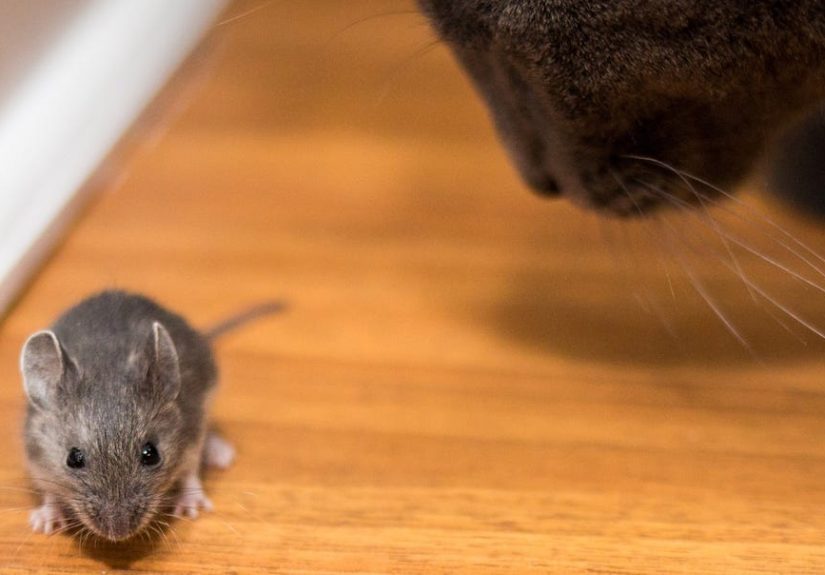
Some cats are excellent mousers. Some are decorative throw pillows with opinions. Even a talented cat does not seal holes, clean droppings, or eliminate a whole infestation. Consider feline assistance a bonus, not a strategy.
Ignoring the First Signs
This is perhaps the most common mistake. People see a few droppings, hear one strange noise, or notice a chewed granola bar and decide to deal with it “later.” Mice love later.
When to Call a Pest Professional
DIY methods can work very well for a small mouse problem. But it is time to call in a professional if:
- You keep catching mice but activity never really stops.
- You hear movement in multiple walls, ceilings, or inaccessible areas.
- You suspect a large infestation in the attic, basement, crawl space, or garage.
- You cannot find the entry points.
- You have children, pets, health concerns, or a cleanup situation that feels beyond a normal household job.
A good pest professional should focus on inspection and exclusion, not just dropping bait and vanishing into the sunset.
How Long Does It Take to Get Rid of Mice?
That depends on how established the infestation is and whether you have sealed the entry points. Some homeowners see major improvement in a few days after setting multiple traps and cleaning up attractants. Others need a few weeks of steady effort, especially if mice have been nesting in hidden parts of the home.
The key is consistency. One big cleanup day followed by a return to crumb confetti and open pet-food bags is not a plan. It is an intermission.
A Simple Room-by-Room Mouse Prevention Checklist
Kitchen
- Store pantry items in hard containers.
- Wipe counters and vacuum crumbs regularly.
- Pull out the stove and refrigerator for occasional deep cleaning.
- Check under the sink for pipe gaps and leaks.
Garage and Basement
- Use plastic bins instead of cardboard.
- Keep clutter off the floor when possible.
- Seal cracks near the foundation and utility lines.
- Do not store pet food or birdseed in easy-to-chew packaging.
Bedrooms and Living Spaces
- Check closets, baseboards, and vents for droppings or gnaw marks.
- Avoid forgotten snack stashes.
- Listen for nighttime scratching in walls or ceilings.
Outside the House
- Trim shrubs and branches away from the structure.
- Move firewood and dense storage away from the foundation.
- Repair vents, screens, and weather stripping.
- Keep trash tightly closed.
Common Homeowner Experiences With Mice, and What They Teach You
One of the most frustrating things about a mouse problem is how ordinary it starts. Many homeowners first notice something small: a couple of droppings behind the toaster, a torn bag of dog treats in the mudroom, or a noise so faint they convince themselves it was probably the house “settling.” Then a few days later, there is a bigger clue, like a loaf of bread with a chew hole or a scampering blur under the stove that sends everyone into an instant Olympic-level leap.
A very common experience happens in the kitchen. People clean the counters and take out the trash, but forget about the hidden buffet behind the appliances. Crumbs, grease, fallen cereal, and pet kibble under the stove or refrigerator can keep mice happily employed for weeks. Homeowners are often shocked by how much evidence turns up once those appliances are pulled out. In many cases, the turning point is not a fancy product. It is a flashlight, a vacuum, and a willingness to inspect the places nobody wants to inspect.
Another classic scenario starts in the garage or basement. Holiday decorations, moving boxes, paper bags, and old blankets create a cozy little mouse condo complex. A person goes looking for a Halloween bin and discovers shredded paper, droppings, and a nest the size of a softball. That moment tends to produce two emotions at once: horror and motivation. The lesson here is simple: storage matters. Plastic bins with tight lids are boring, yes, but they are also gloriously unwelcoming to rodents.
Then there is the pet-food problem. Plenty of homeowners are diligent about their own pantry but accidentally run an all-night diner for mice with an open kibble bag in the laundry room or a full dog bowl left out after bedtime. Pest professionals hear this story constantly because mice are opportunists. They do not care whether the snack is artisan granola or generic cat food. Free calories are free calories.
Some people experience the emotional roller coaster of catching one mouse and assuming victory, only to spot another a few nights later. That does not necessarily mean the traps failed. It usually means the overall plan was incomplete. Trapping removes the mice you have. Exclusion stops the mice you do not want next. Until both happen, the house remains on the menu.
There are also households that learn the hard way that shortcuts are expensive. Someone buys an ultrasonic repeller, sprays peppermint everywhere, and declares the issue handled. Meanwhile, the mice continue operating behind the dishwasher like nothing happened. The scent is festive, but the rodents remain deeply unimpressed. Experts keep repeating the same advice for a reason: the unglamorous steps work best.
Finally, many homeowners describe the sense of relief that comes once they stop guessing and start using a clear system. They seal the utility gaps. They add a door sweep. They store the cereal in containers. They set multiple traps in the right places. They clean safely. And within days or weeks, the noises fade, the droppings stop appearing, and the household can once again walk into the kitchen at night without feeling like a tiny burglar might sprint across the floor.
That is really the biggest takeaway from real mouse experiences: success is rarely about one miracle product. It is about stacking the boring, proven steps until your house becomes too difficult, too tidy, and too inconvenient for mice to enjoy.
Final Thoughts
If you want to know how to get rid of mice in your house according to pest experts, the answer is refreshingly practical. Seal the openings. Remove food and nesting opportunities. Trap the mice that are already inside. Clean up safely. Repeat until the evidence is gone, then keep up the prevention work so they do not come back with relatives.
In other words, do not try to out-charisma a mouse. Out-plan it. That is what works.