Table of Contents >> Show >> Hide
- What Is an Employment Background Check?
- Common Things That Show up in a Job Background Check
- 1. Identity Verification
- 2. Criminal Background Check
- 3. Employment History Verification
- 4. Education Verification
- 5. Professional Licenses and Certifications
- 6. Driving Records
- 7. Credit History, Where Legally Allowed
- 8. Reference Checks
- 9. Drug Testing and Health-Related Screening
- 10. Employment Eligibility Verification
- What Usually Does Not Show up in a Job Background Check?
- How Far Back Does a Background Check Go?
- Can an Employer Reject You Because of a Background Check?
- Why Background Check Results Vary by Job
- How to Prepare for a Job Background Check
- Common Background Check Myths
- Real-World Experiences: What Job Seekers Often Learn the Hard Way
- Conclusion
Getting a job offer feels fantasticuntil the words “pending background check” appear in the email and your brain suddenly starts replaying every parking ticket, typo on your résumé, and questionable hairstyle from your college ID. Relax. A job background check is not a magical crystal ball that reveals your entire life story, your browser history, or the fact that you once called in “sick” and then posted beach photos. In most cases, it is a structured employment screening process designed to verify identity, qualifications, work history, and job-related risk.
So, what shows up in a background check for a job? The answer depends on the employer, the role, the industry, state laws, and whether the company uses a third-party background reporting agency. A warehouse role, a bank position, a delivery job, and a school job may all involve different checks. This guide breaks down what employers commonly see, what they usually do not see, and how job seekers can prepare without panicking into a spreadsheet at 2 a.m.
What Is an Employment Background Check?
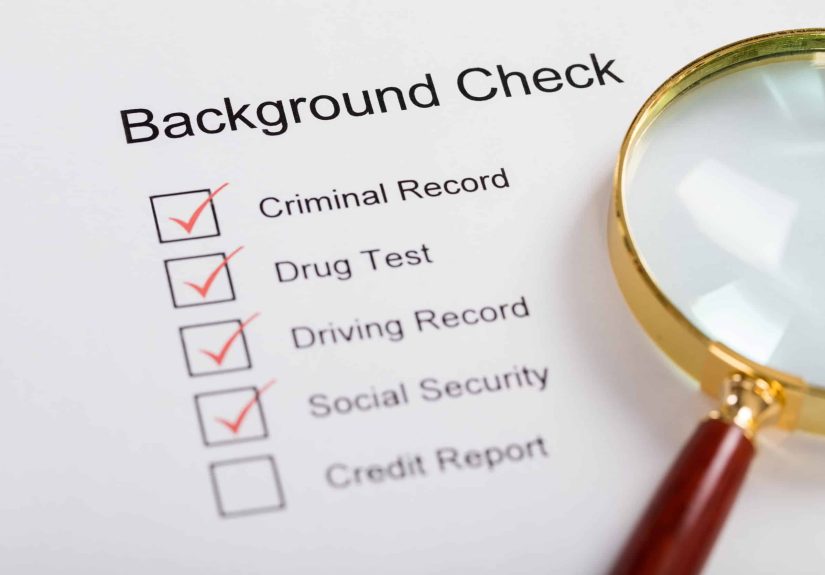
An employment background check is a pre-employment screening process used by employers to confirm information about a candidate. It may include criminal record searches, identity verification, employment verification, education verification, driving records, professional licenses, credit history, drug testing, or references. Not every employer checks every category. A smart company chooses screenings that are relevant to the position.
For example, a role that involves driving a company vehicle may require a motor vehicle record check. A finance job may include a credit-related review where permitted by law. A healthcare role may require license verification and exclusion checks. A remote marketing job may focus mostly on identity, employment history, and education. In other words, the background check should fit the jobnot become a fishing expedition worthy of a detective drama.
Common Things That Show up in a Job Background Check
1. Identity Verification
Most employment background checks start by confirming that you are who you say you are. This may include your full legal name, date of birth, Social Security number trace, address history, and known aliases or previous names. Identity verification helps screening companies match records accurately and avoid confusing you with someone who has a similar name.
This does not mean an employer receives a dramatic biography of every apartment you have ever rented. Address history is typically used to guide county or state searches and confirm that the background report belongs to the correct person.
2. Criminal Background Check
A criminal background check is one of the most common parts of pre-employment screening. Depending on the search, it may show felony convictions, misdemeanor convictions, pending criminal cases, federal criminal records, county records, state records, national database hits, or sex offender registry information. The depth of the search varies by employer and job type.
Criminal records do not automatically mean a candidate cannot be hired. Employers are encouraged to consider whether the record is job-related, how much time has passed, and the nature of the position. For instance, a decades-old nonviolent offense may be treated differently from a recent conviction directly related to the job’s responsibilities. Many states and cities also have fair-chance or “ban-the-box” rules that delay when employers can ask about criminal history.
3. Employment History Verification
Employment verification checks whether the work history on your résumé or application is accurate. A background screening company may contact previous employers or use employment databases to confirm job titles, dates of employment, and sometimes eligibility for rehire. Some employers provide only basic dates and job titles, while others may share limited additional information according to company policy.
This is where résumé creativity can become a problem. Saying you were a “regional operations strategist” when your actual title was “assistant shift lead” may raise questions. A small title difference is not always fatal, but major exaggeration can make employers wonder what else might be decorated with glitter.
4. Education Verification
Education verification confirms schools attended, degrees earned, attendance dates, majors, certifications, or graduation status. Employers often use this when a degree is required for the role or when a candidate lists specific academic credentials.
If you completed coursework but did not graduate, say that clearly. “Completed 90 credits toward a B.S. in Accounting” is much safer than “B.S. in Accounting” if the degree was never awarded. Background checks are very good at finding diploma fiction, and unfortunately, “almost graduated” is not the same as “graduated,” even if your student loans strongly disagree.
5. Professional Licenses and Certifications
For regulated jobs, employers may verify professional licenses and certifications. This is common in healthcare, finance, law, education, insurance, transportation, real estate, security, and skilled trades. A license check may show whether a license is active, expired, suspended, restricted, or subject to disciplinary action.
Examples include nursing licenses, commercial driver’s licenses, CPA licenses, teaching credentials, insurance licenses, and trade certifications. If a role legally requires a credential, employers usually treat this section seriously because hiring someone without the proper license can create compliance problems.
6. Driving Records
A motor vehicle record check may show license status, license class, traffic violations, accidents, suspensions, revocations, DUI-related offenses, and other driving-related information. This type of check is especially common for delivery drivers, truck drivers, sales representatives, field technicians, rideshare-related roles, and anyone who may operate a company vehicle.
If the job involves driving, an employer is not being nosy by checking your record. They are trying to reduce safety risks, insurance issues, and liability. For a desk job, however, a driving record check is less common unless driving is part of the job description.
7. Credit History, Where Legally Allowed
Some employment background checks include a credit report or credit-related information, especially for roles involving money, financial decision-making, sensitive data, corporate cards, or access to valuable assets. However, employment credit checks are restricted in many states and cities, and employers generally need a permissible purpose.
An employment credit check is not usually the same as a lender’s credit score review. Employers typically do not see your credit score. They may see information such as payment history, accounts, collections, bankruptcies, or overall financial patterns, depending on the report and applicable law. If an employer takes negative action based on a consumer report, the candidate generally has rights under the Fair Credit Reporting Act.
8. Reference Checks
Reference checks may involve contacting people you list as professional references. Employers may ask about your work style, reliability, communication, teamwork, strengths, and areas for improvement. Unlike automated database searches, reference checks can be more personal and subjective.
Choose references who actually remember you, liked working with you, and can speak clearly about your performance. Your best friend who says “they’re awesome, trust me” is charming but not always useful. A former manager who can explain how you solved problems under pressure is much better.
9. Drug Testing and Health-Related Screening
Some jobs require drug testing or health-related screening, especially in safety-sensitive industries such as transportation, healthcare, manufacturing, construction, and government contracting. These checks are usually handled separately from the background report and must follow applicable federal, state, and local rules.
Employers should apply these policies consistently and lawfully. Candidates should read the instructions carefully, follow deadlines, and ask the employer or screening provider about the process if anything is unclear.
10. Employment Eligibility Verification
In the United States, employers must verify a new hire’s identity and authorization to work using Form I-9. Some employers also use E-Verify, a web-based system that compares information from Form I-9 with government records. This is not the same thing as a criminal background check, but it is often part of the onboarding process.
Every employee hired in the U.S. must complete Form I-9. Employers should not use employment eligibility verification to discriminate based on citizenship status, national origin, or how someone looks or sounds. The goal is legal work authorization, not amateur immigration detective work.
What Usually Does Not Show up in a Job Background Check?
A job background check is powerful, but it is not all-seeing. In many situations, sealed records, expunged records, certain juvenile records, and legally restricted information should not appear. Exact rules vary by state, record type, and the screening method used. Some background reports may also exclude older non-conviction records because federal and state reporting limits apply.
Background checks also typically do not include private text messages, personal emails, medical records, browsing history, private social media messages, or random gossip from your high school cafeteria. Employers may review public online activity separately in some cases, but that is different from a standard third-party background report.
How Far Back Does a Background Check Go?
There is no single answer for how far back an employment background check goes. Criminal conviction reporting, non-conviction records, credit-related information, bankruptcies, and employment history can all follow different rules. Federal law, state law, salary thresholds, industry regulations, and company policy may affect the lookback period.
Many employers review the past seven years for certain types of records, but that is not a universal rule. Some criminal convictions may be reportable beyond seven years under federal law, while some states impose stricter limits. Regulated roles, government jobs, financial positions, and jobs involving vulnerable populations may involve deeper screening. The safest assumption is simple: answer applications honestly, read the disclosure forms carefully, and be prepared to explain any relevant issue calmly.
Can an Employer Reject You Because of a Background Check?
Yes, an employer may decide not to hire a candidate based on information in a background check, but the process must follow the law. If a third-party consumer reporting agency provides the report, the employer generally must get written permission before ordering it. If the employer may reject you because of the report, it typically must provide a pre-adverse action notice, a copy of the report, and a summary of your rights. This gives you a chance to review the information and dispute errors.
After a final decision, the employer generally must provide an adverse action notice if the decision was based on the background report. This process matters because background check reports can contain mistakes. Records may belong to someone with a similar name, old information may be reported incorrectly, or a case outcome may be missing. If something is wrong, dispute it promptly with the background screening company.
Why Background Check Results Vary by Job
Two candidates can apply to two different companies and experience completely different screenings. That is normal. A cashier, software engineer, school bus driver, bank teller, hospital employee, and senior accountant may be checked for different things because the risks and responsibilities are different.
For example, a delivery driver’s background check may emphasize driving records and license status. A financial analyst’s screening may include education, employment history, and possibly credit history where legally allowed. A childcare role may include criminal searches, sex offender registry checks, and other safety-related reviews. A software role may focus on identity, employment verification, education, and sometimes criminal history depending on access to sensitive systems.
How to Prepare for a Job Background Check
Review Your Résumé Before You Submit It
Make sure your job titles, dates, degrees, certifications, and employer names are accurate. You do not need to list every tiny detail, but what you do list should be truthful. If you worked through a staffing agency, include the agency name if that is who technically employed you.
Gather Documents Early
Keep copies of diplomas, transcripts, licenses, pay stubs, W-2 forms, offer letters, separation letters, and certification records. These can help if a previous employer is closed, slow to respond, or unable to verify your role.
Be Honest About Potential Issues
If you know something relevant may appear, prepare a short, factual explanation. Do not over-explain, blame everyone on Earth, or turn the conversation into a courtroom monologue. A good explanation acknowledges the issue, provides context, and focuses on what has changed since then.
Check Your Own Records
You may be able to review your credit reports, driving record, professional license status, and certain public records before applying. This helps you catch errors before an employer does. Think of it as proofreading your life paperwork before the hiring manager opens the file.
Respond Quickly to Screening Requests
Background checks often slow down because candidates miss emails, forget to upload documents, or enter inconsistent information. Use your legal name, double-check dates, and monitor your inbox. If a screening company asks for clarification, respond politely and quickly.
Common Background Check Myths
Myth 1: “Every Background Check Is the Same”
False. Background checks vary by employer, job, industry, state law, and screening package. One company may verify only identity and criminal history, while another may verify education, employment, licenses, driving records, and references.
Myth 2: “Employers Can See Everything”
False. Employers cannot legally access every private detail of your life. Reports are limited by law, data availability, consent requirements, and the type of check ordered.
Myth 3: “A Criminal Record Always Means No Job”
False. Many employers hire people with records, especially when the record is old, unrelated to the job, or followed by strong work history. Fair-chance hiring laws may also affect when and how criminal history is considered.
Myth 4: “Small Résumé Lies Do Not Matter”
Risky. A small mistake is one thing; a fake degree, invented job, or inflated title is another. Employers may view dishonesty as more concerning than the original gap or missing credential.
Real-World Experiences: What Job Seekers Often Learn the Hard Way
One of the most common experiences with employment background checks is surprisenot because something terrible appears, but because the process feels more detailed than expected. Many applicants assume the employer simply checks for criminal history. Then the screening company asks for past addresses, previous names, employer contact details, school information, and authorization forms. Suddenly, the candidate feels like they are applying for a job and joining a witness protection paperwork club at the same time.
A practical lesson from many job seekers is that accuracy beats perfection. For example, someone may list a previous job as ending in June when payroll records show July because final pay landed later. Usually, small date differences can be explained. But if someone claims three years of experience at a company and records show six months, that becomes harder to smooth over. The issue is not only the mismatch; it is the employer’s concern about trust.
Another common experience involves old employers that no longer exist, merged companies, or managers who moved on years ago. This can delay employment verification. Candidates can reduce stress by keeping old W-2s, tax records, offer letters, or pay stubs. These documents are not glamorous, but they are extremely useful. A folder labeled “career proof” may not sound exciting, but during a background check delay, it can feel like finding an umbrella during a thunderstorm.
Education verification creates similar surprises. Some applicants list a college program casually, forgetting that “attended” and “graduated” are not the same. Others completed a certificate but describe it as a degree. Employers may not care about every academic detail for every role, but they do care when a required credential is misstated. The best strategy is to write education information clearly: degree earned, institution, major, and graduation date if applicable. If the degree is unfinished, say so honestly.
Candidates with criminal records often report that the hardest part is not the record itself but the anxiety of waiting. A helpful approach is to prepare a concise explanation before the employer asks. The explanation should be factual, calm, and focused on rehabilitation, work history, training, references, or time passed. For example: “This happened several years ago, I completed all court requirements, and since then I have maintained steady employment and completed additional training.” That is stronger than a long emotional essay or a defensive speech.
Driving record checks can also surprise people. A candidate applying for a sales or delivery job may forget about old tickets or a temporary license suspension. If driving is essential to the position, employers may take this seriously. Applicants should check their motor vehicle record when applying for driving-related roles and avoid guessing. Guessing is for jellybean contests, not official hiring paperwork.
Credit checks, where allowed, can feel especially personal. Many candidates worry that debt automatically disqualifies them. In reality, employers that use credit information usually focus on job relevance, such as financial responsibility for roles handling money or sensitive accounts. Still, candidates should review their credit reports for errors and be ready to explain unusual circumstances such as medical bills, identity theft, or temporary hardship.
The biggest lesson is simple: a background check is not just a test of your past; it is also a test of consistency. Employers compare what you wrote, what records show, and how you respond to questions. Honest, organized candidates usually handle the process better than candidates who panic, hide information, or improvise details. Be accurate, keep documents ready, answer quickly, and remember that most background checks are routine. The process may feel intimidating, but for many applicants, it is just the final checkpoint between “great interview” and “welcome aboard.”
Conclusion
So, what shows up in a background check for a job? Usually, the report may include identity details, criminal history, employment verification, education verification, licenses, driving records, credit history where legally allowed, references, drug testing results, or employment eligibility verification. The exact contents depend on the employer, job duties, industry rules, and state or local laws.
The best preparation is not panicit is accuracy. Tell the truth on your résumé, keep documents organized, understand your rights, and respond quickly if the screening company needs more information. A background check is not designed to embarrass you; it is designed to help employers make informed hiring decisions. And if the report contains an error, you generally have the right to dispute it. In the job search universe, that is good news: your past may be checked, but your future is still very much under construction.