Table of Contents >> Show >> Hide
- 1. The Cozy Attic Reading Retreat
- 2. The Hidden Home Office Above the Noise
- 3. The Dreamy Attic Guest Bedroom
- 4. The Kids’ Adventure Loft
- 5. The Attic Art Studio
- 6. The Calm Attic Yoga and Meditation Room
- 7. The Built-In Attic Library
- 8. The Attic Dressing Room
- 9. The Petite Attic Bathroom
- 10. The Movie Night Hideaway
- 11. The Attic Music Room
- 12. The Secret Attic Lounge
- 13. The Organized Storage Room That Actually Looks Good
- Essential Planning Tips Before You Remodel an Attic
- of Real-Life Experience: What Attic Spaces Teach You
- Conclusion
Most attics begin life as the home’s mystery zone: a dusty triangle full of holiday decorations, old paint cans, forgotten suitcases, and at least one box labeled “miscellaneous” with the confidence of a tiny tax audit. But with smart planning, that awkward top-floor space can become one of the most charming, useful, and personality-packed rooms in the house.
The best attic spaces do not try to pretend they are regular rooms. They embrace sloped ceilings, dormer windows, exposed beams, odd corners, and cozy proportions. Instead of fighting the architecture, they turn every angle into a feature. Whether you dream of a quiet reading nook, a guest suite, a mini art studio, or a kids’ hideaway that feels like a storybook secret, an attic can deliver a surprising amount of magic.
Before grabbing a paint roller and declaring yourself the mayor of Attic Town, remember that finished attic spaces require practical thinking. Safe stairs, proper insulation, air sealing, ventilation, electrical work, structural support, natural light, and local building codes matter. A beautiful attic should also be comfortable, efficient, and safe enough to enjoy without sweating like a grilled cheese in July.
Ready to look upward? Here are 13 unexpected attic spaces you’ll adore, plus real-life design advice to help turn neglected square footage into a room worth bragging about.
1. The Cozy Attic Reading Retreat
An attic reading nook is the design equivalent of a warm cup of tea. It does not need much space to feel wonderful. A low-profile armchair, a built-in bench, a soft throw, and a wall-mounted reading lamp can transform a narrow dormer or sloped corner into a peaceful escape.
Why It Works
Attics naturally feel tucked away from the rest of the house, which makes them ideal for quiet activities. The slanted ceiling creates a cocoon effect, while a skylight or dormer window adds soft natural light. If the ceiling is too low for standing comfortably, use that zone for seating or storage instead of forcing it to behave like a hallway.
For a polished look, add built-in shelves along the short wall. Paint the shelves the same color as the wall to make the space feel intentional rather than improvised. Then add a small side table for books, glasses, and the snack you said you were not going to bring upstairs.
2. The Hidden Home Office Above the Noise
If your kitchen table has become your office, cafeteria, homework center, and occasional laundry landing pad, an attic home office may be your ticket to sanity. A compact desk placed under a window can turn unused attic space into a productive work zone.
Design Tips for Focus
Choose a desk that fits the tallest part of the room so you can sit comfortably. Keep bulky cabinets low along the eaves and use vertical wall space only where the ceiling allows it. Good lighting is essential, especially if the attic has limited windows. Combine daylight, a desk lamp, and overhead lighting to avoid the “I work in a cave” effect.
Sound can also matter. Rugs, upholstered chairs, curtains, and fabric pinboards help soften echo. Add hidden cable management, reliable Wi-Fi, and proper ventilation so the office feels professional, not like a laptop was abandoned in storage.
3. The Dreamy Attic Guest Bedroom
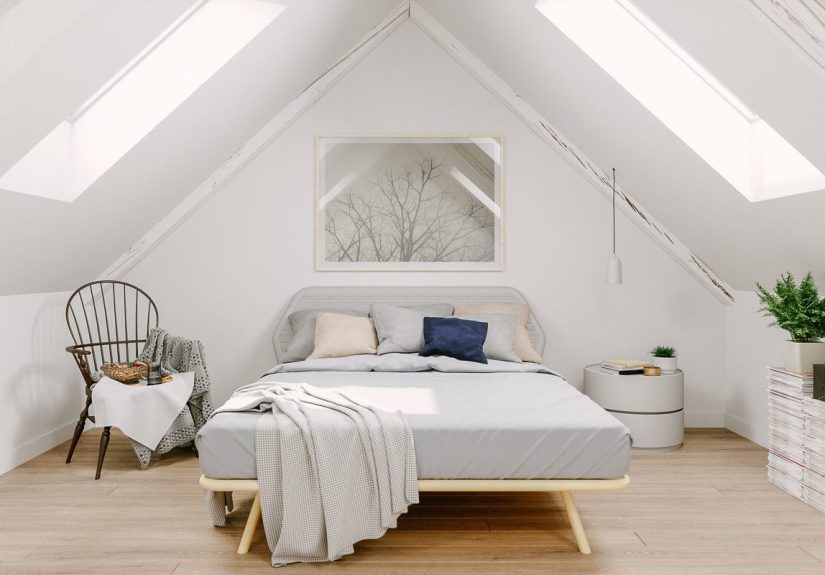
An attic guest bedroom can feel like a boutique inn suite when designed correctly. The trick is to place the bed where headroom is most comfortable and use lower ceiling zones for nightstands, trunks, benches, or storage drawers.
Make Guests Feel Welcome
Use light wall colors to bounce natural light around the room. White, cream, pale gray, soft blue, and warm beige can make a small attic bedroom feel open and restful. If you love pattern, try wallpaper on one sloped wall or behind the bed. It adds personality without overwhelming the room.
Two twin beds can work better than one large bed in some attic layouts, especially when placed under matching roof slopes. Add wall sconces instead of table lamps to save surface space. A luggage rack, blackout shades, and a small mirror make the room feel thoughtful and complete.
4. The Kids’ Adventure Loft
Children understand attics better than adults do. To them, a sloped ceiling is not awkward; it is a fort, spaceship, castle, pirate cabin, or top-secret headquarters. An attic playroom turns architectural quirks into imagination fuel.
Safety Comes First
Soft flooring, secure railings, safe stairs, proper lighting, and child-friendly storage are non-negotiable. Keep furniture low and stable. Avoid heavy pieces in areas where kids may bump their heads or climb creatively, because children are basically tiny engineers with questionable permits.
Use washable rugs, floor cushions, bins, and built-in cubbies. Create zones for reading, crafts, toys, and quiet play. If the attic is shared by siblings, define spaces with color or shelving instead of bulky partitions. The result can be organized enough for parents and magical enough for kids.
5. The Attic Art Studio
Artists, crafters, and hobby lovers often need two things: good light and permission to make a mess. An attic studio offers both, especially if it has skylights or dormer windows.
Set Up for Creativity
Place the worktable near natural light, then add task lighting for cloudy days and evening projects. Choose durable flooring that can handle paint, glue, thread, clay, or whatever your creative personality throws at it. Sealed wood, vinyl plank, or a large washable rug can make cleanup easier.
Use the low eaves for labeled drawers, flat files, rolling carts, or custom cabinets. A pegboard wall can hold tools without eating floor space. Keep frequently used supplies within arm’s reach and seasonal materials tucked into deeper storage. The goal is a studio that inspires you without requiring a search party every time you need scissors.
6. The Calm Attic Yoga and Meditation Room
An attic can become a peaceful wellness retreat with surprisingly few elements. A yoga mat, soft lighting, clean flooring, plants that tolerate the available light, and simple storage can create a restorative space above the household rush.
Keep It Minimal
This type of attic space benefits from restraint. Avoid overfilling the room. Let the ceiling shape, natural light, and quiet location do most of the work. Use calming colors, breathable textiles, and low furniture. If the attic gets hot or cold, prioritize insulation, air sealing, and climate control before decorating.
A small speaker, basket of blankets, essential storage bench, and dimmable light can make the space flexible for stretching, journaling, prayer, meditation, or simply hiding from the dishwasher that needs unloading.
7. The Built-In Attic Library
Few things look more charming than bookshelves tucked beneath a slanted roofline. An attic library makes excellent use of short walls and odd corners because books do not need full standing height. They are very cooperative tenants.
Use Every Angle
Custom shelves are ideal, but modular bookcases can work if you measure carefully. Paint shelving, trim, and walls in the same color for a wrapped, cozy look. Add a rolling ladder only if ceiling height and safety allow it; otherwise, a simple step stool is more practical.
Include comfortable seating, layered lighting, and a small table. If the attic floor has weight limitations, consult a professional before loading it with hundreds of books. A personal library is delightful; a surprise book avalanche into the room below is less delightful.
8. The Attic Dressing Room
If your main bedroom closet is losing a wrestling match with your clothes, an attic dressing room can be a stylish solution. Sloped ceilings are perfect for low drawers, shoe cubbies, folded sweaters, and accessory storage.
Smart Storage Ideas
Install hanging rods where height allows, and use shorter sections for shirts, jackets, or children’s clothing. Place drawers and open shelves beneath lower slopes. Add a mirror near the tallest wall and choose flattering lighting so the room feels like a boutique, not a backstage costume closet after opening night.
Good ventilation matters because clothing storage needs dry, stable conditions. Avoid storing delicate fabrics in areas with moisture issues or extreme temperatures. Once the attic is properly finished, a dressing room can free up bedroom space and make everyday routines feel more organized.
9. The Petite Attic Bathroom
An attic bathroom is not always simple, but when it works, it can make a converted attic far more functional. A small powder room, compact shower, or ensuite bath can support a guest bedroom, office suite, or studio.
Plan Around Plumbing and Headroom
Bathrooms need careful planning because plumbing, ventilation, waterproofing, and ceiling height all matter. Tuck a toilet or storage under a slope only if there is comfortable clearance. A vanity can often fit beneath a lower ceiling, especially if you use wall sconces and a smaller mirror.
Light colors, frameless glass, pocket doors, and slim fixtures can help a tiny attic bathroom feel larger. Always involve licensed professionals for plumbing and electrical work. Attic bathrooms are adorable, but leaks from the top floor are nobody’s favorite plot twist.
10. The Movie Night Hideaway
An attic media room can feel wonderfully snug. Since attics often have fewer windows than main-floor rooms, they can be easier to darken for movie nights. Add a low sofa, floor cushions, a projector or wall-mounted screen, and soft lighting for a cozy entertainment escape.
Comfort Details Matter
Use rugs, acoustic panels, curtains, and upholstered furniture to improve sound. Keep electronics well ventilated and avoid blocking airflow. Built-in storage can hide games, controllers, blankets, and snacks. Yes, snacks deserve architectural consideration.
Because media rooms often draw multiple people, confirm that access, floor support, electrical capacity, and cooling are appropriate. Once those basics are handled, the attic can become the most popular room in the house.
11. The Attic Music Room
For musicians, an attic can become a practice room, songwriting corner, or listening lounge. The separation from the main floor is helpful, and the unusual angles can give the room character.
Think About Sound
Soundproofing and acoustic treatment are different things. Soft materials inside the room improve the way music sounds, while soundproofing helps reduce noise transfer. Rugs, curtains, padded seating, and acoustic panels can make the space more pleasant. For drums, amplifiers, or serious recording, speak with a specialist before assuming the attic is ready for a private concert hall.
Keep instruments away from moisture, direct harsh sunlight, and extreme temperature swings. A stable, comfortable attic protects both the musician and the gear. Even a small corner with a chair, guitar stand, and lamp can become a beloved creative space.
12. The Secret Attic Lounge
Sometimes the best attic idea is simply a lounge with no complicated job description. Think low seating, layered rugs, a small coffee table, warm lighting, art, and a few plants. It can be a place to chat, nap, read, or enjoy a rare moment when nobody asks where the tape is.
Create Atmosphere
Lean into the attic’s natural coziness. Exposed beams, painted paneling, shiplap, wallpapered slopes, and warm wood accents can all add personality. A moody color can work beautifully if there is enough lighting. For smaller attics, a light color palette can help the room feel airy.
Choose furniture that is easy to carry upstairs and sized for the ceiling height. Modular pieces, armless chairs, poufs, and floor cushions are often easier than oversized sofas. Your back will thank you before the second stair landing.
13. The Organized Storage Room That Actually Looks Good
Not every attic needs to become a bedroom or office. Sometimes the most lovable attic is one that stores things beautifully. A finished storage attic can protect belongings, reduce clutter, and make seasonal decorating less like opening a cardboard jungle.
Upgrade the Practical Stuff
Use labeled bins, sturdy shelves, sealed containers, and clear walkways. Store items by category: holiday decor, luggage, keepsakes, sports gear, and household supplies. Avoid blocking vents or access panels. Keep heavy items low and easy to reach.
If the attic is not climate-controlled, be selective about what you store there. Photographs, candles, delicate fabrics, electronics, and important documents may not enjoy temperature swings. A good attic storage system should feel calm, clean, and easy to navigate. Bonus points if you can find the holiday lights without muttering ancient words under your breath.
Essential Planning Tips Before You Remodel an Attic
Beautiful attic spaces begin with boring-but-important decisions. Before choosing wallpaper or ordering a velvet chair, evaluate whether the attic can safely become living space. Local codes may address minimum ceiling height, emergency escape, stair dimensions, insulation, structural loads, electrical systems, smoke alarms, and ventilation.
Insulation and air sealing are especially important because attics sit directly under the roof. Without proper thermal control, a charming attic can become freezing in winter and sizzling in summer. Air sealing helps reduce drafts and energy waste, while insulation helps resist heat flow. Ventilation also helps manage moisture and roof performance.
Natural light can completely change the mood of an attic. Dormer windows, skylights, light tubes, and pale paint colors can brighten tight spaces. If adding windows or skylights affects the roof structure, hire qualified professionals. The goal is sunshine, not surprise roofing drama.
Finally, design around the room you actually have. Sloped ceilings are not flaws. They are invitations to use low furniture, built-ins, benches, drawers, shelves, and cozy seating. The more your design respects the attic’s shape, the more finished and charming the final space will feel.
of Real-Life Experience: What Attic Spaces Teach You
The first thing an attic teaches you is humility. On paper, the space looks simple: empty floor, roof overhead, a few beams, maybe a window. Then you stand up too quickly under a slope and realize the attic has opinions. Strong opinions. Successful attic design begins when you stop asking, “How do I make this room normal?” and start asking, “What does this room naturally want to become?”
In many homes, the answer is not one grand room but several small moments. A dormer becomes a desk nook. A knee wall becomes hidden storage. A low corner becomes a reading bench. A sunny patch beneath a skylight becomes the perfect place for plants, sketching, or morning coffee. The charm of an attic comes from these little discoveries. It rewards patience more than brute force.
One of the most useful experiences with attic projects is learning to measure everything twice and imagine movement, not just furniture. A bed may technically fit, but can someone walk around it without performing a sideways shuffle? A desk may slide under the slope, but will your head survive Monday morning? A beautiful chair may look perfect online, but can it actually make it up the stairs? Attic design is part decorating, part geometry, and part furniture obstacle course.
Lighting is another lesson. Many attics start out dim, which can make them feel smaller than they are. Once you add layered lighting, the room suddenly wakes up. A skylight brings daytime sparkle. Wall sconces save space near beds or reading chairs. A warm floor lamp softens corners. Even LED strips under shelves can make built-ins feel custom and expensive. Good lighting is like giving the attic a personality upgrade without asking it to change its bone structure.
Storage also becomes more interesting in an attic. Standard furniture often wastes space because it ignores the slopes. Built-ins, rolling bins, low drawers, and custom cubbies can turn awkward edges into hardworking storage. The best attic storage does not shout, “I am storage!” It blends into the architecture and lets the room breathe.
Comfort is the final boss. People often focus on finishes first: paint, rugs, bedding, art. Those matter, but attic comfort depends on what happens behind the walls and above the ceiling. Insulation, air sealing, ventilation, and safe electrical work are not glamorous, but they decide whether the space is used daily or avoided like a haunted sauna. A finished attic should feel comfortable in more than one season.
The biggest surprise is emotional. Once finished, an attic often becomes the room people love most because it feels separate from everyday chaos. It is close to home but slightly removed from it. That distance makes it perfect for reading, working, creating, hosting guests, or simply sitting quietly. A well-designed attic does not just add square footage. It adds a new mood to the house.
Conclusion
Unexpected attic spaces prove that the best rooms are not always the biggest or most obvious. With thoughtful planning, a dusty top-floor zone can become a guest bedroom, office, playroom, library, bathroom, studio, lounge, or storage space that finally behaves itself. The secret is to respect the attic’s structure, solve comfort and safety first, then use design to highlight its charm.
Sloped ceilings, dormers, beams, and low walls are not design problems. They are the ingredients that make an attic memorable. Work with them, and your attic may become the room everyone wants to visiteven if they still refuse to carry the storage bins back downstairs.