Table of Contents >> Show >> Hide
- What Is Hydro Dipping Bottle Art?
- Why Hydro Dipping Works So Well on Bottles
- Materials You Need for Hydro Dipping Bottles
- How to Prepare a Bottle for Hydro Dipping
- Step-by-Step Guide to Hydro Dipping Bottle Art
- Best Color Combinations for Hydro Dipped Bottles
- Hydro Dipping Ideas for Different Bottle Styles
- Common Mistakes and How to Avoid Them
- Safety Tips for Hydro Dipping Bottle Art
- How to Make Hydro Dipped Bottles Last Longer
- Creative Ways to Personalize Hydro Dipped Bottle Art
- Real Experiences and Practical Lessons From Hydro Dipping Bottle Art
- Conclusion
Hydro dipping bottle art is what happens when a plain bottle meets a bowl of swirling color and suddenly decides it has main-character energy. One minute you have an empty glass bottle, a stainless steel water bottle, or a simple plastic craft blank. The next minute, it looks like a galaxy, marble countertop, tie-dye hoodie, ocean wave, or abstract painting escaped from a museum and wrapped itself around your project.
Also known as water transfer painting, hydrographics, or water marbling, hydro dipping is a creative surface-decorating method that uses floating paint or printed hydrographic film to transfer a design onto an object. For bottle art, it is especially satisfying because bottles already have a sculptural shape. Curves, shoulders, necks, and bases catch the color differently, creating a one-of-a-kind finish that looks far more complicated than it actually is.
The best part? Hydro dipping bottle art is beginner-friendly when you understand the basics: clean the bottle, apply a good base coat, float your paint or film on water, dip at the right angle, let it dry, and seal it properly. The not-so-best part? If you skip prep, your beautiful design may chip faster than your patience during a slow Wi-Fi day. This guide walks through the materials, methods, design ideas, safety tips, and real-world lessons that help turn a simple bottle into a display-worthy piece.
What Is Hydro Dipping Bottle Art?
Hydro dipping bottle art is the process of decorating bottles by dipping them through a layer of paint or hydrographic film floating on water. The color or pattern clings to the bottle surface, creating a custom design. Unlike brush painting, hydro dipping naturally creates fluid, unpredictable patterns. That means no two bottles come out exactly the same, even if you use the same colors and the same technique.
There are two common approaches. The first is spray paint hydro dipping, where spray paint is applied directly onto the surface of water. The paint floats, spreads, and forms colorful rings or swirls. The bottle is then dipped through the floating paint. The second is hydrographic film dipping, where a printed film is floated on water, activated, and transferred to the bottle. Film dipping gives more controlled patterns, such as carbon fiber, camouflage, florals, animal prints, or geometric graphics.
For DIY bottle art, spray paint dipping is usually the easiest entry point. It is affordable, playful, and perfect for decorative bottles, vases, upcycled wine bottles, and custom display pieces. Hydrographic film is better when you want a specific repeatable pattern or a more professional-looking finish.
Why Hydro Dipping Works So Well on Bottles
Bottles are ideal for hydro dipping because they are small enough to handle, large enough to show off a pattern, and available in many materials. Glass bottles become elegant vases or candle holders. Stainless steel water bottles become personalized drinkware. Plastic bottles or craft blanks become colorful decor pieces. Even old jars can be turned into pencil holders, planters, or party centerpieces.
The cylindrical shape helps the design wrap around the surface in a dramatic way. A flat object may show a pattern clearly, but a bottle lets the design travel. Swirls can spiral around the neck. Metallic paint can stretch across the shoulders. A dark base coat can make neon colors look electric. A white base coat can make pastels soft and cloudy. In other words, the bottle is not just the canvas; it is part of the design.
Materials You Need for Hydro Dipping Bottles
Basic Supplies
To create hydro dipping bottle art, gather your supplies before opening any paint. This is not the kind of project where you want to discover halfway through that your gloves are missing and your bottle is slowly becoming modern art in the worst possible way.
- Clean glass, plastic, or stainless steel bottle
- Plastic tub or container deep enough for dipping
- Warm water
- Spray paint or hydrographic film
- Primer or base coat paint
- Painter’s tape
- Disposable gloves
- Respirator or appropriate mask for spray paint
- Protective eyewear
- Drop cloth, cardboard, or newspaper
- Clear protective sealer
- Fine-grit sandpaper or sanding sponge
- Isopropyl alcohol or mild cleaner
Choosing the Right Bottle
Glass bottles are beautiful for decor because they feel polished and display-worthy. Wine bottles, soda bottles, and simple glass vases all work well. Stainless steel bottles are great for custom drinkware, but they require careful sanding, cleaning, and sealing. Plastic bottles can work, but slick plastic may need a compatible primer so the paint has something to grab.
If the bottle will only sit on a shelf, you have more flexibility. If it will be handled, washed, or used daily, durability becomes much more important. For drink bottles, avoid painting areas that touch the mouth. Keep designs on the exterior body, and always follow product labels for food-contact safety.
How to Prepare a Bottle for Hydro Dipping
Preparation is the difference between a bottle that looks custom and a bottle that looks like it lost a fight with a paint aisle. Start by removing labels, stickers, adhesive residue, dust, and oils. Wash the bottle with soap and water, dry it completely, and wipe it with isopropyl alcohol if the material allows.
For stainless steel or glossy plastic, lightly sand the surface with fine-grit sandpaper. You are not trying to destroy the bottle. You are simply giving the primer a slightly textured surface to hold onto. After sanding, wipe away every bit of dust. Dust under paint is like glitter at a birthday party: once it is there, it becomes everyone’s problem.
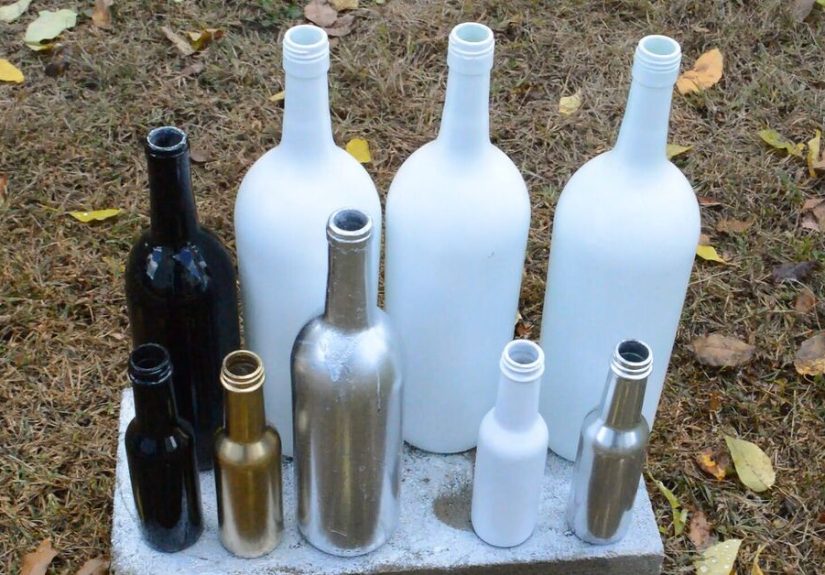
Next, tape off any areas you do not want painted. This may include the rim, threaded lid area, bottom branding, or interior opening. Apply a primer or base coat. White is the most popular base for bright colors because it makes the dipped design pop. Black creates a moody, dramatic look. Metallic base coats can add depth, especially under blues, purples, greens, or galaxy-style designs.
Step-by-Step Guide to Hydro Dipping Bottle Art
Step 1: Set Up a Safe Workspace
Hydro dipping with spray paint should be done outdoors or in a very well-ventilated area. Spray paint fumes are not something to casually invite into your lungs. Wear gloves, eye protection, and a respirator or mask rated for paint fumes. Keep the project away from flames, sparks, pets, and anything you do not want accidentally decorated.
Step 2: Fill the Container With Water
Choose a container large enough for the bottle to go in at an angle without hitting the sides. Fill it with warm water, leaving enough room so the water does not overflow when the bottle is dipped. Warm water helps paint or film behave more smoothly, especially when using hydrographic film.
Step 3: Add Paint or Film
For spray paint hydro dipping, shake the cans well and spray short bursts onto the water surface. Layer two to four colors for a balanced design. Too many colors can turn muddy, especially if you swirl aggressively. For hydrographic film, cut a piece larger than the bottle area you want to cover, place it carefully on the water, allow it to hydrate, then apply activator according to the film instructions.
Step 4: Create the Pattern
With spray paint, you can leave the rings as they are or lightly swirl them with a skewer or craft stick. Gentle movement creates marble effects. More movement creates tie-dye or storm-cloud patterns. The key is not to overmix. Once the colors blend into one sad puddle, there is no polite way to un-blend them.
Step 5: Dip the Bottle
Hold the bottle at a slight angle and slowly lower it through the paint or film. A steady dip helps reduce air bubbles and uneven patches. Rotate only if your design calls for it; otherwise, let the pattern wrap naturally. Once submerged, move away the remaining paint on the water surface before pulling the bottle back out. This prevents extra paint from clinging to the design on the way up.
Step 6: Dry the Bottle
Place the dipped bottle on a protected surface and let it dry without touching the design. Drying time depends on the paint, humidity, temperature, and bottle material. Do not rush this step. A design can feel dry on the surface while still being soft underneath.
Step 7: Seal the Artwork
Once the bottle is fully dry, apply a clear sealer. For decorative bottles, a clear acrylic spray sealer may be enough. For bottles that will be handled often, use a more durable clear coat compatible with your paint. Some craft sealers require multiple coats and long cure times before washing. Always read the label because “dry” and “fully cured” are not the same thing.
Best Color Combinations for Hydro Dipped Bottles
Color choice can make hydro dipping bottle art look elegant, bold, playful, or chaotic in a fun way. White, gold, and blush create a soft boutique look. Black, silver, and emerald feel modern and upscale. Navy, teal, and white create an ocean-inspired bottle. Purple, blue, black, and silver are perfect for galaxy designs. Red, orange, and yellow create a fiery sunset effect.
For beginners, start with three colors: one light, one medium, and one dark. This creates contrast without overwhelming the surface. If you want a marble look, use white as the base color and dip with gray, black, gold, or soft blue. If you want a bold street-art style, use a black base and dip with neon colors.
Hydro Dipping Ideas for Different Bottle Styles
Glass Bottle Vases
Upcycled glass bottles make beautiful vases after hydro dipping. Try soft neutrals for wedding centerpieces, ocean blues for coastal decor, or jewel tones for holiday displays. Add dried flowers, eucalyptus stems, or fairy lights for a finished look.
Reusable Water Bottles
Hydro dipped water bottles are practical and personal. Use school colors, team-inspired palettes, galaxy patterns, or minimalist black-and-white marble. For daily-use bottles, durability is essential, so prep and sealing matter more than speed.
Decorative Wine Bottles
Wine bottles are excellent for hydro dipping because their long necks and curved shoulders create interesting pattern movement. Remove the label, prime the glass, dip, seal, and use the finished piece as shelf decor, a candle holder, or a handmade gift.
Mini Bottles and Jars
Small bottles are perfect for testing color combinations. They are also great for party favors, desk accessories, or small planters. Because they are easier to dip, they help beginners practice before moving on to larger bottles.
Common Mistakes and How to Avoid Them
Skipping Surface Prep
If paint peels or chips quickly, poor prep is often the reason. Clean, dry, sand when needed, and prime the surface. A beautiful dip over a dirty bottle is like putting a designer jacket over pajamas. It may look good for a second, but the truth will reveal itself.
Using Too Much Paint
More paint does not always mean a better design. Thick paint can clump, wrinkle, or create heavy blobs. Start with light layers and add color gradually.
Dipping Too Fast
A fast dip can trap air and distort the pattern. Move slowly and smoothly. Think graceful swan, not panicked raccoon.
Pulling the Bottle Through Leftover Paint
After the bottle is underwater, clear away leftover paint on the surface before lifting it back out. Otherwise, loose paint can smear across your finished design.
Sealing Too Soon
If you seal before the paint is fully dry, the finish may wrinkle, cloud, or stay tacky. Patience is part of the project. Unfortunately, patience is not sold in spray cans.
Safety Tips for Hydro Dipping Bottle Art
Hydro dipping is fun, but spray paint and activators require care. Work outside whenever possible. Wear gloves and eye protection. Use a respirator or appropriate mask when spraying. Keep children, pets, and food away from the workspace. Never spray near open flames or high heat. Dispose of paint water responsibly according to local rules and product labels.
If you are decorating a bottle intended for drinks, do not paint the mouthpiece, lid threads, straw, or any surface that touches beverages. Many paints and sealers are meant for decorative exterior surfaces, not direct food contact. When in doubt, keep the art on the outside and hand-wash gently.
How to Make Hydro Dipped Bottles Last Longer
Durability starts before the first dip. Use the right primer for the material. Let each coat dry properly. Avoid thick paint layers. Seal with a compatible topcoat. Allow the sealer to cure fully before handling or washing. For decorative bottles, a few coats of clear acrylic spray can protect the finish from dust and light handling. For reusable bottles, choose a stronger clear coat designed for frequent contact and moisture exposure.
Hand-washing is usually safer than dishwashing for DIY hydro dipped bottles unless every product used specifically says it is dishwasher safe after curing. Even then, top-rack washing is usually gentler. Avoid soaking the bottle for long periods. Treat the finished piece like handmade art, not like a kitchen spoon that can survive anything.
Creative Ways to Personalize Hydro Dipped Bottle Art
Hydro dipping is only the beginning. After the dipped layer dries, you can add vinyl decals, names, dates, monograms, stenciled shapes, metallic accents, or hand-painted details. A black-and-gold dipped bottle can become a New Year’s Eve centerpiece. A blue-and-white bottle can become coastal decor. A rainbow bottle can become a cheerful desk vase. A galaxy bottle can get tiny white stars added with a paint pen.
You can also combine finishes. Try matte sealer for a soft modern look, gloss sealer for high shine, or glitter clear coat for a playful sparkle. For a farmhouse style, dip in muted colors and wrap the neck with twine. For a modern style, use sharp color contrast and minimal decoration. For a boho style, use warm colors and add dried florals.
Real Experiences and Practical Lessons From Hydro Dipping Bottle Art
The first real lesson of hydro dipping bottle art is that the water surface has a personality. Some days, the paint spreads beautifully and makes you feel like a craft genius. Other days, it clumps in the corner like it has chosen early retirement. This is normal. Temperature, paint type, spray distance, humidity, and timing all affect the final result. The more bottles you dip, the more you learn to read the surface before committing the project.
One of the most useful experiences is testing colors on a small bottle or jar before using your favorite piece. Colors often look different on water than they do on the cap. Gold may look luxurious, or it may disappear into beige. Black may add drama, or it may take over the whole design like an overconfident movie villain. A quick test dip can save your best bottle from becoming “experimental decor,” which is a polite way of saying “hidden behind a plant.”
Another lesson is that white base coats are forgiving. If you are new to hydro dipping, start with a white bottle. Bright colors show up clearly, marbling looks crisp, and mistakes are easier to understand. Dark base coats are stunning, but they require stronger color contrast. Neon, metallic, or opaque paints usually perform better over black than soft pastels.
Handling the bottle is also a skill. Many beginners touch the wet design too soon or set the bottle down on the freshly dipped side. A simple trick is to tape or attach a temporary handle to the bottle opening or base, depending on the shape. This gives you better control during dipping and drying. For wine bottles, holding the neck often works well, especially if the neck is taped off. For water bottles, you may be able to hold the lid area if it is protected.
Drying space matters more than people expect. Before dipping, decide exactly where the bottle will go afterward. A clean cardboard box, drying rack, or protected table works well. Do not place a wet dipped bottle where dust, leaves, or curious fingers can reach it. Nothing tests emotional strength like seeing a perfect marble finish ruined by one mystery fuzz.
Sealing is where many projects either become long-lasting art or temporary heartbreak. A dipped bottle may look finished before it is protected, but paint alone is vulnerable to scratches. Clear coat adds shine, depth, and durability. Thin, even coats usually work better than one heavy coat. Heavy sealer can drip, cloud, or soften the design. Let each coat dry according to the product instructions, and allow the final finish to cure before regular use.
Another real-world tip: not every “mistake” is actually a mistake. Hydro dipping is unpredictable by nature. A stretched area may look like smoke. A gap may become the perfect place for a decal. A slightly uneven swirl may make the bottle feel handmade instead of factory-perfect. The charm of hydro dipping bottle art is that it looks alive. The goal is not machine precision; the goal is controlled surprise.
If you are making bottles as gifts, plan extra time. The dipping itself may take minutes, but cleaning, priming, drying, sealing, and curing can stretch the project across several days. Rushing leads to fingerprints, tacky finishes, and sad gift bags. Make more than one bottle if possible. That way, you can choose the best result and keep the “practice masterpiece” for yourself.
Finally, hydro dipping teaches creative confidence. You do not need to be a trained painter to make something beautiful. You need preparation, patience, safety, and a willingness to let the water do some of the work. Every dip is part craft, part science, and part “let’s see what happens.” That is exactly why hydro dipping bottle art is so addictive. It turns ordinary bottles into colorful experiments, and sometimes those experiments look like they belong in a boutique window.
Conclusion
Hydro dipping bottle art is an affordable, creative, and surprisingly impressive way to transform plain bottles into custom decor, personalized gifts, or statement drinkware. With the right prep, safe workspace, smart color choices, and a durable sealer, a simple bottle can become a marble vase, galaxy tumbler, coastal centerpiece, or bold abstract sculpture. The technique rewards patience but also leaves room for playful imperfection. In fact, the unpredictable swirls are the whole point.
Whether you are upcycling glass bottles, decorating stainless steel water bottles, or testing mini jars for your next craft project, hydro dipping offers endless design possibilities. Start simple, protect your workspace, let each layer dry, and do not panic if the first attempt looks a little dramatic. Sometimes the best bottle art begins with a swirl that refused to follow instructions.
Note: This article is written for web publication as original SEO content. Always follow the safety instructions on the specific paint, primer, activator, and sealer products you use.