Table of Contents >> Show >> Hide
- The Simple Rule: One Dryer Sheet for a Normal Load
- Dryer Sheet Guide by Load Size
- Why More Dryer Sheets Are Not Always Better
- How Dryer Sheets Actually Work
- When You Should Skip Dryer Sheets
- How to Tell If You Are Using Too Many Dryer Sheets
- Should You Use Dryer Sheets in Every Load?
- Dryer Sheets vs. Dryer Balls: Which Is Better?
- How to Use Dryer Sheets Correctly
- Specific Examples: How Many Sheets for Common Loads?
- Common Mistakes People Make with Dryer Sheets
- Experience-Based Tips: What Actually Works in Real Laundry Life
- Final Answer: How Many Dryer Sheets Should You Use?
Dryer sheets are one of those tiny laundry-room mysteries that seem simple until you are standing in front of the dryer holding a damp mountain of towels and wondering, “Is one sheet brave enough for this job?” Use too few, and your socks may cling to your shirts like needy koalas. Use too many, and you may end up with waxy residue, reduced towel absorbency, wasted money, and a dryer that gives you the mechanical equivalent of side-eye.
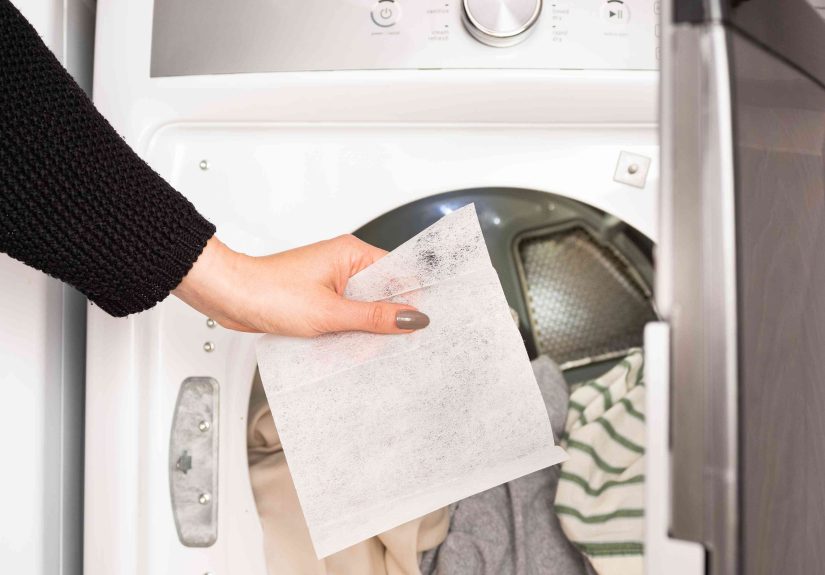
So, how many dryer sheets should you actually use per load? For most everyday laundry, one dryer sheet is enough. For a large or bulky load, two dryer sheets may help. Three sheets should usually be reserved for extra-large loads, oversized dryers, or specific product instructions. Anything beyond that is usually laundry theater: dramatic, fragrant, and unnecessary.
This guide breaks down the right number of dryer sheets by load size, fabric type, dryer performance, static level, and common laundry mistakes. We will also cover when not to use dryer sheets at all, because yes, your towels and gym clothes have opinions.
The Simple Rule: One Dryer Sheet for a Normal Load
The best answer for the average household load is wonderfully boring: use one dryer sheet. A typical load of T-shirts, underwear, socks, pajamas, cotton blends, and casual clothing usually does not need more than one sheet to reduce static, add softness, and leave a light scent.
Dryer sheets are heat-activated. As the dryer tumbles, the sheet releases softening agents that coat fabric fibers lightly. This coating helps reduce friction, which is one reason clothes feel softer and cling less when they come out of the dryer. But “lightly” is the key word. Dryer sheets are meant to help, not marinate your laundry like a fabric-softener casserole.
If your dryer is not overloaded and the clothes can tumble freely, one sheet can move through the load and do its job. When laundry is packed tightly, however, the sheet may get trapped in one corner, usually inside a fitted sheet where all laundry items go to question their life choices.
Dryer Sheet Guide by Load Size
Different brands may print slightly different instructions, so the product box should always be your first reference. Still, the following rule works well for most households:
Small Load: Use Half to One Dryer Sheet
For a small load, such as a few shirts, a couple of pajamas, or a light load of delicates that are dryer-safe, one dryer sheet is usually enough. Some people cut dryer sheets in half for small loads to save money and reduce residue. While manufacturers typically design sheets to be used whole, many households find that half a sheet works fine for very small loads.
If the clothes are lightweight and not prone to static, you may not need a dryer sheet at all. Static becomes worse when fabrics over-dry, especially synthetic materials like polyester. Reducing drying time can sometimes solve the problem without adding anything extra.
Medium Load: Use One Dryer Sheet
A medium load is the classic “normal laundry day” situation: shirts, socks, underwear, casual pants, sleepwear, and maybe a light towel or two. For this, one dryer sheet is the sweet spot. It provides softness and static control without overcoating your fabrics.
If clothes come out fresh, soft, and mostly static-free, adding another sheet will not make them magically cleaner. Dryer sheets do not wash clothes; they work during drying. Using more than needed simply increases fragrance, residue, and cost.
Large Load: Use One to Two Dryer Sheets
For a large load, such as a full dryer of family clothes, jeans, sweatshirts, or mixed cotton fabrics, you can use one or two dryer sheets. Start with one. If you consistently notice static cling, stiffness, or uneven scent, try two next time.
The important part is not just the number of sheets; it is whether the dryer has enough room to tumble. A large load that fills the drum completely may need better airflow more than it needs another dryer sheet. Clothes should be able to lift and fall inside the dryer. If they are rotating as one damp boulder, no dryer sheet can save the day.
Extra-Large or Bulky Load: Use Two, Maybe Three
For extra-large loads, comforters, blankets, heavy bedding, or oversized laundromat dryers, two dryer sheets may be useful. Three may be reasonable only if the product instructions recommend it or the load is truly oversized.
However, bulky bedding creates a special problem: dryer sheets can get trapped inside sheets, duvet covers, and blankets. If that happens, one corner may smell like a meadow after a perfume storm while the rest of the load gets no benefit. To prevent this, shake out bedding before drying and pause the cycle halfway through to untangle items.
Why More Dryer Sheets Are Not Always Better
It is tempting to think that if one dryer sheet is good, four must be luxurious. Unfortunately, laundry is not nachos. More toppings are not always an improvement.
Using too many dryer sheets can create several problems:
- Residue buildup: Dryer sheets leave a softening film on fabrics. Too much can make clothes feel coated instead of clean.
- Reduced absorbency: Towels, washcloths, and microfiber can become less absorbent when coated with softeners.
- Dryer sensor issues: Residue can collect on moisture sensors and affect automatic drying cycles.
- Lint screen film: Fabric softener residue may build up on the lint screen, reducing airflow.
- Skin irritation: Heavy fragrance or softener residue may bother sensitive skin.
- Wasted money: Using three sheets when one would work is like tipping your laundry for doing the bare minimum.
Dryer sheets are useful, but they are not a “more is more” product. Think of them like seasoning. A little makes the load better. Too much makes everyone regret dinner.
How Dryer Sheets Actually Work
Dryer sheets are usually made from a nonwoven fabric coated with softening ingredients, anti-static agents, and fragrance. During the drying cycle, heat and tumbling help transfer those ingredients from the sheet onto the laundry.
Static cling happens when fabrics rub together and exchange electrical charges. This is especially common in dry air and with synthetic fabrics. Dryer sheets help reduce static by coating fibers and lowering friction. They can also make clothes feel smoother and smell fresher.
But because dryer sheets work by leaving something behind, they are not ideal for every fabric. That soft coating can interfere with materials designed to absorb water, wick sweat, resist flames, or repel moisture.
When You Should Skip Dryer Sheets
Dryer sheets are handy for everyday cotton and polyester blends, but some laundry items are better off without them. Before tossing in a sheet, check the care label and consider the fabric’s purpose.
Do Not Use Dryer Sheets on Towels
Towels are supposed to absorb water. Dryer sheets can reduce that absorbency by coating towel fibers. At first, the towel may feel soft and smell lovely. Then you step out of the shower and realize it is spreading water around like a decorative napkin.
For towels, skip dryer sheets or use them only occasionally. To keep towels fluffy, avoid overloading the washer, use the right amount of detergent, and dry them thoroughly without over-drying.
Avoid Dryer Sheets on Microfiber
Microfiber cloths are designed to grab dust, absorb spills, and clean surfaces with tiny split fibers. Dryer sheet residue can reduce that grabbing power. If you use microfiber for cleaning, detailing, dusting, or drying, keep it away from fabric softener and dryer sheets.
Skip Them on Athletic and Moisture-Wicking Clothes
Workout clothes often use moisture-wicking technology to pull sweat away from the body. Dryer sheets can clog or coat those fibers, making athletic wear less breathable and less effective. If your gym shirt starts smelling weird even after washing, softener buildup may be part of the problem.
Do Not Use Dryer Sheets on Flame-Resistant Clothing
Children’s sleepwear, work uniforms, and flame-resistant garments may lose performance when coated with fabric softeners. Always follow the care label. If it says no fabric softener, that includes dryer sheets.
Be Careful with Water-Repellent Fabrics
Water-repellent jackets, outdoor gear, and certain performance fabrics should generally avoid dryer sheets. The coating can interfere with the fabric’s finish and reduce its ability to repel moisture.
How to Tell If You Are Using Too Many Dryer Sheets
Your laundry will usually give you clues. If clothes feel greasy, overly perfumed, stiff, or strangely coated, you may be using too many dryer sheets. If towels do not absorb well or microfiber cloths stop cleaning effectively, softener residue may be the culprit.
Your dryer may complain, too. Watch for longer drying times, automatic cycles ending too early or too late, lint screen film, or a musty smell caused by poor airflow. These problems are not always caused by dryer sheets, but heavy use can contribute.
A simple test for lint screen residue is to run water through the clean lint screen. If water pools instead of flowing through easily, residue may be blocking the mesh. Wash the screen gently with warm water, dish soap, and a soft brush, then dry it fully before reinstalling.
Should You Use Dryer Sheets in Every Load?
No, you do not need dryer sheets in every load. They are optional, not required. Laundry can dry perfectly well without them. Use dryer sheets when you want added softness, fragrance, or static control, especially with everyday clothing and bedding.
Skip them for towels, microfiber, athletic wear, baby sleepwear, flame-resistant clothing, and fabrics with special finishes. Also consider skipping dryer sheets if someone in your home has fragrance sensitivity, eczema-prone skin, or irritation from laundry products.
If static is your main issue, try lowering the dryer heat, shortening the cycle, removing clothes while they are slightly damp, or separating synthetic fabrics from cotton items. Over-drying is one of static cling’s best friends, and frankly, static has enough friends.
Dryer Sheets vs. Dryer Balls: Which Is Better?
Wool dryer balls are a popular alternative to dryer sheets. They help separate clothes as they tumble, which can improve airflow and may reduce drying time. They do not leave the same type of softener coating, making them a better choice for towels, microfiber, and people who prefer fragrance-free laundry.
Dryer sheets are better if you want a strong scent and more noticeable anti-static performance. Dryer balls are better if you want a reusable, lower-waste option that avoids residue. Many households use both depending on the load: dryer balls for towels and bedding, dryer sheets for everyday clothes.
If you love fragrance, choose lightly scented dryer sheets or scent boosters carefully. More fragrance is not the same as cleaner laundry. Clean clothes should smell fresh, not like they got into a wrestling match with a flower shop.
How to Use Dryer Sheets Correctly
Using dryer sheets properly is simple, but small details matter.
- Move clean, wet laundry from the washer to the dryer.
- Shake out large items so the sheet does not get trapped.
- Place the dryer sheet on top of the load.
- Start the dryer immediately so the sheet tumbles from the beginning.
- Use the correct heat setting for the fabric type.
- Remove and throw away the used dryer sheet after the cycle.
- Clean the lint trap after every load.
Do not reuse a spent dryer sheet expecting full performance. Used sheets may still be handy for dusting baseboards or wiping pet hair from surfaces, but their laundry power is mostly gone.
Specific Examples: How Many Sheets for Common Loads?
Everyday Clothes
Use one dryer sheet for a normal load of T-shirts, socks, underwear, pajamas, and casual clothing. Use two only if the load is large or static-prone.
Jeans and Heavy Cotton
Use one sheet for a medium load and two for a large load. Do not overload the dryer; jeans need room to tumble and dry evenly.
Sheets and Pillowcases
Use one sheet for a regular sheet set. Use two for a king-size set or bulky bedding, but pause the dryer halfway through to untangle the fabric.
Blankets and Comforters
Use two dryer sheets for large blankets if the care label allows. For comforters, dryer balls may work better because they help with tumbling and airflow.
Towels
Use no dryer sheets. If you insist, use one occasionally, not every time. Your future self, standing in a puddle after a shower, will appreciate the restraint.
Pet Hair Loads
One or two dryer sheets may help loosen pet hair from everyday fabrics, but remove as much hair as possible before washing and clean the lint trap carefully afterward.
Common Mistakes People Make with Dryer Sheets
The first mistake is using too many. A handful of dryer sheets will not turn old sweatpants into luxury linens. It will mostly make them smell aggressively “fresh” and may leave residue.
The second mistake is using dryer sheets on the wrong fabrics. Towels, microfiber, athletic wear, and flame-resistant clothing need performance more than perfume.
The third mistake is ignoring the dryer itself. Clean the lint filter after every load. Wash the lint screen periodically if you use dryer sheets often. Check the dryer vent at least once a year, especially if clothes are taking longer to dry.
The fourth mistake is blaming dryer sheets for problems caused by overloading. If your dryer is packed too full, clothes cannot tumble, air cannot circulate, and the dryer sheet cannot move around. The result is damp laundry, wrinkles, static, and one very tired appliance.
Experience-Based Tips: What Actually Works in Real Laundry Life
After doing enough laundry to qualify emotionally as a fabric scientist, one pattern becomes clear: most dryer sheet problems come from guessing. People toss in one sheet, then two, then maybe four because the load looks big or the static was bad last week. But laundry works better when you match the product to the load instead of using dryer sheets like confetti.
For everyday family laundry, one sheet is almost always enough. A mixed load of school clothes, office shirts, socks, and cotton pajamas usually comes out soft and fresh with a single sheet. If the clothes are still staticky, the issue may not be too few dryer sheets. It may be that the dryer ran too long, the air is very dry, or the load contains lots of synthetic fabrics. In that case, adding five sheets is not the smartest fix. Lowering the dry time or separating synthetics often works better.
For bedding, two sheets can be helpful, but placement matters. I like to shake out the fitted sheet before drying because fitted sheets are basically laundry traps with elastic. If you toss a dryer sheet into a twisted fitted sheet, it may stay there for the entire cycle, doing important work for exactly one square foot of fabric. A quick shake before drying and another shake halfway through can make the whole load dry better.
For towels, my best experience is using no dryer sheets at all. Towels may feel slightly less silky at first, but they absorb water better and stay more useful over time. If towels feel rough, the problem is often too much detergent, hard water, over-drying, or a packed washernot a shortage of dryer sheets. Washing towels separately and giving them room in the dryer makes a bigger difference than adding softener.
For pet owners, dryer sheets can help a little with hair, but they are not magic. If a blanket looks like the dog donated a second dog to it, run it through a no-heat or low-heat tumble first, clean the lint trap, then wash it. After washing, one or two dryer sheets may help loosen remaining hair, but cleaning the lint screen afterward is non-negotiable. Pet hair plus dryer sheet residue is not a friendship your dryer needs.
For sensitive skin, less is better. Try fragrance-free dryer sheets, use one sheet instead of two, or switch to wool dryer balls. Clothes that touch the face, such as pillowcases, may be better dried without scented products. If your skin feels itchy after laundry day, your detergent, softener, or dryer sheets may be worth rethinking.
For saving money, start with one sheet and only increase when you can clearly tell the difference. Many people use two or three sheets out of habit, not necessity. If you do five loads a week and use two sheets instead of one, that extra sheet per load becomes 260 extra sheets a year. That is a lot of money to spend on slightly more dramatic socks.
The most reliable routine is simple: one sheet for regular clothes, two for truly large loads, none for towels and performance fabrics, and dryer balls when you want less residue. Clean the lint trap every time. Wash the lint screen when water stops flowing through it easily. Do not overload the dryer. That routine may not sound glamorous, but neither does “dryer repair bill,” and one of those is much more expensive.
Final Answer: How Many Dryer Sheets Should You Use?
Use one dryer sheet for a normal load. Use two dryer sheets for a large or bulky load. Use three only for extra-large loads or when the product instructions recommend it. Skip dryer sheets for towels, microfiber, athletic wear, flame-resistant clothing, and water-repellent fabrics.
The right number is not about making laundry smell as powerful as possible. It is about getting softer, fresher, less staticky clothes without residue, waste, or performance problems. When in doubt, start with one. Your clothes, your dryer, and your wallet can all live happily with that decision.
Note: This article is based on synthesized guidance from U.S. laundry product brands, appliance manufacturers, cleaning experts, and fabric-care recommendations. It is written as original, web-ready content without external source links or unnecessary reference markers.