Table of Contents >> Show >> Hide
- Quick Answer: Can You Lift Weights After a Tetanus Shot?
- What “Tetanus Vaccine” Usually Means (And Why Your Arm Cares)
- What the Body Is Doing After the Shot (And What That Means for Lifting)
- The “24-Hour Strategy”: A Smart Timeline for the Gym
- How to Modify Your Workout (Without Losing Momentum)
- Hydration, Sleep, and Recovery: The Boring Stuff That Works
- Normal Side Effects vs. “Call Someone” Symptoms
- Does Working Out After Vaccination Affect Immunity?
- Specific Scenarios: What If…?
- A Sample “After Tetanus Shot” Workout Plan
- Common Myths (Let’s Retire These)
- Bottom Line: Lift Smart, Not Stubborn
- Experiences: What Weight Lifters Commonly Notice After a Tetanus Shot (Real-World, Gym-Style)
You got a tetanus shot. Your arm now feels like it got into a disagreement with a tiny, very determined rhinoceros. And of course, this is the exact day your workout plan says “Upper body: go heavy.” So… can you lift after a tetanus vaccine, or are you about to turn “leg day” into “regret day”?
Here’s the good news: most people can work out after a tetanus vaccine. The better news: you can do it in a way that doesn’t make your arm feel like it’s filing a complaint with HR. This guide breaks down what’s normal, what’s not, and how to train smartlyso you leave the gym stronger, not sorer.
Quick Answer: Can You Lift Weights After a Tetanus Shot?
In most cases, yesif you feel well. The biggest issue isn’t that the vaccine “can’t handle” exercise. It’s that your injection site might be sore, swollen, or stiff for a day or two, and heavy lifting can make that soreness louder and more dramatic.
A practical rule: train around symptoms. If your arm is mildly sore, you can usually lift with adjustments (lighter loads, different movements, maybe swap pressing for pulling). If you feel sick, feverish, unusually achy, or wiped out, it’s smarter to rest or do gentle movement until you’re back to normal.
What “Tetanus Vaccine” Usually Means (And Why Your Arm Cares)
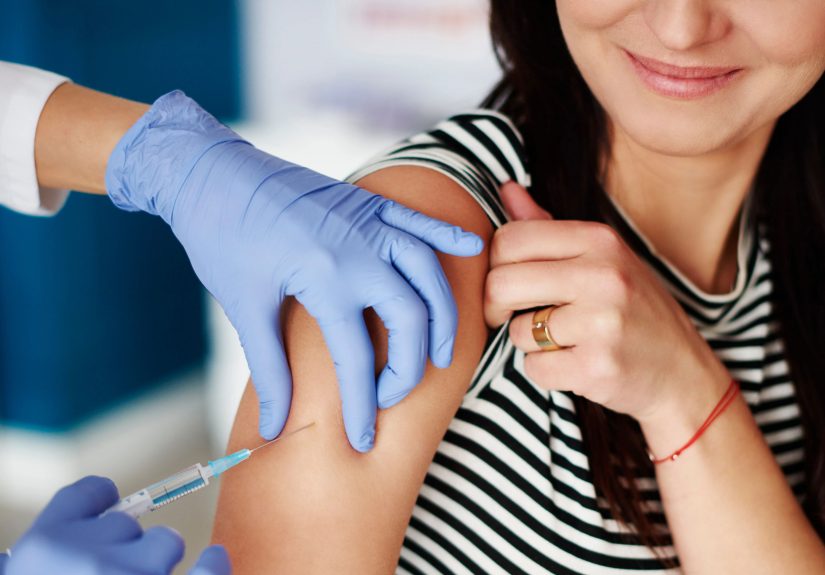
“Tetanus shot” can refer to a few vaccines, commonly: Td (tetanus + diphtheria) or Tdap (tetanus + diphtheria + pertussis). These are typically given in the upper arm.
The most common after-effect is local: pain, redness, or swelling where you got the shot. That’s not your body “getting tetanus.” It’s your immune system doing training of its own, reacting to the vaccine and creating an inflammatory response that can make the muscle and tissues around the injection site feel tender.
How common is soreness?
Very. Product safety information for U.S.-licensed tetanus-containing vaccines lists injection-site pain as one of the most frequently reported reactions, often affecting a large share of people (depending on the specific vaccine, age group, and study). In other words: your sore arm is annoying, but it’s not rare or mysterious.
What the Body Is Doing After the Shot (And What That Means for Lifting)
Think of your immune system like a coaching staff. The vaccine gives it a “wanted poster” for tetanus toxin (and possibly pertussis and diphtheria). Then your body runs drills: it creates a response, learns the pattern, and stores memory so it can react faster later.
Meanwhile, your arm may feel sore because:
- Local inflammation is increasing blood flow and immune activity in the area.
- Needle + fluid went into muscle tissue, which can feel bruised afterward.
- Guarding happenswhen something hurts, you unconsciously move it less, creating stiffness.
Weight lifting isn’t automatically “bad” here. But heavy training can: add mechanical stress to already tender tissue and increase perceived painespecially with pressing movements that heavily recruit the deltoid.
The “24-Hour Strategy”: A Smart Timeline for the Gym
0–12 hours after the shot: Keep it gentle
Right after vaccination, some clinicians recommend avoiding intense workouts immediately, while still encouraging gentle arm movement to reduce stiffness. Translation: don’t try to set a new bench press PR on your freshly vaccinated shoulder, but do keep the arm mobile.
Good options: easy walking, light cycling, mobility work, gentle stretching, and very light upper-body movement that doesn’t spike pain.
12–24 hours: Assess, then adjust
This is where most people notice peak soreness starting to build. If your arm feels “fine-ish,” you can trainwith modifications. If it feels like you got tagged by a paintball gun at point-blank range, choose lower-body or rest.
24–72 hours: Train around soreness, not through it
Common side effects such as arm soreness and mild fever typically show up within the first few days and usually fade quickly. During this window, the smartest move is to keep activity going without turning the injection site into a full-time complaint department.
How to Modify Your Workout (Without Losing Momentum)
1) Consider skipping heavy deltoid loading for a day
The tetanus shot is usually placed in the deltoid. That’s the same muscle you hammer with overhead pressing, lateral raises, upright rows, and sometimes benching depending on your form. If soreness is moderate, go lighter or swap movements temporarily.
Swap ideas:
- Overhead press → machine press with lighter load, or landmine press, or skip pressing for 24–48 hours
- Lateral raises → cable work at low intensity, or skip if sharp pain
- Heavy bench → incline push-ups, light dumbbell bench, or a lower-body day
2) Use pain as a guide (but use the right kind of pain)
Mild soreness or a “bruise feeling” is common. Sharp pain, pain that limits normal movement, or pain that radiates unusually should make you pause and reassess. Training should feel like training, not like you’re negotiating with your nervous system.
3) Move the armdon’t immobilize it
Light movement can help prevent stiffness. Simple range-of-motion work, gentle stretching, and easy functional movements often make the arm feel better over time. (Yes, your arm wants to be dramatic. No, it doesn’t need a week off for mild soreness.)
4) Train lower body or do cardio if the arm is spicy
If upper body feels rough, this is a perfect excuse for: squats, lunges, deadlifts (if grip and shoulder positioning are comfortable), leg press, step-ups, cycling, brisk walking, or incline treadmill work.
5) If you must lift upper body, reduce intensity and volume
Try: cut weights to 50–70% of normal, keep reps smooth, avoid grinding, and stop a few reps short of failure. Shorter sessions are fine. You’re not “wimping out.” You’re playing the long game.
Hydration, Sleep, and Recovery: The Boring Stuff That Works
Vaccines can make you feel tired. Training can also make you feel tired. Combine the two and you may discover a new personality trait: “nap enthusiast.”
- Hydrate: it supports overall recovery and can help you feel better if you’re a bit achy.
- Sleep: immune function and muscle recovery both love sleep.
- Eat normally: you don’t need a special “vaccine diet,” just adequate protein and balanced meals.
Normal Side Effects vs. “Call Someone” Symptoms
Most tetanus-shot side effects are mild and temporaryespecially soreness where you got the injection. But you should know what crosses the line.
Usually normal
- Sore arm, mild redness, mild swelling
- Mild fatigue, mild headache
- Low-grade fever for a short time
- Muscle aches that improve over a day or two
Get medical advice promptly if you have
- Signs of a severe allergic reaction (trouble breathing, facial swelling, hives, severe dizziness)
- Fainting that doesn’t quickly improve or repeated episodes of near-fainting
- Severe, worsening shoulder pain with major loss of range of motion
- High fever or symptoms that keep getting worse instead of better
- Redness that rapidly spreads, significant warmth, or pus-like drainage at the injection site
Rarely, improper injection technique can contribute to shoulder injury (often discussed as SIRVA). The big clue is severe shoulder pain and limited motion that starts soon after vaccination and doesn’t behave like normal soreness. It’s uncommon, but it’s worth knowing the difference so you don’t try to “foam roll your way” out of something that needs evaluation.
Does Working Out After Vaccination Affect Immunity?
For most people, normal physical activity doesn’t “ruin” vaccine effectiveness. In fact, research on exercise and vaccination suggests regular physical activity is generally associated with healthy immune function and may even support vaccine responses in some contexts.
The key is not to interpret that as “go crush a two-hour high-intensity workout while you feel awful.” If your body is signaling it needs rest, listen. A short break won’t erase your progressbut it may prevent a miserable couple of days.
Specific Scenarios: What If…?
…I got the shot in my dominant arm?
Annoying, but manageable. For 24–48 hours, consider: machines over free weights, straps for pulling if grip is uncomfortable, and exercises that don’t require your shoulder to stabilize heavy loads. Or just take a lower-body day and pretend it was always the plan.
…I’m training for a competition and can’t “take time off”?
You can train without going heavy on the injected shoulder. Maintain technique work, keep intensity moderate, and shift volume to lower body or non-irritating patterns. One intelligently modified session beats one stubborn session that turns into three missed sessions.
…I feel feverish or wiped out?
Skip heavy lifting. Opt for rest, hydration, and gentle movement if you want to stay active. Your immune system is already running a programno need to add a second bootcamp.
…my arm is barely sore. Can I train normally?
If you feel truly normal, you can often train normally. Still, consider easing into the session: longer warm-up, gradual load increases, and avoid testing max lifts in the first 24 hours just in case soreness ramps up mid-workout.
A Sample “After Tetanus Shot” Workout Plan
Option A: Same day (or within 12 hours)
- 20–40 minutes easy cardio (walk, bike, incline treadmill)
- Lower-body strength (moderate): goblet squats, leg press, lunges
- Mobility: gentle shoulder circles, light stretching
Option B: Next day (if arm is sore)
- Lower body focus (normal or slightly reduced volume)
- Upper body: light pulling (cable rows, band work) if comfortable
- Skip heavy pressing and heavy overhead work
Option C: Next day (if you feel fine)
- Train as planned, but avoid max testing
- Increase loads gradually
- If pain rises sharply, pivot to lower body or end early
Common Myths (Let’s Retire These)
Myth: “If I work out, the vaccine won’t work.”
For most people, regular exercise doesn’t cancel a vaccine. The main limiting factor is how you feel and how your arm tolerates movement.
Myth: “Soreness means something went wrong.”
Soreness is a common reaction with tetanus-containing vaccines. It’s usually temporary. What matters is severity, progression, and whether you can still move your shoulder normally.
Myth: “I should keep my arm totally still.”
Gentle movement often helps. Treat it like a normal sore muscle: light motion, not aggressive punishment.
Bottom Line: Lift Smart, Not Stubborn
Weight lifting after a tetanus vaccine is usually fine when you feel well. The real challenge is managing injection-site soreness. Keep the arm moving gently, avoid intense workouts immediately after the shot, and modify upper-body training for a day or two if needed.
Your goal isn’t to “push through” a sore deltoid. Your goal is to keep training consistent over weeks and months. Sometimes the most hardcore thing you can do is… choose a sensible workout.
Experiences: What Weight Lifters Commonly Notice After a Tetanus Shot (Real-World, Gym-Style)
Ask ten lifters what it’s like to train after a tetanus vaccine, and you’ll get twelve opinionsplus a story about someone’s cousin who “benched the same day and was totally fine,” which is gym folklore’s version of a peer-reviewed study.
The most common experience is simple: the shot feels like a deep bruise in the deltoid, and it often gets more noticeable later that day or the next morning. Many people say the soreness isn’t terrible until they try to do something specificlike take off a hoodie, reach for a seatbelt, or unrack a barbell. Suddenly the shoulder is like, “Oh, so we’re doing overhead stuff today? Interesting choice.”
Lifters who do a heavy pressing session too soon often describe a very particular regret: the workout itself might be doable, but the soreness afterward feels magnified. It’s not always dangerousjust obnoxious. The deltoid can feel tight, tender to touch, and cranky during movements that require the shoulder to stabilize. Some people notice their form gets weird because they unconsciously protect the sore side, which can shift stress to the neck or upper traps. That’s why many experienced gym-goers choose a lower-body day or cardio session right after the shot, even if they “could” lift.
On the flip side, a lot of people report that light movement helps. Gentle band pull-aparts, easy rows, shoulder circles, and normal daily use can keep the arm from stiffening up. The key word is “light.” The lifters who feel best are usually the ones who treat vaccine soreness like DOMS: you keep moving, you don’t panic, and you don’t decide today is the day to test your ego.
Another common pattern is the “two-day split adjustment.” Day 1 after the shot: lower body. Day 2: upper body but reduced pressingmaybe cables and machines, maybe more pulling than pushing. Then by Day 3, many people are back to normal training. This approach keeps routine intact, which matters a lot for consistency. Psychologically, it’s easier to stick to training when the plan becomes “modify” instead of “skip.”
People also share small hacks that are more about comfort than performance: wearing looser sleeves, warming up the shoulder longer, and avoiding exercises that pin the bar on the sore deltoid (front squats can be a surprise problem if the bar position irritates the injection site). Some choose machines because they require less stabilization from a tender shoulder. Others use dumbbells so the arms can move more naturally instead of forcing symmetry when one side is complaining.
The most important real-world takeaway? Most lifters do fine when they stay flexible. The folks who have the worst time are usually the ones who treat soreness like an insult and respond with maximum intensity. Your immune system is already doing work. Your job is to support itthen get back to full training when your shoulder stops acting like a grumpy roommate.