Table of Contents >> Show >> Hide
- Why Fresh-Ingredient Smoothies Are Still a Great Idea
- Start With a Simple Smoothie Formula
- How to Choose Fresh Ingredients That Actually Work Together
- Prep Fresh Ingredients the Smart and Safe Way
- How to Blend for a Smooth, Not Chunky, Result
- Seven Fresh Smoothie Combinations Worth Repeating
- Common Smoothie Mistakes to Avoid
- Make-Ahead Tips for Busy Mornings
- The Real Secret: Balance Beats Perfection
- Experience: What You Learn After Making Fresh Smoothies Again and Again
Note: This article is a clean, web-ready original piece based on real U.S. nutrition, food-safety, and culinary guidance. Unnecessary publishing artifacts have been removed.
There are two kinds of smoothie people in this world. The first group carefully layers berries, greens, yogurt, and seeds like they are composing a tiny edible symphony. The second group throws random fruit into a blender, hits the button, and hopes for a miracle. Sometimes they get one. Sometimes they get a chunky pink swamp with the emotional energy of lawn clippings.
If you want consistently delicious smoothies made from your favorite fresh ingredients, luck is not the strategy. A simple method is. The best smoothies are not just cold fruit soup. They are balanced, flavorful, filling, and pleasantly smooth without tasting like melted dessert or a regrettable “wellness experiment.”
This guide walks you through how to choose ingredients, prep them safely, combine them in smart ratios, and blend them into something you actually want to drink again tomorrow. Whether you love strawberries, mangoes, bananas, spinach, pineapple, peaches, cucumbers, or that lone bag of kale giving you judgment from the fridge drawer, you can turn fresh produce into smoothies that taste fresh, bright, and genuinely satisfying.
Why Fresh-Ingredient Smoothies Are Still a Great Idea
Fresh-ingredient smoothies are popular for a reason: they are flexible, fast, and forgiving. They can help you use produce before it turns into a science fair project, and they make it easy to combine fruit, vegetables, protein, and healthy fats in one glass. They also let you control the ingredients, which matters more than most people realize.
When you make smoothies at home, you decide whether your drink is refreshing and balanced or secretly a milkshake wearing yoga pants. You can keep added sugar low, use whole ingredients, and add nutrition boosters like Greek yogurt, chia seeds, oats, nut butter, or spinach without turning the whole thing into punishment. That is the sweet spot: a smoothie that feels indulgent but behaves like breakfast or a smart snack.
Fresh ingredients also give you better flavor. A ripe peach tastes like summer. Fresh mint wakes up a berry blend instantly. Pineapple brings brightness. Banana adds creaminess without demanding applause. When you start with good produce, the blender has a much easier job.
Start With a Simple Smoothie Formula
You do not need a recipe every time. You need a framework. Think of smoothie-making like building a playlist: a solid base, a few stars, and no weird filler tracks.
1. Pick a liquid base
Your liquid gets everything moving, literally and metaphorically. Good options include water, milk, lactose-free milk, fortified soy milk, unsweetened almond milk, kefir, coconut water, or plain yogurt thinned with a splash of water. If you want a richer, more filling smoothie, dairy milk, soy milk, kefir, and Greek yogurt are strong choices. If you want a lighter smoothie, use water or unsweetened plant milk.
2. Choose your fruit
Fresh fruit gives natural sweetness, body, and personality. Bananas make smoothies creamy and mellow. Berries add brightness and tang. Mango creates a velvety texture. Pineapple wakes everything up. Peaches and nectarines bring juicy sweetness. Apples and pears add gentle flavor but usually work best when paired with stronger fruits.
A good starting point is 1 to 2 cups of fruit per serving. If you love a thicker texture, freeze part of your fruit ahead of time. Frozen banana is basically nature’s smoothie cheat code.
3. Add vegetables without starting a kitchen rebellion
Spinach is the easiest beginner green because it blends smoothly and stays relatively mild in flavor. Kale is stronger and more earthy, so use less at first. Cucumber adds freshness. Carrot adds sweetness and color. Cooked beets can be beautiful in berry smoothies, though they do arrive with “main character energy,” so use them thoughtfully.
A simple rule: if you are nervous about green smoothies, start with a handful of spinach in a fruit-heavy blend. Your taste buds will survive. Your blender will not need grief counseling.
4. Include protein or healthy fat for staying power
If you want your smoothie to last longer than a motivational quote, add protein, fat, or both. Greek yogurt, cottage cheese, nut butter, tofu, chia seeds, flaxseed, hemp seeds, or a protein powder can make a smoothie more satisfying. This is especially helpful if the smoothie is replacing breakfast or serving as a post-workout snack.
5. Finish with flavor helpers
Small additions can transform a smoothie from fine to fantastic. Cinnamon, ginger, cocoa powder, vanilla extract, lemon juice, lime juice, and fresh mint all work beautifully. A tiny pinch of salt can sharpen fruit flavor and keep the smoothie from tasting flat. It sounds dramatic, but it is true: one small pinch can rescue an otherwise sleepy blend.
How to Choose Fresh Ingredients That Actually Work Together
The easiest way to build great smoothies is to think in categories instead of random cravings.
Creamy fruits
Banana, mango, avocado, and ripe peach help create a thick, silky texture. Use one of these when you want your smoothie to feel substantial.
Bright fruits
Pineapple, orange, grapefruit, kiwi, and strawberries bring acidity and freshness. These are ideal when your smoothie tastes dull or too sweet.
Sweet fruits
Banana, ripe pear, grapes, mango, and melon soften tart flavors and make green smoothies more approachable.
Low-drama vegetables
Spinach, cucumber, romaine, zucchini, and cooked cauliflower are excellent for adding body or nutrients without hijacking the taste.
Texture boosters
Greek yogurt, oats, chia seeds, flaxseed, nut butter, and frozen fruit help smoothies feel thicker and more substantial. Ice can help too, but too much ice waters everything down and turns your masterpiece into flavored slush with commitment issues.
Prep Fresh Ingredients the Smart and Safe Way
Fresh smoothies begin before the blender. The prep step matters because flavor, texture, and food safety all start there.
First, wash your hands and rinse produce under running water. Do not use soap or produce wash. For firm produce like melons, cucumbers, or apples, scrub gently with a clean brush if needed. If fruit or vegetables have bruised or damaged spots, trim them away before blending.
Rinse produce before peeling, not after. That way you avoid dragging dirt or bacteria from the outside into the edible part with your knife. It is one of those boring grown-up details that turns out to be genuinely useful.
Keep perishable produce cold. Berries, herbs, leafy greens, mushrooms, and pre-cut fruit should be refrigerated. If you buy pre-cut fruit or prep melon ahead of time, store it in the refrigerator promptly. If you are using juice, especially for kids, pregnant people, older adults, or anyone with a weakened immune system, choose pasteurized juice.
Another practical tip: wash and prep produce when you bring it home, then portion some of it into freezer bags. That makes future smoothies faster and helps reduce waste. Also, it feels wildly efficient, which is one of adulthood’s few affordable thrills.
How to Blend for a Smooth, Not Chunky, Result
The order of ingredients matters more than many people think.
- Add liquid first so the blender blades can move freely.
- Add soft ingredients next, such as yogurt, fresh banana, nut butter, or leafy greens.
- Add fresh fruit after that.
- Add frozen fruit, seeds, oats, or ice last.
Start on low speed, then increase gradually. This helps everything catch and circulate. If the smoothie is too thick, add more liquid a little at a time. If it is too thin, add frozen fruit, yogurt, avocado, oats, or chia seeds.
For a silkier texture, use frozen banana or frozen mango instead of relying heavily on ice. Ice chills, but frozen fruit chills and contributes flavor. That is teamwork. If your blender struggles, stop, stir, add a splash more liquid, and try again. Do not keep blending a dry mixture like you are trying to intimidate the machine. That battle rarely ends well.
Seven Fresh Smoothie Combinations Worth Repeating
1. Strawberry Banana Classic
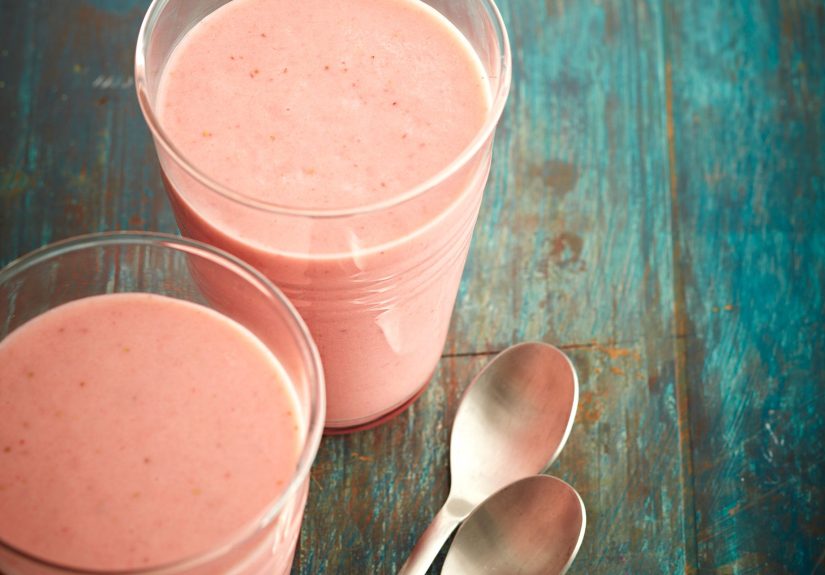
Fresh strawberries, banana, Greek yogurt, milk, and a little vanilla. Reliable, familiar, and hard to mess up.
2. Tropical Green Smoothie
Pineapple, mango, spinach, coconut water, and lime juice. Bright, refreshing, and suspiciously good for something with greens in it.
3. Peach Ginger Smoothie
Fresh peaches, banana, yogurt, milk, and grated ginger. Great for summer mornings when coffee feels too aggressive.
4. Berry Oat Breakfast Smoothie
Blueberries, raspberries, oats, Greek yogurt, milk, and chia seeds. More filling than it looks, which is always a nice surprise.
5. Pineapple Cucumber Cooler
Pineapple, cucumber, mint, lime, and cold water or coconut water. This one feels like a spa day for your face.
6. Mango Carrot Smoothie
Mango, carrot, orange, yogurt, and a pinch of cinnamon. Sweet, colorful, and excellent for people who want vegetables with plausible deniability.
7. Peanut Butter Banana Power Smoothie
Banana, peanut butter, milk, Greek yogurt, cinnamon, and a spoonful of oats. Thick, comforting, and very good at convincing you that your life is under control.
Common Smoothie Mistakes to Avoid
Using too much juice: It can push a smoothie from balanced to sugar-heavy fast. Use just enough for flavor or thinness.
Skipping protein entirely: Fruit-only smoothies can be fine, but they may not keep you full very long.
Adding every “healthy” ingredient at once: Spinach, kale, chia, flax, protein powder, turmeric, beet, matcha, and cucumber in one glass is not wellness. It is chaos.
Overdoing sweeteners: Honey, maple syrup, sweetened yogurt, and juice can pile up quickly. Taste before adding extra sweetness.
Using tired produce: Soft berries and overripe bananas are perfect for smoothies. Slimy spinach is not. There are limits to optimism.
Make-Ahead Tips for Busy Mornings
If mornings are chaotic, smoothie prep can save you. Portion fruit, greens, and dry add-ins into freezer bags or containers. Keep liquids separate until blending time. Label combinations if you want to feel like the organized protagonist in a lifestyle video.
You can also freeze bananas in chunks, freeze leftover berries before they turn mushy, and prep smoothie kits for the week. When ready, dump the contents into the blender, add your liquid and protein, and blend. Fast breakfast, less waste, minimal drama.
The Real Secret: Balance Beats Perfection
The best smoothie is not the one with the most ingredients, the trendiest powder, or the most intimidating shade of green. It is the one you enjoy enough to make again. A balanced smoothie usually includes fruit for flavor, liquid for movement, a creamy or thick element for texture, and something with protein or fat for staying power. From there, everything else is customization.
So yes, fresh smoothies can be healthy, practical, and delicious. But they can also be fun. They let you use what you love, rescue what is ripe, and create something that fits your schedule, your taste, and your kitchen reality. Once you get the method down, the blender stops being a gamble and starts being a very loud little helper.
Experience: What You Learn After Making Fresh Smoothies Again and Again
There is a certain kind of experience that only comes from making smoothies regularly, and it is not the glamorous kind social media likes to show. It is the real-life version, where you are half awake, the blender lid is suddenly a trust exercise, and you are making decisions about a banana that has exactly six useful hours left.
After a while, you start noticing patterns. Fresh strawberries are wonderful, but they often need help from banana or yogurt to feel creamy. Pineapple is bright and exciting, but it can bully softer flavors if you add too much. Spinach is the polite guest at the smoothie party; kale arrives with opinions. Mango is the peacemaker. Banana is the furniture. Yogurt is the thing that makes the whole room make sense.
You also learn that texture matters just as much as flavor. A smoothie can taste great and still feel disappointing if it is thin, foamy, or gritty. That is why people who make smoothies often stop obsessing over exotic ingredients and start caring more about ratios, ripeness, and temperature. A cold smoothie made with partially frozen fruit almost always tastes more satisfying than one made with room-temperature fruit and a heroic amount of ice. Less dilution, more flavor, fewer regrets.
Another experience-based lesson is that simplicity wins more often than creativity. The dream is to invent a dazzling blend with eight produce items, three seeds, and a whisper of spice. The reality is that strawberry-banana-yogurt still shows up like a dependable friend and steals the spotlight. That does not mean experimenting is pointless. It means the best innovations are usually small: adding mint to pineapple, ginger to peach, lime to mango, oats to berries, or a pinch of salt to peanut butter banana.
Making smoothies regularly also changes the way you shop. You begin buying fruit with a strategy instead of blind optimism. You see berries and think, “Some of you are getting eaten fresh, and the rest of you are going into tomorrow’s blender.” You start freezing ripe bananas before they cross into banana-bread-only territory. You stop letting spinach wilt in the crisper because now it has a purpose. Suddenly the produce drawer is not a graveyard. It is inventory.
And then there is the convenience factor, which becomes more impressive with repetition. Once you know your favorite combinations, smoothies become one of the easiest ways to make a quick breakfast or snack without feeling like you settled. They are portable, adaptable, and forgiving. Too thick? Add liquid. Too thin? Add frozen fruit. Too tart? Banana. Too sweet? Lime or yogurt. Very few meals are that cooperative.
Perhaps the most interesting experience, though, is how personal smoothie-making becomes. One person wants a bright, tropical drink that tastes like vacation. Another wants a creamy, filling breakfast that quietly includes spinach. Someone else just wants to use the peaches before they go soft. Fresh smoothies meet people where they are. They can be practical, comforting, energizing, or simply delicious. And after enough mornings with a blender, you stop asking, “What smoothie recipe should I follow?” and start asking the better question: “What sounds good with what I already have?” That is when homemade smoothies become less of a recipe and more of a skill.