Table of Contents >> Show >> Hide
- Why Easter Recipes Feel Different From Other Holiday Meals
- The Best Easter Main Dishes
- Must-Have Easter Side Dishes
- Best Easter Brunch Recipes
- Classic Easter Desserts
- How to Build a Balanced Easter Menu
- Make-Ahead Tips for Easter Recipes
- Common Easter Recipe Mistakes to Avoid
- What Makes the Best Easter Recipes Memorable
- Experiences and Real-Life Moments Behind Easter Recipes
- Conclusion
Easter recipes have a special kind of magic. They sit somewhere between cozy family tradition and full-on spring celebration, which means your table can feel elegant without acting like it has a personal publicist. One minute you’re glazing a ham, the next you’re sneaking deviled eggs in the kitchen like a tiny holiday goblin. That is the charm of Easter food: it’s festive, comforting, colorful, and just dramatic enough to make the meal feel important.
If you’re building a menu this year, the good news is you do not need to reinvent brunch, dinner, or dessert. The best Easter recipes are usually the ones that balance familiar favorites with fresh seasonal ingredients. Think glazed ham, lamb, asparagus, carrots, spring peas, cheesy potatoes, hot cross buns, carrot cake, and bright citrus desserts. In other words, Easter is not just a meal. It’s a whole edible mood.
This guide walks through the best kinds of Easter recipes to make, how to combine them into a menu that actually makes sense, and how to keep the whole thing delicious instead of chaotic. Because the goal is a beautiful holiday meal, not a kitchen scene that looks like a whisk exploded.
Why Easter Recipes Feel Different From Other Holiday Meals
Unlike heavier winter holiday menus, Easter recipes usually lean into spring. That means lighter flavors, fresh herbs, bright produce, and dishes that look cheerful on the table. Even when the main course is rich, like baked ham or roast lamb, the sides and desserts often bring balance through lemon, carrots, peas, asparagus, strawberries, or soft breads with gentle spice.
Another thing that makes Easter recipes so popular is flexibility. Some families go big on Easter brunch with casseroles, quiche, cinnamon rolls, and fruit salad. Others treat it like a true sit-down holiday dinner with ham, potatoes, and vegetable sides. Plenty of households do both, which is either ambitious or wildly optimistic depending on how much coffee is available.
The smartest approach is to pick one centerpiece and build the rest of the menu around it. Easter food shines when it feels coordinated rather than crowded.
The Best Easter Main Dishes
Glazed Ham
If Easter had an unofficial mascot on the dinner table, it would probably be glazed ham. It’s classic, crowd-pleasing, and wonderfully practical for feeding a group. A spiral-cut ham is especially useful because it’s easy to serve and pairs well with sweet, tangy glazes like brown sugar, honey mustard, maple, orange, or pineapple.
The beauty of an Easter ham is that it gives you drama without demanding too much from you. You get the glossy finish, the savory-sweet aroma, and the glorious leftovers for sandwiches, breakfast bakes, soups, and sliders. It’s the culinary version of being overdressed in the best possible way.
For the best flavor, avoid drowning the ham in sugar. A balanced glaze should add shine and contrast, not make dinner taste like a candy-coated sweater. A little mustard, vinegar, citrus, or warm spice keeps the sweetness in check.
Roast Lamb
For a more traditional or slightly more elegant Easter dinner, lamb is a strong choice. Roast leg of lamb, rack of lamb, or lamb chops all fit the holiday beautifully. Lamb loves rosemary, garlic, parsley, mint, lemon, and Dijon, so it naturally works with spring produce and brighter side dishes.
If ham is the friendly extrovert of Easter recipes, lamb is the sophisticated cousin who brings a bottle of wine and somehow makes everyone feel underdressed. It delivers a richer, more savory profile and can make the whole meal feel a little more restaurant-worthy.
Vegetarian Easter Mains
Not every Easter menu needs meat in the spotlight. A spring vegetable quiche, mushroom tart, baked pasta, or roasted carrot and goat cheese galette can absolutely hold center stage. Vegetarian Easter recipes work especially well for brunch-style gatherings where guests are nibbling across several dishes instead of building one giant plated meal.
Must-Have Easter Side Dishes
The sides are where Easter recipes go from “nice meal” to “save me another helping right now.” Great sides add texture, color, and relief from rich mains.
Scalloped Potatoes or Potatoes Au Gratin
Cheesy potato dishes are almost unfairly good with ham. Creamy, golden, bubbling at the edges, and guaranteed to disappear fast, scalloped potatoes are one of the most dependable Easter side dishes around. They also have the rare power to make everyone at the table suddenly forget basic portion control.
To keep them from feeling too heavy, use a good balance of cream, cheese, and seasoning. A bit of thyme, garlic, or Gruyère can add depth without making the dish fussy.
Asparagus, Green Beans, and Spring Peas
Easter and spring vegetables belong together. Roasted asparagus with lemon, buttered peas with fresh herbs, or crisp-tender green beans with toasted almonds can bring brightness to a rich plate. These dishes keep the menu from becoming a beige festival, and your table will thank you for the color.
Glazed or Roasted Carrots
Yes, carrots are a little on-the-nose for Easter. No, that is not a problem. Roasted carrots with honey, brown sugar, maple, or herbs are sweet, earthy, and easy to prep ahead. They also pair with almost everything, from ham and lamb to quiche and casseroles.
Deviled Eggs
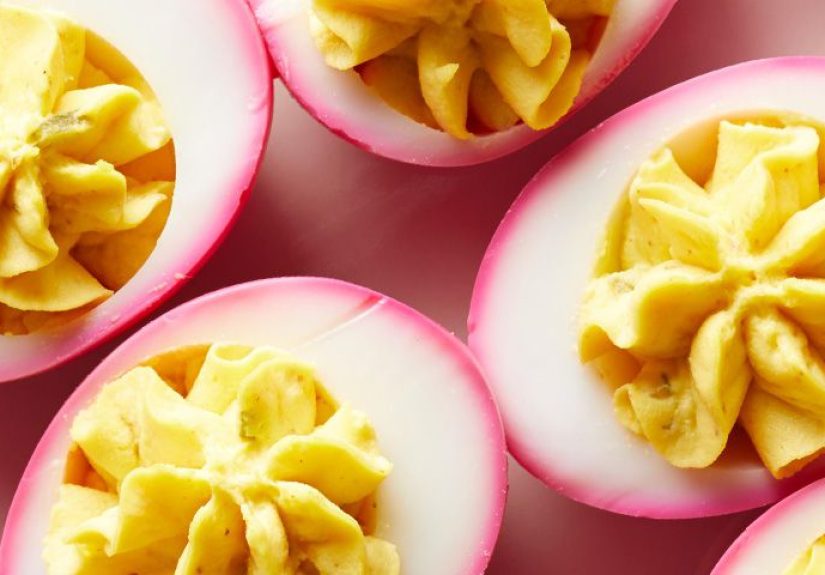
Deviled eggs are practically required at many Easter gatherings. Their charm lies in the contrast: creamy filling, firm egg whites, a little tang, and endless room for small twists. Mustard, paprika, chives, pickle relish, bacon, or even a dash of hot sauce can take them from standard to memorable.
The key is restraint. A deviled egg should taste bright and rich, not like someone emptied the entire condiment shelf into a bowl and hoped for the best.
Best Easter Brunch Recipes
Easter brunch recipes are ideal if your celebration starts early, includes kids, or involves people who want both cinnamon rolls and ham before noon. That is not weird. That is Easter.
Breakfast Casseroles and Strata
A savory breakfast casserole is one of the most useful Easter recipes because it can often be assembled ahead of time. Ham and cheese bakes, croissant casseroles, strata with spinach and Gruyère, or sausage and egg casseroles are excellent for feeding a crowd without turning you into a short-order cook.
Quiche and Frittata
Quiche is basically brunch wearing pearls. It looks refined, tastes rich, and works with spring vegetables beautifully. Asparagus, leeks, spinach, mushrooms, goat cheese, cheddar, and smoked salmon all fit nicely. Frittatas offer a more casual version of the same idea and are easier when you want less crust drama in your life.
Hot Cross Buns, Cinnamon Rolls, and Easter Bread
Sweet breads are a huge part of Easter recipe traditions. Hot cross buns bring spice and dried fruit, cinnamon rolls deliver gooey comfort, and braided Easter breads add visual flair to the table. These are the kinds of recipes that make your kitchen smell like a bakery and your guests suddenly start hovering “just to help.”
Classic Easter Desserts
Carrot Cake
Carrot cake remains one of the most iconic Easter desserts because it somehow manages to be festive, nostalgic, and actually delicious instead of merely symbolic. A good carrot cake is moist, warmly spiced, and topped with cream cheese frosting that is rich but not cloying. Nuts, pineapple, coconut, or raisins can all appear, though families tend to have strong opinions on this topic and none of them are quiet.
Lemon Desserts
If your menu already includes ham, potatoes, and buttery breads, lemon desserts are a smart counterpoint. Lemon bars, lemon loaf, lemon meringue pie, or a citrus tart bring brightness and help the meal end on a fresher note. Easter recipes often work best when dessert feels sunny rather than overly heavy.
Coconut Cake and Strawberry Shortcake
For a showstopper dessert, coconut cake fits the season beautifully, while strawberry shortcake leans into spring produce and a lighter finish. Both feel celebratory without being overcomplicated.
How to Build a Balanced Easter Menu
One common mistake with Easter recipes is trying to make every dish the star. That’s how you end up with ten bold flavors competing for attention like reality show contestants. Instead, think in categories.
A Great Traditional Easter Dinner Menu
- Brown sugar or honey-glazed ham
- Scalloped potatoes
- Roasted asparagus with lemon
- Deviled eggs
- Dinner rolls or hot cross buns
- Carrot cake
A Fresh Easter Brunch Menu
- Ham and cheese breakfast casserole
- Spring vegetable quiche
- Fruit salad with berries
- Roasted carrots
- Hot cross buns or cinnamon rolls
- Lemon bars
An Easy Small-Gathering Easter Menu
- Lamb chops or a small ham
- Potatoes au gratin
- Green beans or peas
- Simple salad with herbs and citrus vinaigrette
- Store-bought rolls warmed with butter
- One excellent dessert instead of three average ones
Make-Ahead Tips for Easter Recipes
The best Easter recipes are not necessarily the fanciest ones. They are the ones that allow you to sit down and enjoy the holiday without panic-baking while dressed in something you regret wearing near butter.
Here are the smartest make-ahead moves:
- Prep deviled eggs and fillings ahead, then assemble close to serving time.
- Assemble breakfast casseroles the night before.
- Bake cakes a day ahead and frost later.
- Trim vegetables and store them in the fridge.
- Choose at least one room-temperature side dish to reduce oven traffic.
- Use leftover ham in brunch recipes the next day.
If you’re making ham, egg casseroles, or other holiday dishes, food safety matters too. Egg dishes should be fully cooked, rich casseroles shouldn’t sit out too long, and leftovers should be refrigerated promptly. Holiday meals are memorable enough without adding a lesson in food thermometers.
Common Easter Recipe Mistakes to Avoid
Making Everything Too Heavy
Ham, cheesy potatoes, buttery rolls, creamy eggs, and dense cake can become a lot if there’s nothing fresh on the table. Add vegetables, herbs, citrus, or fruit to keep the meal lively.
Ignoring Texture
A good Easter menu needs contrast. If every dish is soft, creamy, and casserole-shaped, the meal gets sleepy fast. Add something crisp, roasted, crunchy, or juicy.
Overcomplicating the Holiday
You do not need twelve Easter recipes to impress people. You need a good main, a few reliable sides, and dessert. Most guests remember whether the meal felt warm and joyful, not whether your carrots were cut into decorative botanical geometry.
What Makes the Best Easter Recipes Memorable
The best Easter recipes are not just about taste. They’re about mood, balance, and familiarity. They tap into the colors and flavors of spring while leaving room for tradition. They make the table feel abundant without feeling ridiculous. They smell amazing, look cheerful, and give everyone at least one dish they quietly hope no one else notices so they can go back for seconds.
That’s why classics endure. Ham is still popular because it’s delicious and practical. Carrot cake still works because it tastes like celebration. Deviled eggs remain undefeated because every holiday spread needs one dish people pretend they’re taking “just one more” of five times in a row.
If you’re choosing Easter recipes this year, aim for a menu that feels generous, seasonal, and manageable. A few classics, one or two fresh twists, and a dessert people talk about on the drive home is more than enough.
Experiences and Real-Life Moments Behind Easter Recipes
What makes Easter recipes so beloved is not only the food itself, but the experiences wrapped around it. Easter cooking has a way of turning an ordinary kitchen into a memory factory. Someone is glazing the ham while pretending they totally meant to get sauce on the counter. Someone else is trying to keep little hands away from the carrot cake before it’s frosted. The rolls are rising, the coffee is brewing, and every few minutes a family member wanders in to ask, “Is there anything I can taste-test?” which is not really help, but it is a time-honored tradition.
For many people, Easter recipes are tied to childhood memories. Maybe it’s the smell of cinnamon and cloves from hot cross buns, or the sight of pastel candies arranged around a coconut cake that looked impossibly fancy when you were eight. Maybe it’s your grandmother’s deviled eggs, always dusted with paprika, or your dad carving ham like he was performing at a culinary awards show. These dishes stick because they are repeated, and repetition is how food becomes part of family identity.
There is also something uniquely comforting about the rhythm of Easter cooking. It often starts slow. Vegetables get chopped. Cakes cool on the counter. Eggs boil. Someone sets the table earlier than necessary and then keeps adjusting it anyway. The menu may change a little from year to year, but the feeling stays familiar. That balance of old and new is what makes Easter recipes so powerful. They leave room for nostalgia without trapping you in it.
Hosting Easter can also create funny, imperfect moments that become part of the story. Maybe the ham comes out beautiful, but one batch of rolls gets a little too brown because everyone got distracted by the egg hunt. Maybe a child decorates cupcakes with so many sprinkles they become structurally questionable. Maybe the deviled eggs look less “polished brunch spread” and more “delicious little chaos boats.” And yet none of that ruins the meal. It usually improves it.
That’s the real secret behind great Easter recipes: they’re meant to be shared, not staged. Even the prettiest Easter table is still about people reaching across for seconds, passing the carrots, comparing whose plate has the biggest slice of cake, and arguing affectionately over whether raisins belong in hot cross buns. The recipes matter, but the atmosphere matters more.
In the end, Easter food is memorable because it marks a season of renewal. The ingredients get brighter, the weather softens, and the table feels hopeful. Whether you cook a full ham dinner, a relaxed spring brunch, or just one beautiful dessert, Easter recipes create a small celebration in the middle of ordinary life. And honestly, any holiday that encourages cake, warm bread, and a suspicious number of deviled eggs deserves respect.
Conclusion
The best Easter recipes combine tradition, spring flavor, and just enough celebration to make the meal feel special. Whether you go classic with glazed ham and scalloped potatoes, fresh with quiche and asparagus, or sweet with carrot cake and lemon bars, the winning formula is simple: keep the menu balanced, prep what you can ahead of time, and make food that invites people back to the table. Easter meals do not need to be perfect. They just need to be warm, welcoming, and delicious enough that leftovers become part of the holiday strategy.