Table of Contents >> Show >> Hide
- What Is Rooibos Tea, Exactly?
- Nutrition Snapshot: What’s in a Cup?
- Potential Health Benefits of Rooibos Tea
- What Rooibos Tea Probably Can’t Do
- Rooibos Tea Side Effects and Safety Concerns
- Red Rooibos vs. Green Rooibos
- Who Might Like Rooibos Tea Most?
- How to Enjoy Rooibos Tea Without Ruining It
- Real-Life Experiences With Rooibos Tea
- Conclusion
If coffee is the office drummer and green tea is the overachieving debate captain, rooibos is the calm friend who shows up with excellent snacks and zero drama. This reddish herbal tea, made from the South African plant Aspalathus linearis, has built a loyal fan base for one very simple reason: it tastes good and doesn’t come with a caffeine-fueled personality crisis.
But flavor alone doesn’t explain the hype. Rooibos tea is often praised for its antioxidants, smooth taste, and gentler profile compared with traditional tea. At the same time, it’s also surrounded by health claims that range from reasonable to “this mug can solve all my problems,” which is a lot to ask from leaves and hot water.
This guide takes the sensible middle road. We’ll look at what rooibos tea may do for your health, where the science is promising but still developing, and what side effects or safety concerns are worth knowing before you start drinking it by the kettle.
What Is Rooibos Tea, Exactly?
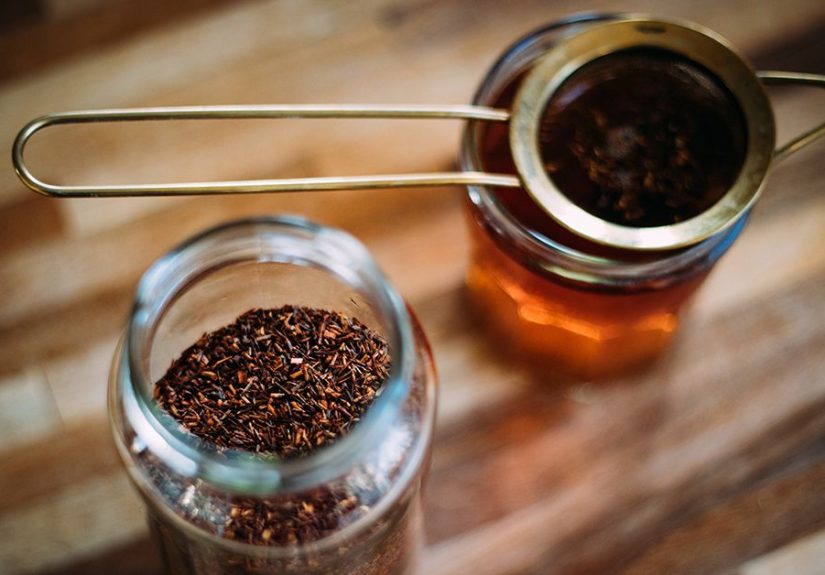
Rooibos is an herbal infusion, not a true tea in the black-tea or green-tea sense. That means it does not come from Camellia sinensis. Instead, it comes from a shrub native to South Africa. The leaves are harvested, bruised, oxidized, and dried to create the familiar red rooibos most people know. There is also green rooibos, which is less oxidized and usually described as lighter, grassier, and more delicate.
The taste is naturally mild and a little sweet, with earthy, nutty, and sometimes honey-like notes. In plain English: it’s friendly. It doesn’t punch your tongue with bitterness, and it rarely needs a rescue mission from a spoonful of sugar.
Nutrition Snapshot: What’s in a Cup?
A plain cup of brewed rooibos tea contains virtually no calories, no sugar, no fat, and no significant macronutrients. That sounds underwhelming until you remember that the main appeal of rooibos is not calories or protein. It’s the plant compounds.
Rooibos contains polyphenols and flavonoids, including compounds such as aspalathin, nothofagin, and quercetin. These are the antioxidant heavy hitters that usually appear whenever rooibos enters a wellness conversation. Rooibos is also naturally caffeine-free and low in tannins, which gives it a smoother taste and makes it less likely than some traditional teas to leave that dry, puckery feeling in your mouth.
Potential Health Benefits of Rooibos Tea
1. It’s naturally caffeine-free
This is one of rooibos tea’s clearest and most practical advantages. If caffeine makes you jittery, anxious, headachy, or annoyingly awake at 1:14 a.m. while you rethink every choice you made in 2017, rooibos is a strong alternative.
Because it contains no caffeine, rooibos can fit into an evening routine much more easily than black tea, matcha, or coffee. It won’t magically tuck you in and sing a lullaby, but it can help create a relaxing bedtime ritual without the stimulant load.
2. It’s rich in antioxidants
Like many plant-based beverages, rooibos owes much of its reputation to antioxidants. These compounds help the body handle oxidative stress, which is a fancy way of describing the wear and tear caused by unstable molecules called free radicals. Oxidative stress has been linked to aging and a wide range of chronic diseases.
That does not mean rooibos is a cure-all in a teacup. It does mean that, as a daily beverage choice, it can contribute beneficial plant compounds without adding sugar or caffeine. Green rooibos may contain more of certain antioxidants than traditional red rooibos, but both forms are still valued for their polyphenol content.
3. It may support heart health
This is where rooibos gets interesting. Small human studies and reviews suggest rooibos may help improve certain cardiovascular markers, especially in people already at risk for heart disease. Some research has linked regular rooibos intake with improved cholesterol patterns, including lower LDL cholesterol and better HDL levels.
There is also preliminary evidence that rooibos may influence angiotensin-converting enzyme, or ACE, which plays a role in blood pressure regulation. That sounds impressive because it is. It also sounds unfinished because it is. The research is promising, but it is not strong enough to treat rooibos like a replacement for blood pressure medication, statins, or your doctor’s actual advice.
4. It may help with blood sugar management
Rooibos is often discussed in relation to blood sugar because of aspalathin, one of its signature antioxidants. Early research suggests rooibos may support glucose metabolism and insulin sensitivity. Some human and preclinical studies point toward modest benefits, especially when rooibos is consumed regularly and in meaningful amounts.
That said, the keyword here is may. Rooibos is not a stand-alone blood sugar treatment, and it should not replace diabetes medication, medical nutrition therapy, or exercise. What it can do is serve as a smart beverage swap. If someone replaces sugary drinks with unsweetened rooibos, that alone can support better blood sugar habits.
5. It’s low in tannins, which can be a perk
Tannins are natural compounds found in many teas and plant foods. They’re not villains, but they can interfere with the absorption of some nutrients, especially when consumed in large amounts around meals. Rooibos is very low in tannins compared with black and green tea.
That may make rooibos a better option for people who want a gentler drink with less bitterness and potentially fewer issues around mineral absorption. It is not a magic iron supplement, but it can be a more comfortable choice for some people, especially those sensitive to traditional tea.
6. It may make healthy habits easier to stick to
Sometimes a beverage helps your health not because it performs biomedical gymnastics, but because it nudges you toward better daily choices. Rooibos has a mild natural sweetness, so many people find they need less sugar, syrup, or creamer compared with coffee or stronger tea. That can be useful if you are trying to cut back on added sugar.
It also works hot, iced, plain, spiced, or with milk, which makes it easier to keep around as a repeat habit. And in health writing, repeat habits matter. Nobody gets a medal for buying a miracle ingredient and forgetting it in the pantry next to the chia seeds of abandoned ambition.
What Rooibos Tea Probably Can’t Do
Here is the reality check section, because every article about a trendy health beverage needs one.
Rooibos tea is not a cure for cancer, diabetes, insomnia, high blood pressure, liver disease, or chronic inflammation. Some lab and animal research looks encouraging, and a few human studies suggest benefits in select areas, but the evidence is still limited. Many of the boldest claims made online go way beyond what the science actually supports.
So yes, rooibos can be part of a healthy lifestyle. No, it should not be promoted like a red herbal wizard with a medical license.
Rooibos Tea Side Effects and Safety Concerns
1. Rare liver problems have been reported
For most healthy adults, rooibos appears to be well tolerated in moderate amounts. However, there have been rare case reports of liver toxicity and elevated liver enzymes in people who consumed large amounts over time. That does not mean rooibos is broadly dangerous. It does mean “natural” does not automatically equal risk-free.
If you have liver disease, unexplained elevated liver enzymes, or a history of herbal supplement reactions, talk with your healthcare provider before making rooibos a daily ritual worthy of its own playlist.
2. It may interact with certain medications
Because rooibos may affect ACE activity and has biologically active compounds, there is some concern about interactions with medications, especially blood pressure drugs and certain chemotherapy agents. Some sources also caution about possible issues with medications used for blood sugar or lipid control.
This does not mean one cup will launch a dramatic pharmaceutical showdown. It means that if you take prescription medications regularly, especially for blood pressure, cancer, liver conditions, or diabetes, it is wise to ask your clinician whether frequent rooibos use makes sense for you.
3. Hormone-sensitive conditions deserve extra caution
Some lab findings suggest compounds isolated from rooibos may have estrogen-like activity. That does not prove that drinking rooibos tea will cause hormone problems in real life, but it is enough to justify a cautious approach for people with hormone-sensitive conditions, including certain breast, ovarian, or uterine cancers.
In these situations, “better safe than sorry” is not lazy advice. It is excellent advice.
4. Pregnancy and breastfeeding data are limited
Rooibos is caffeine-free, which sounds like an automatic green light during pregnancy. But herbal tea safety is not always that simple. Reliable medical guidance generally recommends caution with herbal teas during pregnancy because the evidence is often limited or inconsistent.
That means moderate rooibos intake may be acceptable for many people, but it is still best to check with an OB-GYN, midwife, or qualified healthcare professional before drinking it regularly during pregnancy or while breastfeeding.
5. The add-ins can become the real problem
Plain rooibos is basically the innocent one. The trouble starts when it turns into a dessert in a mug. Add enough sugar, flavored syrup, whipped cream, or sweetened condensed milk, and suddenly your “healthy tea” is wearing a milkshake costume.
If your goal is better blood sugar control, heart health, or weight management, try to keep rooibos fairly simple. Cinnamon, lemon, vanilla, ginger, or a splash of milk can add flavor without hijacking the nutrition profile.
Red Rooibos vs. Green Rooibos
Traditional red rooibos is oxidized, darker in color, and deeper in flavor. Green rooibos is less processed and tends to retain more of certain antioxidants, especially aspalathin. If your main priority is maximizing polyphenols, green rooibos may appeal to you.
If your main priority is enjoying your beverage and not feeling like you are chewing a salad through a straw, red rooibos is often the easier entry point. Both can fit into a healthy routine, and the “best” choice usually comes down to taste and consistency.
Who Might Like Rooibos Tea Most?
Rooibos is especially appealing for people who want a warm drink without caffeine, those trying to drink fewer sugary beverages, and anyone looking for a lower-tannin alternative to traditional tea. It can also be a handy “bridge beverage” for people cutting back on coffee but still craving the ritual of holding a warm mug like a tiny emotional support device.
It may also suit people who like variety. Rooibos works well in chai-style blends, iced teas, citrus infusions, and even tea lattes. In other words, it is versatile without being bossy.
How to Enjoy Rooibos Tea Without Ruining It
Brew it simply
Steep rooibos in hot water for about 5 to 7 minutes. Because it is low in tannins, it is more forgiving than black tea if you forget about it for a bit.
Try it iced
Brew a stronger batch, chill it, and pour over ice with lemon or orange slices. It makes a great afternoon drink when plain water feels emotionally uninspiring.
Use smart flavor boosts
Cinnamon sticks, ginger, vanilla, or a little citrus can add flavor without piling on sugar. Rooibos also plays well with a small splash of milk or unsweetened plant milk.
Keep expectations realistic
Enjoy it because it tastes good and fits your lifestyle. Any health benefits should be treated as a bonus, not a contract.
Real-Life Experiences With Rooibos Tea
What Drinking Rooibos Often Feels Like Day to Day
One reason rooibos keeps showing up in kitchens and office desks is that the experience is genuinely easy to live with. People who switch from coffee often say the first thing they notice is not some dramatic wellness movie montage. It is the absence of jitters. The afternoon feels a little smoother. There is no racing heart, no “why am I suddenly reorganizing my email folders with religious intensity?” energy spike, and often no late-evening regret after a second or third cup.
For people who love the ritual of a hot drink more than the caffeine itself, rooibos can feel like a relief. You still get the steam, the mug, the pause, the tiny ceremony of steeping something warm and fragrant. What you lose is the stimulant edge. That makes rooibos especially appealing during colder months, after dinner, or during workdays when your body wants comfort but your brain does not need another caffeinated pep talk.
Another common experience is that rooibos feels easier to drink plain. A lot of people who find black tea too bitter or coffee too sharp end up liking rooibos because it has a naturally soft, slightly sweet flavor. That matters more than it sounds. When a drink tastes pleasant without much sugar, it becomes easier to make it part of a healthier routine. You are not wrestling with it. You are not bribing it with syrup. You are just drinking it.
Some people also enjoy rooibos as a “transition beverage.” It works well for anyone trying to cut back on soda, energy drinks, or heavily sweetened coffee drinks. Instead of jumping from triple-shot caramel chaos to plain hot water and sadness, rooibos gives you something flavorful and cozy in the middle. It can make healthier changes feel less like punishment and more like an upgrade in adulthood.
There is also the bedtime angle. Even when people do not notice a major sleep effect from rooibos itself, many describe the routine of drinking it at night as calming. That makes sense. Warm beverages can become part of a wind-down habit. Reading with a cup of rooibos, sipping it after dinner, or using it to replace late-night snacking can all create a more settled evening rhythm. It is not a sleeping pill in a teabag, but it can support a calmer routine.
Of course, not every experience is magical. Some people try rooibos and decide it tastes like polite twigs. Others love it only when blended with vanilla, chai spices, or citrus. And people expecting instant results, such as dramatically lower blood sugar or immediate blood pressure changes, may feel underwhelmed. Rooibos is more subtle than that. Its appeal is usually cumulative: a better beverage choice, repeated over time, with fewer downsides than many alternatives.
In real life, that may be rooibos tea’s biggest strength. It is not flashy. It is sustainable. And in health habits, sustainable usually beats exciting. A cup you genuinely enjoy every day is often more useful than a miracle food you choke down twice and then abandon next to your unused yoga mat.
Conclusion
Rooibos tea earns its good reputation for several sensible reasons. It is caffeine-free, low in tannins, easy to enjoy, and rich in antioxidants. Early research suggests it may offer benefits for heart health, inflammation, and blood sugar regulation, especially when it replaces less healthy drinks. But the key word is may. Human evidence is still limited, and the boldest claims need more proof.
For most people, rooibos is best viewed as a smart everyday beverage, not a miracle cure. Drink it because it fits your routine, tastes good, and supports better habits. Just keep moderation in mind, watch the sweet add-ins, and check with a healthcare professional if you have liver disease, take prescription medications, are pregnant, or have a hormone-sensitive condition.