Table of Contents >> Show >> Hide
- First Impressions: The West Elm Look Is Doing the Mostin a Good Way
- Material Matters: Cotton Percale, Linen, Jersey, and Blends
- Comfort Test: Does It Feel Worth It?
- The Duvet Wrestling Match: Insert Fit and Corner Ties
- Temperature: Good for Hot Sleepers?
- Durability: What to Expect Over Time
- Care and Washing: The Part Nobody Wants to Read but Everyone Needs
- Style Pairing: How to Make a West Elm Duvet Look Expensive
- Pros and Cons of Ordering a West Elm Duvet
- Who Should Buy a West Elm Duvet?
- Our Experience: What It Was Like Living With a West Elm Duvet
- Final Verdict: Stylish, Comfortable, and Best When Chosen Carefully
Note: This article is written as an editorial-style bedding review based on current West Elm duvet product information, general duvet-cover buying guidance, and real-world bedding care best practices.
We ordered a West Elm duvet because adulthood, apparently, is the moment you stop judging your life by grades and start judging it by whether your bed looks like a boutique hotel room on a Tuesday. A duvet sounds simple enough: fabric, buttons, maybe a few corner ties, and the promise that your bedroom will suddenly become calmer, softer, and less like a laundry basket wearing a fitted sheet.
But buying a duvet cover online is not quite the same as buying socks. You are choosing the thing that touches your skin, sets the tone for your bedroom, protects your comforter, and quietly determines whether you wake up refreshed or overheated like a leftover baked potato. West Elm, known for modern furniture and stylish home décor, offers several duvet cover options, including organic cotton percale, European flax linen, cotton-linen blends, jersey textures, and silky TENCEL-style bedding. The big question is: does a West Elm duvet actually feel as good in real life as it looks on the website?
After looking closely at materials, design, comfort, care, and practical use, here is the honest, useful, slightly pillow-obsessed review.
First Impressions: The West Elm Look Is Doing the Mostin a Good Way
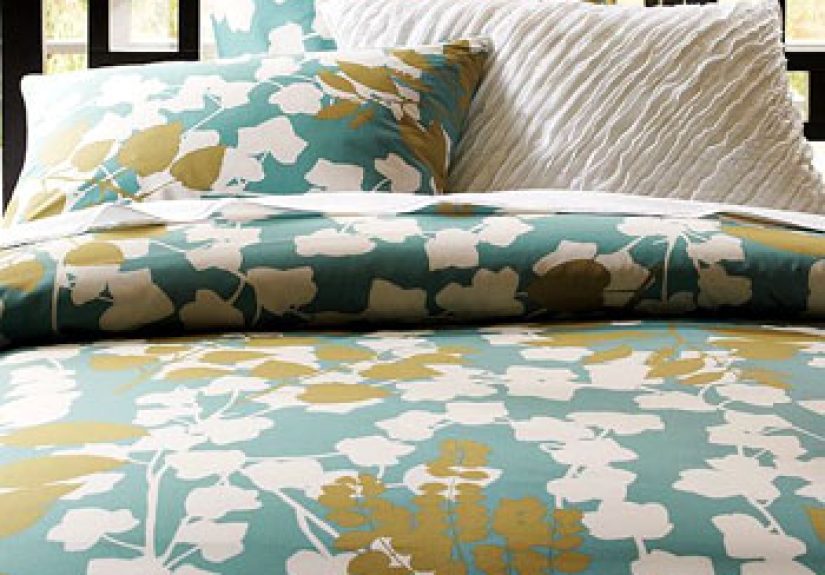
West Elm understands one thing very well: people want bedding that looks effortless, even when the effort involved includes wrestling a duvet insert like it owes you money. Their duvet covers usually lean modern, relaxed, and design-forward. Think soft earth tones, clean neutrals, muted blues, warm whites, and textured fabrics that say, “I have my life together,” even if your nightstand currently contains three charging cables and a mystery receipt.
The biggest visual appeal is that West Elm duvet covers often look layered without looking fussy. The organic washed cotton percale style has that crisp, hotel-inspired finish. The European flax linen option gives a more relaxed, lived-in look with natural wrinkles that somehow appear intentional. The cotton-linen blends sit in the middle: soft, casual, and less dramatic than full linen. For buyers who care about bedroom styling, this matters. A duvet is basically the largest visible surface in the room, so yes, it deserves more thought than “whatever was clean.”
Material Matters: Cotton Percale, Linen, Jersey, and Blends
The best West Elm duvet for you depends heavily on fabric. This is where many shoppers accidentally buy the wrong thing. They choose based on color, then spend the next three months wondering why they are either freezing, sweating, or lint-rolling like it is an Olympic sport.
Organic Cotton Percale
West Elm’s organic washed cotton percale duvet cover is one of the safest choices for people who want breathable, crisp bedding. Percale is known for a matte finish and a cool, airy feel. It does not cling to the body the way some silky fabrics can, and it usually works well for warm sleepers or anyone who likes that fresh-sheet sensation.
The organic cotton angle is also attractive. Many West Elm organic bedding products are marketed with certifications such as OEKO-TEX and GOTS, depending on the specific item. For shoppers, this means the fabric has been produced with attention to safer textile standards and, in some cases, organic fiber requirements. In normal human language: it is bedding that tries harder than the average mystery-fabric rectangle.
European Flax Linen
Linen is the stylish friend who shows up wrinkled and somehow still looks expensive. West Elm’s European flax linen duvet covers are popular because linen is breathable, textured, and naturally relaxed. It softens over time and tends to regulate temperature well, making it useful across seasons.
However, linen is not for everyone. If you want perfectly smooth bedding, linen may test your patience. It wrinkles. It has texture. It looks casual. That is the point. A linen duvet is best for someone who likes a cozy, unfussy bed that looks like it belongs in a sunlit design magazine spread where nobody owns a phone charger.
Cotton-Linen Blends
A cotton-linen blend can be a smart compromise. It usually feels softer and less rumpled than full linen while keeping some of the airy texture linen lovers enjoy. West Elm’s Reese linen-cotton duvet cover, for example, fits this middle category: relaxed, breathable, and easier to style than a fabric that wrinkles if you look at it too confidently.
Jersey and Soft Knit Options
Jersey duvet covers feel more like your favorite soft T-shirt. West Elm’s Cotton Cloud Jersey style uses a cotton-based blend on the front and cotton on the back, giving it a cozy, casual texture. Jersey is not as crisp as percale and not as textured as linen. It is soft, stretchy, and invitingideal for people who want their bed to feel like a Sunday morning.
Comfort Test: Does It Feel Worth It?
A good duvet cover should pass three tests: it should feel comfortable against the skin, hold the insert in place, and not make you question every purchase decision at 2:17 a.m. West Elm performs well in the comfort department, especially if you choose the right material for your sleep style.
The organic cotton percale option feels cool and clean. It is not slippery, heavy, or overly warm. It works especially well for people who prefer lightweight bedding and want something that can handle year-round use. The fabric may feel slightly structured at first, but cotton percale often gets softer with washing.
The linen option feels more textured from day one. Some people love that gentle, natural roughness; others prefer something smoother. Linen becomes softer over time, but it never turns into sateen. It remains linen: breathable, relaxed, and charmingly imperfect.
The jersey option is softer immediately and has a more casual feel. It may not give the same crisp visual finish as percale, but for comfort-first shoppers, it can be the one you keep reaching for after laundry day.
The Duvet Wrestling Match: Insert Fit and Corner Ties
Now we must discuss the sacred household ritual known as “putting the duvet insert inside the cover,” also known as “why couples argue on peaceful Sundays.” A duvet cover can be beautiful, breathable, and ethically made, but if the insert slides around inside like a lost ghost, the relationship is over.
West Elm duvet covers generally include closure systems such as buttons and interior ties, depending on the style. Corner ties are important because they help secure the insert and reduce shifting. Button closures are common and attractive, though some shoppers prefer zippers because they are faster. Buttons look classic, but yes, they require patience. Consider it a tiny character-building exercise disguised as home décor.
One practical tip: always compare your duvet insert dimensions to the duvet cover dimensions before buying. “Queen” and “full/queen” are not universal measurements across every brand. A slightly undersized insert can look limp inside the cover, while an oversized insert may create bunching. For a fluffier, hotel-style bed, some people intentionally size up the insert, but that works best when dimensions are close and the cover construction can handle it.
Temperature: Good for Hot Sleepers?
If you sleep hot, fabric choice matters more than the brand name. Cotton percale and linen are usually the strongest West Elm duvet options for airflow. Percale feels crisp and breathable, while linen has natural moisture-wicking qualities and a looser, airier feel. Cotton-linen blends can also work well for warm sleepers who want softness plus ventilation.
Jersey can feel cozy and comfortable, but it may not be the coolest choice for everyone. If your bedroom runs warm or you already use a heavy down insert, choose a lighter duvet cover fabric. A duvet cover should not turn your bed into a decorative sauna. That is what questionable gym memberships are for.
Durability: What to Expect Over Time
West Elm duvet covers are not bargain-bin bedding, so durability matters. Cotton percale is usually a dependable long-term choice because the weave is sturdy and the feel improves with repeated washing. Linen is also known for durability, although it needs proper care and may show natural wear differently than cotton. Jersey and silky fabrics can feel wonderful, but softer knits and delicate fibers sometimes require more careful laundering to avoid pilling, stretching, or texture changes.
The main durability advice is boring but powerful: follow the care label. Wash with mild detergent, avoid harsh bleach unless specifically allowed, skip fabric softener when it can coat fibers, and dry on lower heat when recommended. High heat may feel efficient, but it can be rude to fabric. Bedding is not pizza; blasting it is not always the answer.
Care and Washing: The Part Nobody Wants to Read but Everyone Needs
Wash your duvet cover before first use. This helps remove packaging odors, softens the fabric, and gives you a better idea of its real texture. After that, wash it regularly based on use. If you sleep directly under the duvet cover without a top sheet, wash it more often. If you use a top sheet, you may stretch the schedule a bit, but do not treat the duvet cover like museum glass.
For best results, remove the insert before washing the cover. Fasten buttons or zippers before laundering so they do not snag or twist. Wash similar colors together, use a gentle cycle when appropriate, and avoid overloading the machine. A large duvet cover needs room to move. If you cram it into a tiny washer with towels, jeans, and emotional baggage, do not be shocked when it comes out wrinkled and annoyed.
Style Pairing: How to Make a West Elm Duvet Look Expensive
A West Elm duvet already has a modern look, but styling makes a difference. For a clean hotel-style bed, choose white or ivory cotton percale, add two matching shams, and layer a textured throw at the foot of the bed. For a warmer, designer look, try clay, oatmeal, olive, or muted blue tones with wood furniture and soft lighting.
Linen looks best when you stop fighting the wrinkles. Smooth the bed lightly, fluff the pillows, and let the fabric relax. The goal is not military precision. The goal is “effortless weekend in a coastal cottage,” even if you live near a parking lot and your neighbor owns a leaf blower.
If you choose a darker duvet cover, consider pet hair and lint. Dark bedding can look dramatic and rich, but it also reveals every tiny fiber. Light neutrals are more forgiving and easier to style across seasons.
Pros and Cons of Ordering a West Elm Duvet
Pros
- Modern colors and textures that fit many bedroom styles
- Multiple fabric options, including organic cotton, linen, jersey, and blends
- Many styles include useful details such as corner ties and button closures
- Good options for breathable, year-round bedding
- Design feels more elevated than basic big-box bedding
Cons
- Prices can be higher than budget bedding brands
- Some fabrics wrinkle, especially linen and percale
- Button closures take more effort than zippers
- Fabric feel varies widely, so choosing the wrong material can disappoint
- Availability, colors, and shipping times may change
Who Should Buy a West Elm Duvet?
A West Elm duvet is a good fit for someone who wants attractive bedding that balances comfort and design. It is especially appealing if you care about fabric texture, muted colors, and a bedroom that feels more curated. Choose organic cotton percale if you want crisp and cool. Choose linen if you want breathable texture and a relaxed look. Choose cotton-linen if you want the middle path. Choose jersey if your top priority is softness.
It may not be the best choice if you want the cheapest possible duvet cover, a perfectly wrinkle-free surface, or ultra-fast bedding changes. West Elm leans more style-conscious than purely utilitarian. You are partly paying for design, color palette, and fabric selection.
Our Experience: What It Was Like Living With a West Elm Duvet
The first night with the West Elm duvet felt like upgrading from “bed” to “sleep station with interior design aspirations.” The fabric had that fresh-out-of-the-package stiffness at first, but after washing, it settled into a softer, more natural feel. The biggest surprise was how much the duvet changed the entire room. A new duvet cover is not technically a renovation, but emotionally? It is at least a small HGTV episode.
Making the bed looked better immediately. The corners sat neatly, the color felt calmer than expected, and the texture added depth without needing ten decorative pillows. This is important because decorative pillows are beautiful, but they also become a nightly obstacle course. With the West Elm duvet, the bed looked finished with just shams and one throw blanket. That is a win for anyone who wants style without creating a pillow traffic jam.
The insert stayed reasonably secure thanks to the interior ties. There was still some normal shifting after a few nights, especially near the top corners, but nothing dramatic. A quick shake in the morning helped redistribute the fill. If you are sensitive to bunching, take the extra two minutes to tie every corner carefully. Future you will be grateful, especially at midnight when you do not want to perform blanket surgery.
Temperature-wise, the cotton percale style was the most practical for year-round use. It felt breathable and did not trap too much heat. In a cooler room, it paired nicely with a medium-weight insert. In warmer weather, it still felt comfortable with a lighter duvet insert. The linen option had more texture and an airier drape, which made it feel relaxed and naturally cool. The jersey style was the coziest but less crisp, better suited to someone who wants softness over structure.
After washing, wrinkles were noticeable but not shocking. Percale wrinkled in a clean, lived-in way. Linen wrinkled because linen wakes up every morning and chooses wrinkles. Removing the cover from the dryer while slightly damp helped reduce creasing. So did putting it on the bed right away instead of letting it sit in a laundry basket until it developed permanent origami skills.
One practical lesson: color choice matters. A white or ivory duvet makes the room feel bright and fresh, but it also asks you to behave like someone who never drinks coffee in bed. A mid-tone shade is more forgiving. Earthy colors, soft gray, blue, or warm beige can hide minor lint and still look polished. If pets sleep on the bed, textured or medium-toned fabric is your friend.
The best part of the experience was how easy the duvet made the room feel “done.” It did not need loud patterns or complicated styling. The quality of the fabric and the muted design did most of the work. The worst part was the usual duvet-cover installation process, because no brand has fully solved the ancient problem of humans trying to stuff a cloud into a fabric envelope.
Would we order a West Elm duvet again? Yes, with one condition: we would choose based on fabric first and color second. The right material makes the purchase feel worth it. The wrong material, even in the perfect color, will annoy you every night. Bedding is personal. Your sleep style should make the final decision, not just the product photo.
Final Verdict: Stylish, Comfortable, and Best When Chosen Carefully
Ordering a West Elm duvet can be a smart upgrade if you want bedding that looks elevated and feels thoughtfully made. The brand offers enough variety that most sleepers can find a good match, but that variety also means you need to shop carefully. Cotton percale is best for crisp breathability. Linen is best for relaxed texture and airflow. Cotton-linen blends offer softness with casual structure. Jersey is best for cozy comfort.
The overall value depends on what you expect. If you want a duvet cover that instantly improves the look of your bedroom and feels better than basic bedding, West Elm is worth considering. If you want wrinkle-free perfection or the lowest price, you may want to compare other options before clicking “add to cart.”
In the end, the West Elm duvet delivered what we hoped for: a better-looking bed, breathable comfort, and a small daily luxury that made bedtime feel more intentional. It did not magically fold the laundry or make the alarm clock kinder, but honestly, no duvet has that technology yet.