Table of Contents >> Show >> Hide
- What Is the Vase of the Seven Nights?
- The Design Story Behind Tsé & Tsé Associées
- Why This Vase Works as a Modern Home Accessory
- Best Places to Display the Vase of the Seven Nights
- How to Style Flowers in the Vase of the Seven Nights
- Fresh Flowers, Dried Flowers, or Faux Stems?
- How to Care for the Vase
- Decor Styles That Pair Well With the Vase of the Seven Nights
- Is the Vase of the Seven Nights Worth It?
- Practical Styling Examples
- Experience Notes: Living With the Vase of the Seven Nights
- Conclusion
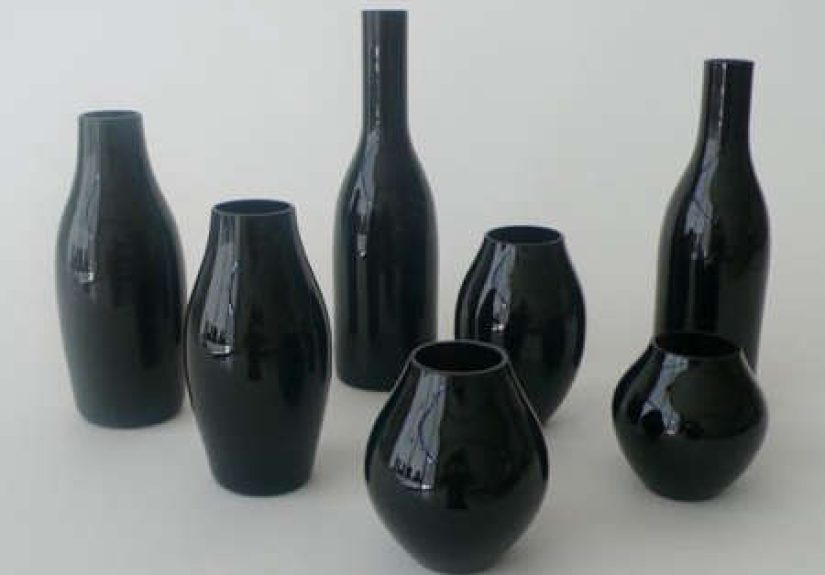
Some home accessories politely sit in the background. Others stroll into the room wearing a black velvet jacket and somehow make the flowers look like they have better posture. The Vase of the Seven Nights, also known as the Tsé & Tsé 7 Nights Vase, belongs firmly in the second group. It is not a single vase in the traditional “put roses here and hope for the best” sense. Instead, it is a poetic set of seven black blown-glass bottles, each shaped differently, each designed to hold a single stem or a small floral moment.
As a decorative home accessory, the Vase of the Seven Nights is more than a container. It is a tiny stage set. The stems disappear into dark glass, the blooms rise above like moonlit performers, and the whole arrangement feels intentional even when you bought the flowers from the grocery store while also picking up oat milk and paper towels. That is the magic of a well-designed vase: it does not merely hold flowers; it edits them.
This article explores the design story, styling potential, care tips, and real-life experience of using the Vase of the Seven Nights in modern interiors. Whether you are styling a mantel, refreshing a dining table, building a quiet bedroom vignette, or trying to convince one lonely tulip that it is living its best life, this accessory has range.
What Is the Vase of the Seven Nights?
The Vase of the Seven Nights is a set of seven black blown-glass soliflore vases created by the French design brand Tsé & Tsé Associées. A soliflore is a vase meant for one flower or a small number of stems, and this design takes that idea and turns it into a sculptural composition. The seven bottles vary in height, from approximately 8 to 23 centimeters, with an average diameter of about 8.5 centimeters. Together, they create a visual rhythm that moves from round, bulb-like forms to taller, slimmer silhouettes.
The design is inspired by the stages of flowering: the bulb, the emerging stem, the upward reach, and finally the bloom. Instead of showing the entire plant, the vase hides the stems and lets the flowers take the spotlight. That makes the accessory especially useful for minimal floral styling, where a few stems can look artistic rather than accidental.
The black glass is the defining feature. Clear glass vases reveal every stem, leaf, water line, and awkward scissor cut. The Seven Nights Vase says, “Relax, I’ve got this.” By concealing the stems, it gives even simple flowers a cleaner, more dramatic presentation. White, cream, blush, yellow, orange, and bright green stems look especially striking against the dark surface.
The Design Story Behind Tsé & Tsé Associées
Tsé & Tsé Associées was founded by designers Catherine Lévy and Sigolène Prébois, whose work has long been associated with poetic, witty, and unconventional household objects. Their designs often sit somewhere between practical object and tiny daydream. The brand is known for pieces that feel handmade, expressive, and slightly mischievousin the best possible way.
One of the brand’s best-known objects is the April Vase, a flexible row of glass tubes inspired by Japanese ikebana. That same sensitivity to individual stems appears in the Vase of the Seven Nights. Instead of treating flowers as one large bouquet, the design honors each stem as a character. A single ranunculus, a sprig of jasmine, a tulip, a poppy, or a clipped garden herb can stand alone and still feel complete.
Why This Vase Works as a Modern Home Accessory
The best accessories do three things: they add visual interest, they serve a purpose, and they make a room feel more personal. The Vase of the Seven Nights checks all three boxes without needing to shout. Its color is bold, but its shape is simple. Its function is floral, but its presence is sculptural. It works when full of flowers, partially filled, or empty.
It Creates Instant Visual Rhythm
Interior designers often talk about scale, height, and movement when styling shelves and surfaces. The Seven Nights Vase gives you those elements immediately. Because the seven pieces vary in shape and height, the eye naturally travels across the arrangement. You can line them up in a neat row for a gallery-like look, cluster them tightly for a centerpiece, or separate them into smaller groups around a room.
It Makes Fewer Flowers Look Better
Large bouquets are beautiful, but they can be expensive, messy, and sometimes a little too enthusiastic for everyday living. This vase is ideal for a few carefully chosen stems. One dramatic branch, three tulips, two roses, and a bit of greenery can look refined instead of sparse. That makes the accessory practical for people who like fresh flowers but do not want to buy a florist-level arrangement every week.
It Adds Contrast Without Clutter
Black accessories are useful in interior design because they ground a room. A small black object can make pale walls, light wood, marble, linen, and neutral upholstery look more intentional. The Vase of the Seven Nights is especially effective on white shelves, pale stone countertops, oak dining tables, cream mantels, and light-colored consoles. The contrast is elegant but not heavy.
Best Places to Display the Vase of the Seven Nights
Because this vase is modular, it can adapt to many rooms. That flexibility is one of its greatest strengths. You are not locked into one dramatic centerpiece forever. You can style it differently depending on the season, the flowers available, and your current level of domestic ambition.
On a Dining Table
A long dining table is one of the best places for the Vase of the Seven Nights. Line the seven bottles down the center and add low or medium-height stems so guests can see each other across the table. Nobody wants to discuss pasta through a hydrangea jungle. Use ranunculus, anemones, tulips, cosmos, or clipped herbs for a relaxed but polished tablescape.
On a Mantel
A mantel gives the vase a clean horizontal stage. Try placing the bottles in a slightly uneven line, then add stems that lean naturally in different directions. This creates movement without looking messy. Pair the vase with a mirror, framed art, or a small stack of books. Leave some negative space so the arrangement can breathe.
On a Console Table
In an entryway, the Seven Nights Vase becomes a stylish welcome note. A few seasonal stems can make the whole home feel considered before anyone has even taken off their shoes. For a calm look, use one color family. For more personality, mix wildflowers, branches, and greenery. The vase’s dark glass keeps the arrangement from becoming visually chaotic.
On a Desk or Bedside Table
You do not need all seven bottles in one place. Place one or two on a desk with a single stem of eucalyptus, lavender, or a small rose. Add another on a bedside table with a sprig of greenery. This is where the vase becomes less of a formal design object and more of a daily mood booster. It is hard to feel completely defeated by email when a tiny flower is standing nearby like a botanical life coach.
How to Style Flowers in the Vase of the Seven Nights
The key to styling this vase is restraint. Because the object already has strong shape and contrast, you do not need to overload it. Think “edited garden,” not “wedding reception after a caffeine incident.”
Choose Flowers With Distinct Shapes
Flowers with expressive silhouettes work beautifully. Tulips, poppies, ranunculus, sweet peas, anemones, dahlias, hellebores, cosmos, and single roses are strong choices. For a more architectural look, use branches, seed pods, allium, or long grasses. The black glass makes unusual forms stand out, so do not be afraid of stems that curve, bend, or lean.
Use Odd, Natural Placement
Although there are seven vessels, you do not need to fill every one. Leaving one or two empty can make the arrangement feel more modern. Fill five bottles with flowers and let two remain sculptural. Or place flowers in all seven, but vary the height and direction of each stem. A little asymmetry gives the arrangement life.
Think About Color
White flowers create the most dramatic contrast with the black glass. Soft pink and peach flowers create romance. Yellow and orange blooms feel warm and energetic. Deep red or burgundy flowers create a moody, evening-ready look. Greenery alone can also be stunning, especially in minimalist interiors.
Keep the Stems Clean
Even though the vase hides stems, flower care still matters. Remove leaves that would sit below the water line, trim stems at an angle, and place flowers in clean water. The goal is to avoid bacteria buildup and help the stems drink properly. Beautiful flowers deserve hydration. So do writers, but that is a separate article.
Fresh Flowers, Dried Flowers, or Faux Stems?
The Vase of the Seven Nights works with fresh, dried, and high-quality faux stems, but each option creates a different mood.
Fresh Flowers
Fresh flowers bring movement, scent, and seasonal character. In spring, try tulips, ranunculus, narcissus, or flowering branches. In summer, use cosmos, zinnias, dahlias, or herbs. In fall, choose grasses, chrysanthemums, marigolds, or seed pods. In winter, go simple with evergreen sprigs, white roses, or bare branches.
Dried Flowers
Dried flowers suit the vase’s darker, poetic personality. Try dried grasses, bunny tails, preserved eucalyptus, strawflowers, or dried lavender. Because dried stems do not require water, they are easy to maintain and ideal for shelves, guest rooms, and spaces where fresh flowers are likely to be forgotten until they become a science experiment.
Faux Stems
Faux stems can work well if they are realistic and used sparingly. The black glass is helpful because it conceals artificial stem details. Choose fewer, better stems rather than a crowded artificial bouquet. One convincing faux branch will look more elegant than twelve shiny plastic blossoms trying too hard.
How to Care for the Vase
The official care guidance for the Seven Nights Vase is simple: hand wash with mild soap or dishwashing liquid. Because it is made of blown glass, avoid harsh scrubbing, abrasive pads, and sudden temperature changes. Treat it like a design object, not a soup pot.
After using fresh flowers, empty the water, rinse each bottle, and let the pieces dry fully before storing or restyling. A small bottle brush can help clean the interiors, especially if stems have left residue. If the water becomes cloudy, refresh it quickly. Clean water extends the life of flowers and keeps the vase pleasant to use.
Decor Styles That Pair Well With the Vase of the Seven Nights
The Vase of the Seven Nights is versatile because its personality is both minimal and artistic. It can sit quietly in a restrained room or add sophistication to a more layered space.
Minimalist Interiors
In minimalist homes, the vase becomes a focal point. Place it on a pale wood table or white shelf with one or two stems. The contrast will feel crisp and intentional.
Modern Organic Spaces
Modern organic interiors use natural materials such as wood, linen, stone, clay, and woven textures. The black blown glass adds a refined edge while still feeling handmade and natural.
Parisian-Inspired Rooms
The vase’s French design heritage makes it a natural fit for Parisian-inspired interiors. Pair it with vintage art, marble, brass, books, and slightly imperfect flowers. The result should feel elegant but not overly polished.
Eclectic Homes
In colorful, collected rooms, the vase acts as a grounding element. Its dark tone can balance patterned textiles, bright art, and mixed furniture styles.
Is the Vase of the Seven Nights Worth It?
The answer depends on what you expect from a home accessory. If you want a basic vase for supermarket bouquets, many affordable options will do the job. But if you want a sculptural object that can transform a few stems into a designed arrangement, the Vase of the Seven Nights offers lasting value.
Its strength is not only in holding flowers. It changes how you arrange them. It encourages you to notice individual stems, seasonal shapes, and the space around objects. It is the kind of accessory that makes a room feel more thoughtful without requiring a full redesign. In that sense, it behaves like good lighting, a beautiful tray, or a perfectly placed mirror: small object, large effect.
Practical Styling Examples
Example 1: The Minimal Monday Arrangement
Use three white tulips, two sprigs of eucalyptus, and two empty bottles. Place the vases in a straight line on a console table. The look is clean, calm, and perfect for a workweek reset.
Example 2: The Dinner Party Lineup
Fill all seven bottles with low stems: ranunculus, herbs, small roses, and delicate greenery. Keep the flowers below eye level. Add linen napkins and simple candles. Suddenly, dinner feels planned, even if dessert came from a box.
Example 3: The Moody Evening Mantel
Use burgundy dahlias, dark foliage, and one or two bare branches. Place the bottles in an uneven cluster beside a framed print. This creates a dramatic, gallery-like arrangement that suits fall and winter interiors.
Example 4: The Everyday Kitchen Moment
Clip herbs, tiny garden flowers, or even a single leafy branch. Place two bottles near the kitchen window. It adds life without stealing counter space, which is important because counters are already busy hosting coffee mugs, mail, and that one avocado you are emotionally monitoring.
Experience Notes: Living With the Vase of the Seven Nights
The first experience of using the Vase of the Seven Nights is usually surprise. Most people are used to thinking of a vase as one object with one opening. This piece asks you to slow down and compose. You do not simply drop flowers into it; you make small decisions. Which bottle gets the tallest stem? Which flower deserves to stand alone? Should the roundest bottle hold a bloom or remain empty? These choices sound tiny, but they change the way you interact with flowers.
In everyday use, the vase is especially friendly to imperfect bouquets. A mixed bunch from the market often includes stems of different lengths, shapes, and conditions. In a regular vase, those differences can look messy. In the Seven Nights Vase, they become useful. The short stem goes in the smaller bottle. The dramatic curved stem goes in the tallest one. The slightly shy flower gets its own space instead of being swallowed by larger blooms. The vase turns floral limitations into design choices.
Another pleasant experience is how well it works with leftovers. After a large bouquet begins to fade, there are usually a few survivors: one rose still standing, a bit of greenery, maybe a branch that refuses to give up. Instead of throwing everything away, you can rescue the best stems and give them a second life in the Seven Nights Vase. This makes the accessory feel practical, not precious. It stretches the beauty of flowers and reduces waste.
The vase also changes the mood of a room depending on where it is placed. On a dining table, it feels social and decorative. On a mantel, it becomes sculptural. On a bedside table, it feels intimate. On a desk, it offers a small reminder that beauty does not need to be loud. That flexibility is valuable, especially in smaller homes where every accessory needs to earn its place.
There is also something satisfying about the black glass. It hides the unromantic parts of flower arranging: cloudy stems, uneven cuts, and the occasional leaf you forgot to remove. This makes arrangements look cleaner with less effort. For beginners, that is a confidence boost. For experienced decorators, it is a shortcut to elegance.
The main lesson from living with this vase is that abundance is not always the goal. Sometimes one stem, properly framed, has more impact than a crowded bouquet. The Vase of the Seven Nights encourages attention, restraint, and play. It is stylish, yes, but it is also quietly fun. It invites you to experiment with flowers the way you might arrange objects on a shelf or ingredients on a plate. A little height here, a little color there, a pause in between.
If you enjoy home accessories that do more than decorate, this vase offers a rewarding experience. It teaches you to see flowers as individual shapes and to appreciate negative space as part of the design. It makes small arrangements feel special and large rooms feel more personal. Most importantly, it proves that a vase can be both useful and poetican accessory that holds flowers, frames moments, and makes ordinary evenings feel just a little more designed.
Conclusion
The Vase of the Seven Nights is a standout decorative accessory for anyone who appreciates thoughtful design, sculptural simplicity, and floral styling that does not require a professional florist on speed dial. Its seven black blown-glass bottles create rhythm, contrast, and flexibility, while its soliflore format celebrates the beauty of individual stems.
It works in minimalist rooms, eclectic homes, modern organic interiors, and Parisian-inspired spaces. It can hold fresh flowers, dried stems, faux branches, or nothing at all. More than a vase, it is a tool for composing small moments of beauty. And really, any object that can make three grocery-store tulips look intentional deserves a little applause.