Table of Contents >> Show >> Hide
Muscle cramps have a special talent for showing up at the worst possible moment. They strike in the middle of the night, during a workout, halfway through a hike, or right when you finally sit down and decide to relax like a responsible adult. One second you are fine. The next second your calf is auditioning for a disaster movie.
The good news is that food may help. The less-fun news is that there is no single miracle snack that guarantees your muscles will behave forever. Muscle cramps can be linked to dehydration, heavy sweating, muscle fatigue, low or shifting electrolyte levels, certain medications, pregnancy, illness, or underlying medical conditions. That means a smart diet can support your muscles, but it is not a substitute for medical care when cramps are frequent, severe, or come with weakness, swelling, numbness, or other unusual symptoms.
Still, what you eat matters. Foods rich in potassium, magnesium, calcium, sodium, water, and vitamin D can support normal muscle contraction, nerve signaling, and fluid balance. In plain English: your muscles need fuel, fluids, and minerals to stop acting dramatic.
Why food can matter for muscle cramps
When muscles contract and relax normally, they rely on a steady balance of fluids and electrolytes. Potassium helps with fluid balance and muscle contraction. Magnesium supports muscle and nerve function. Calcium helps muscles contract. Sodium helps regulate fluid balance and nerve signaling, especially when you lose a lot of sweat. Vitamin D matters too because it supports muscle function and helps your body absorb calcium.
That is why cramps sometimes improve when people eat more nutrient-dense foods and pay better attention to hydration. Not because a banana is magic, but because the whole system works better when it is not running on fumes.
12 foods that may help with muscle cramps
1. Bananas
Bananas are the poster child of anti-cramp foods, and for good reason. They are well known for potassium, and potassium plays a role in muscle contraction and fluid balance. Bananas are also easy to eat before or after exercise, gentle on the stomach, and simple to pair with other helpful foods like yogurt or peanut butter.
If your cramps tend to show up after sweating, travel, or a long workout, a banana can be a practical option. Just do not expect one banana to solve a cramp caused by overtraining, poor sleep, or dehydration. It is a team player, not a superhero.
2. Avocados
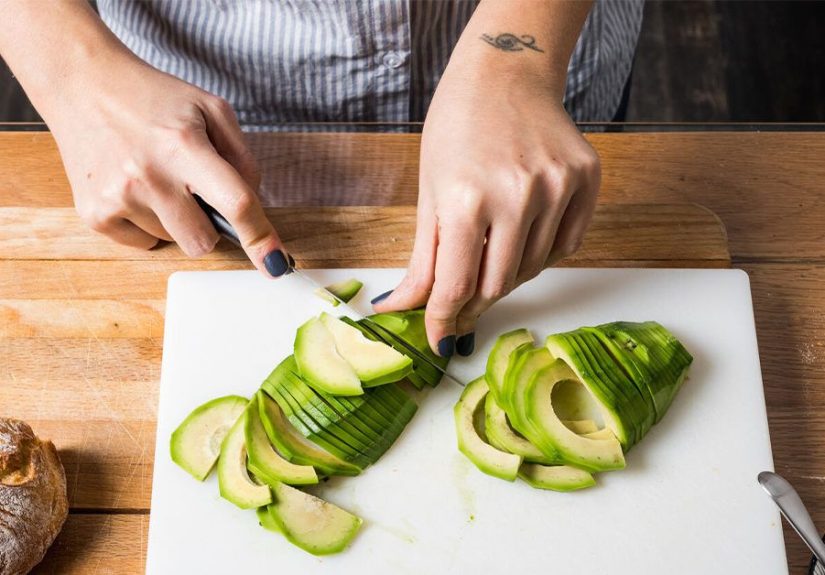
Avocados deserve more credit in the cramp conversation. They provide potassium and magnesium, plus satisfying healthy fats that make meals more filling. If you are tired of hearing about bananas, avocados are your overachieving, quieter cousin.
Try avocado on whole-grain toast, in a burrito bowl, or mashed into a sandwich. When cramps happen alongside heavy activity or inconsistent eating, a more balanced meal can sometimes help more than a random snack grabbed in panic mode.
3. Sweet potatoes
Sweet potatoes bring potassium to the table and also provide carbohydrates, which can be useful if cramps show up after exercise or long physical activity. They are versatile, affordable, and much more exciting than bland “healthy food” stereotypes suggest.
A baked sweet potato with Greek yogurt, beans, or a little salt can create a cramp-friendly meal that supports hydration and electrolyte recovery at the same time.
4. Watermelon
Watermelon is not just summer confetti with a rind. It is packed with water, which makes it helpful when dehydration is part of the problem. If you tend to cramp in hot weather, after outdoor work, or after sweaty workouts, water-rich foods can support your fluid intake along with actual beverages.
Watermelon also feels easier to eat when you are hot, tired, or not in the mood for a full meal. That alone can make it useful in real life, which is where most nutrition advice either shines or completely falls apart.
5. Spinach
Spinach is one of those foods that quietly does a lot of heavy lifting. It provides magnesium and also contributes potassium. Since magnesium supports muscle and nerve function, spinach makes sense as part of a food-first plan for people who deal with occasional cramps.
Add spinach to omelets, soups, pasta, smoothies, or grain bowls. Cooked spinach is especially easy to work into meals if chewing through a giant raw salad sounds like punishment.
6. Kale
Kale gets teased a lot, but nutritionally it has receipts. It can contribute calcium, and calcium plays an important role in muscle contraction. If your overall diet is low in dairy, kale and other calcium-containing vegetables can help fill part of the gap.
Massage raw kale with olive oil for salads, stir it into soups, or sauté it with garlic. If you are already hearing the tiny violin of healthy eating in the background, adding kale to a flavorful dish is the fix.
7. Beans
Beans bring a helpful mix of potassium and magnesium, plus fiber and plant protein. Black beans, white beans, kidney beans, and other varieties can support muscle health while also making meals more satisfying.
Beans are especially useful for people who want a budget-friendly option. A simple bowl of beans, rice, avocado, and greens gives you several cramp-supportive nutrients in one meal. That is efficient, delicious, and a little smug in the best possible way.
8. Lentils
Lentils deserve their own spot because they are easy to cook, rich in magnesium and potassium, and work well in soups, salads, curries, and grain bowls. They are one of the best examples of a humble pantry food doing star-level work.
For people who cramp when they skip meals or train hard without refueling, lentils can help create a steady, balanced plate instead of a random collection of snacks and hope.
9. Pumpkin seeds
If magnesium had a fan club, pumpkin seeds would be president. They are a concentrated source of magnesium and make an easy snack to keep on hand. Sprinkle them on oatmeal, yogurt, or salads, or eat a small handful on their own.
They are also convenient for busy people who do not have time to roast a sweet potato every time a calf muscle starts sending threatening emails.
10. Almonds
Almonds can contribute magnesium and work well as a portable snack. They pair nicely with fruit, yogurt, or cheese, which makes it easy to turn them into a more complete option for recovery or between meals.
Because they are calorie-dense, portion size matters, but that is not a reason to avoid them. It is just a reminder that “healthy” and “bottomless handfuls while scrolling” are not always the same thing.
11. Yogurt
Yogurt is one of the most practical foods on this list because it can provide calcium, potassium, protein, and fluid all at once. If you want something simple after exercise or before bed, yogurt checks a lot of boxes without requiring culinary ambition.
Greek yogurt with banana slices, berries, and pumpkin seeds is basically the overachiever’s anti-cramp snack. Choose lower-sugar options when possible, especially if you eat yogurt regularly.
12. Milk, fortified milk alternatives, salmon, and sardines
This final slot is really about calcium and vitamin D support. Milk naturally provides calcium, and many U.S. dairy milks are fortified with vitamin D. Many plant-based milks are fortified too. Fatty fish like salmon also provide vitamin D, while canned sardines and salmon with bones can contribute calcium.
Why does that matter? Because vitamin D supports muscle function and helps the body absorb calcium. If your diet is consistently low in both, your muscles may not be getting ideal support. A glass of fortified milk, a salmon dinner, or a sardine toast situation can all help move things in the right direction.
How to eat these foods in a way that actually helps
The biggest mistake people make is treating cramps like a one-food emergency. They eat one banana, wait five minutes, and then act offended when biology does not operate like a vending machine. A better strategy is to build habits that support muscles every day.
- Pair fluids with food, especially in hot weather or after exercise.
- Spread potassium- and magnesium-rich foods across the day instead of relying on one meal.
- Include calcium sources regularly if your diet is low in dairy or fortified alternatives.
- After heavy sweating, consider replacing both fluids and some sodium, not just drinking plain water.
- Eat enough overall. Under-fueling can make muscle fatigue and recovery worse.
A practical plate might look like grilled salmon, sweet potato, and sautéed spinach. Or yogurt with banana and pumpkin seeds. Or beans, avocado, kale, and rice with a little salt. Fancy is optional. Consistency is not.
When food is not enough
Sometimes cramps are not mainly about diet. They may be related to medication use, nerve compression, circulation problems, pregnancy, illness, kidney issues, or simple muscle overuse. That is why recurring cramps should not be shrugged off forever.
Talk with a healthcare professional if your cramps are severe, happen often, keep waking you up, come with weakness or swelling, or do not improve with basic self-care. This is especially important if you have heart disease, kidney disease, or take medications that can affect fluid or mineral balance, such as diuretics.
Also worth knowing: supplement evidence is mixed, especially for magnesium in common nighttime leg cramps. That does not mean food is useless. It means smart eating is part of a bigger picture that includes hydration, training load, stretching, sleep, and medical history.
Final thoughts
If muscle cramps keep barging into your life, your grocery list may deserve a closer look. Foods rich in potassium, magnesium, calcium, vitamin D, and water can help support normal muscle function and hydration. Bananas get the spotlight, but they are far from the only useful option. Avocados, leafy greens, beans, lentils, seeds, yogurt, milk, and fatty fish all bring something valuable to the table.
The best approach is not chasing one miracle food. It is building meals and snacks that help your muscles do their job without throwing a tantrum at 2 a.m. Your calves may never send a thank-you note, but they might at least stop yelling.
Extended experiences related to muscle cramps and food choices
Many people first notice a pattern with cramps before they ever think about nutrition. A runner may realize calf cramps hit hardest after hot-weather workouts when lunch was rushed and hydration was an afterthought. An older adult may notice nighttime leg cramps are more common on days when dinner was light and fluid intake was low. A parent working in the yard all afternoon may discover that plain water alone was not enough after hours of sweating in the sun. These experiences do not prove that one food “cures” cramps, but they often reveal a practical truth: muscle cramps tend to show up when the body is stressed, under-fueled, dehydrated, or low on electrolyte-rich foods.
Another common experience is assuming the answer must be one specific food. People often reach for bananas first because that is the food most associated with cramps. Sometimes that helps, especially if potassium intake has been low. But many people eventually learn that their cramps improve more when they build balanced meals instead of relying on one famous fruit. For example, someone may start eating yogurt with fruit in the morning, adding beans or greens at lunch, and having salmon or a baked potato at dinner. Over time, they may notice fewer cramps, better energy, and less post-exercise fatigue. That kind of improvement usually comes from the overall pattern, not a single heroic snack.
People who experience cramps during travel also report interesting patterns. Long flights, road trips, poor sleep, salty convenience foods, inconsistent water intake, and less movement can all create the perfect storm. In those situations, water-rich fruit, yogurt, nuts, and simple potassium-rich foods often feel much more helpful than ultra-processed snacks. Even small habits, like packing pumpkin seeds, choosing a banana at breakfast, or ordering a side of potatoes and greens instead of fries alone, can make a noticeable difference in how the body feels.
There is also the experience of learning what does not work. Some people drink large amounts of plain water after cramping and still feel lousy because they lost both fluids and electrolytes through sweat. Others buy supplements expecting instant results and end up disappointed. And many people discover that cramps keep returning until they address the basics: enough fluids, enough food, a better recovery routine, and sometimes a conversation with a healthcare professional. That can be frustrating, but it is also empowering. It means there are several levers to pull, not just one.
Perhaps the most useful experience of all is noticing that prevention feels less dramatic than treatment. A balanced eating pattern does not create a cinematic moment. No soundtrack plays when you eat spinach at lunch or yogurt after a workout. But over time, those boring little choices can create steadier hydration, better recovery, and fewer painful surprises in the middle of the night. It is not flashy. It is just effective. And when it comes to muscle cramps, effective beats dramatic every single time.