Table of Contents >> Show >> Hide
- The First Lesson: Survival Required Speed, Not Perfection
- From Dining Room to Doorstep: The Off-Premises Revolution
- Delivery Created New Revenueand New Risks
- Outdoor Dining Became a New Kind of Stage
- Technology Went from Optional to Essential
- Menus Got Smaller, Smarter, and More Profitable
- Cash Flow Became the Daily Scoreboard
- People Became the Center of the Business
- Community Loyalty Was More Than a Nice Story
- Insurance and Risk Management Moved to the Front Burner
- What Restaurant Owners Learned About the Future
- Additional Experiences: What Owners Still Carry From the Pandemic
- Conclusion: The Pandemic Playbook Was Written in Real Time
The pandemic did not knock politely on the restaurant industry’s front door. It kicked it open, turned off the dining room lights, rearranged the tables, borrowed the chef’s favorite knife, and asked, “So, what’s for takeout?” For restaurant owners across the United States, survival during COVID-19 became a daily experiment in courage, math, duct tape, and the kind of optimism usually reserved for people who believe brunch service will run smoothly.
Restaurants were hit early and hard. Dining rooms closed, sales collapsed, staff were furloughed, and owners suddenly had to answer questions that had never appeared in a business plan: Can a fine-dining restaurant become a burger drive-up by Friday? Can cocktails travel safely in sealed containers? Does the insurance policy say anything about employees using their own cars for delivery? And why, exactly, does a single case of gloves now cost more than a weekend getaway?
Inspired by the IA Magazine discussion of restaurant owners adapting under pandemic pressure, this article looks at how operators learned to survive: by moving fast, simplifying menus, embracing delivery, adopting contactless technology, rethinking insurance exposures, protecting workers, and discovering that loyal customers can be as important as a line of credit.
The First Lesson: Survival Required Speed, Not Perfection
Before 2020, many restaurant owners planned changes carefully. A new menu might take months. A new ordering platform might require meetings, demos, staff training, and at least one manager muttering, “The old system was fine.” During the pandemic, that timeline shrank from months to days.
Restaurants that survived often did not wait for the perfect answer. They tried something, measured the result, and adjusted. The white-tablecloth restaurant became a family-meal pickup window. The neighborhood bar sold pantry staples. The bakery launched online preorders. The diner that once depended on breakfast rushes learned to package pancakes so they arrived fluffy instead of tragic.
This rapid experimentation became the industry’s emergency muscle. Owners had to accept that a temporary idea could become a lifeline. Some pivots failed. Some worked for three weeks and then stopped working. Others became permanent revenue streams. The difference was not always genius. Often, it was willingness to move before the spreadsheet looked pretty.
From Dining Room to Doorstep: The Off-Premises Revolution
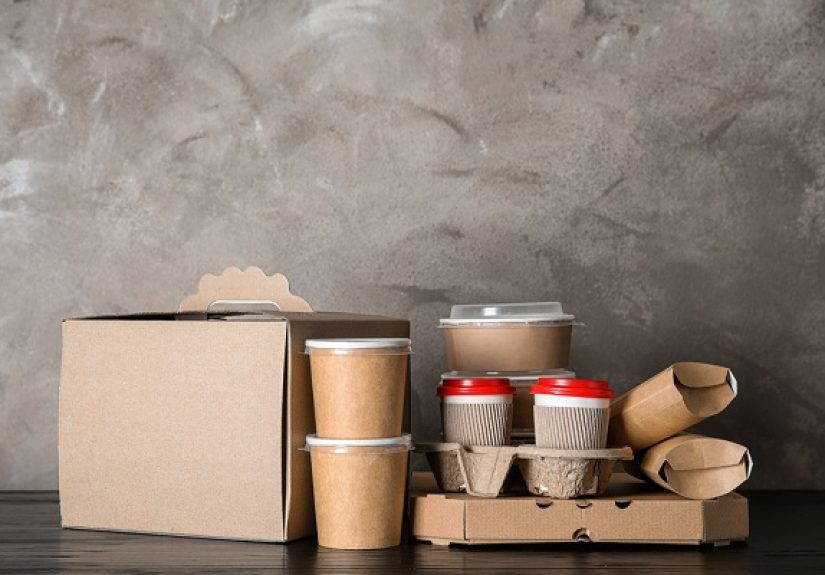
The most visible pandemic shift was the explosion of off-premises dining: takeout, curbside pickup, delivery, meal kits, family bundles, and third-party app orders. For many restaurants, off-premises service was once a side hustle. During lockdowns and capacity limits, it became the main event.
Owners quickly learned that delivery is not simply “dining room food in a box.” It is a different business model. Food has to travel well. Packaging matters. Timing matters. Fries, the drama queens of the takeout world, need special handling. Sauces need lids that do not stage a rebellion in the bag. High-end dishes must be redesigned so they still feel special after a car ride.
Some restaurants trimmed their menus to focus on items that were profitable, popular, and portable. Others created family-style meals because customers wanted comfort, value, and fewer decisions after a day of remote work, online school, and pretending the Wi-Fi was “basically fine.” Restaurants that had never sold groceries began offering produce boxes, bread, sauces, or butcher cuts. In many communities, restaurants became mini-markets overnight.
Delivery Created New Revenueand New Risks
The IA Magazine article highlighted a point many owners had to learn quickly: delivery changes a restaurant’s risk profile. When restaurants used employees or hired drivers to deliver food, they had to think about hired and non-owned auto exposure. When they used third-party services, they had to understand where responsibility began and ended. In plain English: the food may be yours, but the driver, the app, and the customer experience may not be fully under your control.
That created practical questions. What happens if an employee has an accident while delivering? What does the restaurant’s policy cover? What insurance requirements do delivery platforms impose? How should food quality complaints be handled when a third-party driver takes a scenic route worthy of a nature documentary?
Restaurant owners who survived became more fluent in insurance, contracts, and operational details. They learned that a pivot is not complete just because the “Order Now” button works. The back endcoverage, procedures, employee training, food safety, customer communication, and documentationmatters just as much as the front end.
Outdoor Dining Became a New Kind of Stage
When indoor dining was restricted, sidewalks, parking lots, patios, alleys, and streets became dining rooms. Suddenly, restaurant owners were part chef, part architect, part weather forecaster, and part amateur engineer. A parking space could become a patio. A tent could become a lifeline. A heat lamp could become the most popular employee on staff.
Outdoor dining helped restaurants bring back some hospitality while reducing indoor crowding concerns. But it came with its own puzzle: permits, traffic barriers, spacing, sanitation, weather, noise, lighting, and accessibility. In colder climates, the outdoor dining season became a test of creativity. Customers sat under tents, beside planters, near heaters, and occasionally under blankets, eating pasta as if they were on a very delicious camping trip.
The lesson was bigger than patio furniture. Restaurants learned to use every available square foot differently. Space became flexible. A dining room could become a packing station. A bar could become a pickup shelf. A sidewalk could become a revenue center. Owners stopped thinking of the restaurant as one fixed layout and started seeing it as a system that could be rearranged when conditions changed.
Technology Went from Optional to Essential
Before the pandemic, some independent restaurants resisted digital tools because they felt expensive, impersonal, or unnecessary. Then COVID-19 arrived, and technology moved from “maybe later” to “we needed it yesterday.” Online ordering, QR code menus, contactless payment, reservation controls, digital gift cards, email lists, loyalty programs, and social media updates became survival tools.
Digital ordering helped restaurants manage volume without tying up phone lines. Contactless payment reduced friction and reassured customers. QR menus allowed faster updates when ingredients were unavailable or prices changed. Social media became the new front window: a place to announce hours, specials, safety rules, and emotional pleas such as, “Yes, we still have the soup. Please stop calling about the soup.”
The smartest operators used technology to build direct relationships with customers. Third-party apps brought orders, but direct ordering protected margins and customer data. Email lists and text updates gave restaurants a way to speak to regulars without depending entirely on algorithms. In a crisis, owning the customer relationship became as important as owning the recipe.
Menus Got Smaller, Smarter, and More Profitable
One of the most underrated pandemic survival tactics was menu discipline. A giant menu may look impressive, but during a crisis it can drain cash, complicate inventory, slow the kitchen, and create waste. Many restaurant owners cut menus down to the strongest performers: dishes with good margins, reliable supply chains, simple prep, and strong customer demand.
This was not just about saving money. A smaller menu helped short-staffed kitchens work faster and more consistently. It made online ordering easier. It reduced food spoilage at a time when every dollar mattered. It allowed owners to negotiate better with suppliers because they were buying fewer ingredients in more predictable quantities.
In some cases, simplified menus improved the brand. Customers did not always miss the twenty-seven items that quietly disappeared. They cared that their favorite burger, curry, pizza, taco, or bowl was available, consistent, and ready on time. The pandemic reminded owners that a menu should not be a museum. It should be a working tool.
Cash Flow Became the Daily Scoreboard
Restaurant owners have always watched cash closely, but the pandemic made cash flow the scoreboard of survival. Rent, utilities, insurance, payroll, loan payments, vendor invoices, and taxes did not politely vanish just because dining rooms were closed. Owners had to negotiate with landlords, delay purchases, apply for relief programs, manage payroll decisions, and decide which expenses were essential.
Government relief helped some restaurants through the Paycheck Protection Program, Restaurant Revitalization Fund, local grants, and other emergency programs. But relief was uneven, competitive, and often confusing. Many owners spent hours gathering documents, refreshing application portals, and trying to interpret rules that seemed to change whenever they made coffee.
The lesson was clear: restaurants needed better financial visibility. Owners who knew their break-even point, labor percentage, food cost, rent burden, and daily cash position could make faster decisions. The pandemic punished guesswork. It rewarded operators who could say, “This menu item looks popular, but it is quietly stealing our lunch money.”
People Became the Center of the Business
Restaurants are built on people: cooks, servers, dishwashers, bartenders, hosts, managers, delivery drivers, farmers, suppliers, and customers. The pandemic put every one of those relationships under stress. Owners had to make painful staffing decisions, redesign workflows, communicate safety rules, and support teams dealing with fear, illness, childcare problems, burnout, and financial uncertainty.
Many operators learned that transparency mattered. Employees wanted to know what was changing, why it was changing, and whether they would be safe. Customers wanted reassurance that food handling, distancing, sanitation, and pickup procedures were being taken seriously. Silence created anxiety. Clear communication created trust.
Some restaurants built stronger cultures during the crisis because owners treated workers like partners instead of replaceable parts. They cross-trained staff, shared updates, adjusted schedules, provided meals, and asked for ideas from the people closest to the work. In a time when the old playbook was on fire, the best suggestions often came from the line cook, the host, or the server who knew exactly where the process was breaking.
Community Loyalty Was More Than a Nice Story
One of the most powerful survival tools was community support. Regular customers bought gift cards, ordered weekly takeout, tipped generously, shared posts, donated to staff funds, and encouraged friends to support local restaurants. In many towns, keeping a favorite restaurant alive became a community project.
This loyalty did not appear by magic. Restaurants that had spent years building relationships had an advantage. They knew their regulars. Their regulars knew them. When the crisis hit, those emotional connections turned into real economic support.
Owners also learned to tell their stories more openly. They explained why direct ordering mattered. They asked customers to pick up food instead of using delivery apps when possible. They shared behind-the-scenes updates about supply shortages, staffing challenges, and changing hours. Done well, this honesty did not make restaurants look weak. It made them human.
Insurance and Risk Management Moved to the Front Burner
For many restaurant owners, insurance used to be something reviewed at renewal time, usually with the same enthusiasm one brings to cleaning a grease trap. The pandemic changed that. Owners had to ask harder questions about business interruption, delivery exposure, liquor-to-go, outdoor dining, cyber risks, employee safety, property changes, and contract requirements.
IA Magazine’s focus on evolving exposures is important because restaurants did not simply face one big risk. They faced a cluster of new and old risks happening at once. A restaurant might be running delivery, serving outdoors, selling alcohol to go, using new software, operating with fewer employees, and storing more packaging inventoryall while trying not to burn the garlic bread.
The lesson for owners was simple: every operational change should trigger a risk review. If the restaurant adds delivery, ask about auto exposure. If it builds outdoor structures, ask about property and liability. If it accepts online payments, think about cyber security. If it changes alcohol service, review liquor liability rules. Survival is not only about revenue. It is also about avoiding the one uncovered claim that could undo months of hard work.
What Restaurant Owners Learned About the Future
The pandemic did not create every trend in restaurants, but it accelerated many of them. Off-premises dining grew faster. Digital ordering became normal. Customers became more comfortable with QR codes and contactless payment. Operators became more cautious about long menus, fragile supply chains, and overdependence on a single revenue stream.
For restaurant owners, the big lesson is resilience by design. A resilient restaurant is not just a place with good food. It is a business that can shift service channels, communicate quickly, control costs, protect workers, understand risk, and keep customers close even when the dining room is quiet.
The pandemic also reminded the industry that restaurants are more than businesses. They are social spaces, neighborhood anchors, first jobs, date-night destinations, family traditions, and places where people celebrate, mourn, gossip, propose, apologize, and occasionally send back soup because it is “too soupy.” When restaurants struggled, communities felt it.
Additional Experiences: What Owners Still Carry From the Pandemic
Ask restaurant owners what they remember most from the pandemic, and many will not start with a spreadsheet. They will remember the emotional whiplash: closing the dining room, calling staff, watching reservations vanish, and wondering whether years of work could disappear in a month. They will remember the strange quiet of a restaurant without gueststhe chairs stacked, the lights dimmed, the kitchen running only for pickup orders. For people whose careers were built around hospitality, that silence was heavy.
They will also remember the first signs of hope. A regular customer ordering dinner three times in one week. A handwritten thank-you note taped to a takeout bag. A landlord agreeing to a temporary adjustment. A supplier extending terms. A dishwasher offering to help pack orders. A bartender learning to make delivery labels. These small moments mattered because they reminded owners that survival was not only financial. It was emotional, too.
Many owners became better operators because the pandemic forced hard clarity. They learned which menu items carried the business and which ones were just expensive decorations. They learned which systems were outdated. They learned that “we have always done it this way” is not a strategy; it is a sentence restaurants say right before the universe flips the table.
They also learned that customer convenience is not a temporary trend. People still love dining out, but they also want choices: pickup when life is busy, delivery when the couch wins, outdoor seating when the weather behaves, and digital ordering when nobody wants to wait on hold while a printer screams in the background. Restaurants that treat convenience as part of hospitalitynot as a threat to itare better prepared for the next disruption.
The pandemic experience also changed leadership. Owners had to communicate more often and with more empathy. Staff needed honesty, not motivational posters. Customers needed clear rules, not confusion at the door. Vendors needed realistic payment conversations. In many restaurants, leadership became less about command and more about coordination. The best owners became translators between public health rules, customer expectations, employee needs, and financial reality.
Another lasting experience is the importance of backup plans. Owners now think differently about supply chains, staffing, technology, and cash reserves. What happens if a key ingredient disappears? What if a cook is out for a week? What if online ordering crashes on a Friday night? What if outdoor dining is suddenly limited? These questions may sound pessimistic, but they are actually practical. A backup plan is optimism wearing work boots.
Most of all, restaurant owners learned that resilience is not glamorous. It looks like updating hours on Google, fixing a broken tablet, renegotiating linen service, calling the insurance agent, changing the menu again, thanking exhausted employees, and still caring whether the soup tastes right. The pandemic tested restaurants brutally, but it also revealed the creativity and stubborn heart of the people who run them. Surviving was not one heroic moment. It was thousands of small decisions, made under pressure, with the fryer humming and the phone ringing.
Conclusion: The Pandemic Playbook Was Written in Real Time
Restaurant owners learned to survive during the pandemic by becoming faster, leaner, more digital, more transparent, and more aware of risk. They embraced takeout, delivery, outdoor dining, contactless tools, simplified menus, direct customer communication, and financial discipline. They learned that insurance details matter, that staff culture matters, and that community loyalty can keep the lights on when the dining room is dark.
The restaurants that made it through did not all follow the same recipe. A fine-dining restaurant, a taco shop, a bakery, and a neighborhood bar each had different tools. But the shared pattern was adaptation. Owners who listened, experimented, protected their teams, and stayed close to customers gave themselves the best chance.
In the end, the pandemic did not teach restaurant owners that the industry is easy. Nobody who has ever worked Saturday dinner rush believed that anyway. It taught them that survival depends on flexibility, relationships, numbers, and nerve. Also, good packaging. Never underestimate good packaging.