Table of Contents >> Show >> Hide
- What Is the Eames Lounge and Ottoman, Exactly?
- The Origin Story (Because This Chair Has Lore)
- Design Anatomy: What You’re Actually Paying For
- Standard vs Tall: Choosing the Right Size
- Materials and Options: Wood, Upholstery, and Modern Updates
- Authentic vs Replica: How to Shop Without Getting Burned
- New vs Vintage: Which One Makes Sense?
- How to Style the Eames Lounge and Ottoman Without Making It a Shrine
- Care and Maintenance: Keep It Gorgeous (Without Becoming a Furniture Butler)
- Is the Eames Lounge and Ottoman Worth It?
- of Real-Life “Experience” With the Eames Lounge and Ottoman
- Sources Consulted (No Links, Just Receipts)
Some furniture is “a chair.” Some furniture is “a chair with opinions.” And then there’s the
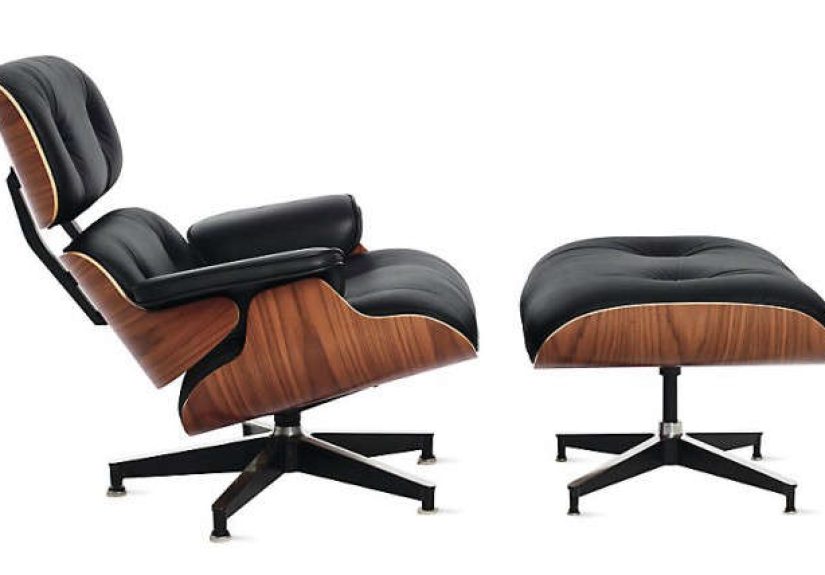
Eames Lounge and Ottomana midcentury modern lounge chair so iconic it can make a blank wall feel underdressed.
Designed by Charles and Ray Eames and introduced in 1956, it was conceived as a modern take on the classic club chair:
inviting, luxurious, and built for the kind of sitting that starts as “just five minutes” and ends with you negotiating
with gravity.
In this guide, we’ll break down what makes the Eames Lounge Chair and Ottoman special, how to choose the right size and materials,
what to know about authenticity, and what it’s actually like to live with one (including the part where your friends suddenly “need”
to visit more often).
What Is the Eames Lounge and Ottoman, Exactly?
The Eames Lounge Chair and Ottoman is a premium lounge seating settechnically known as models 670 (chair) and
671 (ottoman)built around molded plywood shells, plush removable cushions, and a reclining posture that’s
engineered to look relaxed even when you’re absolutely not. It swivels, it cradles, and it quietly communicates,
“Yes, I own a proper corkscrew.”
You’ll often see it described as a “functioning piece of art,” and that’s not just marketing fluff: the chair is included in
major museum collections, including the Museum of Modern Art, where the materials are documented down to the rubber shock mounts
and metal glides.
The Origin Story (Because This Chair Has Lore)
By the time the Lounge Chair arrived in 1956, the Eameses were already famous for experimenting with plywood and
industrial-era techniques to create comfort you could mass-produce. But this chair was different: it was aimed squarely
at the high-end market, with a goal that sounded almost poetic. Charles Eames described the intended feel as
“the warm, receptive look of a well-used first baseman’s mitt”a chair that looks like it already knows your favorite
reading lamp setting.
It wasn’t meant to be stiff, precious, or museum-only. It was meant to be lived in: a refuge from the “strains of modern living,”
with the ottoman completing the experience so your legs aren’t left doing emotional labor.
Why the Ottoman Matters More Than You Think
The ottoman isn’t an accessory; it’s part of the ergonomics. The chair’s recline angle and seat height work best when your feet
are supported. Without the ottoman, many people end up perching rather than lounginglike buying a convertible and never putting
the top down.
Design Anatomy: What You’re Actually Paying For
1) The Molded Plywood Shells
The chair’s recognizable form comes from multiple curved plywood shells (back, headrest, and seat) wrapped in wood veneer.
This is not “flat-pack plywood pretending.” It’s sculpted, layered, and finished to highlight the grainone reason the chair
looks equally at home in a minimalist loft or a maximalist “I collect interesting rocks” living room.
2) The Cushions (A.K.A. The Cloud Department)
The cushions are thick, tailored, and designed to be replaceable over the chair’s long life. This matters because comfort isn’t
just softnessit’s support that holds up after thousands of sit-downs, stand-ups, and dramatic flops after work.
3) Shock Mounts: The Quiet Engineering Flex
Rubber shock mounts connect the shells to the frame, allowing a subtle “give” that helps the chair conform to your body.
It’s the kind of engineering you don’t notice until you sit in a cheap copy and think, “Why does this feel like a stylish
kitchen stool in disguise?”
4) The Base and Recline
The chair has a fixed lounge posture (it does not adjust like a recliner), and it swivels for easy conversation,
window-staring, or rotating dramatically when someone says “we need to talk.” The ottoman base is differenttypically a
stable four-leg designbecause it’s meant to be planted and supportive.
Standard vs Tall: Choosing the Right Size
The original proportions were designed in the 1950s, andno surprisehumans have, on average, gotten taller since then.
That’s why today you’ll commonly see Standard and Tall versions. The Tall size was introduced to
better accommodate larger bodies and longer legs, while preserving the chair’s classic silhouette.
A practical way to decide
- Choose Standard if you’re average height and want the classic proportions that match most vintage chairs.
- Choose Tall if you’re tall, long-legged, or you’ve ever sat in a chair and thought, “Why am I being folded?”
Dimensions vary slightly by configuration and source, but museum documentation and manufacturer guidance consistently place the chair
around the low-30-inch range in height and width, with the ottoman lower and wider for comfortable leg support.
Materials and Options: Wood, Upholstery, and Modern Updates
A big part of the Eames Lounge and Ottoman’s appeal is customization. The chair is often offered in wood shells like walnut,
oak, or ebony finishes, paired with leather or fabric upholstery. That means you can steer the vibe from “warm library energy”
to “gallery-ready minimalism.”
Leather vs Fabric
- Leather: The classic lookrich, durable, and it tends to develop character over time (like a favorite jacket).
- Fabric: Softer visual feel, often more forgiving with temperature, and can be a smart choice for households
that fear the words “conditioner” and “patina.”
Plant-based upholstery and sustainability
In recent years, Herman Miller has also offered a plant-based upholstery option developed to mimic leather’s look and feel,
positioned as a more sustainable alternative. If you love the classic aesthetic but want a lower-impact materials story,
it’s worth consideringespecially if your lifestyle already leans toward “I bring my own tote bag… religiously.”
Authentic vs Replica: How to Shop Without Getting Burned
The Eames Lounge and Ottoman is one of the most copied furniture designs in the world. Some replicas are honest about what they are.
Others are “honest” in the way a cat is “helping” you work by lying on your keyboard. If you’re buying secondhandor paying real-money
moneyhere’s how to reduce risk.
Authentication checklist (friendly but serious)
- Look for labels/medallions: Authentic chairs typically have manufacturer markings, labels, or medallions in expected locations.
- Check the base: The chair swivels; the ottoman usually has a stable four-leg base (not a matching swivel base).
- Fixed recline posture: Originals have a lounge angle without a recliner-style mechanism.
- Proportions and detailing: Shell shape, cushion fit, and hardware quality tend to be more refined on authentic pieces.
- Price realism: New authentic sets generally cost in the several-thousand-dollar range; too-good-to-be-true deals usually are.
When in doubt, buy from an authorized retailer, or have a reputable vintage dealer verify the chair before you commit. If a seller
won’t share underside photos, labels, or close-ups of hardware, treat it like a “mystery meat” buffet: walk away politely and intact.
New vs Vintage: Which One Makes Sense?
Buying new
New chairs give you modern material options, consistent quality control, and warranty support. You also get to choose finishes and
upholstery that match your space instead of playing “will this rosewood clash with my floors?” roulette.
Buying vintage
Vintage chairs can be incredibleespecially if you love period-correct details and the idea of owning a piece of design history.
However, you’ll want to inspect condition carefully: leather can dry out, veneers can chip, and shock mounts can age.
Some issues are fixable, but restoration should be factored into your budget.
Resale value reality
Authentic Eames Lounge and Ottoman sets tend to hold value well relative to typical furniture, especially when cared for and documented.
That doesn’t mean it’s a guaranteed “investment,” but it does mean you’re not throwing money into a black hole of disposable design.
How to Style the Eames Lounge and Ottoman Without Making It a Shrine
The chair is a visual anchor. Treat it like one. Give it space to breatheboth literally (so it doesn’t look cramped)
and aesthetically (so it doesn’t fight with 17 other “statement pieces” in the room).
Placement tips
- Angle it: A slight angle feels more inviting than parking it flat against a wall like it’s in time-out.
- Mind the light: Direct sun can fade leather and wood finishes over time. Bright room? Great. Sunbeam spotlight? Not ideal.
- Add a side table: The chair begs for a landing zonebook, drink, remote, the emotional support candle.
- Choose one hero rug: A textured or simple rug can ground the chair without competing for attention.
Pairing ideas
The Eames Lounge and Ottoman plays well with other midcentury staples (clean-lined sofas, warm woods, brass accents),
but it can also create a great contrast in modern spaces. Think: one iconic organic shape in a room of crisp geometry.
That’s design dramathe good kind.
Care and Maintenance: Keep It Gorgeous (Without Becoming a Furniture Butler)
This chair is built to last, but it appreciates basic carelike a houseplant that doesn’t want a speech, just water.
Leather care basics
- Dust regularly with a soft cloth.
- Condition occasionally using a leather-appropriate conditioner (follow the upholstery maker’s guidance).
- Blot spills quicklydon’t rub like you’re trying to start a fire.
Wood and hardware
- Use gentle cleaners; avoid harsh solvents.
- Check fasteners periodically if the chair is frequently used (or frequently “dramatically entered”).
- If buying vintage, ask about shock mount condition and any prior repairs.
Is the Eames Lounge and Ottoman Worth It?
“Worth it” depends on what you’re buying. If you want a cheap place to sit, you do not need an Eames Lounge Chair. A bean bag exists.
If you want a long-term comfort piece with design credibility, repairability, and the kind of craftsmanship you can feel,
the value equation starts to make sense.
It’s a good fit if you…
- Want a forever chair you’ll use daily (not a “special occasion seat”).
- Care about materials, build quality, and design heritage.
- Prefer timeless pieces over trend-chasing.
Maybe not if you…
- Need something ultra-compact (this chair likes personal space).
- Have a high-chaos household where spills are a lifestyle, not an accident.
- Want an adjustable recliner experience (this is a lounge chair, not a transforming robot).
of Real-Life “Experience” With the Eames Lounge and Ottoman
Let’s talk about what it’s like to actually live with an Eames Lounge and Ottomanbecause the internet is full of pristine photos
where nobody has ever dared to sit. Real life is different. Real life has crumbs. Real life has pets who believe your chair is
“theirs” because they made eye contact with it first.
Day one usually starts with the same thought: This is bigger than I expected. Not in a bad waymore like “wow, this chair
has presence.” The Eames doesn’t disappear into a room; it defines a corner. It becomes the gravitational center of your living space,
the spot where guests drift like moths to a designer lamp. Even people who don’t care about furniture will walk over, do the slow
circle, and ask, “Is this the one?” (Yes. It’s always “the one.”)
The first sit is the moment you understand the ottoman’s role. Feet up, back supported, shoulders settling into the cushionsit’s
less like “sitting in a chair” and more like “accepting an invitation.” The chair’s recline angle encourages you to relax without
feeling like you’re sliding into a nap trap. You can read. You can watch a movie. You can pretend you’re meditating while secretly
thinking about snacks. The chair supports all of it without judgment.
Over a week, owners often discover the chair’s best trick: it’s comfortable in multiple postures. You can sit upright-ish for a laptop
moment, lounge deep with a book, or do the classic “one knee up” pose that makes you feel like you’re about to explain a very important
plot point. The swivel base is quietly convenient tooturn toward the conversation, turn toward the window, turn away when someone
suggests you “should really try cold plunges.”
There are a few real-life considerations. If you have kids, you’ll quickly learn the chair reads like a theme park ride:
they will climb it. If you have pets, the chair reads like a throne:
they will claim it. Leather can handle a lot, but sharp claws and repeated gymnastics are not part of the original design brief.
Many households solve this with a throw blanketone that looks intentional, not like you’re hiding evidence.
The longer you live with it, the more it becomes routine comfort. It’s the chair you choose when you’re tired, when you want to think,
when you want to do nothing at all. And that’s the point. The Eames Lounge and Ottoman isn’t famous because it looks cool (though it does).
It’s famous because it makes “being at home” feel like an upgradelike you’ve created a small, daily luxury you can actually use.
Sources Consulted (No Links, Just Receipts)
- Herman Miller (product page, design story, and buying guide)
- Museum of Modern Art (MoMA object record)
- Eames Office (product background and history)
- Dwell (history feature)
- Architectural Digest (hands-on review)
- The Spruce (authentication overview)
- The Verge (plant-based upholstery reporting)
- MoMA Design Store (product background and options)
- Design Within Reach (authorized retail context)
- Better Homes & Gardens (iconic chair context)
- Reputable vintage/authentication resources (for labeling and verification patterns)