Table of Contents >> Show >> Hide
- Why Dog Ear Tears Bleed So Much
- Common Causes of a Torn Ear in Dogs
- What to Do First: Stay Calm and Control the Bleeding
- How to Clean a Minor Torn Ear
- How to Bandage a Dog's Torn Ear Safely
- When a Torn Dog Ear Needs a Veterinarian
- What the Vet May Do for a Torn Ear
- Healing Timeline: What to Expect
- How to Prevent a Dog From Reopening a Torn Ear
- Do Not Give Human Pain Medicine
- How to Build a Dog Ear Injury First-Aid Kit
- Experience-Based Tips for Caring for a Dog's Torn Ear
- Final Thoughts
A torn dog ear has a special talent for turning a normal afternoon into a low-budget horror movie. One minute your dog is happily sniffing the fence, wrestling with a buddy, or doing suspiciously athletic zoomies. The next minute there is blood on the wall, the couch, your shirt, and somehow the ceiling. Before you panic: ear injuries often look worse than they are because the ear flap, also called the pinna, has many tiny blood vessels near the surface. Add one dramatic head shake, and your living room becomes a crime scene starring a confused Labrador.
Still, a dog’s torn ear is not something to ignore. Ear cuts can reopen easily, become infected, or hide deeper damage from bites, scratching, burrs, fencing, or rough play. The goal is simple: stop the bleeding, protect the wound, keep your dog calm, and know when veterinary care is necessary. This guide walks you through practical first aid, what not to do, when to call the vet, and how to help your dog heal without turning the ear into a chew toy, scratch post, or personal percussion instrument.
Important: This article is for general education and first-aid support. It does not replace veterinary diagnosis or treatment. If the tear is deep, bleeding heavily, caused by an animal bite, near the ear canal, or your dog seems weak, painful, dizzy, or distressed, contact a veterinarian or emergency animal hospital right away.
Why Dog Ear Tears Bleed So Much
The outer ear flap is thin, flexible, and full of small blood vessels. That design helps dogs hear, communicate, and look adorable while pretending they did not hear you say “bath.” Unfortunately, it also means even a small tear on the ear tip can bleed more than expected.
Bleeding becomes harder to control because dogs naturally shake their heads when something hurts, itches, or feels wet. Every shake can break forming clots and sling blood in every direction. Dogs with long, floppy ears may have an even tougher time because the injured ear moves like a little flag in a windstorm. Short-eared dogs are not immune either, especially if the wound is on the edge of the ear or was caused by scratching.
Common Causes of a Torn Ear in Dogs
A torn dog ear can happen in many everyday situations. Some are obvious, like a scuffle at the dog park. Others are sneakier, like a tiny scratch that your dog keeps reopening with their back paw.
Rough Play or Dog Fights
Dogs often nip at the neck, face, and ears during play. Usually, everyone walks away happy and slobbery. But one poorly timed tooth can split the ear flap. If the injury came from another animal, treat it as more serious because bite wounds can drive bacteria deep into tissue even when the surface opening looks small.
Scratching From Itchy Ears
Ear infections, allergies, mites, trapped debris, or skin irritation can cause intense scratching. A dog may scratch so hard that the ear edge tears or develops sores. If your dog keeps pawing at the ear after the wound is treated, the original problem still needs attention.
Head Shaking
Repeated head shaking can worsen a tiny cut and may also lead to an aural hematoma, which is a painful swelling caused by blood collecting inside the ear flap. If the ear suddenly looks puffy, thick, warm, or pillow-like, call your vet.
Fences, Thorns, Brush, and Household Hazards
Dogs are gifted at finding the one sharp object in a yard. Torn ears can come from chain-link fences, rose bushes, thorns, sticks, crate edges, broken toys, or sharp furniture corners. Outdoor dogs, hunting dogs, and enthusiastic backyard explorers are frequent members of the “how did you even do that?” club.
What to Do First: Stay Calm and Control the Bleeding
Your first job is to slow the chaos. Move your dog to a quiet, well-lit area. Speak calmly. If your dog is scared or painful, they may snap even if they are normally sweet enough to share a pillow. Use caution, and do not put your face near the wound.
Step 1: Gather Basic Supplies
Before touching the wound, grab what you need. Helpful supplies include clean gauze, a clean towel, nonstick pads, saline solution or clean lukewarm water, disposable gloves, medical tape, self-adhering pet wrap, and an Elizabethan collar or soft recovery cone. If you have a pet first-aid kit, congratulations: this is its moment to shine.
Step 2: Apply Direct Pressure
Place clean gauze or a clean cloth on both sides of the torn area and apply steady pressure. Do not dab, peek, wipe, lift, check, repeat, and generally negotiate with the clot every five seconds. Hold firm, gentle pressure for several minutes. If the gauze soaks through, add another layer on top instead of removing the first one, because pulling it away can disturb clotting.
Step 3: Fold the Ear Against the Head
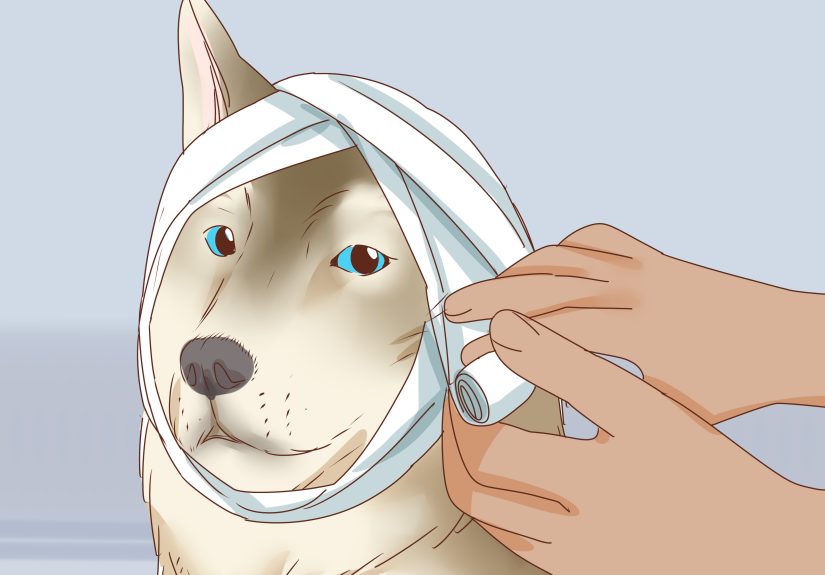
For many ear-flap injuries, it helps to place gauze on the wound, fold the ear gently over the top of the head, and hold it there. This limits flapping and reduces the chance that your dog will reopen the cut with another head shake. The wrap should be secure but never tight around the throat or airway. You should be able to fit fingers under the bandage, and your dog should breathe normally.
Step 4: Call the Vet if Bleeding Does Not Stop
If bleeding continues after several minutes of steady pressure, if blood is pulsing, or if your dog seems weak, pale, collapsed, or unusually quiet, treat it as urgent. Ear wounds can look theatrical, but ongoing blood loss is not a joke. Call your veterinarian or an emergency clinic and head in for care.
How to Clean a Minor Torn Ear
Only clean the wound at home if the bleeding is controlled and the tear appears small, shallow, and not caused by a bite. If the wound is deep, gaping, dirty, or painful, skip the home spa treatment and go to the vet.
Use Saline or Clean Water
For a minor surface wound, gently rinse with sterile saline or clean lukewarm water to remove dirt. Do not scrub the ear like you are cleaning a casserole dish. Pat around the area with clean gauze. If debris is stuck inside the wound, do not dig for it with tweezers unless your veterinarian has instructed you to do so.
Avoid Harsh Products
Do not pour hydrogen peroxide, rubbing alcohol, essential oils, or random “natural” mixtures into the wound. These can irritate tissue, slow healing, or make your dog think you have betrayed them on a spiritual level. Use pet-safe wound products only if your veterinarian recommends them.
Do Not Put Anything Deep in the Ear Canal
A torn ear flap is different from an ear canal problem. Never insert cotton swabs or medication deep into the ear unless your vet has prescribed it. If there is discharge, odor, swelling, balance trouble, or obvious pain around the canal, your dog needs a veterinary exam.
How to Bandage a Dog’s Torn Ear Safely
Bandaging a dog’s ear is less like wrapping a gift and more like trying to put a hat on a spaghetti noodle. The goal is to protect the wound, keep the ear from flapping, and avoid cutting off circulation.
Basic Ear Wrap Method
Place a nonstick pad or clean gauze over the injured area. Fold the ear gently over the top of your dog’s head, unless that position causes pain. Use gauze roll or pet-safe wrap to hold the ear in place by going around the head and under the jaw, leaving the uninjured ear free if possible. Keep the wrap snug enough to stay put but loose enough for comfort and normal breathing.
Check the Wrap Often
A bandage that slips over the eyes, tightens around the neck, smells bad, becomes wet, or causes swelling needs immediate attention. Check the ear tips, face, and neck. If your dog paws at the bandage nonstop or seems distressed, remove it and call your vet for guidance.
Use a Cone to Prevent Reinjury
Most dogs believe bandages are mysterious enemies that must be defeated. A recovery cone, inflatable collar, or soft e-collar can prevent scratching and chewing. Your dog may look offended. That is normal. They may also bump into furniture with the theatrical sadness of a Victorian ghost. Also normal.
When a Torn Dog Ear Needs a Veterinarian
Many torn ears need professional care, especially because ear wounds reopen easily. A vet can determine whether the wound requires sutures, pain medication, antibiotics, cleaning under sedation, or treatment for an underlying ear infection.
Go to the Vet Right Away If:
- The bleeding does not stop with steady pressure.
- The tear is deep, gaping, or longer than a small surface cut.
- The wound was caused by a bite from another animal.
- The ear is swollen, hot, very painful, or draining pus.
- Your dog is shaking their head constantly.
- The wound is near the ear canal or inside the ear.
- Your dog seems dizzy, off-balance, weak, pale, or lethargic.
- You see a flap of skin hanging or tissue that looks crushed.
- The wound contains dirt, thorns, glass, or other debris.
- Your dog will not let you touch the area safely.
As a rule, if you are staring at the ear and thinking, “Hmm, this looks like it needs stitches,” it probably deserves a professional look. Ear tissue can heal poorly if the edges are not aligned, and repeated head shaking can turn a small problem into a recurring one.
What the Vet May Do for a Torn Ear
Veterinary treatment depends on the injury. For a small, clean tear, your vet may clip hair, clean the area, apply medication, and send your dog home with a protective collar. For a larger laceration, your dog may need local anesthesia, sedation, sutures, or a pressure bandage. If the injury came from a bite, antibiotics may be recommended because bite wounds are bacteria delivery systems with teeth.
If your dog has an underlying ear infection, allergies, or mites, the vet will also treat that cause. Otherwise, your dog may keep scratching or shaking and reopen the wound. Treating only the torn ear without addressing the itch is like mopping the floor while the sink is still overflowing.
Healing Timeline: What to Expect
A minor ear tear may begin looking better within a few days, but ear wounds can be stubborn. The ear flap moves constantly, and dogs are not famous for respecting medical instructions. More serious tears may take one to two weeks or longer, especially if stitches are involved.
Normal Signs of Healing
Mild redness, a small scab, and slight tenderness can be normal early in healing. The wound should gradually look cleaner, drier, and less irritated. Your dog should become more comfortable, not more painful.
Warning Signs During Healing
Call your vet if you notice swelling, heat, bad odor, pus, increasing redness, repeated bleeding, missing stitches, intense scratching, or a puffy ear flap. Also call if your dog stops eating, becomes lethargic, or seems unusually painful.
How to Prevent a Dog From Reopening a Torn Ear
The biggest enemy of a healing ear is motion. Head shaking, scratching, rubbing against the carpet, and wrestling with other pets can all restart bleeding. During recovery, keep activity calm. Skip dog parks, rough play, swimming, and off-leash adventures until your vet says the ear is healed.
Use the cone consistently, even when your dog gives you the look. You know the look: the one that says, “I thought we were family.” A few days of cone drama is better than a reopened wound and another vet visit.
Do Not Give Human Pain Medicine
Never give your dog ibuprofen, naproxen, acetaminophen, aspirin, or leftover human medication unless your veterinarian specifically tells you to. Some human pain relievers are toxic to dogs, and even “small” doses can cause serious problems. If your dog is painful, your vet can prescribe safe medication based on your dog’s weight, health, and injury.
How to Build a Dog Ear Injury First-Aid Kit
You do not need to live like a veterinary ambulance, but a small kit can make emergencies less frantic. Keep sterile gauze pads, gauze roll, nonstick pads, saline solution, disposable gloves, pet-safe antiseptic wipes, medical tape, self-adhering wrap, blunt-tip bandage scissors, a soft muzzle, and your veterinarian’s phone number in one easy-to-find place.
A soft muzzle can be helpful because pain can make even gentle dogs defensive. However, never muzzle a dog that is vomiting, struggling to breathe, overheated, or unconscious. Safety matters for both of you.
Experience-Based Tips for Caring for a Dog’s Torn Ear
Anyone who has cared for a dog with a torn ear learns one thing quickly: the medical part is only half the job. The other half is managing the emotional tornado attached to the ear. Dogs do not understand “please keep this clean and dry for 10 days.” They understand “my ear feels weird,” “this bandage is suspicious,” and “the couch corner might help me remove it.”
One practical lesson is to prepare the room before you start first aid. Lay out gauze, towels, saline, and wrap before bringing your dog over. If you start searching drawers while holding a bleeding ear, your dog may shake, wander, or redecorate the hallway in red polka dots. A bathroom, laundry room, or kitchen can be easier to clean and usually has better lighting.
Another helpful trick is to use calm body language. Dogs read our stress like breaking news. If you gasp, cry, and shout, your dog may decide the situation is indeed terrible and act accordingly. Speak in a low, steady voice. Offer treats if your dog can eat safely. If another person is available, have one person gently steady the dog while the other applies pressure. Two calm humans are better than one panicked human doing interpretive wrestling.
Expect the first bandage attempt to be imperfect. Ear wraps are famous for sliding, twisting, or making your dog look like a tiny injured pirate. The wrap should never cover both eyes, block breathing, or tighten around the throat. If it will not stay in place, do not keep adding more and more layers until your dog resembles a burrito. Call your vet. A professional bandage is often worth it, especially for active dogs or long floppy ears.
During healing, boredom becomes a real problem. A dog who cannot run, swim, wrestle, or scratch may need quiet entertainment. Food puzzles, lick mats, gentle training games, frozen stuffed toys, and short leash walks can help burn mental energy without shaking the ear loose. Think of it as a temporary “spa retreat,” except your guest keeps trying to remove the towel.
It also helps to take daily photos of the ear. Use the same lighting and angle if possible. Photos make it easier to notice whether redness, swelling, or discharge is improving or getting worse. They also help your vet if you need advice. A wound that “looked better yesterday, maybe?” is harder to judge than a clear photo timeline.
Finally, do not celebrate too early. Ear wounds can look almost healed right before one dramatic head shake opens them again. Follow your vet’s instructions for the full recovery period, keep the cone on as directed, and avoid rough play until the skin is strong. Your dog may not appreciate your caution now, but future-you will appreciate not cleaning blood freckles off the wall again.
Final Thoughts
Caring for a dog’s torn ear starts with calm, direct pressure, gentle cleaning when appropriate, safe bandaging, and a realistic understanding of when veterinary care is needed. Small ear cuts can sometimes be managed with first aid and close monitoring, but deep tears, bite wounds, heavy bleeding, swelling, pain, odor, or repeated head shaking should be handled by a veterinarian.
The good news is that most dogs recover well with prompt care and proper protection. The less glamorous news is that you may spend a few days negotiating with a cone-wearing dog who believes the bandage is a personal insult. Stay patient, keep the wound protected, and call your vet when anything looks off. Your dog’s ear may be dramatic, but with the right care, the drama does not have to become a sequel.