Table of Contents >> Show >> Hide
- What Is In.gredienti Foodshop?
- Why Padua Is the Perfect Setting
- The Alajmo Touch: Fine Dining Meets the Pantry Shelf
- What to Buy at In.gredienti Foodshop
- How to Shop Like a Food-Loving Local
- What Makes It Different From a Regular Gourmet Grocery?
- Padua Food Culture Around the Shop
- Practical Tips Before You Go
- Shopper's Diary Experience Notes: A Slow, Delicious Way to Remember Padua
- Conclusion
Some shops sell food. Others sell the fantasy that you might become the kind of person who casually owns hand-blown glasses, keeps exceptional pasta in the pantry, and knows exactly which condiment belongs on grilled vegetables without staring into the refrigerator like it owes you money. In.gredienti Foodshop in Padua, Italy belongs to the second category.
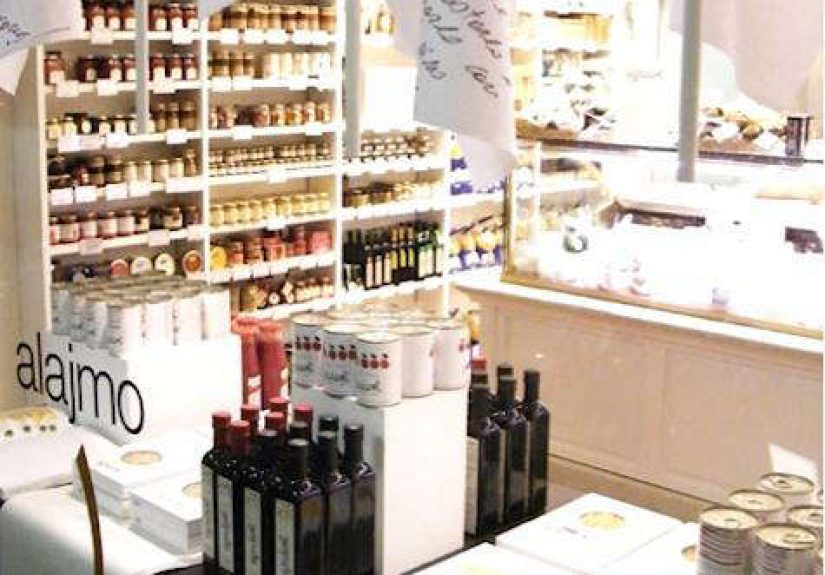
Connected to the world of the Alajmo family, the celebrated culinary group behind Le Calandre, In.gredienti is not a typical neighborhood grocery. It is a carefully edited pantry, a gourmet food shop, a design corner, and a love letter to Italian ingredients. Think of it as the place where fine dining loosens its tie, puts on good shoes, and says, “Let’s make dinner at home, but let’s make it interesting.”
For travelers exploring Padua, or Padova as Italians call it, In.gredienti offers a delicious detour from the usual souvenir circuit. Instead of buying a magnet shaped like a gondola you did not ride, you can bring home pasta, sauces, oils, sweets, wine, glassware, or pantry goods selected with chef-level seriousness. It is the kind of shop that makes you realize luggage limits are not laws of physics; they are merely suggestions from people with less imagination.
What Is In.gredienti Foodshop?
In.gredienti is best understood as part of the Alajmo culinary universe. Massimiliano “Max” Alajmo and Raffaele “Raf” Alajmo are known internationally for Le Calandre, the three-Michelin-star restaurant in Sarmeola di Rubano, just outside Padua. The restaurant began as a family business, and under the brothers it became one of Italy’s most admired destinations for creative contemporary cuisine.
The foodshop concept grew from that same philosophy: start with excellent raw materials, respect artisans, pay attention to presentation, and make even the smallest object feel intentional. In.gredienti has been described as a pristine gourmet grocery showcasing products from selected culinary artisans, along with dinnerware, glassware, and fixtures used in the family’s restaurants. That combination is the secret sauce. You do not walk in only to buy something tasty; you walk in to understand how an entire dining experience is built.
Today, the Alajmo retail world also appears through La Dispensa Alajmo, including shop spaces and an online pantry featuring food, wine, sweets, condiments, pasta, oils, vinegars, design objects, and housewares. Because formats and addresses can change, travelers should always check current opening details before making the trip. The broader idea, however, remains clear: this is where the Alajmo approach becomes portable.
Why Padua Is the Perfect Setting
Padua is one of northern Italy’s most rewarding food cities, partly because it does not perform too loudly for visitors. Venice gets the dramatic entrances, Verona gets the romance, and Padua quietly gets on with the important work of feeding people well. Its historic center is anchored by markets, cafés, bakeries, wine bars, and old arcades where daily life still moves at a civilized pace.
The city’s market culture is especially important. Piazza delle Erbe and Piazza della Frutta have long been centers of food commerce, with produce stalls, flowers, cheese, meats, and local specialties surrounding the Palazzo della Ragione. This matters because In.gredienti does not feel like an isolated luxury boutique dropped from space. It belongs to a city where shopping for food has always been part of the rhythm of life.
Padua is also a city of art and intellect. The Scrovegni Chapel, famous for Giotto’s frescoes, is part of the city’s UNESCO-listed fourteenth-century fresco cycles. That artistic heritage gives the foodshop a fitting backdrop. In Padua, beauty is not reserved only for museums; it shows up in a market stall, a glass, a cake box, a label, a plate of risotto, and yes, even a jar you suddenly decide is emotionally necessary.
The Alajmo Touch: Fine Dining Meets the Pantry Shelf
The Alajmo name carries serious culinary weight, but what makes In.gredienti appealing is how it translates restaurant thinking into everyday objects. At Le Calandre, the brothers are known not only for cuisine but also for atmosphere, service, glassware, tables, and a multisensory dining experience. In the shop, that same attention becomes more approachable.
You might find dried pasta made from Italian durum wheat, condiments designed to brighten simple dishes, specialty oils and vinegars, sauces, chocolates, coffee, sweets, spices, wines, and spirits. You might also notice glassware and design pieces that look like they wandered out of a tasting menu and decided to become home décor. The mood is elegant without being icy. Nothing screams. Everything politely suggests that your kitchen could try a little harder.
This is why In.gredienti is such a strong stop for food lovers. It bridges the distance between restaurant fantasy and home cooking reality. You may not recreate a three-star tasting menu in your apartment on a Wednesday night. But with excellent pasta, a good sauce, a memorable vinegar, and a glass that makes sparkling water feel like an event, you can borrow a little of that world.
What to Buy at In.gredienti Foodshop
1. Pasta and Rice for Real Dinners
Start with the pantry basics. Dried pasta, rice, and grains are among the smartest edible souvenirs because they travel well and actually get used. Veneto is a region that loves rice as much as pasta, especially in risotto traditions. A good package of pasta or risotto rice from a curated shop is not just a purchase; it is a future dinner with a better accent.
2. Oils, Vinegars, and Condiments
Aromatic condiments, olive oil, vinegars, and preserved vegetables are ideal for anyone who wants maximum flavor without a culinary degree. A few drops can transform roasted vegetables, salads, grilled meats, crostini, or cheese plates. This is the category where restraint is useful. Buy one or two bottles you will actually open, not twelve bottles you will admire until they become museum pieces in your cupboard.
3. Sweets, Cookies, and Leavened Goods
The Alajmo pantry world includes sweet items from the MammaRita workshop, such as cookies, cakes, leavened goods, and seasonal treats. These make excellent gifts, especially for people who claim they “do not need anything.” Nobody needs a beautiful Italian sweet in a tidy package. That is exactly why it works.
4. Wine, Beer, and Spirits
For travelers with suitcase space and responsible customs awareness, wine and spirits can be tempting. Veneto is home to Prosecco, Soave, Amarone, and many other bottles worth knowing. A curated shop can help you choose something with more personality than the airport shelf labeled “Italian Red.” Ask for pairing ideas, especially if you are also buying cheese, cured meats, or condiments.
5. Glassware and Design Objects
One of the most distinctive parts of the In.gredienti story is the design element. Alajmo glassware, including hand-blown pieces, reflects the same playful precision found in the restaurants. These objects are not cheap throwaways, and that is the point. They are for shoppers who believe a glass can change the mood of a table. Are they practical? Technically. Are they also a tiny personality test? Absolutely.
How to Shop Like a Food-Loving Local
The best way to approach In.gredienti is not to rush. Walk through once without picking anything up. Notice the categories. Look at the labels. See what repeats: pasta, condiments, sweets, wine, design, gifts. Then make a second lap with intention.
If you are buying for yourself, choose ingredients around actual meals. For example, build a “first dinner home” kit: pasta, a tomato product or sauce, good olive oil, a condiment, and a sweet for dessert. That little bundle will do more for your post-vacation mood than 600 photos of church façades you forgot to label.
If you are buying gifts, think by personality. For the serious cook, choose a condiment, spice blend, or pasta shape. For the design lover, consider glassware or a small home object. For the sweet tooth, buy cookies or a cake. For the friend who says, “Just bring yourself,” bring something edible anyway. That phrase is often a trap.
Also, ask questions. Specialty food shops are at their best when staff can guide you toward what is seasonal, local, newly arrived, or particularly representative of the house style. A good question is not “What is best?” because everything will sound best. Ask instead, “What would you buy for a simple dinner tonight?” or “What travels well in a suitcase?” These questions save both time and regret.
What Makes It Different From a Regular Gourmet Grocery?
Many gourmet stores are simply shelves of expensive things. In.gredienti is more curated than that. Its appeal is not only product quality but also point of view. The shop reflects a chef’s relationship to ingredients and a restaurateur’s understanding of atmosphere. Everything seems to answer a quiet question: how does this improve the experience of eating?
That is why the design objects matter. Food does not exist in a vacuum. It sits on plates, lands in bowls, gets poured into glasses, and appears under lighting that either flatters it or makes dinner look like a tax audit. The Alajmo world pays attention to the full chain of pleasure, from the origin of an ingredient to the shape of the glass in your hand.
This also makes In.gredienti useful for American travelers interested in Italian food culture beyond clichés. It is not only about pizza, pasta, and gelato, though nobody here is filing a complaint against gelato. It is about how Italians treat the table as a system: ingredients, craft, seasonality, presentation, conversation, and time.
Padua Food Culture Around the Shop
A visit to In.gredienti pairs beautifully with a broader Padua food day. Begin in the historic markets around Piazza delle Erbe and Piazza della Frutta. Look for seasonal produce, radicchio, mushrooms, cheeses, cured meats, and flowers. Stop for coffee. Wander under the arcades. Let your appetite become your map.
Traditional Veneto flavors include risotto, polenta, radicchio Rosso di Treviso, Asiago cheese, white asparagus from Bassano, beans from Lamon, and various cured meats. Padua itself has hearty local dishes such as bigoli with duck ragù, risotto with chicken livers, and regional preparations using poultry or goose. This is not timid food. It has shoulders.
After visiting the markets, In.gredienti feels like the polished continuation of the same story. The market gives you the bustle of daily buying; the foodshop gives you the edited version, packaged and ready to travel. Together, they show two sides of Padua: practical and refined, ancient and contemporary, hungry and very well organized.
Practical Tips Before You Go
Check the Current Address and Hours
The Alajmo retail presence has included locations in Sarmeola di Rubano near Le Calandre and shop activity in central Padua through La Dispensa. Because restaurant groups update formats, pop-ups, and opening hours, verify details before planning your day. This is especially important if you are traveling from Venice, Verona, or another city.
Bring a Shopping Plan
Decide your budget before entering. Gourmet food shops have a special talent for making you believe that five jars, two glasses, a cake, and a bottle of vinegar are “basically essentials.” They may be, spiritually. Your suitcase may disagree.
Think About Customs Rules
Dry goods, sealed sweets, pasta, and many packaged items are easier to travel with than fresh meats, cheeses, or opened jars. If you are flying internationally, check what you can bring home. Nothing ruins the romance of Italian shopping like watching an airport officer confiscate your dream cheese.
Pair It With Le Calandre or Il Calandrino
If your schedule and budget allow, consider pairing the shop with a meal in the Alajmo world. Le Calandre is the fine-dining temple; Il Calandrino offers a more casual experience nearby. Even if you do not dine there, knowing the restaurant context makes the shop more meaningful.
Shopper’s Diary Experience Notes: A Slow, Delicious Way to Remember Padua
The most memorable part of shopping at a place like In.gredienti is the feeling that every object has been chosen rather than merely stocked. This changes how you move. In a supermarket, you push forward with the grim efficiency of a person trying to escape fluorescent lighting. In a curated Italian foodshop, you slow down. You read labels. You compare shapes of pasta as if interviewing candidates for an important position. You begin to understand that good shopping is not always about quantity; sometimes it is about attention.
A perfect Padua food day might begin in the morning, when the markets are still fresh and the city smells faintly of coffee, stone, bread, and produce. You walk through Piazza delle Erbe, where stalls brighten the square with vegetables, herbs, fruit, and flowers. You may not buy much there if you are staying in a hotel, but you absorb the rhythm: locals choosing, vendors arranging, cafés filling, bicycles gliding past with the confidence of creatures higher on the food chain.
Then you make your way toward the Alajmo orbit. The mood changes from market abundance to precise curation. At In.gredienti, the pleasure is not chaos but selection. A jar of sauce sits where it should. A bottle of vinegar looks composed. A package of pasta becomes strangely persuasive. The glassware catches your eye, and suddenly your cabinet back home seems deeply underdressed.
The best purchase is often not the grandest one. It may be a condiment you open a week later when regular dinner needs help. It may be a box of cookies you meant to give away but mysteriously “tested” at the hotel. It may be a bag of pasta that waits in your pantry until a rainy night, when you cook it and remember Padua not as a checklist of monuments but as a series of tastes: bitter radicchio, sweet pastry, bright vinegar, good coffee, a glass of wine before dinner.
That is the charm of food shopping while traveling. Souvenirs that sit on shelves eventually become invisible. Ingredients disappear, but they disappear by becoming part of your life. You cook them. You share them. You tell the story badly and enthusiastically: “I bought this near Padua, from the people connected to that famous restaurant, and no, I do not know why the glass looks like that, but isn’t it beautiful?”
In.gredienti is worth remembering because it captures a particular Italian gift: turning appetite into culture without making it stiff. It respects excellence but still points toward dinner. It reminds travelers that luxury does not always mean extravagance; sometimes it means a better tomato, a better glass, a better biscuit, or a better reason to invite someone to the table.
Conclusion
In.gredienti Foodshop in Padua, Italy is more than a gourmet grocery. It is a compact expression of the Alajmo philosophy: ingredients matter, design matters, craft matters, and the table is where all of those things become human. For visitors, it offers a smarter kind of souvenir shopping, one rooted in flavor, usefulness, and memory. Whether you leave with pasta, condiments, sweets, wine, or glassware, the real takeaway is a new way of looking at food: not as stuff to consume quickly, but as an experience to choose carefully.
Padua already rewards travelers who pay attention. Its markets, frescoes, cafés, and arcades create a city where beauty and appetite are close neighbors. In.gredienti fits right into that rhythm, giving shoppers a polished but approachable doorway into one of Italy’s most respected culinary families. Go slowly, ask questions, buy what you will actually use, and leave enough room in your bag. Your future dinner table will thank you.





